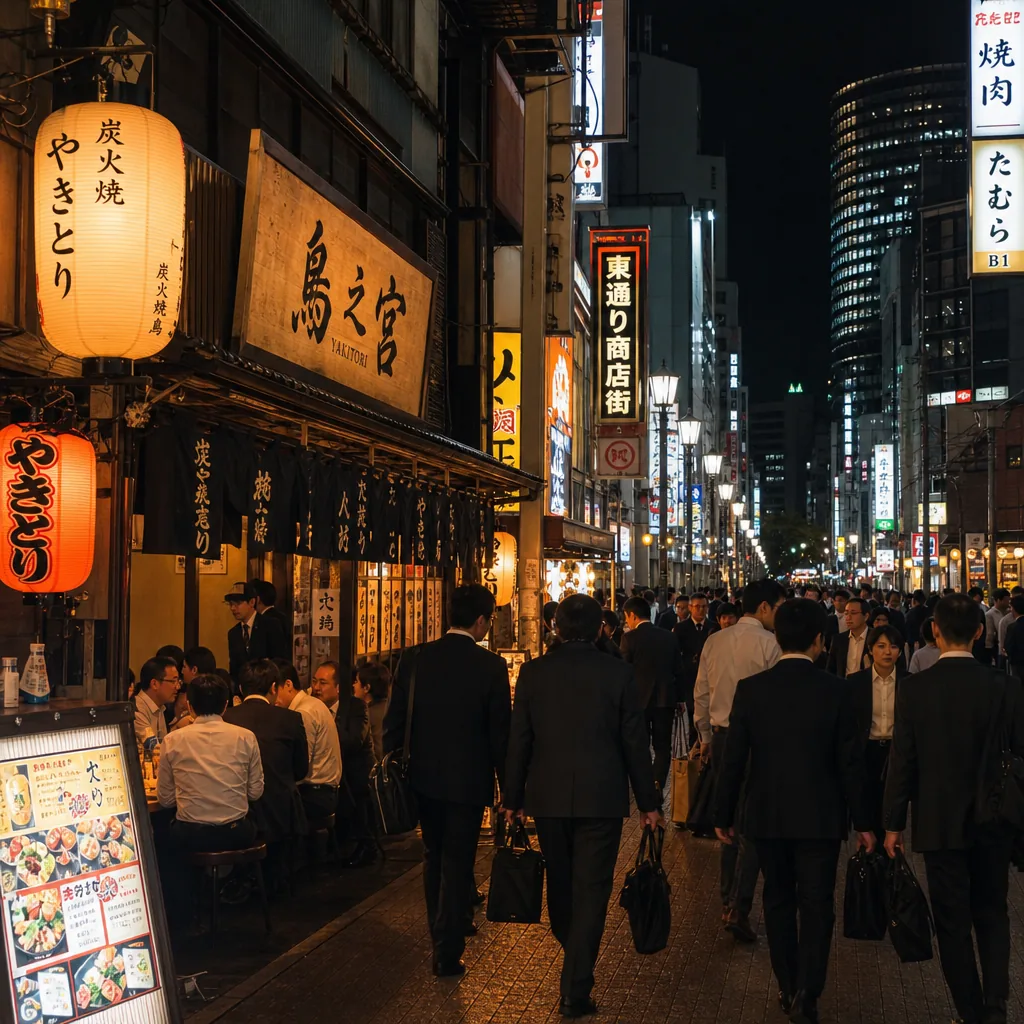
Where can I find english-friendly yakitori in Osaka after work?
Find English-friendly yakitori in Osaka after work by targeting Umeda, Namba, and Honmachi, plus booking sites and multilingual menus.
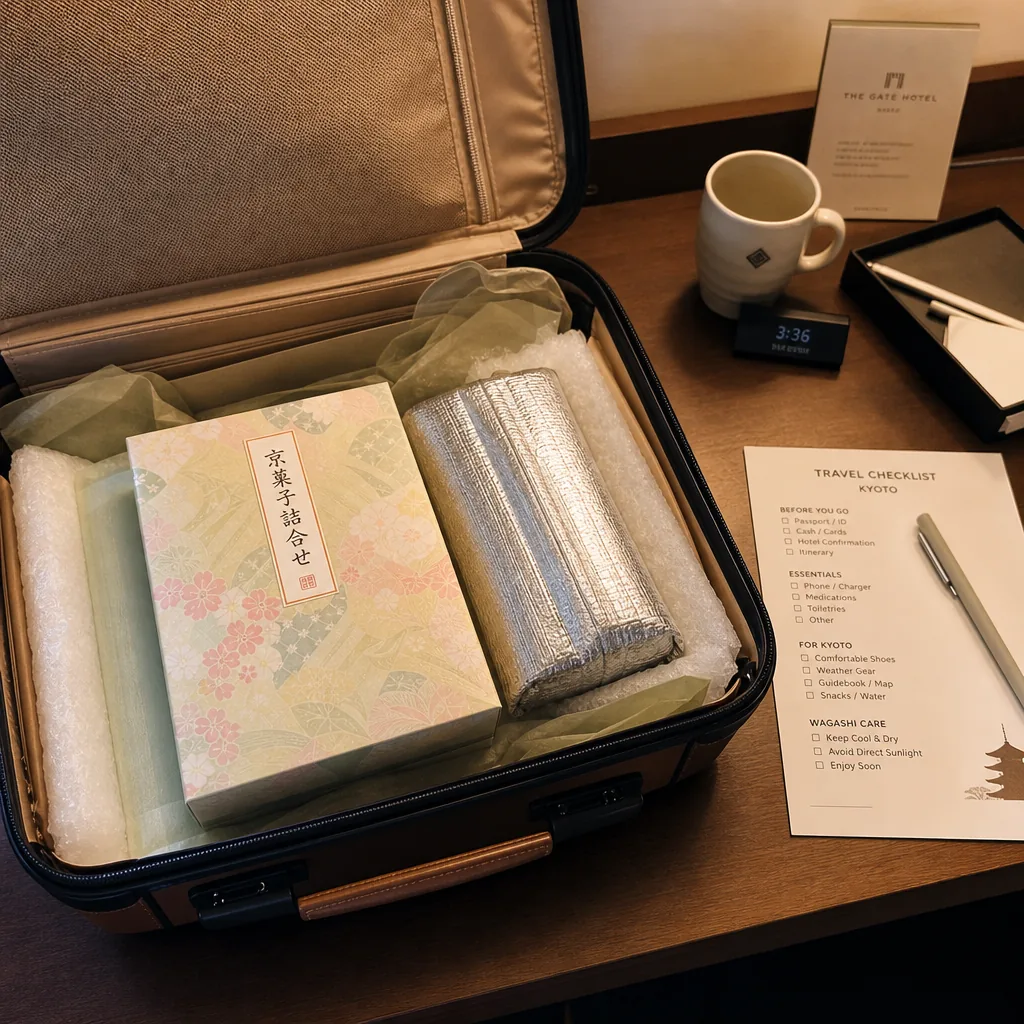
Yes—if you plan carefully, you can usually bring fresh wagashi home from Kyoto without ruining their texture or running into airport problems. The safest approach is to buy them close to departure, confirm the shop’s storage advice and shelf life, and pack them so they stay cool and protected from crushing. Kyoto’s wagashi culture includes many seasonal sweets designed for short enjoyment windows, so timing matters as much as packaging [1][5].
In Kyoto, “fresh” wagashi often means sweets with short best-before dates, soft textures, or fillings that are meant to be eaten quickly rather than stored for days. Kyoto Travel notes that many traditional Japanese sweets are seasonal and delicate, and makers such as Toraya explain that wagashi should be treated according to the product type, with attention to freshness and how long they will keep [1][5].
Examples you may see around the city include the refined sweets sold at Toraya Kyoto Ichijo, the tea-focused wagashi at Demachi Futaba in the Demachiyanagi area, and Kyoto confectionery selections at department stores such as Isetan Kyoto near Kyoto Station. These are good places to ask directly whether a box is for same-day enjoyment, refrigeration, or room-temperature storage [1][5].
As a rule, the more delicate the sweet looks, the earlier you should plan to eat it. If a shop tells you a piece is best enjoyed “today,” treat that as a serious instruction, not a casual suggestion.
Buy fresh wagashi as late as possible, ideally on the last full day of your Kyoto trip or the morning of departure if your schedule allows. That gives you the longest possible window before the sweets lose texture or freshness. Kyoto’s seasonal sweets are often sold with short time limits, so purchasing them early in your trip increases the chance that they will be past their best by the time you fly [1][5].
If you have a long sightseeing day before the airport, choose a shop near your hotel, Kyoto Station, or your final dinner area. Neighborhoods such as Gion, Higashiyama, and Demachiyanagi are convenient because they have well-known wagashi shops and are easy to link to your departure route [1].
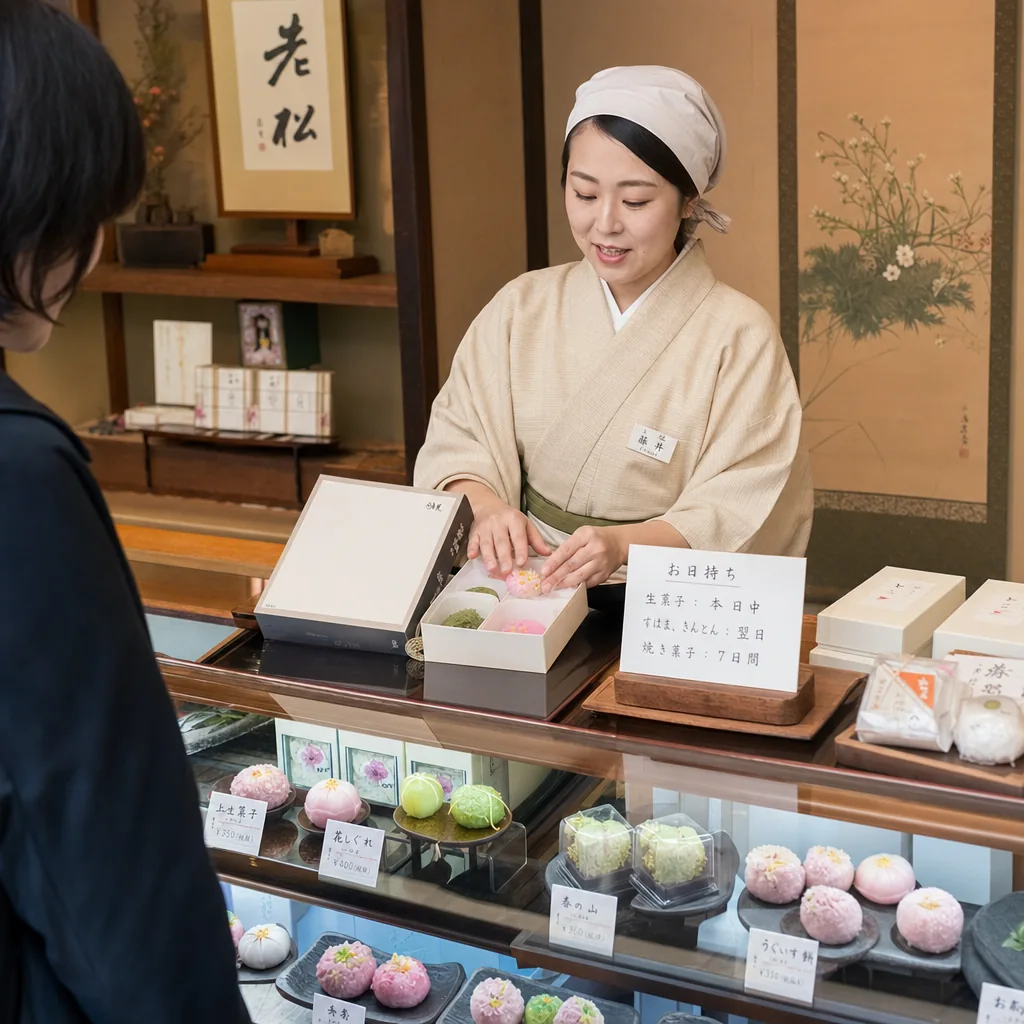
A practical timing plan looks like this:
Do not guess. Ask the seller four direct questions: how long the wagashi will last, whether it should be refrigerated, whether it can be chilled without damage, and whether the box is sturdy enough for travel. Kyoto shops are used to these questions, and many will tell you if the sweets are especially temperature-sensitive [1][5].
You can ask in simple English: “How long is this good for?” “Do I need to refrigerate it?” “Can I put it in my suitcase?” “Is it okay to keep it cool with an ice pack?” If the item contains cream, bean paste, jelly, or fruit, be especially careful because those fillings may be more sensitive to heat and security screening [2][3][4].
Also check whether the shop can pack the sweets in a rigid presentation box. A firm box helps preserve shape, and many Kyoto confectionery retailers use attractive but protective packaging suited to gift transport [1][5].
The goal is simple: prevent crushing, control temperature, and avoid leaks. Start with the shop’s original box, then place that box inside another layer of protection. A rigid container is important because soft sweets can deform under the pressure of luggage [4].
If you are buying a gift box from a place like Toraya or a specialty shop in Gion, ask whether they can add an internal divider or extra wrapping. That small detail can make a big difference on the train to the airport and in the overhead bin [5].
For most fresh wagashi, carry-on is usually safer because you can control the temperature and reduce the risk of rough handling. That said, either carry-on or checked baggage is generally allowed for food items, subject to screening and packaging rules [2][4].
Use carry-on if the sweets are fragile, expensive, or likely to melt. Use checked baggage if the box is large, you have a hard-sided suitcase, and the shop has confirmed the sweets can handle the transit. Japan’s aviation guidance and airport screening information make clear that food is permitted, but security may inspect items that contain liquids, gels, or similar fillings [2][3][4].
If you do check the box, keep it in the middle of your suitcase surrounded by soft clothing. If you carry it on, keep it in a tote or backpack where you can avoid pressure from heavier items.
Security is usually straightforward, but chilled items can create complications. Japan’s civil aviation and airport screening guidance note that bags and food may be inspected, and liquid-like items can trigger extra screening [2][3]. ANA’s baggage rules also emphasize that restrictions can apply depending on the nature of the item [4].
For ice packs, do not assume they will always pass without issue. Screening may depend on whether the pack is fully frozen or has started to melt [2][3]. If your wagashi must stay cool, ask the shop whether a gel pack, insulated wrap, or other method is safest for the flight. Keep in mind that airport officers may examine the contents if the packaging contains liquid, cream, or jelly-like material [2][3].
At Kyoto Station, especially if you are shopping near departure time, give yourself extra minutes at security in case staff need to inspect the sweets. That buffer is worth it for peace of mind.
Once you land, unpack the wagashi as soon as you can and follow the shop’s instructions immediately. If the sweets were meant to be refrigerated, place them in the fridge right away; if they were meant for same-day eating, enjoy them promptly rather than trying to extend their life [1][5].
For international travel, do one more check before you leave Kyoto: confirm your destination country’s customs and food-import rules. Even when a sweet passes airline security, it may still be restricted by border rules. That is especially important if you bought multiple boxes or anything with dairy, fruit, or fresh fillings.
If you want the safest strategy, choose sturdier wagashi for transport and eat the most delicate ones before you leave Kyoto. That way, you get the full experience of the city’s seasonal sweets without worrying about damage, melting, or missed best-before dates.
CallButler is a multilingual concierge service that handles research, coordination, and bookings so you do not have to navigate language barriers or unfamiliar systems alone. If you need help related to How do I pack and fly home with fresh wagashi from Kyoto? or the tasks around it, our team can step in to manage the details and keep things moving smoothly.
Find English-friendly yakitori in Osaka after work by targeting Umeda, Namba, and Honmachi, plus booking sites and multilingual menus.
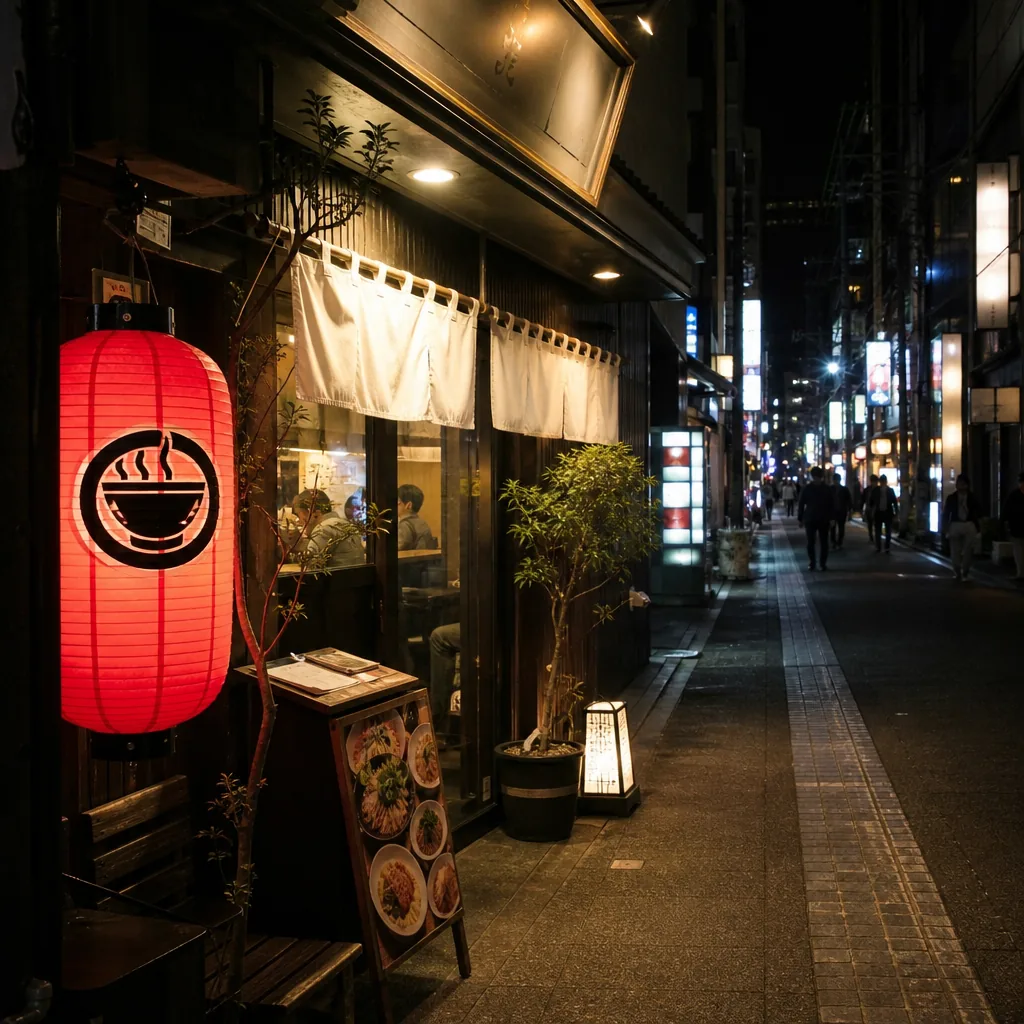
Looking for halal ramen in Kyoto after 10 p.m.? Here’s where to check, which areas are most practical, and how to verify hours and halal status.
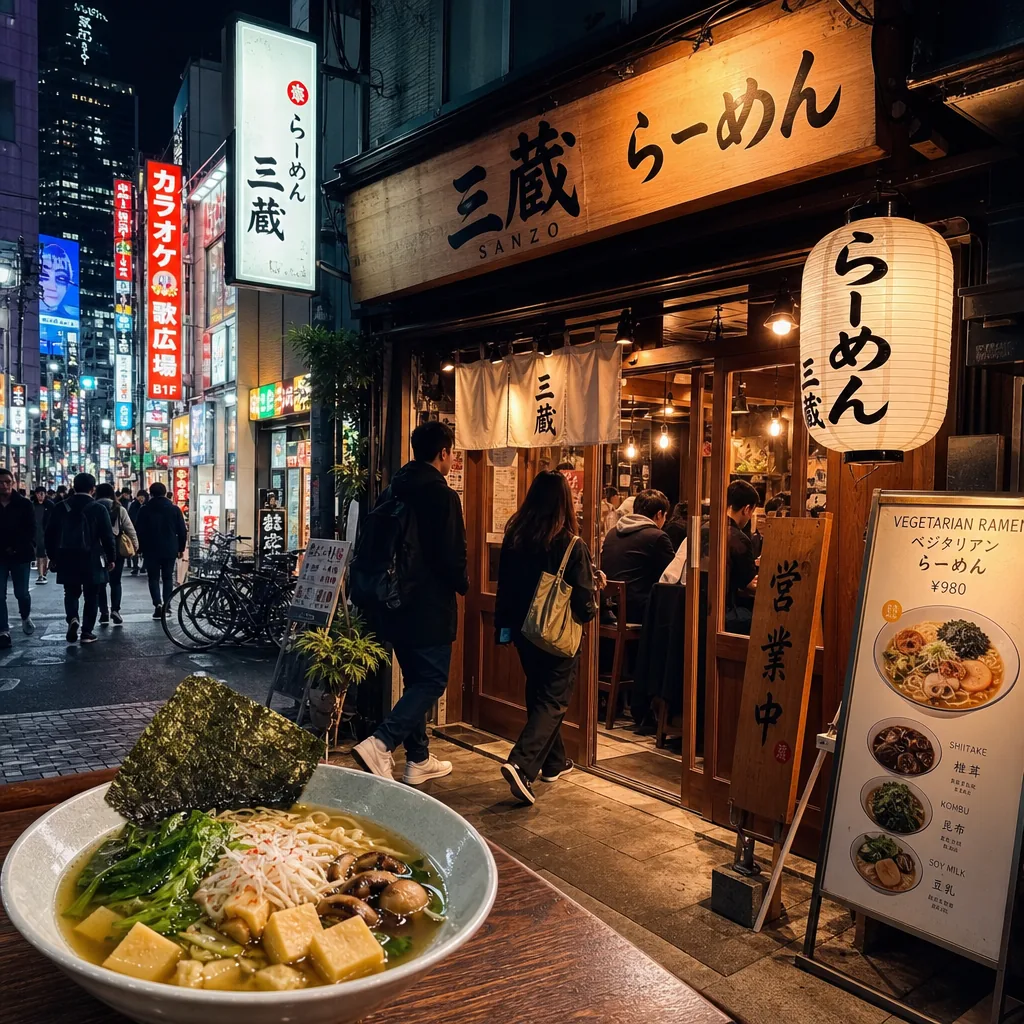
Find late-night vegetarian ramen in Tokyo by focusing on Shibuya, Shinjuku, and Roppongi, then verify broth, hours, and vegan menu details.