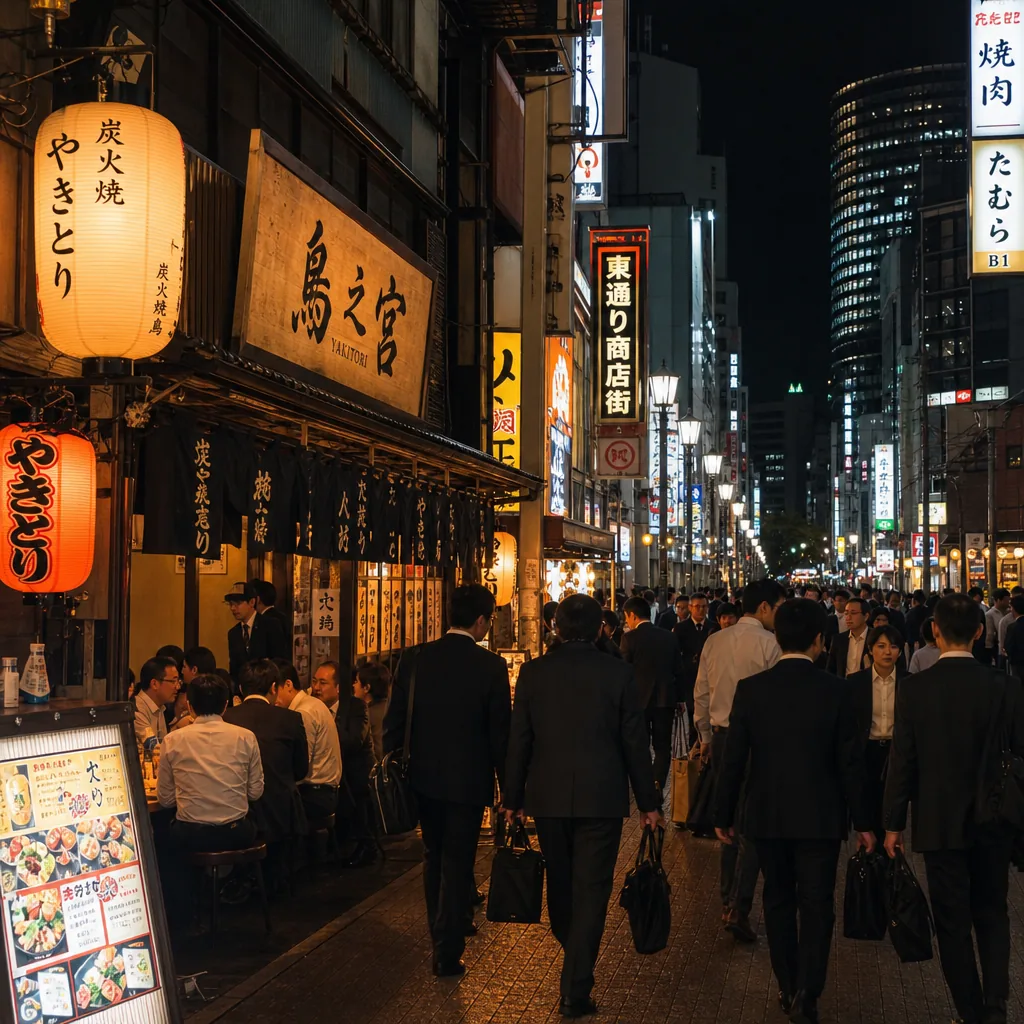
Where can I find english-friendly yakitori in Osaka after work?
Find English-friendly yakitori in Osaka after work by targeting Umeda, Namba, and Honmachi, plus booking sites and multilingual menus.
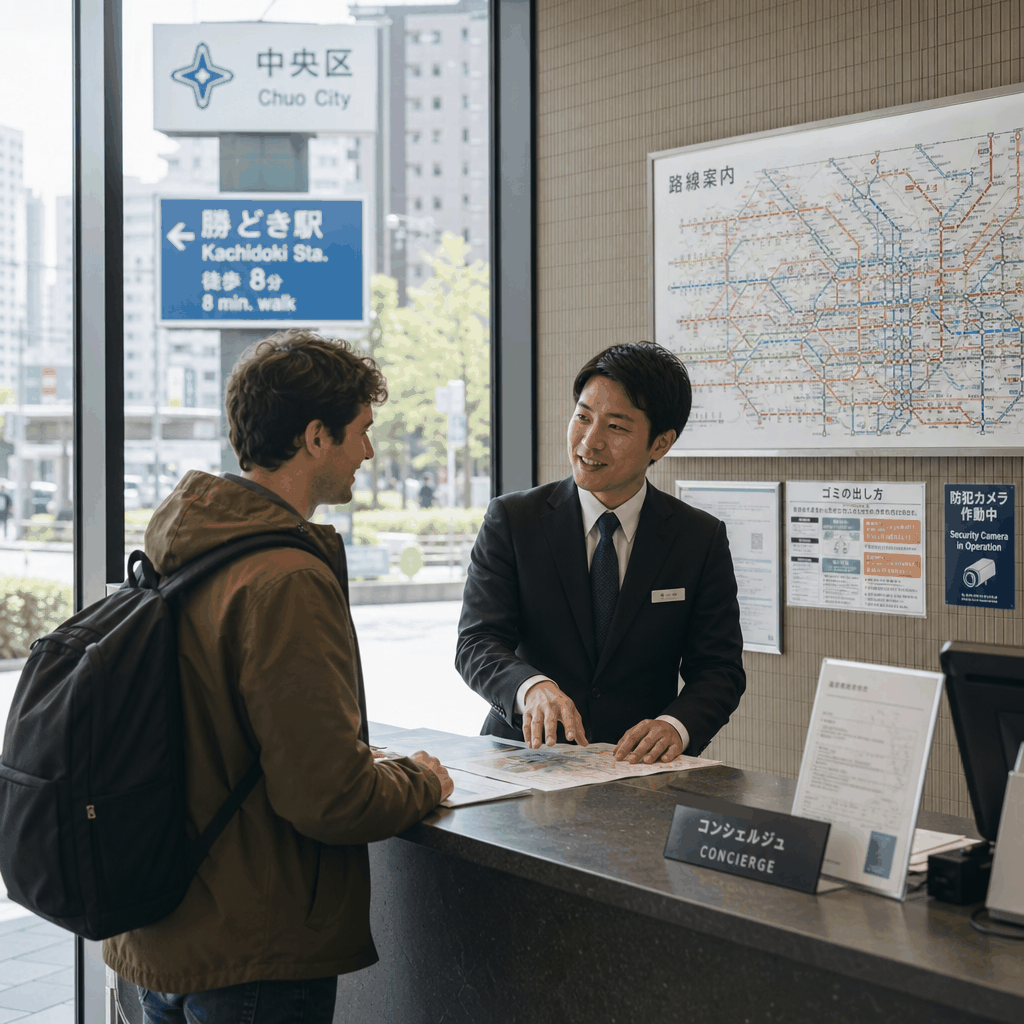
What can a concierge arrange to help me settle in Tokyo? Quite a lot: they can help you compare neighborhoods, coordinate housing viewings and move-in logistics, explain utility and internet setup, and guide you through ward-office procedures. But they cannot replace official steps like resident registration or utility contracts, which still must be completed by you at the relevant offices or providers [1][4][5].
In Tokyo, concierge and relocation services are most useful because the city’s neighborhoods are highly localized and commuting depends on dense rail connections. A good service can help you narrow down areas by train access, budget, school access, and daily needs, then translate those priorities into shortlists and property viewings. Tokyo Metropolitan Government and ward-level guides are also available in English, so many concierges build their advice on official public information rather than guesswork [1][2][4].
That matters in practice. For example, if you are deciding between Shinjuku, Minato, or another central ward, a concierge can use ward guides to explain the local services and housing context, while you compare commute times on the JR, Tokyo Metro, or Toei networks. In Tokyo, the difference between neighborhoods can be more important than the difference between apartment sizes, especially when you are trying to balance access to work, schools, and daily errands [1][2][3].
Relocation support in Tokyo often starts with housing search coordination. A concierge may help you shortlist neighborhoods, organize viewings, and communicate with real estate agents, which is especially helpful if you are unfamiliar with Japanese lease language or common move-in timelines. Some services also assist with temporary storage, cleaning, furniture or appliance delivery, and key handover coordination so that the first days in the new place are less chaotic.
This support is practical because move-in schedules in Tokyo are often compressed. Once a lease is signed, tenants may need to line up cleaning, deliveries, and utilities quickly. A concierge can keep those tasks in order, but the actual lease is still signed with the landlord or agent, and fees depend on the provider rather than on a citywide standard [1][2].
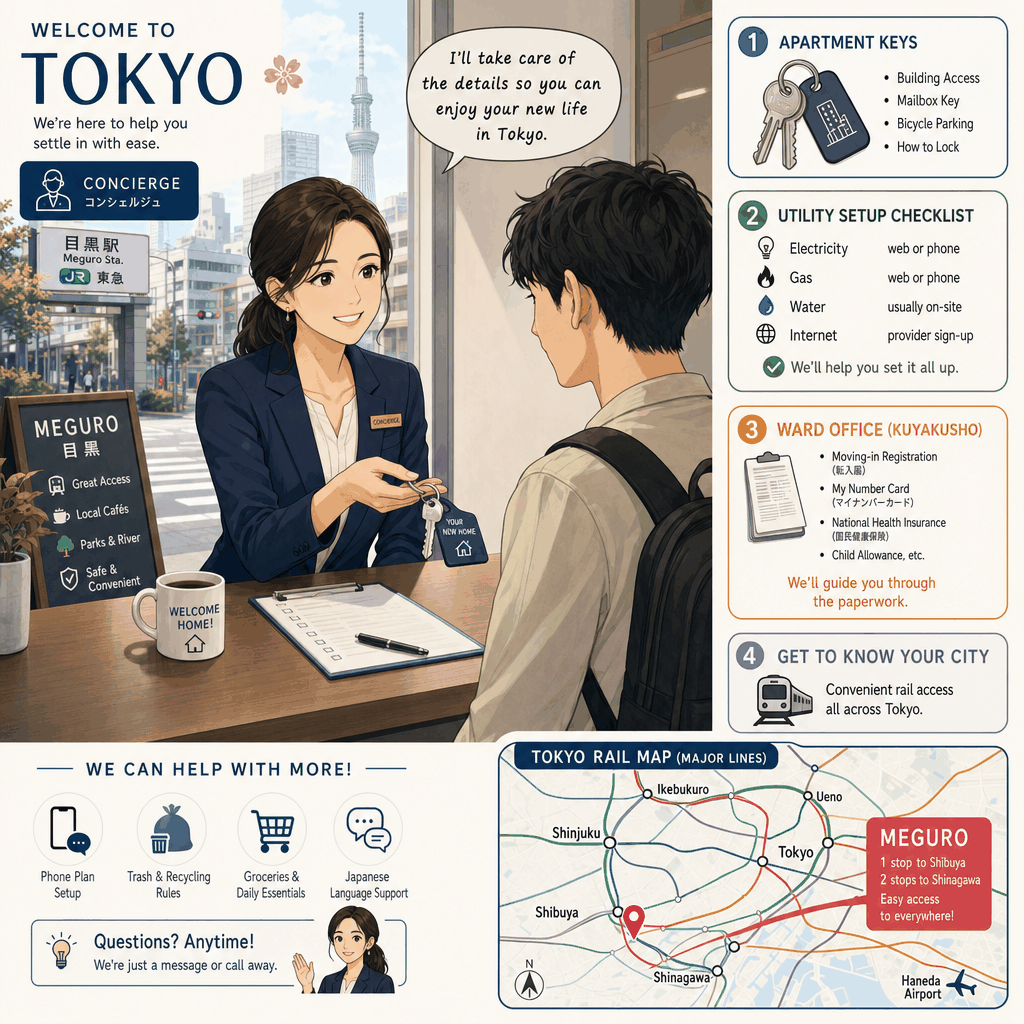
Settling in Tokyo usually means arranging electricity, gas, water, internet, and mobile service separately. Tokyo Gas, for example, provides English-language procedures for moving in and moving out, and the process includes contact and appointment steps that must be completed with the provider [5]. A concierge can help translate the instructions, make sure the dates line up, and sometimes book or coordinate appointments, but the resident normally signs the contract and confirms the service directly.
For newcomers, that distinction matters. Utilities are not one bundled package, and move-in day can become stressful if gas activation, internet installation, or mobile porting is left too late. A concierge can create a checklist, check what documents are needed, and remind you of lead times, but the final contract and identity verification still belong to you [5].
Official procedures in Tokyo are handled at the ward or city office, not by a concierge. That includes resident registration, National Health Insurance enrollment, and My Number-related notifications, all of which must be completed through the correct public office process [1][2][3]. A concierge can still make this much easier by telling you what documents to bring, helping you understand the order of tasks, and booking guidance if the ward office offers appointment-based service.
Tokyo Metropolitan Government and local wards provide multilingual living guides that explain daily administration in practical terms. Shinjuku City and Minato City both publish English foreign resident guides, and these are useful because they show which office handles which task and what residents are expected to do themselves [1][2][3].
For example, if you have just moved into Shinjuku or Minato, a concierge can help you read the ward guide, identify the relevant desk, and prepare paperwork before you go. But you still need to appear in person when the law or office procedure requires it [2][3][4].
Once you are settled, a Tokyo concierge may also help with the less obvious parts of daily life: cleaning services, translation support, household management, doctor recommendations, bank suggestions, and introductions to nearby stores. For families, some services also help with school search support and local orientation. These services are especially valuable in a city where even routine tasks can involve Japanese-language forms or multiple providers.
Tokyo’s public support resources are a good backbone for this kind of help. The Tokyo Metropolitan Government Foreign Resident Support pages and Living Guide for Foreign Residents provide official information that concierge services can use to explain local rules, emergencies, and community services in plain English [1][4].
That can also include practical location-based advice. A concierge can point you toward the neighborhood information and local support offered by places such as Shinjuku City, Minato City, and Tokyo Metropolitan Government resources, rather than relying on generic internet advice [1][2][3][4].
A concierge can guide, coordinate, interpret, and remind, but there are clear limits. They usually cannot sign legal documents on your behalf, complete official ward-office registrations for you, or replace provider contracts for utilities and mobile service. They also cannot guarantee housing approval, because landlord screening, document checks, and final approvals remain with the real estate side.
If a service claims it can handle everything, be cautious. In Tokyo, the most reliable concierge support is the kind that is specific about what it can book, what it can only advise on, and where your own presence is required.
Choose a service that is transparent about fees, language support, and scope. Ask whether they actually book appointments, whether they only provide referrals, and whether they have experience with the ward you will live in. A concierge familiar with Shinjuku, Minato, or your target area is more useful than a generic Japan-wide service that does not understand local procedures [2][3].
Before you pay, ask these questions:
The best Tokyo concierge service saves time by organizing the process around your actual move, not by overstating what it can legally do. If it helps you compare neighborhoods, line up housing and utilities, and arrive at the ward office prepared, it is doing the job well.
CallButler is a multilingual concierge service that handles research, coordination, and bookings so you do not have to navigate language barriers or unfamiliar systems alone. If you need help related to What can a concierge arrange to help me settle in Tokyo as? or the tasks around it, our team can step in to manage the details and keep things moving smoothly.
Find English-friendly yakitori in Osaka after work by targeting Umeda, Namba, and Honmachi, plus booking sites and multilingual menus.
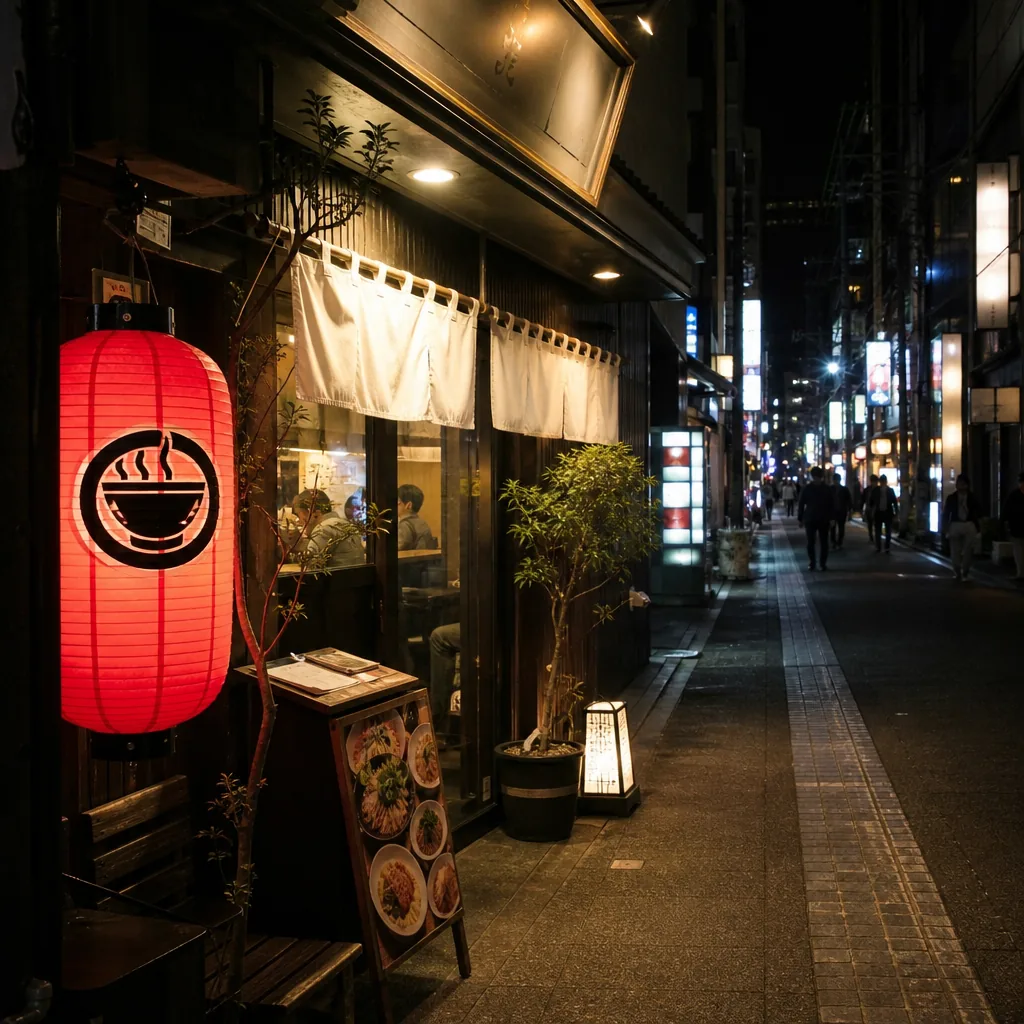
Looking for halal ramen in Kyoto after 10 p.m.? Here’s where to check, which areas are most practical, and how to verify hours and halal status.
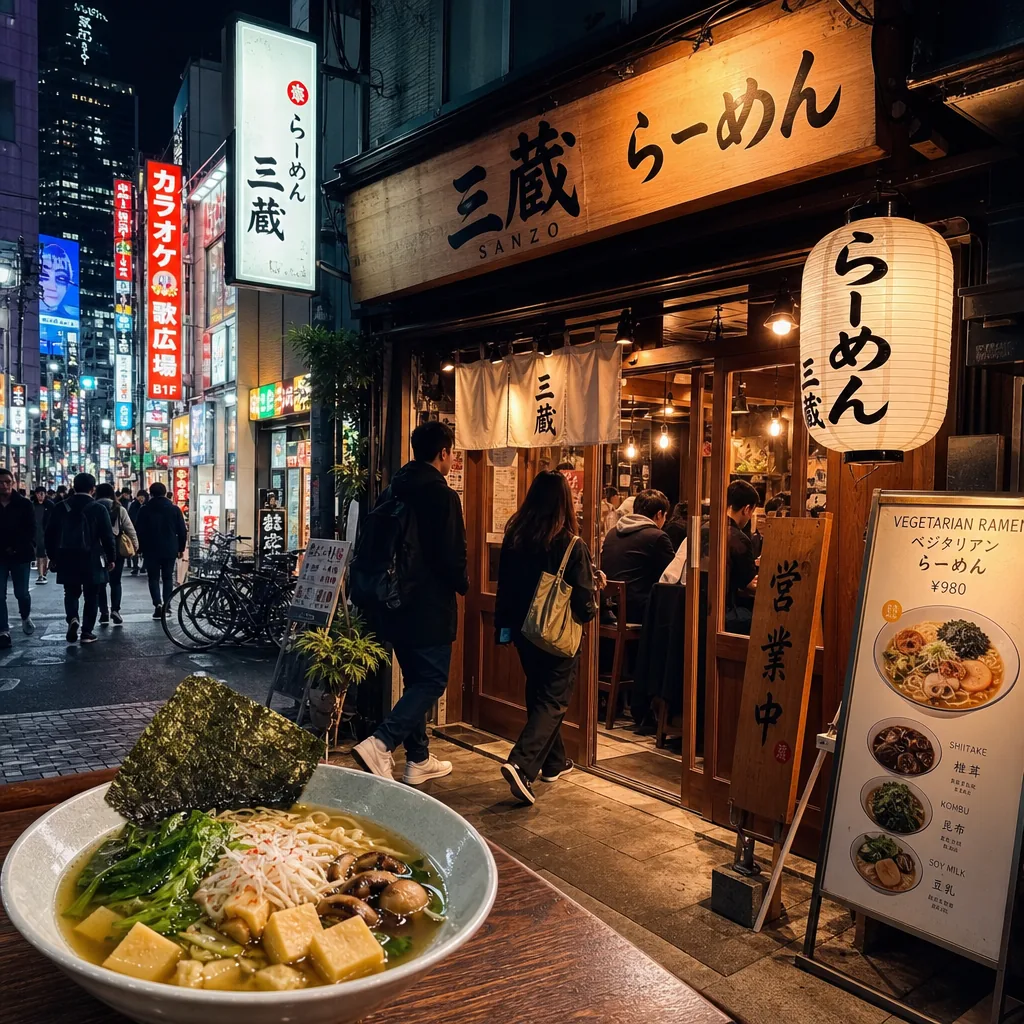
Find late-night vegetarian ramen in Tokyo by focusing on Shibuya, Shinjuku, and Roppongi, then verify broth, hours, and vegan menu details.