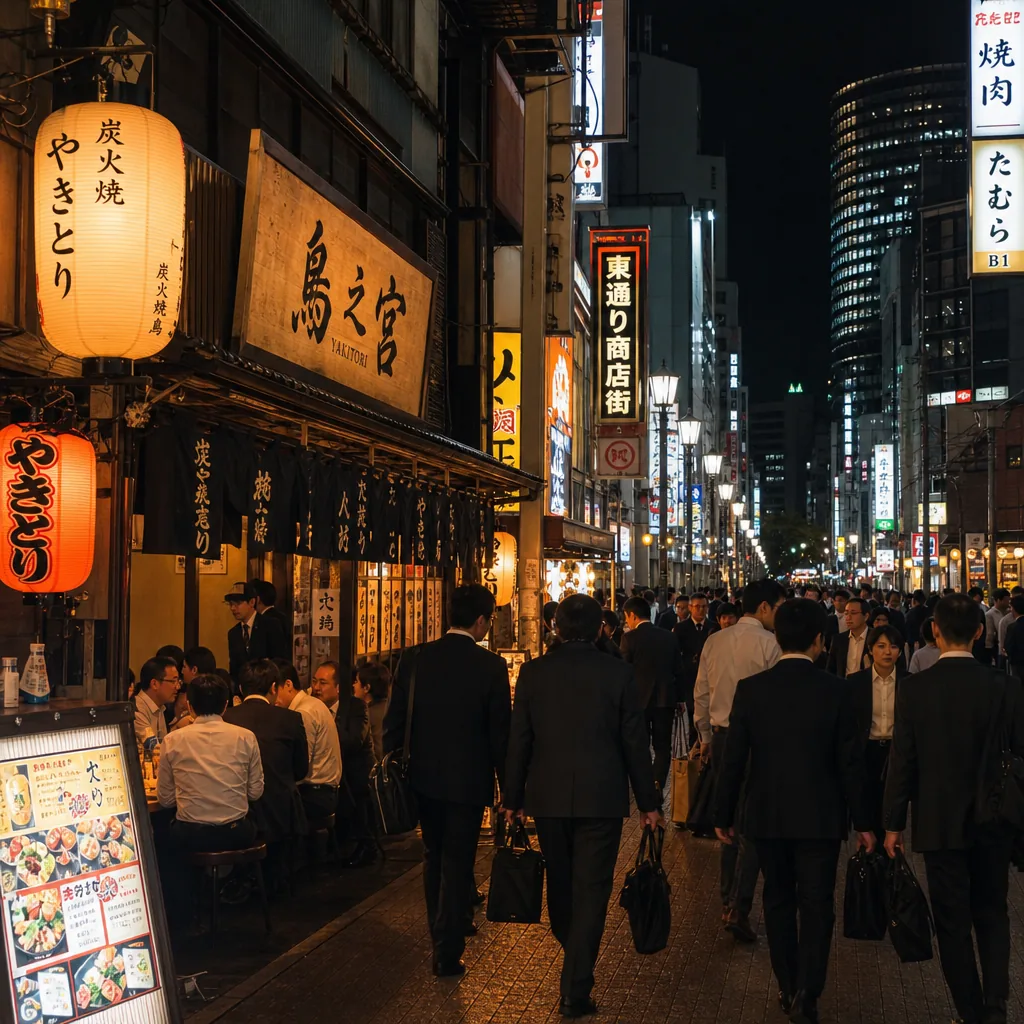
Where can I find english-friendly yakitori in Osaka after work?
Find English-friendly yakitori in Osaka after work by targeting Umeda, Namba, and Honmachi, plus booking sites and multilingual menus.
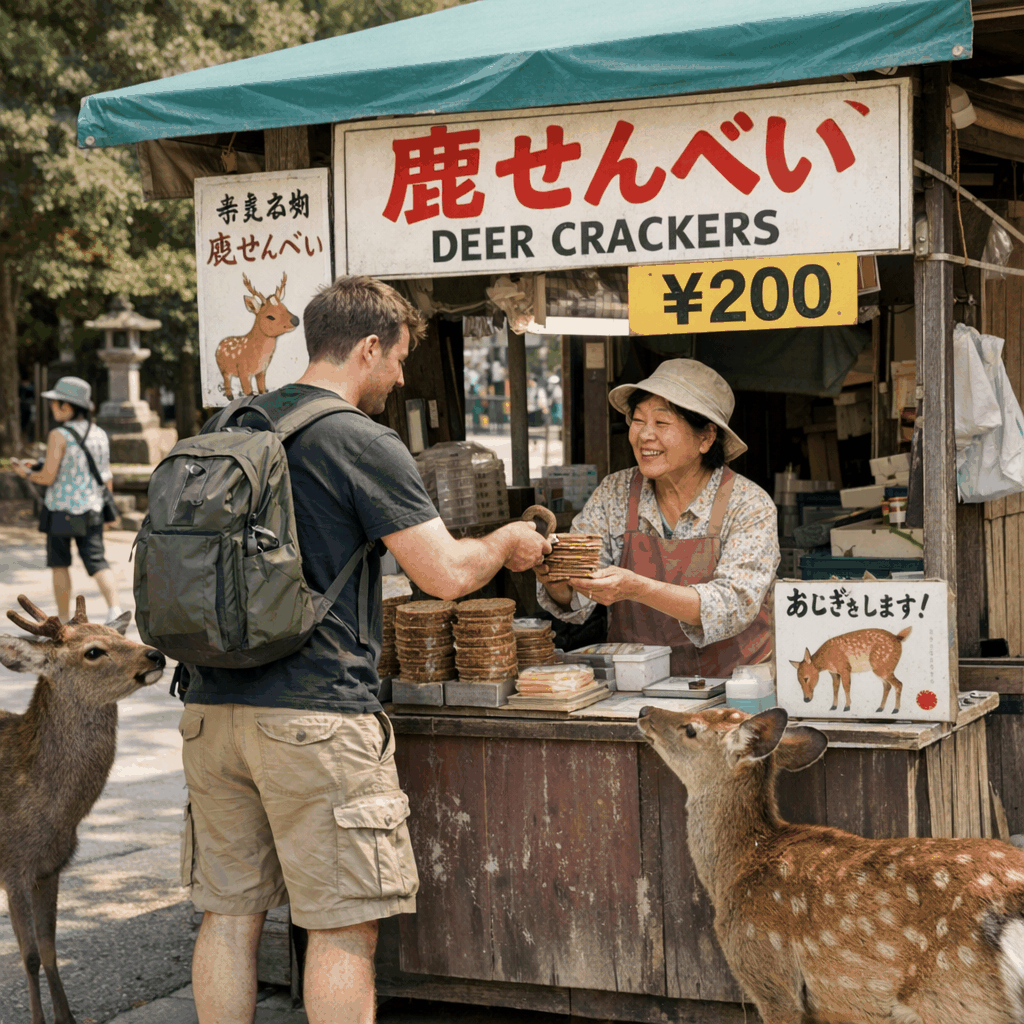
Yes — you may feed the free-roaming sika deer in Nara Park, but only with the shika senbei (deer crackers) sold by vendors around the park and near the major temples; do not give human food and obey posted rules and staff directions [1][2]. Deer often approach visitors for crackers and can nip or butt, so keep fingers flat, watch children closely, and seek park staff or medical help if an injury occurs [1][3].
Nara Park is home to several hundred wild sika deer that roam the park area around Todai-ji, Kasuga Taisha and Kōfuku-ji, and have long been regarded as a cultural feature of the city [1]. Feeding deer with shika senbei has become the customary way visitors interact with them: the crackers are sold by street vendors and small shops around the park so people can buy them on-site and offer them safely [1][2]. Both official tourism information and travel guides describe the deer as habituated to people but still wild animals, which calls for careful, rule-based interaction [1][3].
The main, repeatable rules from local tourism authorities and guides are straightforward: only feed deer the shika senbei sold around Nara Park; follow posted signs and staff instructions; do not feed other human food or snacks; and keep the park clean by disposing of packaging properly [1][2][3]. Visit Nara and Japan Guide emphasize that these rules protect deer health and visitor safety, and they apply across the main park area including the approaches to Todai-ji and Kasuga Taisha [1][2].
Shika senbei are sold at vendor stalls and small shops around the main thoroughfares of Nara Park. You will commonly find sellers near the south gate area by Kintetsu Nara Station approaches, along the walk toward Todai-ji, and on the paths leading to Kasuga Taisha; official tourism maps and Japan Guide point out these concentrated vendor areas [1][2]. Prices vary by stall and pack size, so check the vendor signage at the time of purchase; Visit Nara and travel guides recommend buying on-site rather than bringing other foods from outside [2][3].
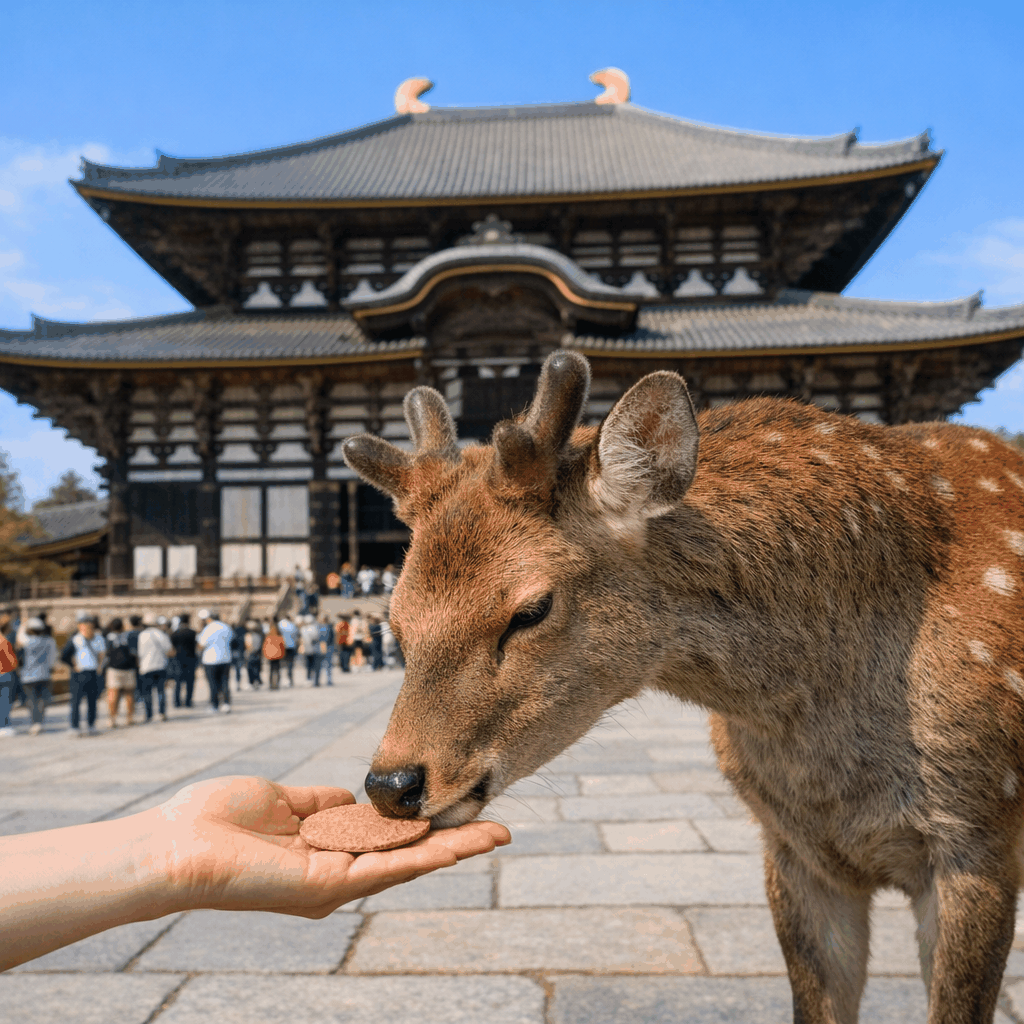
Use a flat-hand method: hold the cracker between an open, flat palm so the deer can take it without grabbing your fingers. Hold the cracker low and steady rather than high near your face — this reduces head-butting and sudden lunges [1][3]. Keep movements slow, speak quietly, and do not tease or run. Always supervise children closely; Lonely Planet and Japan Guide both warn that deer can be bold and that children are more likely to be nipped if they hold crackers improperly [1][3].
Do not feed the deer any human food (bread, cookies, meat, fruit, or other snacks) or unauthorized items. Non-approved food can cause digestive problems and health issues for sika deer, and litter from packaging pollutes the park and attracts pests [1][2]. If you see discarded wrappers or food, use park trash bins or ask staff where to dispose of waste properly — keeping the park clean is part of responsible feeding [2].
Follow posted signs at park entrances, around the main temples, and along the paths; signs specify feeding rules and may be in English and Japanese at major points such as Todai-ji and Kasuga Taisha [1][2]. If park staff or volunteer guides ask you to change behavior — for example, to stop feeding in a crowded spot — comply immediately. Both Visit Nara and Japan Guide recommend treating the deer as wild animals and respecting shrine precincts and temple zones while feeding or photographing [1][2].
If a deer displays aggressive behavior (charging, biting, or persistent head-butting), move slowly away to a safe distance and seek assistance from nearby park staff, security personnel, or tourism information centers such as the Nara Visitor Center [2][3]. For any bite or serious scrape, wash the wound, seek medical attention as recommended by local health services, and report the incident to park authorities so they can monitor animal behavior and warn other visitors [3].
Following these practical, source-backed rules will let you enjoy the famous deer of Nara Park while protecting both visitors and wildlife. The guidance from Japan Guide, Visit Nara, and Lonely Planet provides consistent advice: use on-site crackers, practice safe feeding technique, obey signage, and get help if needed [1][2][3].
CallButler is a multilingual concierge service that handles research, coordination, and bookings so you do not have to navigate language barriers or unfamiliar systems alone. If you need help related to What are the feeding rules at Nara Deer Park in Nara? or the tasks around it, our team can step in to manage the details and keep things moving smoothly.
Find English-friendly yakitori in Osaka after work by targeting Umeda, Namba, and Honmachi, plus booking sites and multilingual menus.
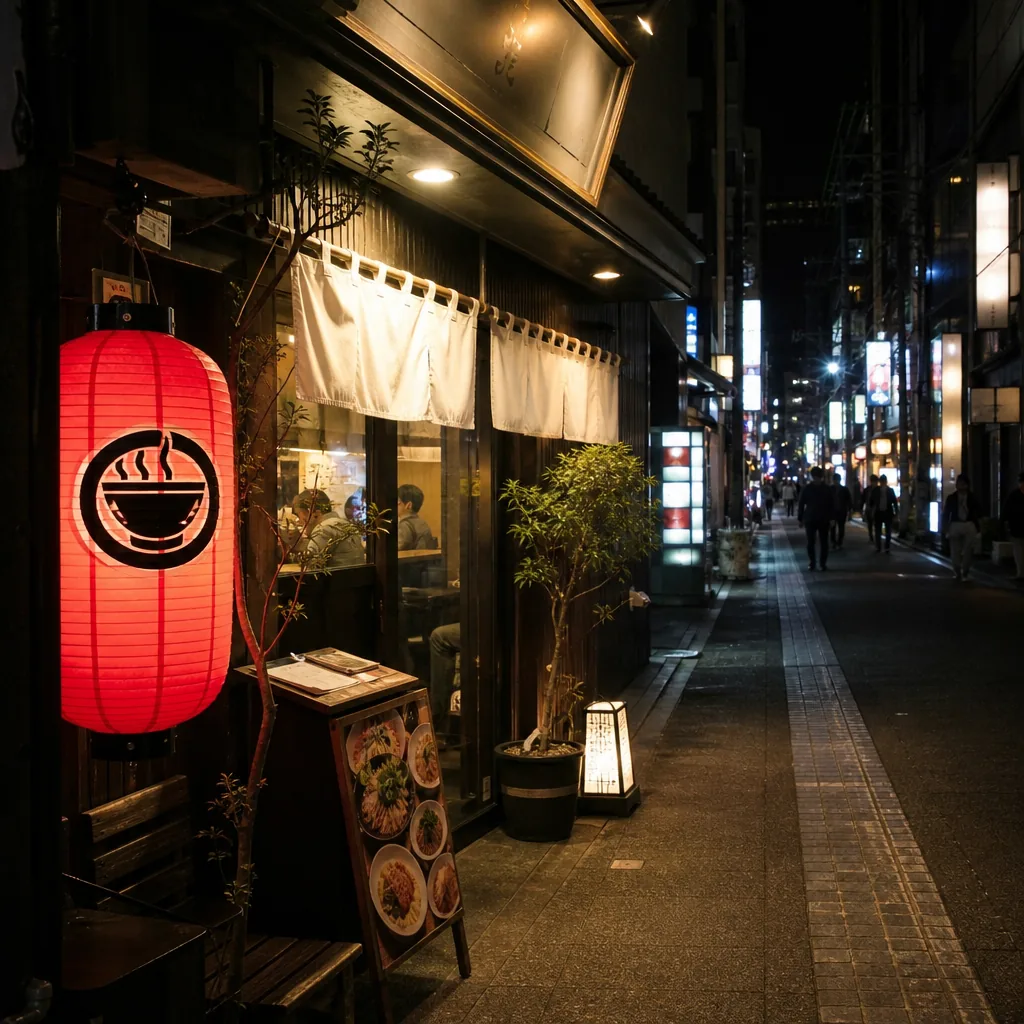
Looking for halal ramen in Kyoto after 10 p.m.? Here’s where to check, which areas are most practical, and how to verify hours and halal status.
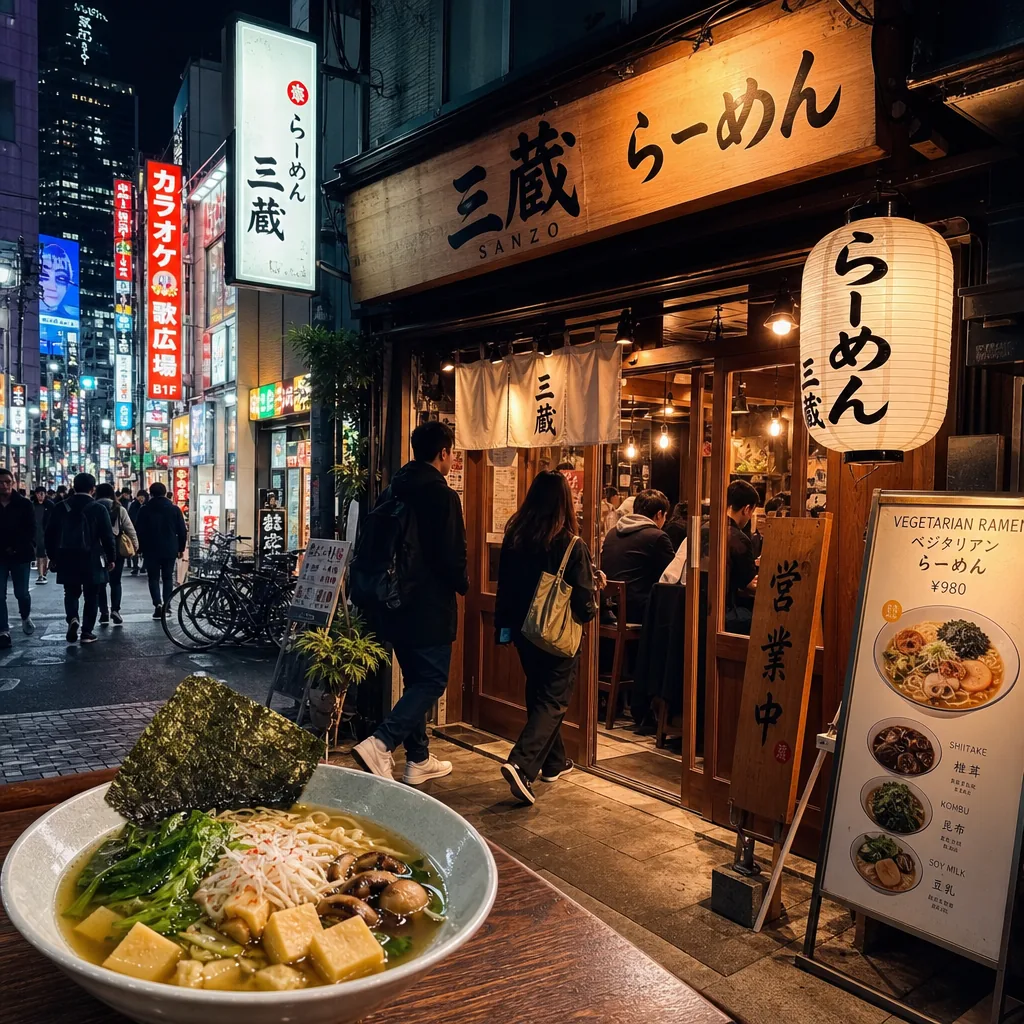
Find late-night vegetarian ramen in Tokyo by focusing on Shibuya, Shinjuku, and Roppongi, then verify broth, hours, and vegan menu details.