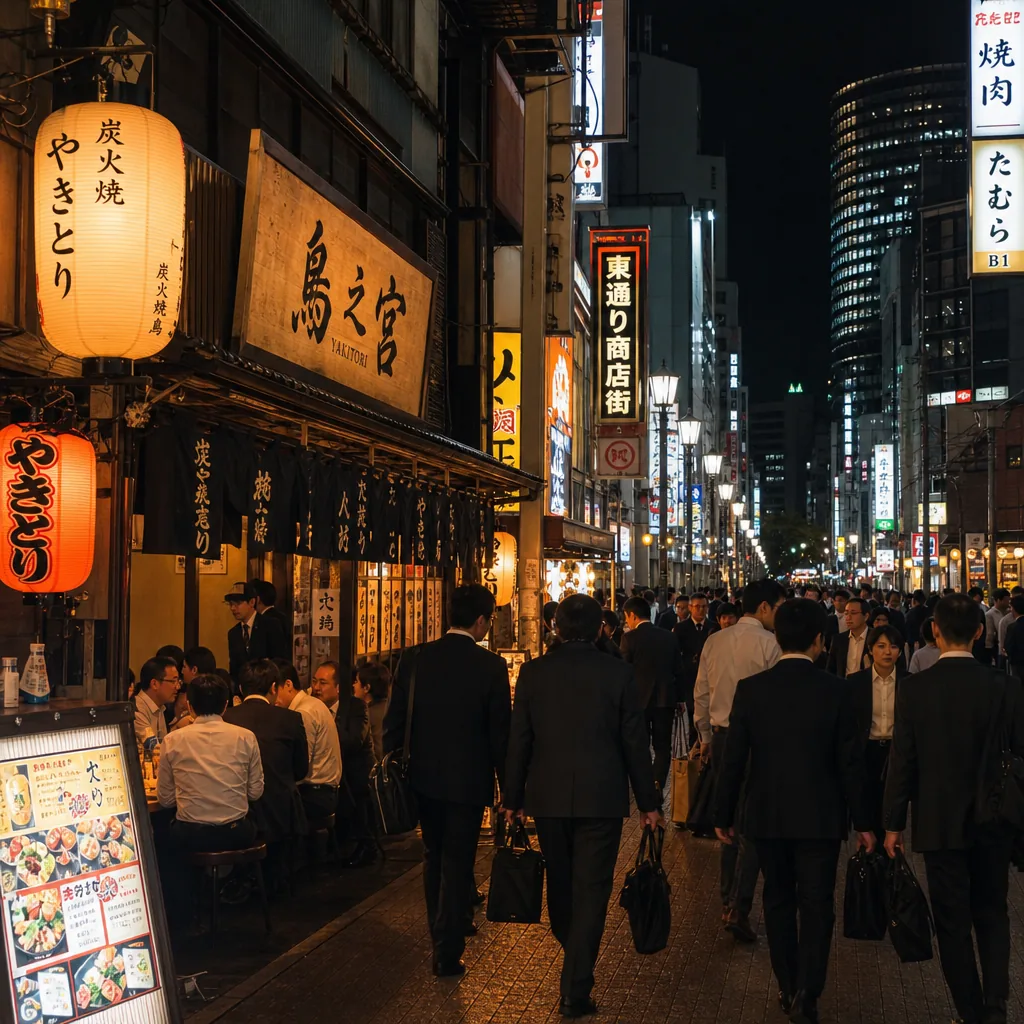
Where can I find english-friendly yakitori in Osaka after work?
Find English-friendly yakitori in Osaka after work by targeting Umeda, Namba, and Honmachi, plus booking sites and multilingual menus.
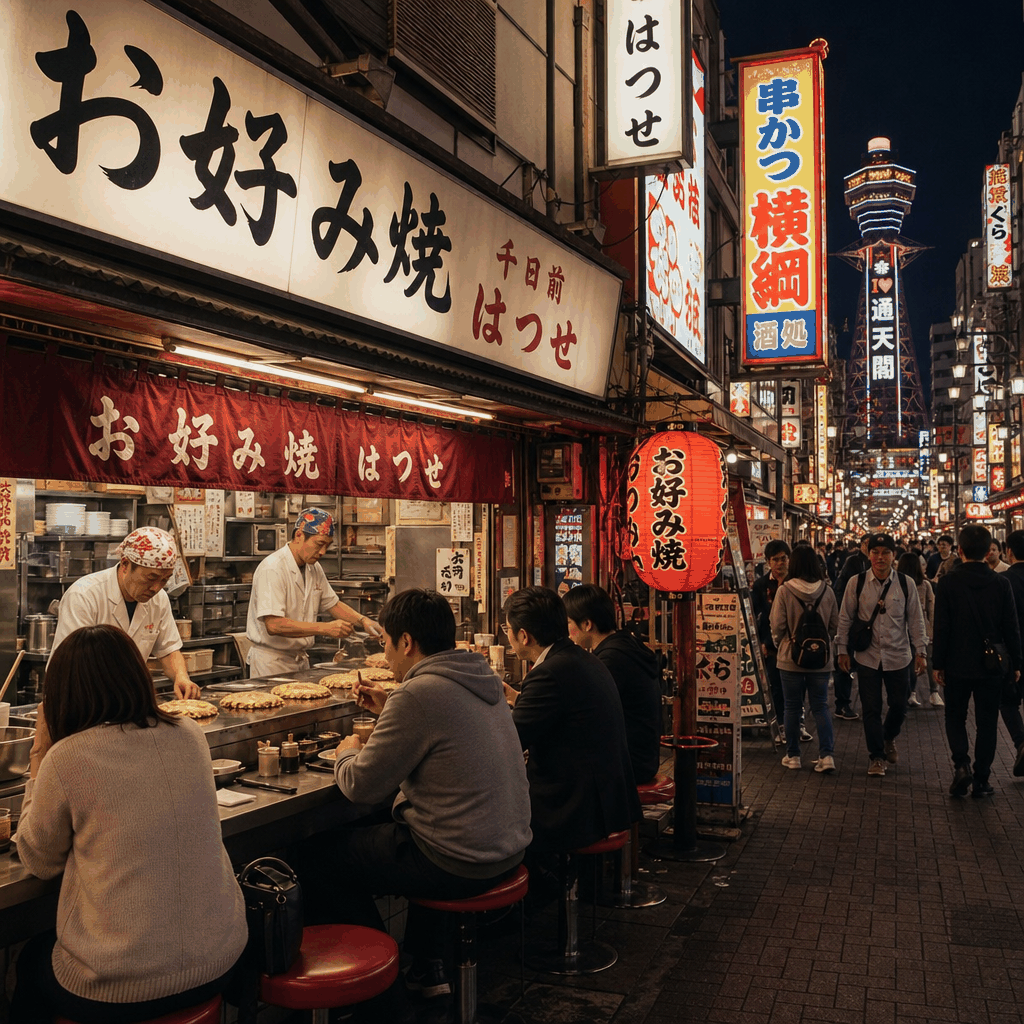
Yes—Osaka is one of the best places in Japan to eat authentic okonomiyaki, especially if you focus on neighborhoods with dense local dining and long-running teppan shops. For the strongest experience, look in areas that Osaka’s tourism resources repeatedly highlight for food, such as Dotonbori, Namba, Umeda, Tennoji, and Shinsekai [1][2][4].
Osaka-style okonomiyaki is a savory griddle cake built from batter, cabbage, and toppings cooked on a teppan, usually right in front of you. Osaka’s official food guides frame the city as a major destination for this comfort food, and that matters because the style is closely tied to everyday local eating rather than only special-occasion dining [1][2].
When people ask where to find “authentic” okonomiyaki in Osaka, they usually mean shops that keep the format simple: a hot iron griddle, a short menu, and preparation that happens at the counter or table. Public tourism materials for Osaka consistently point visitors toward food districts rather than stand-alone landmark restaurants, which is a good clue that neighborhood density matters as much as fame [1][2][4].
Start with Dotonbori if you want the easiest first stop. Osaka’s tourism sites identify it as one of the city’s most famous dining areas, and it is useful for visitors who want to compare several shops in a short walk [1][2]. The tradeoff is that Dotonbori can be busy and tourist-heavy, so it works best as a place to sample rather than as the only neighborhood on your list.
Namba is another strong choice because it sits near major transit and has the kind of everyday restaurant mix that often supports good okonomiyaki shops [2][4]. If you are planning a food-focused evening, Namba is practical because you can combine dinner with a nearby stroll and still stay close to train connections.
Umeda deserves a separate stop if you want a different side of Osaka’s food culture. The area is known for more than department stores: Hankyu Hanshin Department Stores’ English guidance on Umeda mentions negiyaki, a local specialty closely related to okonomiyaki and associated with the area’s eating scene [3]. That makes Umeda useful if you want to compare classic Osaka-style griddle dishes in one trip.
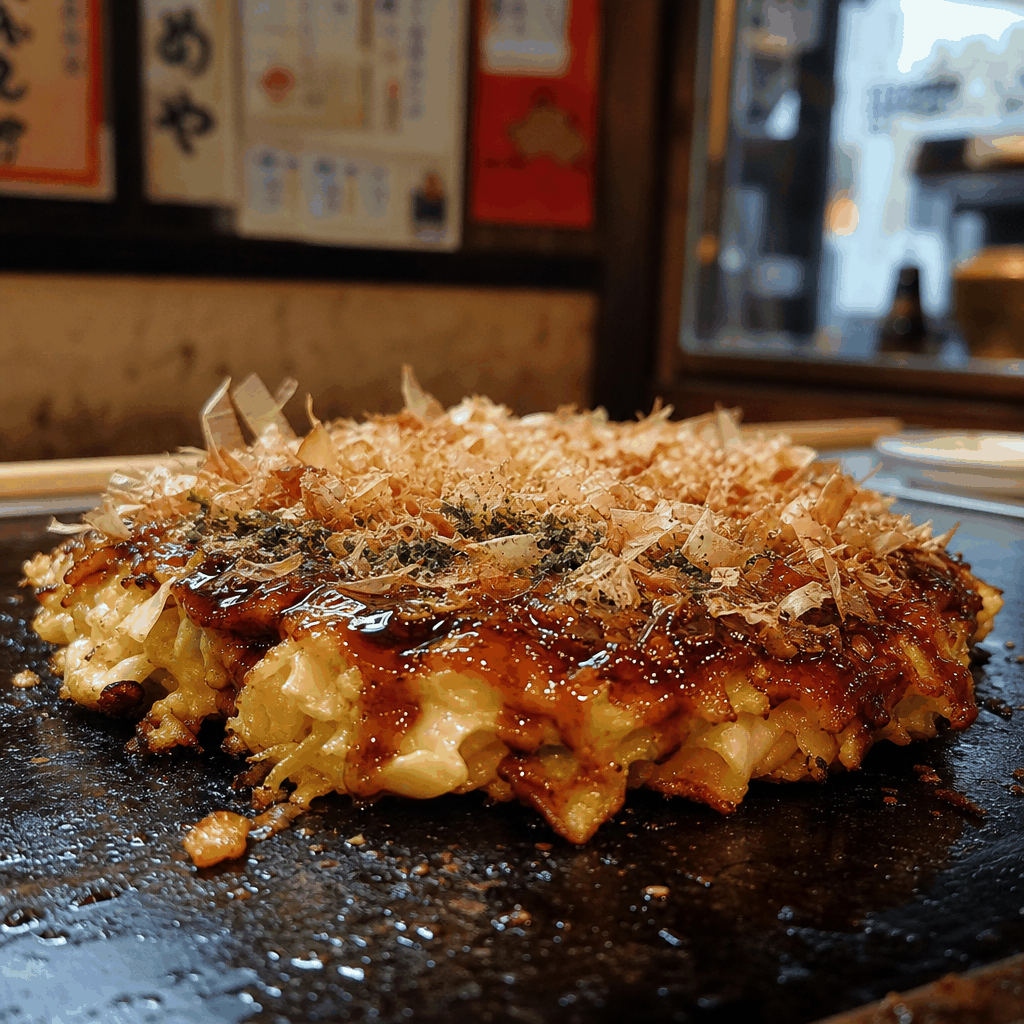
Tennoji is a smart option for travelers who want a mix of sightseeing and local dining without staying in the most crowded core of the city. Osaka tourism materials include Tennoji among the city’s practical food areas, so it is worth checking around the station and nearby shopping streets for older, casual restaurants [2][4].
Shinsekai is especially appealing if you want a neighborhood with a strong local identity. Osaka’s official Shinsekai area guide presents it as a district with a distinctive old-school atmosphere and food culture, which makes it a useful place to search for simple, traditional-style okonomiyaki shops [5]. The area is compact, so it is easy to compare a few places without much planning.
The best signs are practical, not flashy. Look for restaurants where the griddle is visible, the staff cook in front of customers, and the menu is short enough that the shop clearly focuses on a few specialties [1][2].
A good rule in Osaka is that local regulars matter. Shops in station-area dining streets and neighborhood shopping arcades often have more repeat customers than restaurants on the most obvious tourist corners, and that usually translates into steadier quality. Osaka’s tourism pages repeatedly emphasize food districts and area guides rather than single “must-book” icons, which supports this approach [1][2][4][5].
If you want to go beyond standard okonomiyaki, try negiyaki in Umeda. This style uses lots of green onion and is highlighted by Hankyu Hanshin Department Stores as part of Umeda’s gourmet identity [3]. It is one of the clearest examples of how Osaka neighborhoods can have their own griddle-dish specialties.
You may also see shops offering different toppings, sauce combinations, and flour-to-cabbage ratios. Rather than looking for a single “correct” recipe, focus on whether the shop is consistent and whether it presents itself as part of the local dining scene. Osaka’s city tourism materials frame food as a major reason to explore the city area by area, which is why neighborhood context is so important [1][2][4].
If you only have one evening, choose one neighborhood and do not try to cover the whole city. A practical route is to start in Dotonbori or Namba for easy comparison, then visit Umeda or Shinsekai on another day if you want a different atmosphere [2][4][5].
Lunch is often a good time to go because many neighborhood restaurants are less rushed than at peak dinner hours. If you are using public transit, Osaka’s major food districts are all well connected, which makes it easy to build a short food itinerary around train stations rather than relying on taxis [1][2][4].
In the end, authentic okonomiyaki in Osaka is less about chasing a single famous restaurant and more about choosing the right neighborhood. If you explore the city through its food districts—especially Dotonbori, Namba, Umeda, Tennoji, and Shinsekai—you are much more likely to find the kind of teppan-cooked, locally loved shop that makes Osaka’s food scene memorable [1][2][4][5].
CallButler is a multilingual concierge service that handles research, coordination, and bookings so you do not have to navigate language barriers or unfamiliar systems alone. If you need help related to Where to try authentic okonomiyaki in Osaka neighborhoods? or the tasks around it, our team can step in to manage the details and keep things moving smoothly.
Find English-friendly yakitori in Osaka after work by targeting Umeda, Namba, and Honmachi, plus booking sites and multilingual menus.
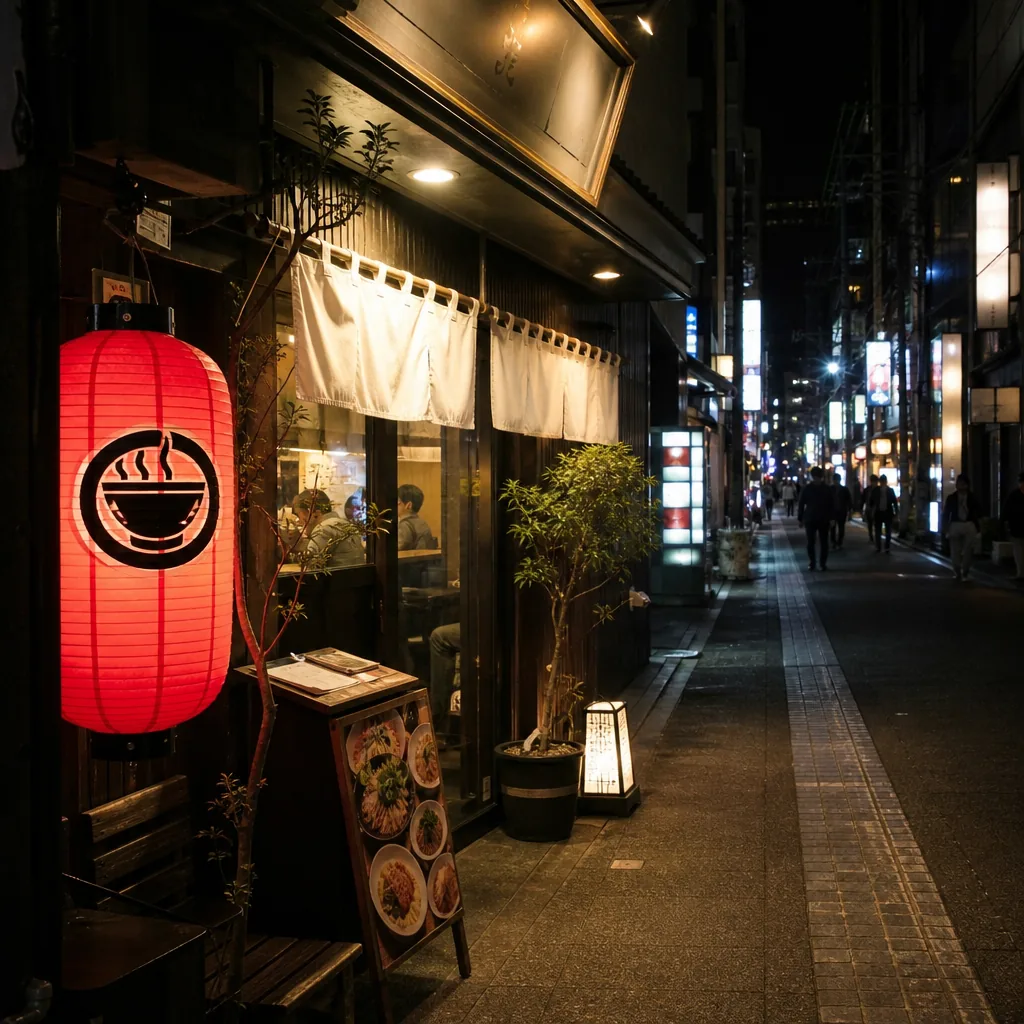
Looking for halal ramen in Kyoto after 10 p.m.? Here’s where to check, which areas are most practical, and how to verify hours and halal status.
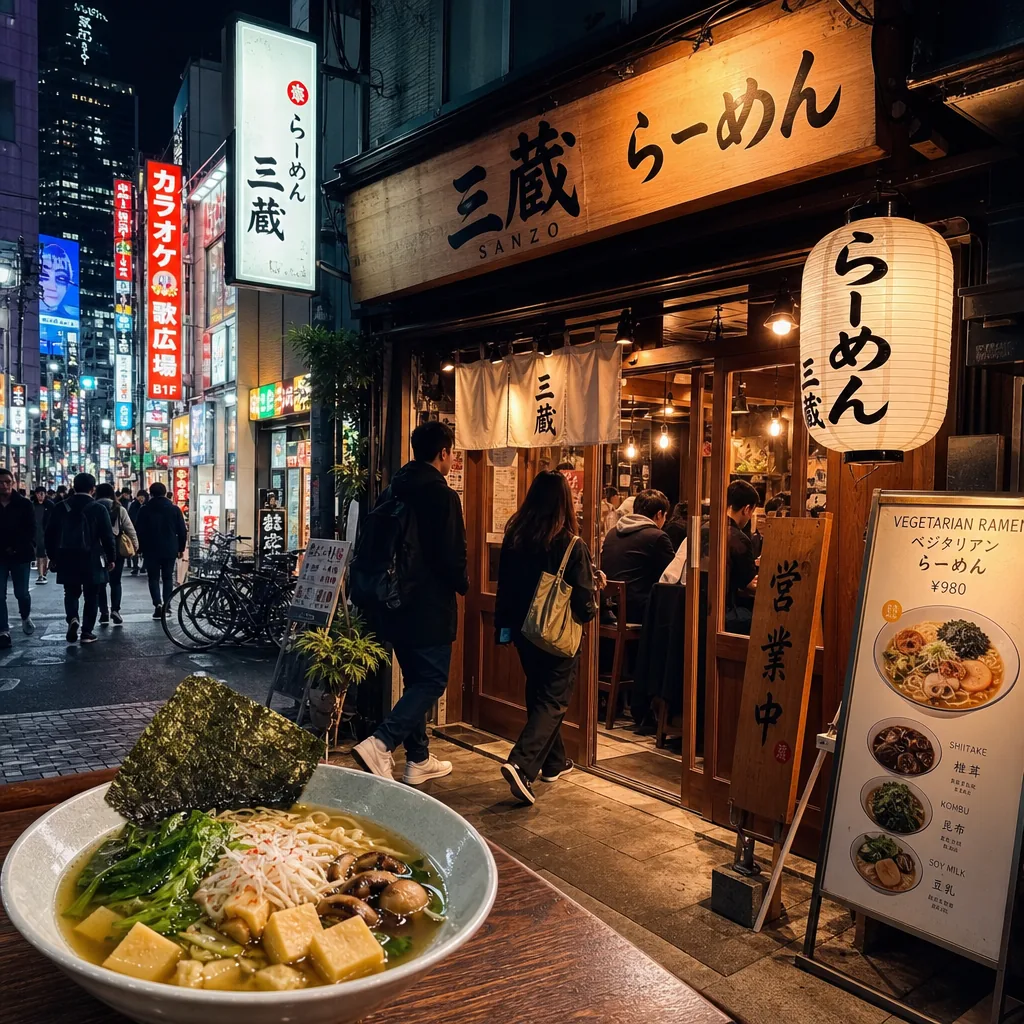
Find late-night vegetarian ramen in Tokyo by focusing on Shibuya, Shinjuku, and Roppongi, then verify broth, hours, and vegan menu details.