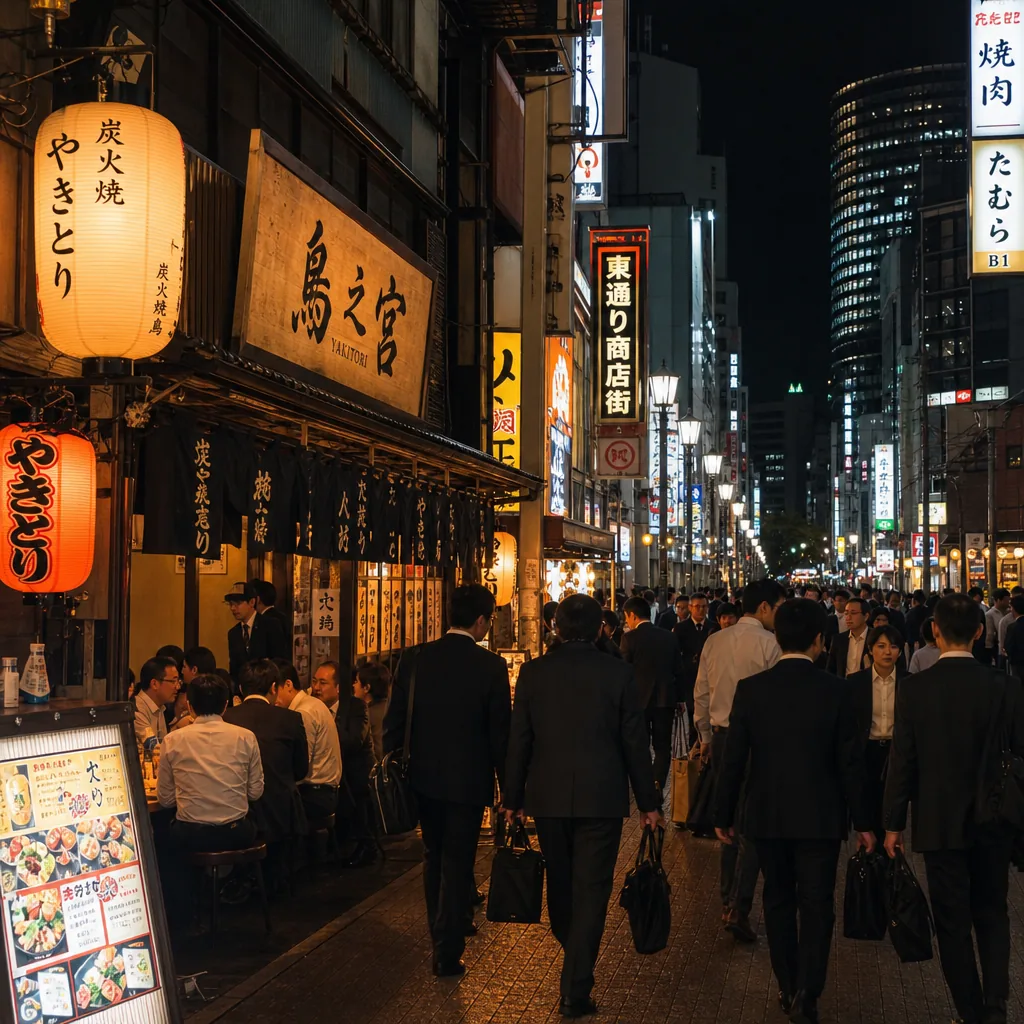
Where can I find english-friendly yakitori in Osaka after work?
Find English-friendly yakitori in Osaka after work by targeting Umeda, Namba, and Honmachi, plus booking sites and multilingual menus.
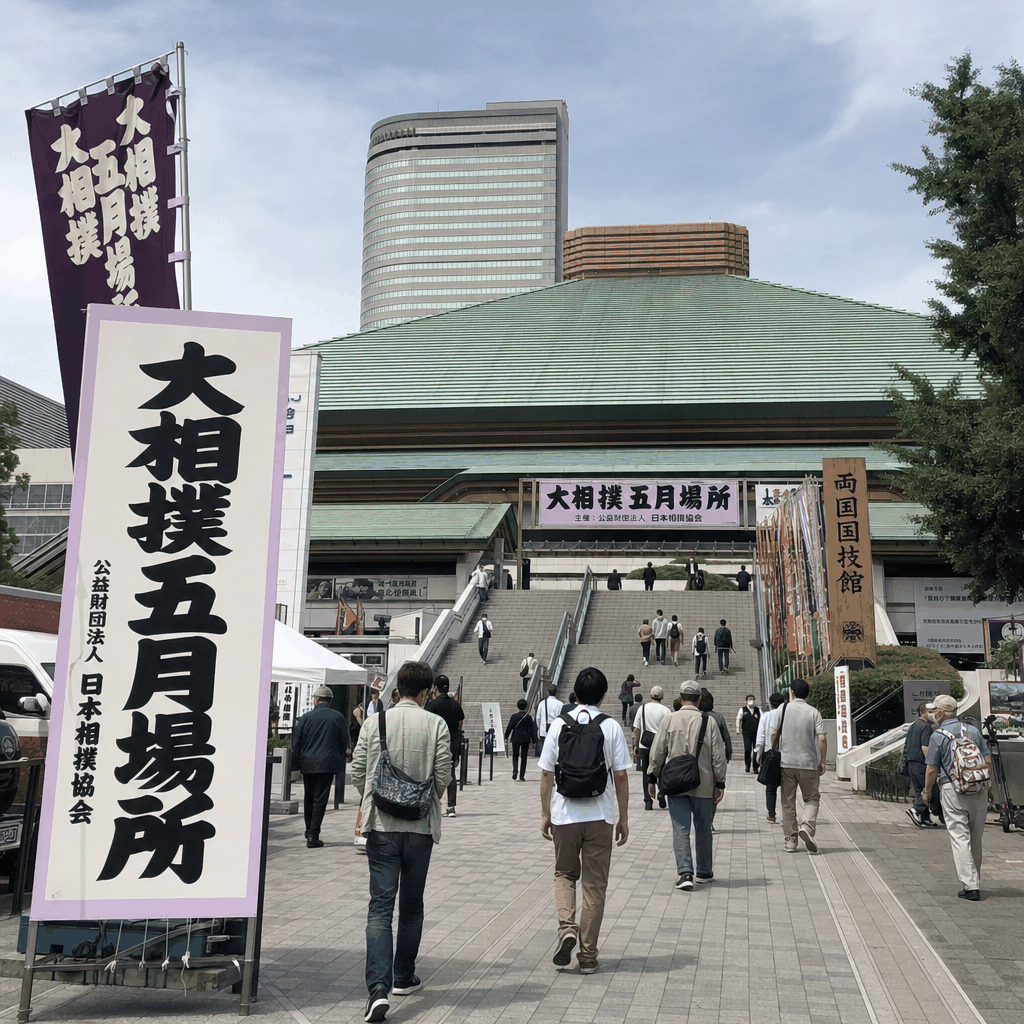
If you want sumo tickets in Tokyo, the safest answer is to buy them through the Japan Sumo Association’s official ticket system as soon as sales open. Tokyo hosts the January, May, and September grand tournaments at Ryogoku Kokugikan, and popular days can sell out quickly, especially weekends and opening or closing sessions [1][2][3].
Tokyo is one of the key sumo cities in Japan because it hosts three of the six annual honbasho, or grand tournaments: January, May, and September [1][5]. All three are held at Ryogoku Kokugikan in the Ryogoku area of Sumida City, which makes it the most practical venue for first-time visitors [2][3].
The Japan Sumo Association publishes the tournament schedule in advance, so you should check the exact dates before planning travel [5]. If your trip is flexible, aim for the first few days after sales open rather than waiting until the week of the event, because inventory can become limited fast [1][3].
For Tokyo tournaments, there are three main routes: the Japan Sumo Association’s official ticket system, authorized ticket outlets, and major Japanese ticketing or convenience-store channels when they are part of the sale period [1][3][4]. The official route is usually the best choice because it is the source of the tickets and the clearest option for checking seat types and availability [1].
Visitors should not assume same-day tickets will be easy to find. Limited same-day availability may exist for some tournaments, but it is not guaranteed and can sell out quickly [3][4].
The Japan Sumo Association is the official organizer of grand sumo tournaments, and its English ticket pages explain the tournament sales structure [1]. Start by checking the tournament schedule, then look for the sale opening date for the specific Tokyo basho you want [1][5].
Because the Tokyo tournaments are concentrated at one venue, demand is especially strong around Ryogoku Kokugikan. If you are visiting as a tourist, booking early is more important than chasing a last-minute deal [2][3].
Seat choice matters a lot in sumo because the viewing experience and price vary by location. The Tokyo venue offers different categories such as box seats, arena-level seats, and upper-tier seats, each with different comfort and view trade-offs [2][3].
For many first-time visitors, the key question is not just “Can I get in?” but “Which seat gives me a good experience for the price?” Box seats are the classic sumo option, while higher seats are usually easier to find and may be simpler for solo travelers or smaller budgets [2][3].
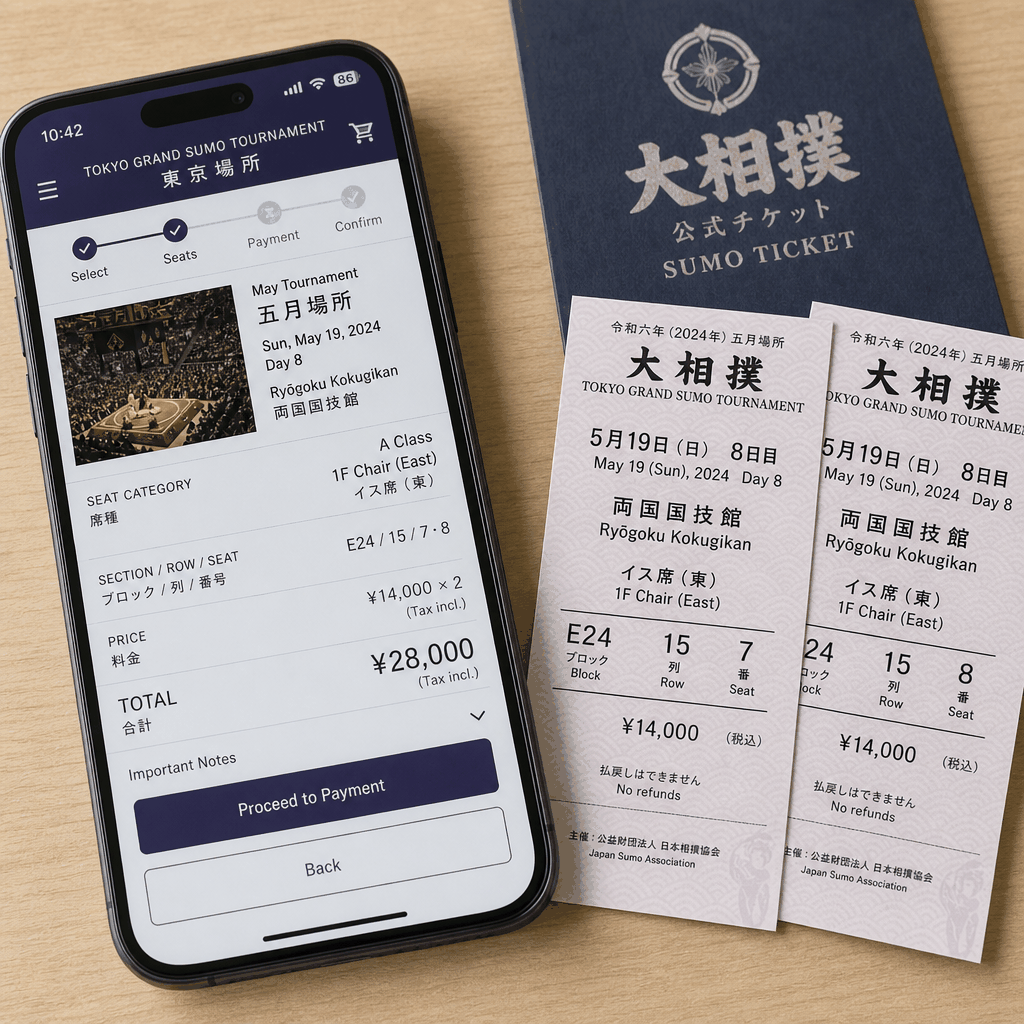
Tokyo sumo tickets are easiest to understand when you treat them like event tickets with a fixed on-sale window. The official sources emphasize that availability can be limited, so advanced planning is the norm, not the exception [1][3][4].
There are a few practical points to keep in mind:
Ryogoku Kokugikan is also home to the Sumo Museum and sits in Tokyo’s sumo district, so it is easy to combine a tournament visit with nearby sightseeing if you are already in the area [2].
The simplest strategy is to set a reminder for the exact ticket release date, then book immediately when the sale starts. That approach aligns with the Japan Sumo Association’s official ticket structure and with tourism guidance that recommends early purchase because demand can be strong [1][3][4].
If you are visiting Tokyo specifically for sumo, Ryogoku Kokugikan is the venue to focus on. Buy early, verify the tournament dates, and choose the seat type that best matches your budget and comfort level [1][2][5]. That combination gives visitors the best chance of getting into a live honbasho without last-minute stress.
CallButler is a multilingual concierge service that handles research, coordination, and bookings so you do not have to navigate language barriers or unfamiliar systems alone. If you need help related to How can visitors buy sumo tickets in Tokyo during tournament season? or the tasks around it, our team can step in to manage the details and keep things moving smoothly.
Find English-friendly yakitori in Osaka after work by targeting Umeda, Namba, and Honmachi, plus booking sites and multilingual menus.
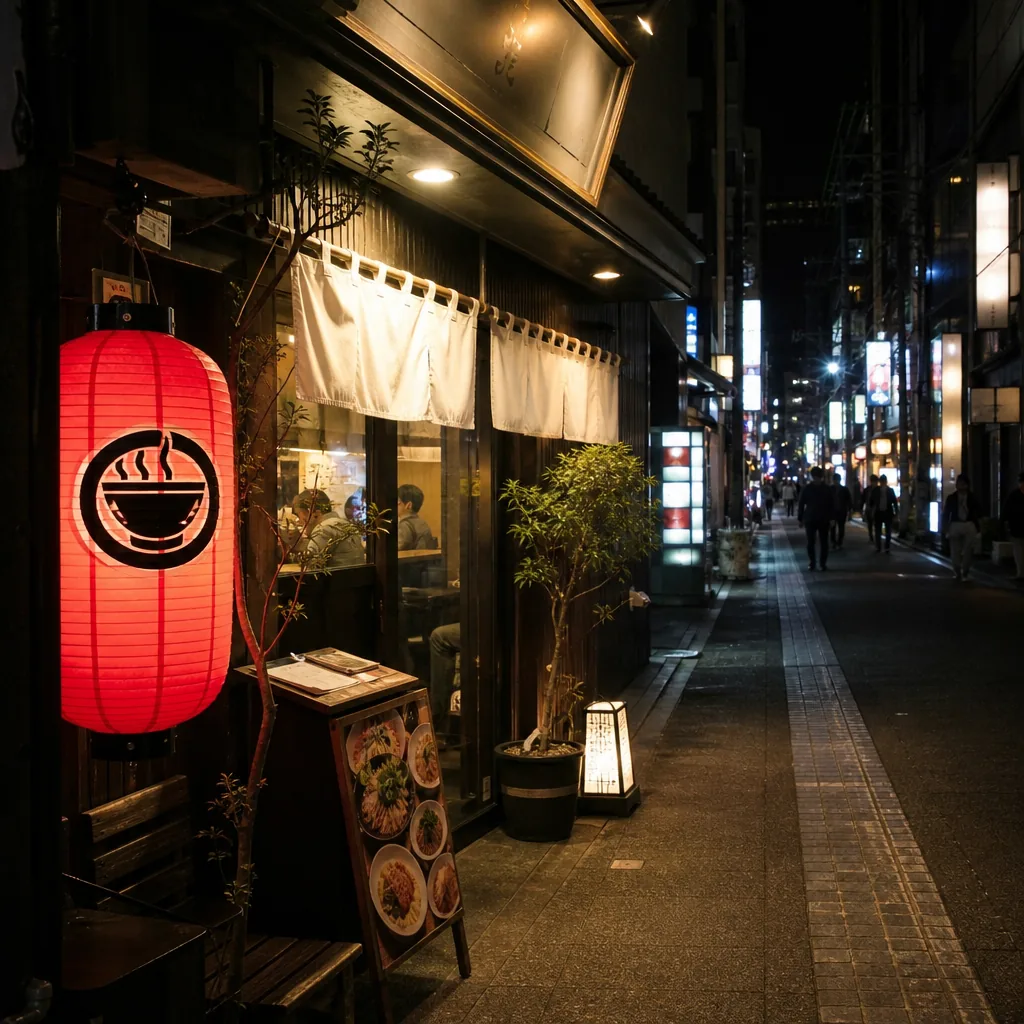
Looking for halal ramen in Kyoto after 10 p.m.? Here’s where to check, which areas are most practical, and how to verify hours and halal status.
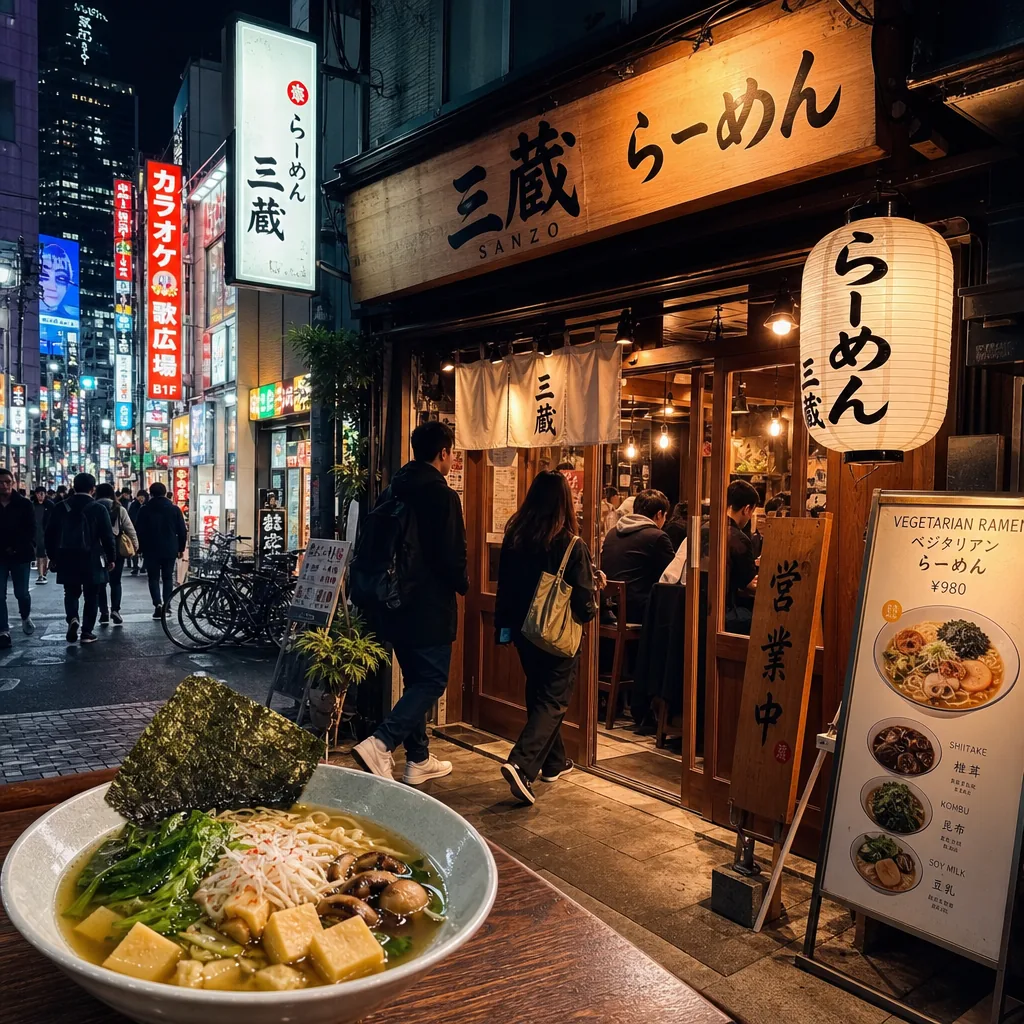
Find late-night vegetarian ramen in Tokyo by focusing on Shibuya, Shinjuku, and Roppongi, then verify broth, hours, and vegan menu details.