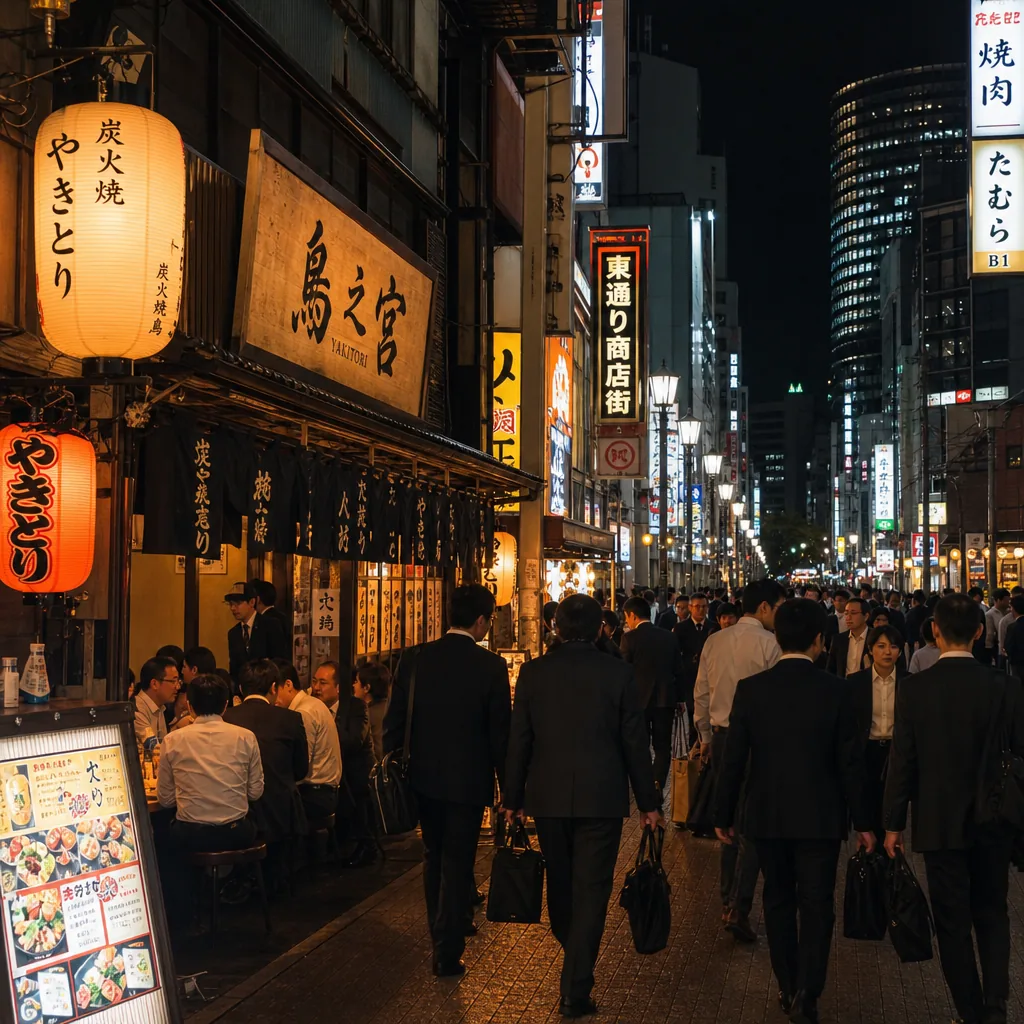
Where can I find english-friendly yakitori in Osaka after work?
Find English-friendly yakitori in Osaka after work by targeting Umeda, Namba, and Honmachi, plus booking sites and multilingual menus.
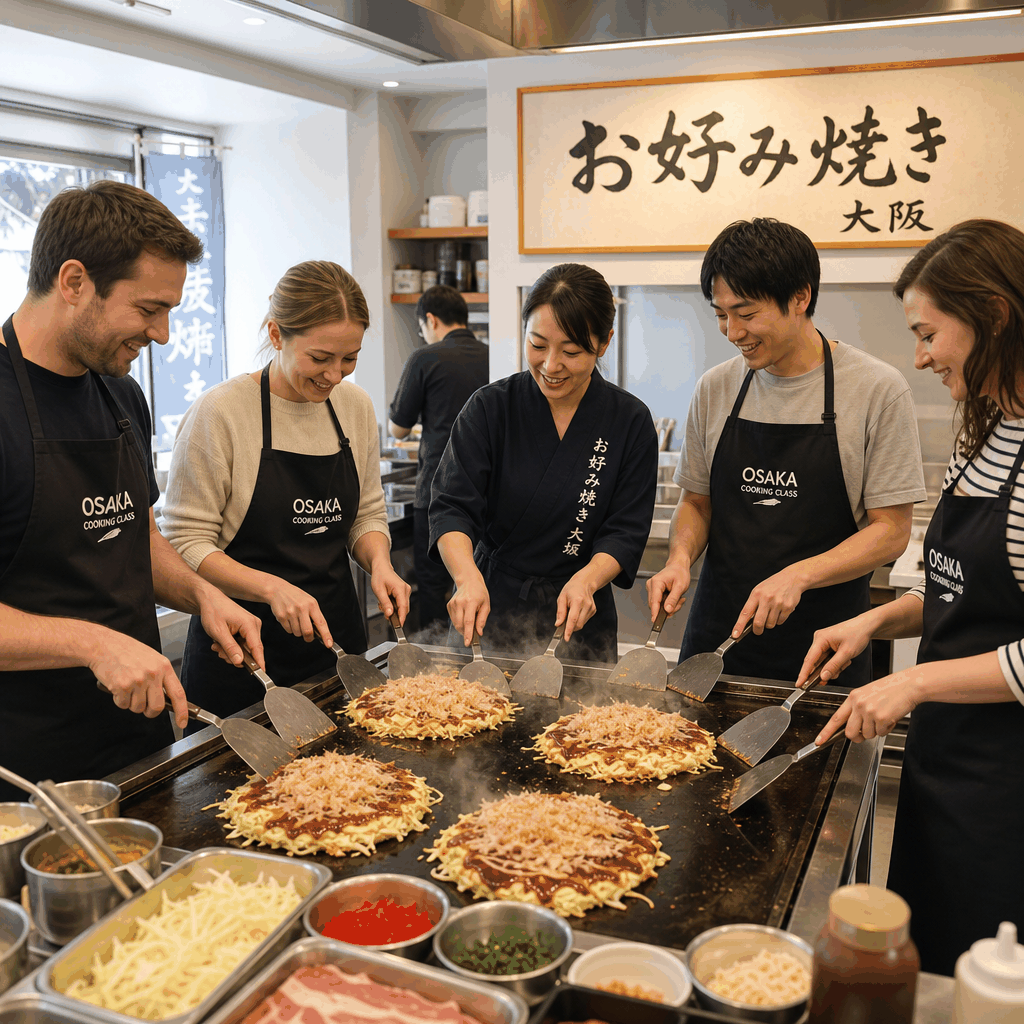
Yes—expats can book okonomiyaki or takoyaki classes in Osaka through official tourism resources, local cooking studios, and large experience platforms that list English-friendly lessons. Osaka is the best city for this because both dishes are deeply tied to its food identity, and many classes are set up for visitors who want to reserve online and join a small-group session [1][2][3].
Osaka is widely promoted as a food-focused destination, and the city’s official tourism site highlights local food experiences for visitors who want to go beyond restaurant eating and try hands-on cooking [1][4]. That matters for expats because okonomiyaki and takoyaki are not generic “Japanese cooking” classes here—they are part of Osaka’s everyday food culture, which makes lessons more authentic and easier to find than in many other cities [5].
For short-term visitors, the Japan National Tourism Organization also presents Osaka as a major sightseeing and food destination in the Kansai region, which helps explain why there are so many bookable experiences aimed at international travelers [5]. For residents, the same infrastructure is useful because many classes allow advance reservation online and list clear meeting-point instructions, languages supported, and lesson length [2][3].
The most practical places to start are the official Osaka tourism site, Cookly, and AirKitchen. OSAKA-INFO has a food-experiences page that points travelers toward local culinary activities in the city [1]. Cookly’s Osaka page aggregates cooking classes and lets users browse by location and language, which is useful if you want an English-friendly option without searching venue by venue [2]. AirKitchen also lists Osaka cooking classes and is designed around direct booking with local hosts [3].
These platforms are useful for different reasons:
If you live in Osaka and want a class near a familiar station or neighborhood, platform listings can be easier than calling individual studios in Japanese. If you are visiting, they also let you check availability before you build the rest of your itinerary around the class.
Start by checking whether the listing clearly says the lesson is in English or supports English-speaking guests. On major booking platforms, language information is usually shown near the class details, and that is important because many experiences are designed to welcome foreign travelers but still vary in how much English the host can use [2][3].
Then look at the class style. Some okonomiyaki classes focus on Osaka-style home cooking, which is ideal for first-timers because the steps are simple and hands-on rather than technically advanced. Takoyaki classes are often even more beginner-friendly because the main skill is learning how to pour, flip, and finish the batter in a takoyaki pan. In both cases, look for small-group or private lessons if you want more interaction and fewer language barriers [2][3].
A practical tip: if you want to improve your confidence in Osaka afterward, choose a class that includes a recipe sheet or take-home instructions. Many experience listings mention tasting and recipe handouts, which makes it easier to repeat the dish later in your own kitchen [2][3].
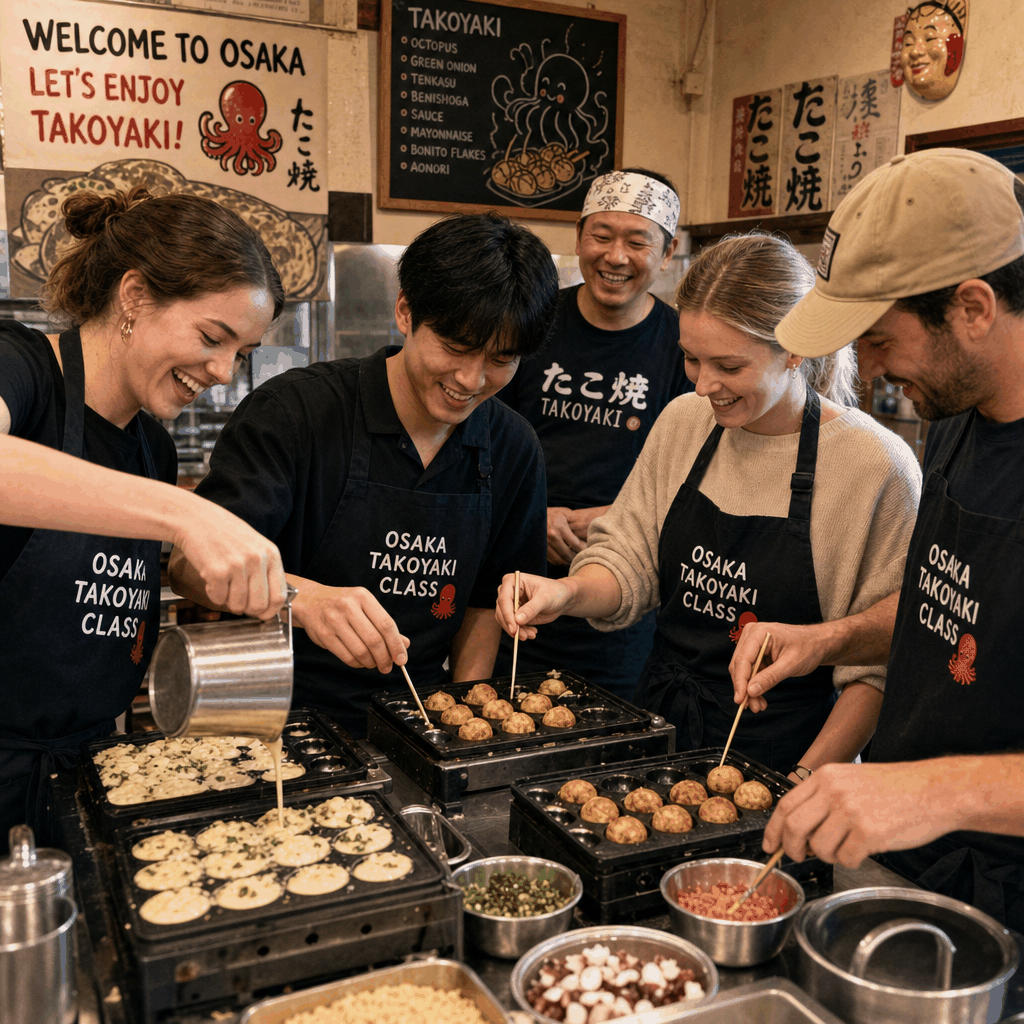
Before you reserve, confirm the details that most affect expats: language support, dietary restrictions, and the meeting point. The platform listing should say whether ingredients and tools are included, whether you need to bring anything, and whether the class is held at a studio, restaurant, or private home [2][3].
Use this checklist:
Booking early is wise for weekends, public holidays, and busy travel periods. Small classes can fill quickly, especially when they are limited to a few guests and offered in English [2][3].
On Osaka cooking-class platforms, lessons are often short and manageable for a day trip or an evening plan. Many sessions run around 1.5 to 3 hours, which is long enough to cook, eat, and ask questions without taking up your whole day [2][3].
Prices vary by host, group size, and whether the class is private, but the listings usually show the total cost before checkout. In practice, the price often reflects whether the class includes multiple dishes, a full meal, drinks, or a recipe handout. Because the platforms are online and reservation-based, you can compare several listings before choosing one that fits your budget and schedule [2][3].
Most classes are formatted in one of three ways:
If you are staying near major Osaka hubs like Namba or Umeda, compare listings by neighborhood so you do not end up crossing the city during rush hour just for a two-hour lesson. That is especially useful if you plan to pair the class with dinner or sightseeing later the same day.
If you are new to Osaka, think of these classes as both a food activity and a practical local experience. They are a good way to learn the difference between Kansai-style okonomiyaki and the takoyaki you see at festivals or casual eateries, and they can make ordering these dishes later feel less intimidating.
To get the most value from the class, book one that matches your reason for joining:
Osaka’s official tourism resources, plus platforms like Cookly and AirKitchen, make it straightforward to find and reserve a lesson without navigating a complicated booking process [1][2][3]. If you confirm language support, dietary needs, and the lesson format in advance, booking an okonomiyaki or takoyaki class in Osaka is one of the easiest food experiences an expat can arrange.
CallButler is a multilingual concierge service that handles research, coordination, and bookings so you do not have to navigate language barriers or unfamiliar systems alone. If you need help related to How can expats book an okonomiyaki or takoyaki class in Osaka? or the tasks around it, our team can step in to manage the details and keep things moving smoothly.
Find English-friendly yakitori in Osaka after work by targeting Umeda, Namba, and Honmachi, plus booking sites and multilingual menus.
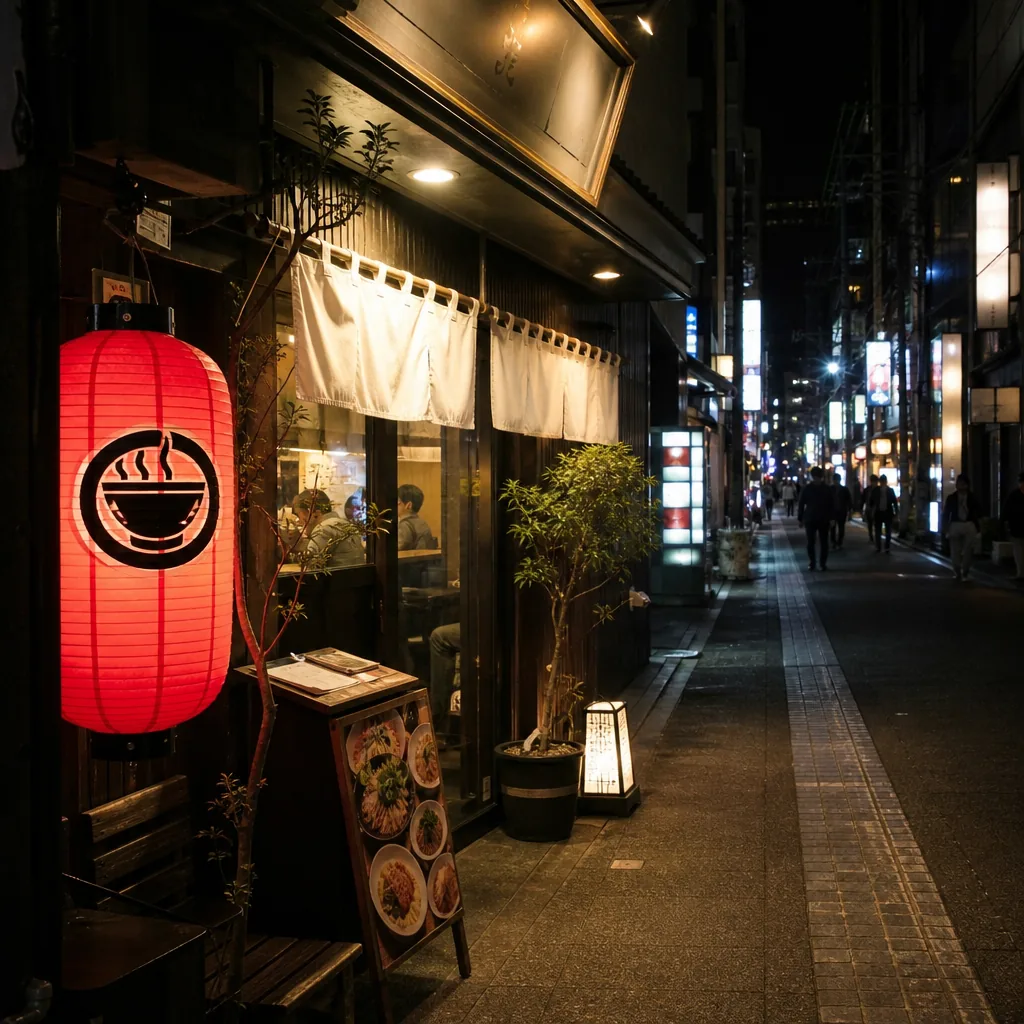
Looking for halal ramen in Kyoto after 10 p.m.? Here’s where to check, which areas are most practical, and how to verify hours and halal status.
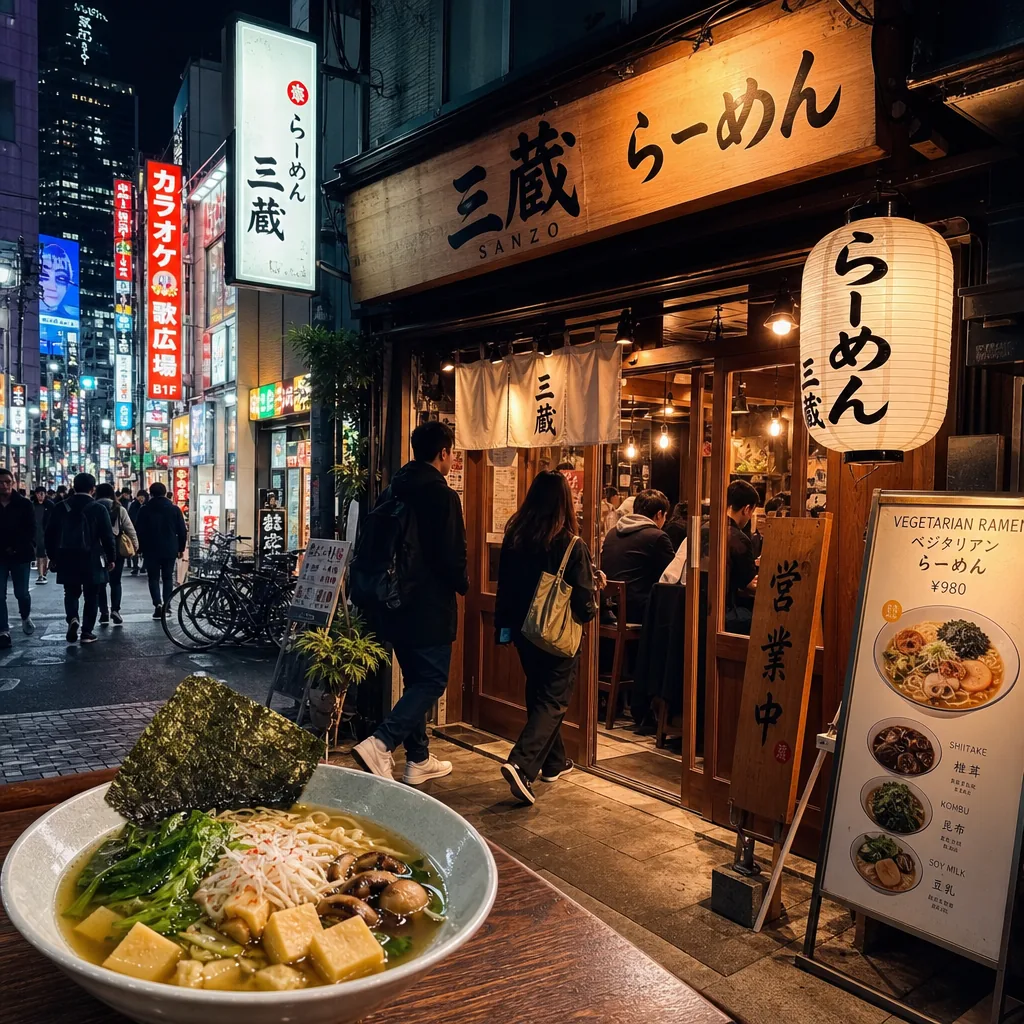
Find late-night vegetarian ramen in Tokyo by focusing on Shibuya, Shinjuku, and Roppongi, then verify broth, hours, and vegan menu details.