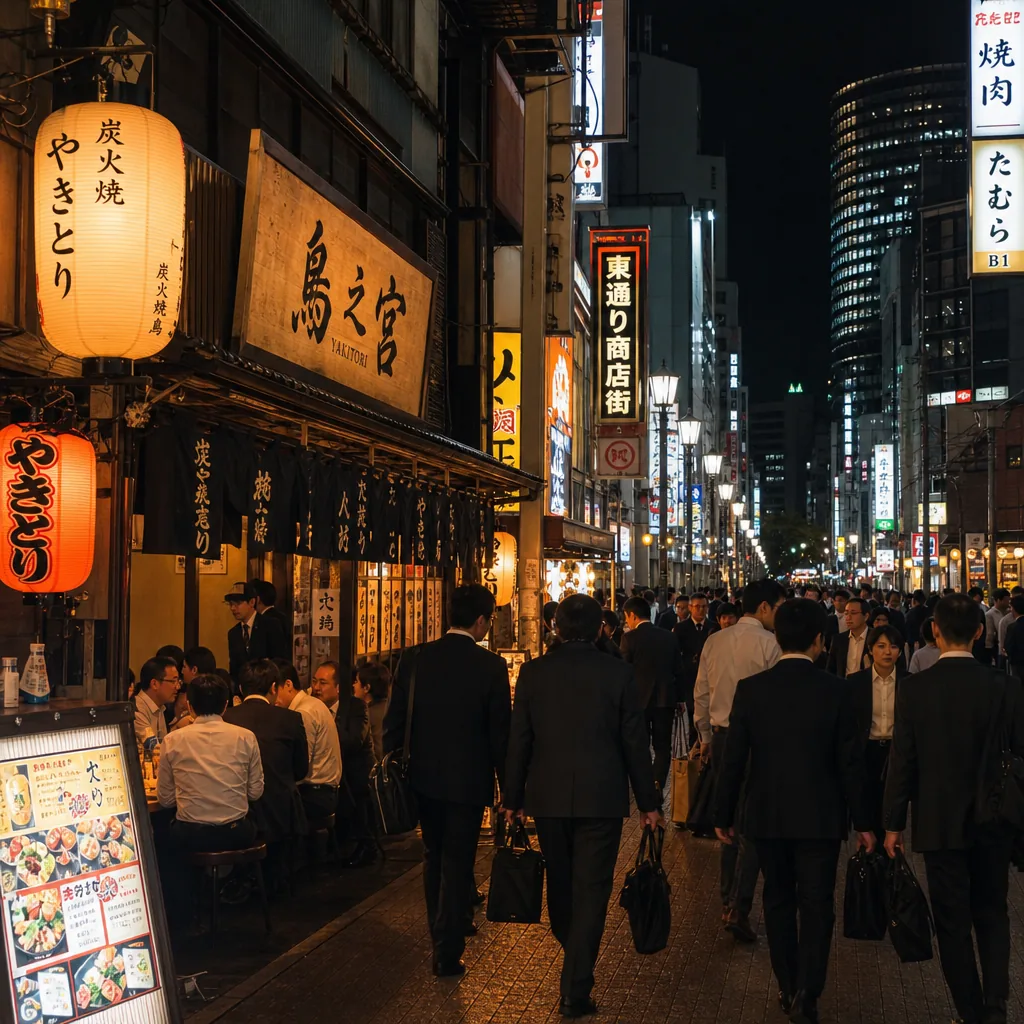
Where can I find english-friendly yakitori in Osaka after work?
Find English-friendly yakitori in Osaka after work by targeting Umeda, Namba, and Honmachi, plus booking sites and multilingual menus.
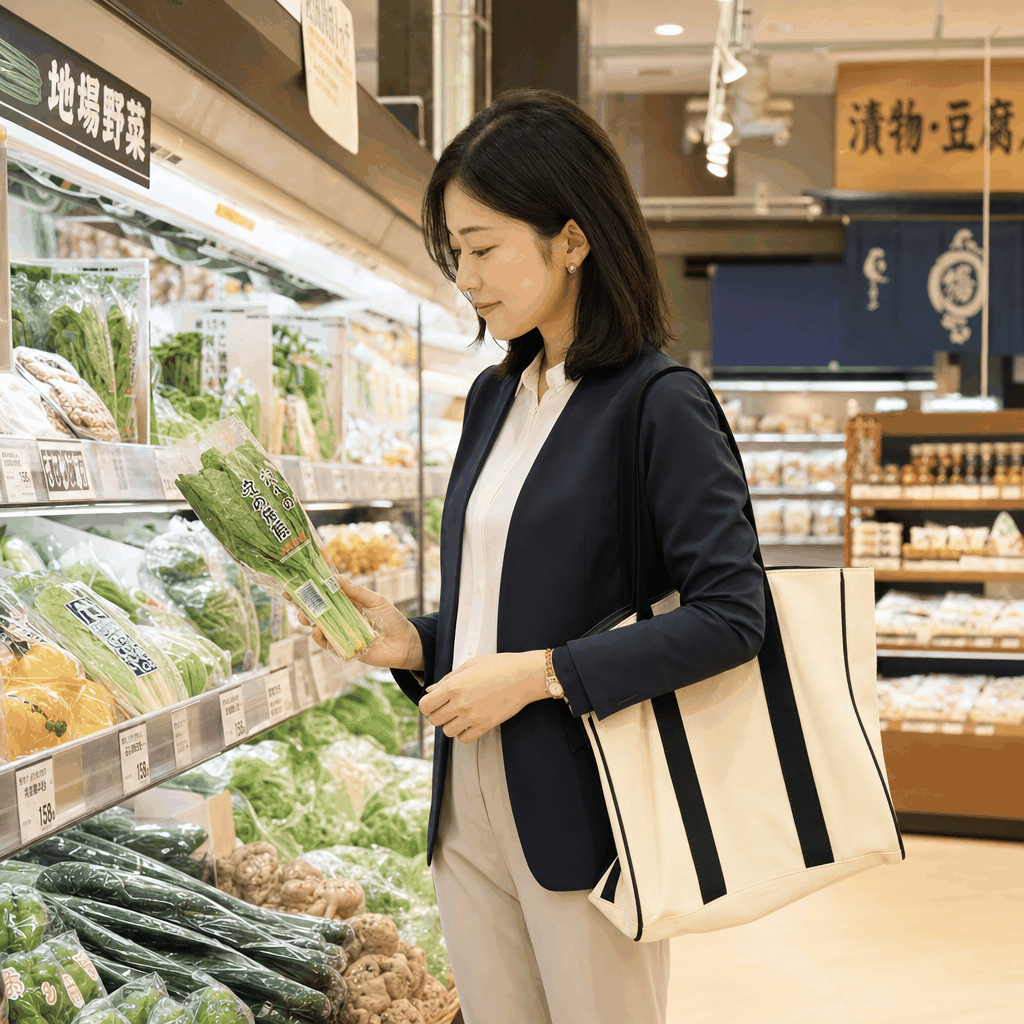
A personal assistant in Tokyo can absolutely handle food errands for expats by combining neighborhood shopping, label checking, and delivery coordination. In practice, that means saving time, reducing language friction, and making sure groceries and takeout match dietary needs, budget, and schedule.
Tokyo is unusually well suited to delegated food errands because everyday shopping is spread across supermarkets, convenience stores, department-store food halls, and specialty shops. The Tokyo Metropolitan Government emphasizes practical language support and consumer awareness for daily life tasks, which is exactly where a personal assistant becomes useful [1][2].
For an expat, a typical food errand might be as simple as restocking breakfast items from a nearby supermarket, or as detailed as finding a specific cooking ingredient, confirming allergens, and arranging same-day dinner pickup. Tokyo’s neighborhood density makes it possible to compare several options in one run, especially in areas with multiple stations and mixed retail streets such as Shibuya, Shinjuku, and Ginza [3].
The best errands usually combine convenience with accuracy. A personal assistant should know when to use a regular supermarket, when to choose a prepared-food counter, and when a department-store basement food floor is worth the higher price for quality or presentation. Tokyo travel resources highlight these food halls as a signature part of the city’s shopping experience, and they are especially helpful for bento, deli sides, sweets, and gifts [3].
Useful named places and venue types include department-store depachika food halls in districts like Shinjuku and Ginza, where a shopper can find prepared dishes, bakery items, and premium packaged foods [3]. A personal assistant can also make use of convenience stores for last-minute needs, such as drinks, snacks, rice balls, and basic toiletries, or smaller neighborhood supermarkets for routine weekly shopping. For expats, the right choice often depends on whether the goal is speed, lower cost, or better ingredient selection.
Tokyo’s delivery ecosystem also helps. Supermarket delivery and restaurant delivery can cover busy evenings or heavy-item purchases, while takeout pickup works well for set meals and family portions. The key job of the assistant is not just ordering, but matching the service to the request: fresh groceries, prepared food, or a mix of both.
Japanese food-label reading is one of the most valuable tasks a personal assistant can do. Japan’s food-labeling rules require ingredient and allergen information, and official guidance from the Ministry of Agriculture, Forestry and Fisheries and the Consumer Affairs Agency explains how labeling is structured [4][5]. That makes it realistic for an assistant to verify items before buying them, especially if the expat needs to avoid wheat, dairy, egg, peanuts, or fish [4][5].
A practical workflow is simple: photograph the package, check the ingredient list, and confirm any highlighted allergen statements before checkout. If the requested product is unavailable, the assistant should make a substitution based on the same category and label profile rather than guessing. For example, if a client wants a specific soup base or noodle product, the assistant should compare the wheat content, broth type, and seasoning style before substituting.
For vegetarian, halal, kosher, or gluten-free needs, the safest approach is to use the Japanese product page or package text, not an English guess. That extra step reduces errors, especially for processed foods where ingredients may be hidden inside sauces, broths, or seasoning packets.
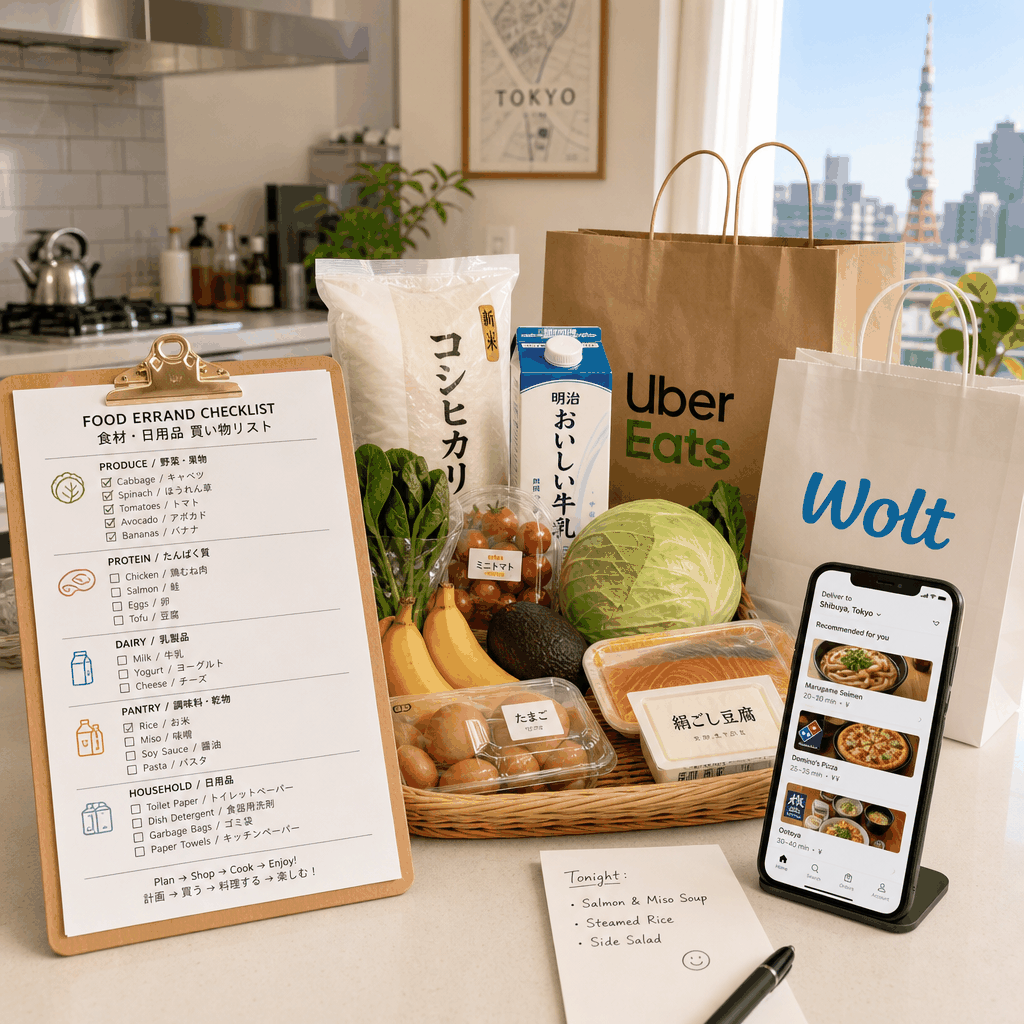
Neighborhood services matter too. Because Tokyo is built around stations and compact retail streets, an assistant can plan routes that combine errands efficiently: a supermarket stop for staples, a deli counter for dinner, and a convenience store for any missing item. Tokyo’s consumer guidance also encourages practical awareness around product information and safe transactions, which supports careful ordering and receipts tracking [2].
When arranging takeout or delivery, the assistant should confirm a few concrete details every time:
That checklist matters because many order mistakes are not about the wrong restaurant; they are about missing details. A good assistant prevents those problems before the order is placed.
Good communication is what turns food errands from one-off favors into dependable support. The assistant should keep a repeat list in Japanese for common items, including brand names, package sizes, and preferred stores. That way, a weekly grocery run can be completed faster and with fewer substitutions.
For recurring errands, a simple system works best:
Receipt handling is especially important in Tokyo, where errands may involve several small transactions in one day. Keeping photos or digital copies makes reimbursement easy and helps the assistant compare prices over time. It also supports better budgeting when the same item is bought at different stores.
For expats, the most helpful assistants are the ones who think like local shoppers but communicate like clear coordinators. They know when to buy from a supermarket, when to choose a depachika, when to use delivery, and when to verify a label before paying [1][3][4][5]. In a city as dense and service-rich as Tokyo, that combination can turn food errands from a stress point into a smooth part of daily life.
CallButler is a multilingual concierge service that handles research, coordination, and bookings so you do not have to navigate language barriers or unfamiliar systems alone. If you need help related to How can a personal assistant in Tokyo handle food errands for expats? or the tasks around it, our team can step in to manage the details and keep things moving smoothly.
Find English-friendly yakitori in Osaka after work by targeting Umeda, Namba, and Honmachi, plus booking sites and multilingual menus.
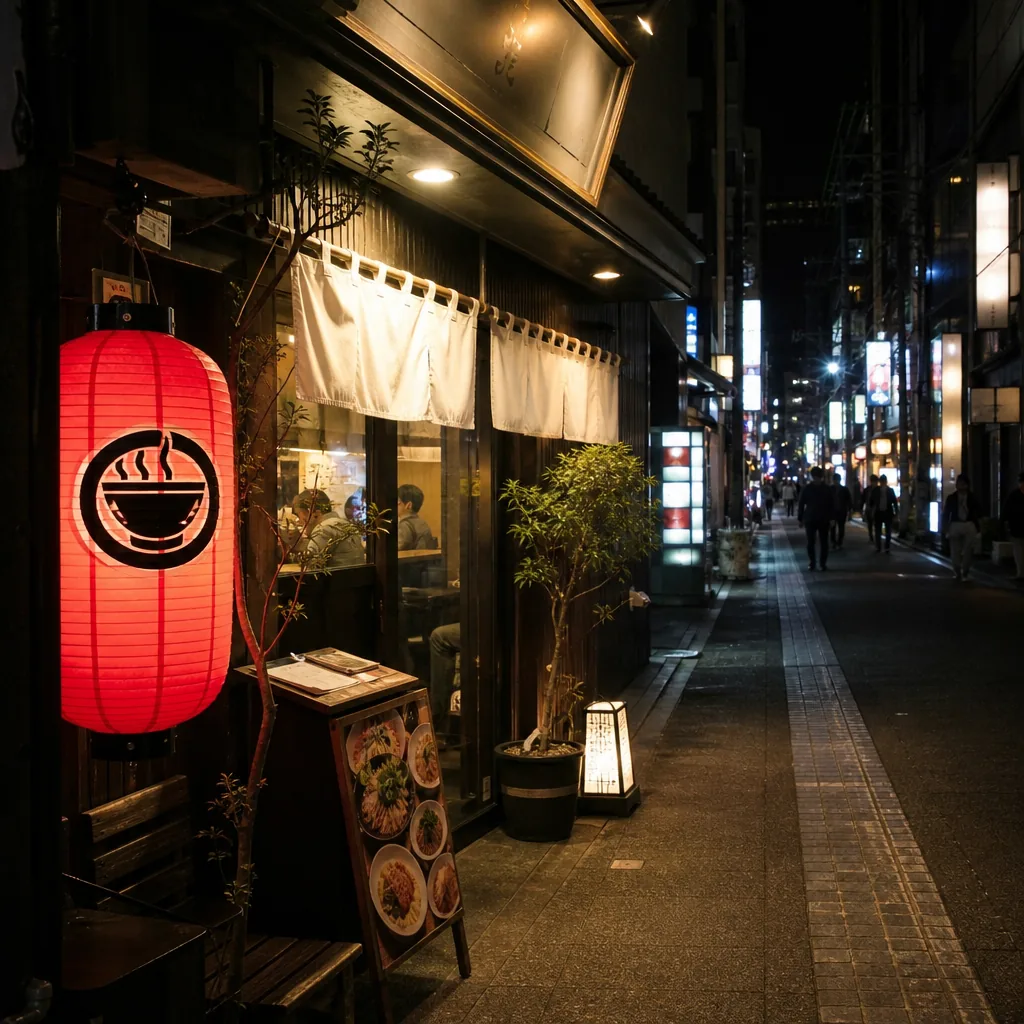
Looking for halal ramen in Kyoto after 10 p.m.? Here’s where to check, which areas are most practical, and how to verify hours and halal status.
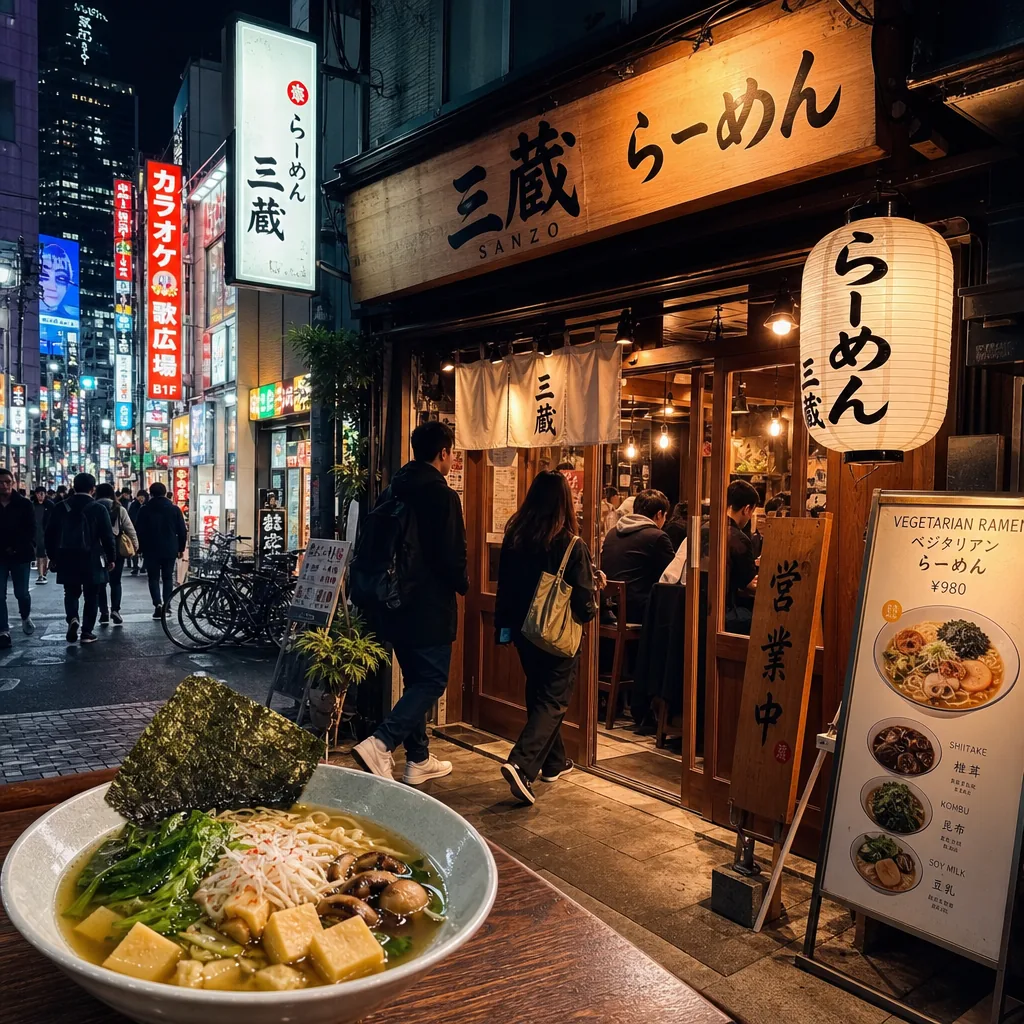
Find late-night vegetarian ramen in Tokyo by focusing on Shibuya, Shinjuku, and Roppongi, then verify broth, hours, and vegan menu details.