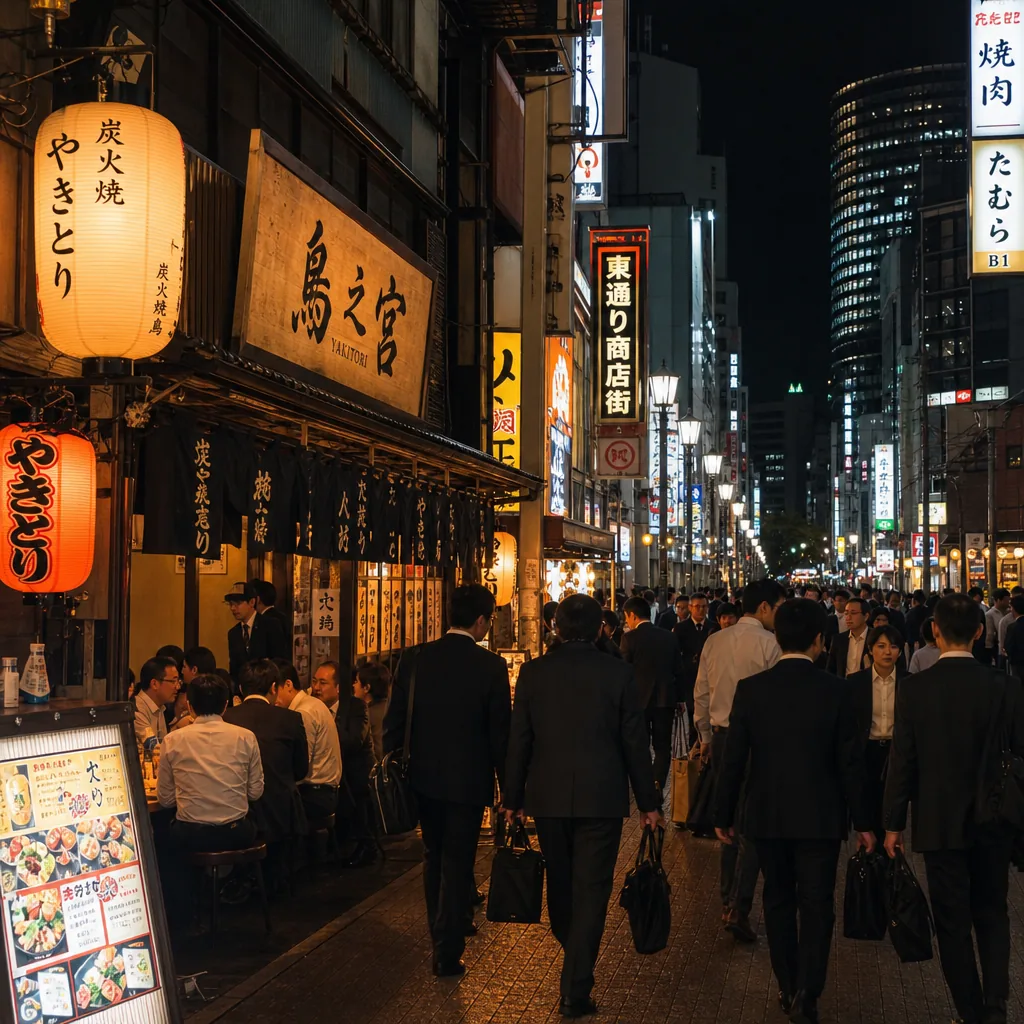
Where can I find english-friendly yakitori in Osaka after work?
Find English-friendly yakitori in Osaka after work by targeting Umeda, Namba, and Honmachi, plus booking sites and multilingual menus.
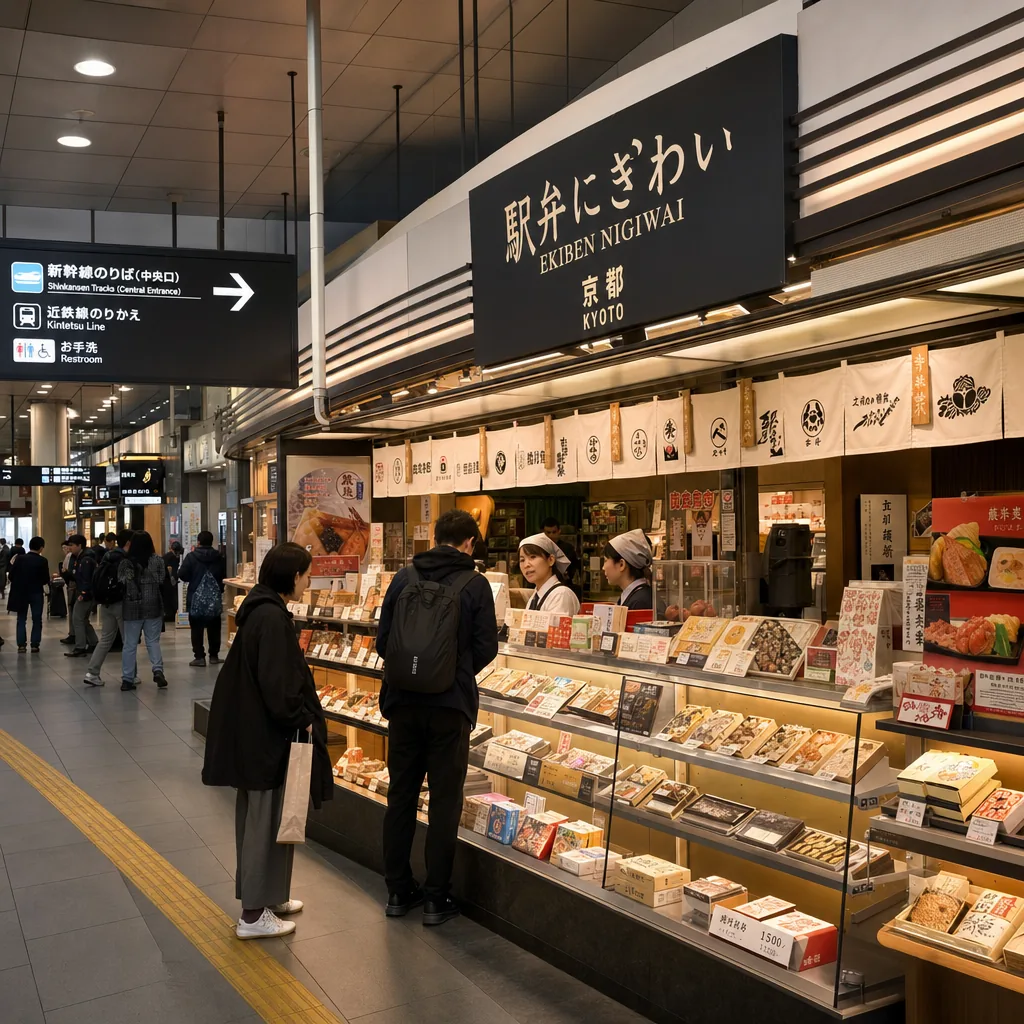
Yes—Kyoto Station is the best place to buy vegetarian ekiben for a train trip in Kyoto, because it concentrates multiple shopping floors, bento counters, and station dining options in one place [1][2]. If you cannot find a fully vegetarian ekiben, you can still assemble a safe meal from labeled items such as onigiri, salads, fruit, and vegetable side dishes sold in the station area [3][5].
In Japan, “vegetarian” does not always mean the item is free of fish stock or animal-derived seasonings. The Japan National Tourism Organization warns that dishes that look plant-based may still contain dashi, bonito, meat extracts, egg, milk, or other hidden ingredients, so the label and ingredient list matter more than the appearance [3].
For Kyoto train travel, the safest choice is an ekiben or bento that is explicitly labeled vegetarian, vegan, or ingredients-free of animal products. When in doubt, ask staff to confirm whether the meal contains dashi, katsuobushi, fish sauce, or meat seasoning [3].
Kyoto Station itself is the most practical place to search, because the station building includes extensive shopping and dining areas designed for travelers [1][2]. JR West identifies Kyoto Station as a major rail hub with shopping and service facilities, while the Kyoto Station Building website shows that the complex includes multiple commercial zones where you can browse food before departure [1][2].
Start with the station’s bento and deli areas rather than heading outside the station. The most efficient strategy is to buy your meal before you pass the ticket gates for your train, especially if you are traveling on a tight schedule [1][2][5].
One useful nearby backup is the Isetan department store inside Kyoto Station Building, where food halls and takeout counters often carry prepared meals and packaged items suited to quick departures [1]. Even if a store does not advertise “vegetarian ekiben” in English, you may still find labeled vegetable bentos, rice balls, or side dishes that work as a train meal [3][5].
The biggest mistake travelers make is assuming a rice-based bento is vegetarian. The JNTO guide specifically recommends checking for fish-based broth, bonito, and meat-derived seasonings because these appear in many Japanese foods that otherwise look suitable for vegetarians [3].
Use this quick checklist before you buy:
If you can read some Japanese, keywords like 素食, ベジタリアン, and ヴィーガン can help, but staff confirmation is still better than relying on packaging alone. Kyoto Station is busy, so simple questions in English or pointing to the ingredient list can save time [1][2].
Vegetarian ekiben may not always be available, especially later in the day. In that case, station shopping areas still give you several dependable options for a practical meal [1][5]. JR Central notes that major station shops often sell bento, deli items, and convenience foods, which is why station food works well as backup when specialty meals are limited [5].
Good Kyoto Station backups include:
This approach is especially useful if you are boarding a limited express or shinkansen and do not want to spend time searching outside the station. Kyoto City’s tourism guidance emphasizes how central and well-connected the station area is for visitors, making it a convenient place to complete food shopping before departure [4].
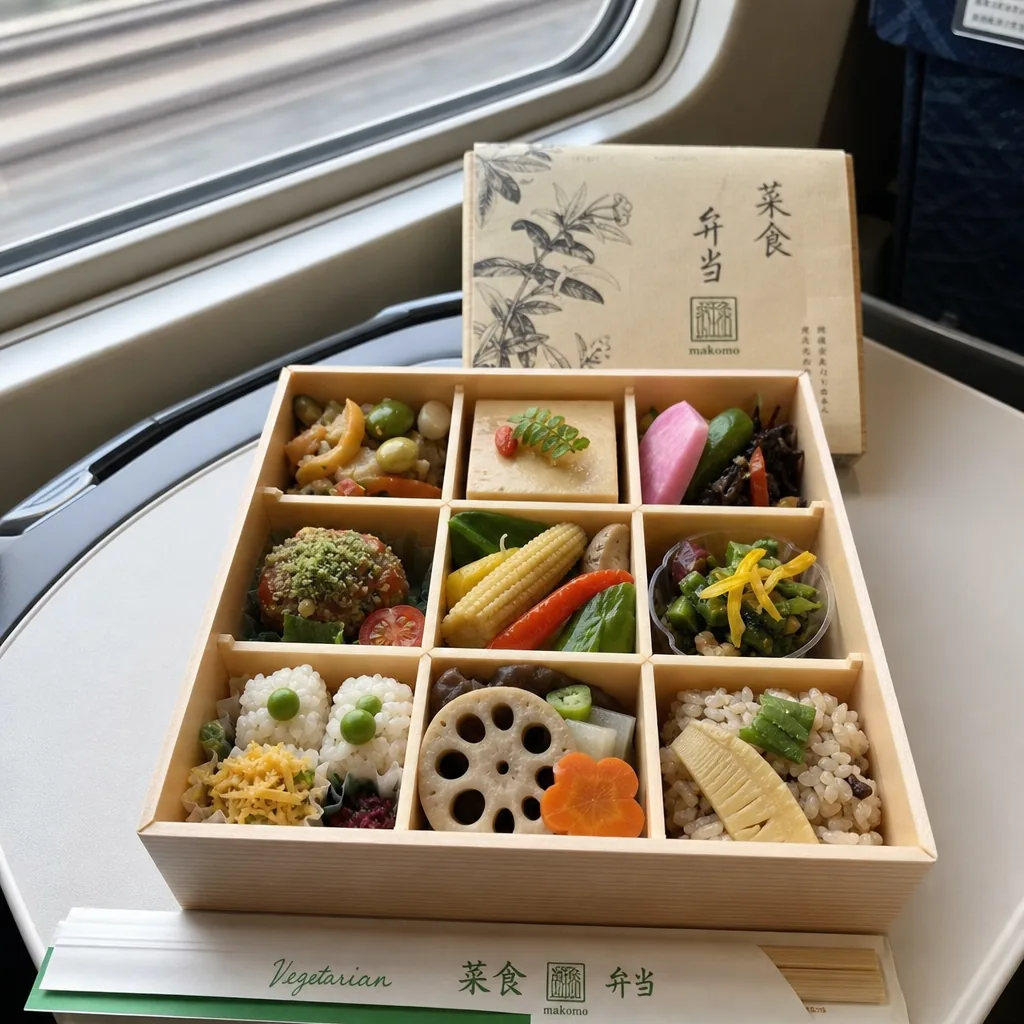
Buy early, because the best lunch options disappear first. If you are leaving during the morning rush or around lunchtime, shop as soon as you arrive at Kyoto Station so you can compare labels and still make your platform on time [1][2].
Keep these timing and planning tips in mind:
If you need to eat immediately before boarding, choose packaged foods with clear ingredient lists rather than loose deli items. That gives you more control over what is inside and reduces the chance of surprises from sauces or seasonings [3].
The most reliable way to find vegetarian ekiben in Kyoto is to focus on Kyoto Station first, verify ingredients carefully, and keep a backup plan ready. Because the station combines shopping, dining, and rail access in one complex, it is the best place to shop without adding extra travel time [1][2][4].
In practical terms, that means this: search the station’s food areas for explicitly labeled vegetarian or vegan bentos, confirm hidden ingredients with the checklist above, and if necessary build your own meal from onigiri, salads, and fruit [3][5]. For train trips leaving Kyoto, that is the fastest and safest way to eat well without missing your departure.
CallButler is a multilingual concierge service that handles research, coordination, and bookings so you do not have to navigate language barriers or unfamiliar systems alone. If you need help related to Where can I buy vegetarian ekiben in Kyoto for train trips? or the tasks around it, our team can step in to manage the details and keep things moving smoothly.
Find English-friendly yakitori in Osaka after work by targeting Umeda, Namba, and Honmachi, plus booking sites and multilingual menus.
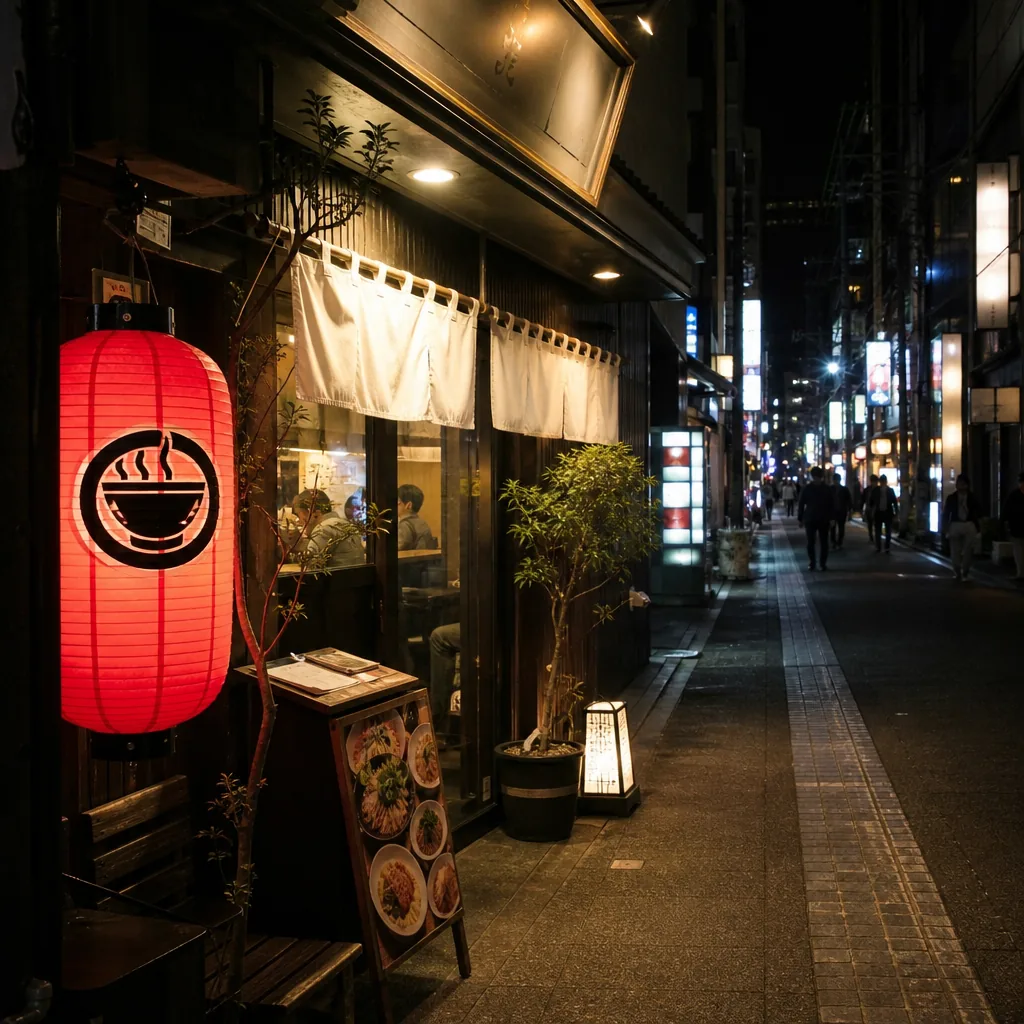
Looking for halal ramen in Kyoto after 10 p.m.? Here’s where to check, which areas are most practical, and how to verify hours and halal status.
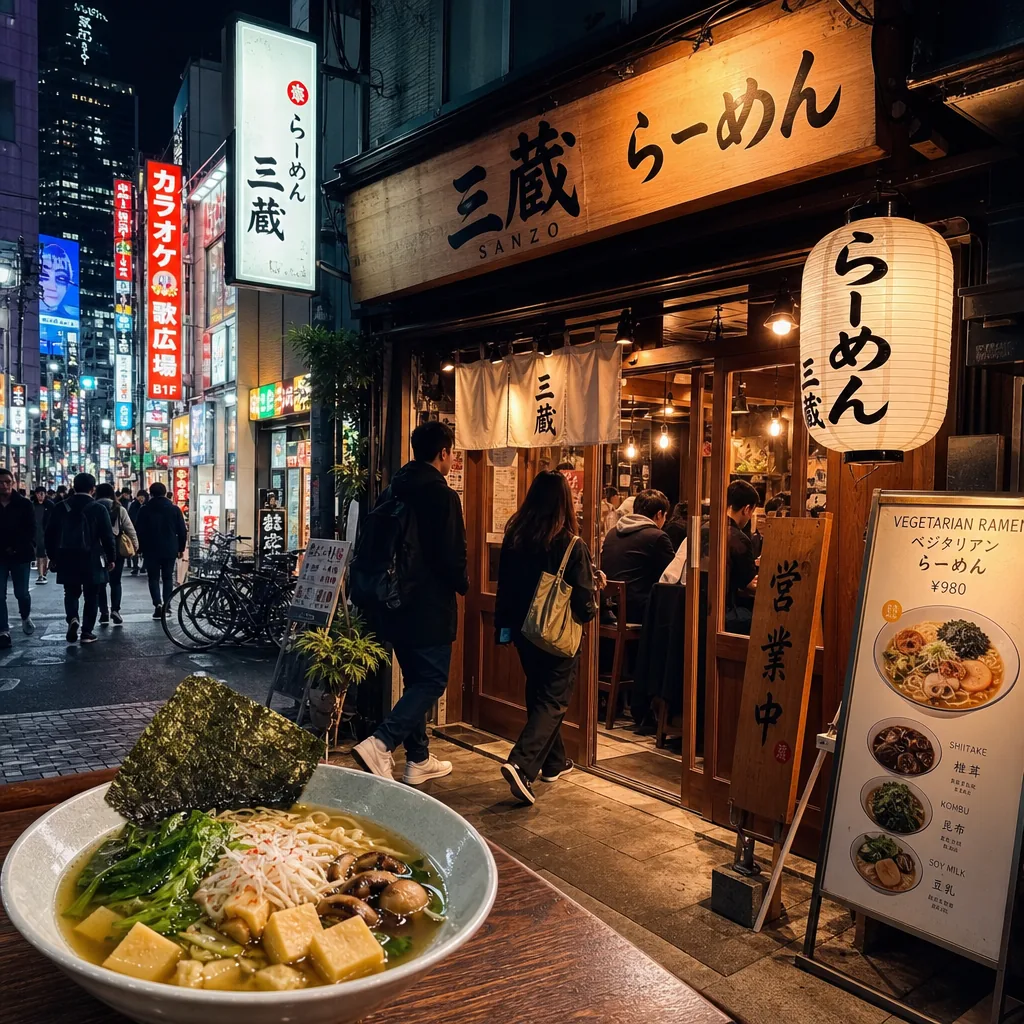
Find late-night vegetarian ramen in Tokyo by focusing on Shibuya, Shinjuku, and Roppongi, then verify broth, hours, and vegan menu details.