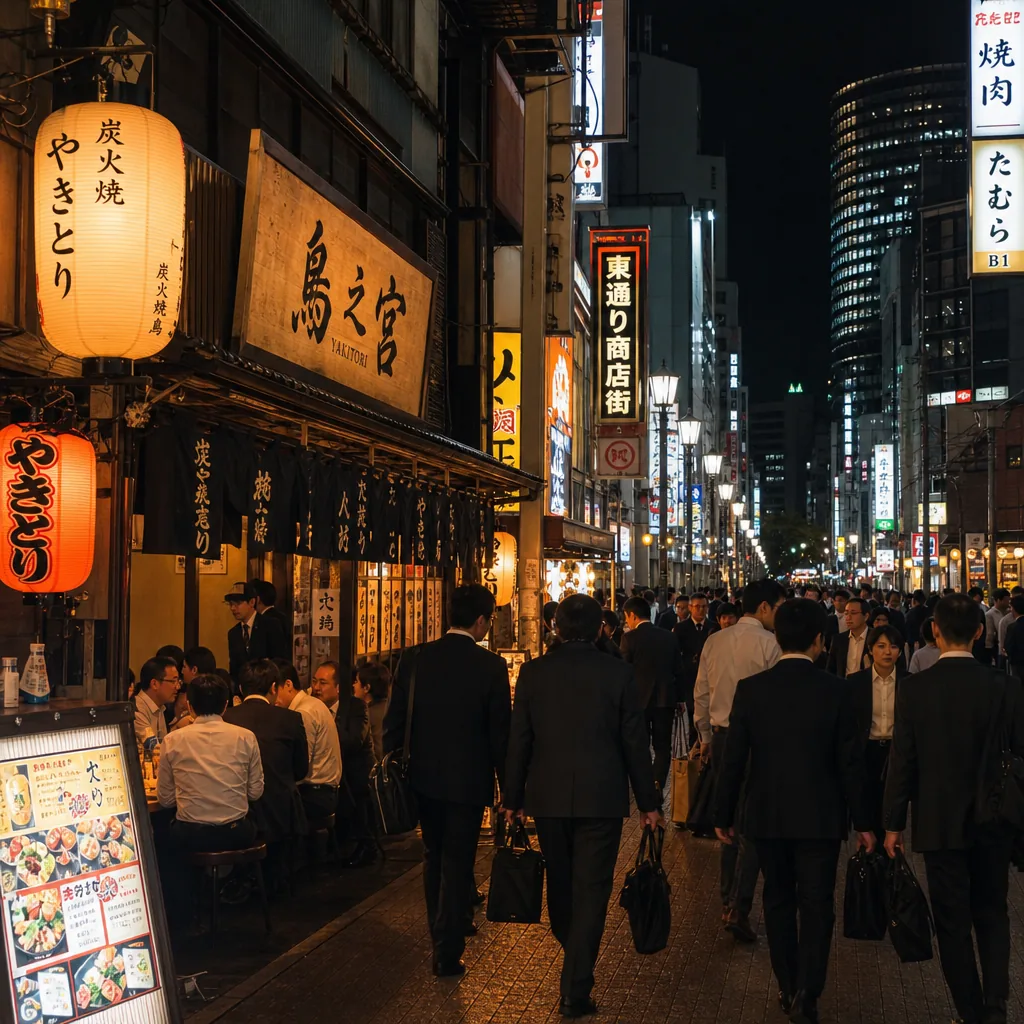
Where can I find english-friendly yakitori in Osaka after work?
Find English-friendly yakitori in Osaka after work by targeting Umeda, Namba, and Honmachi, plus booking sites and multilingual menus.
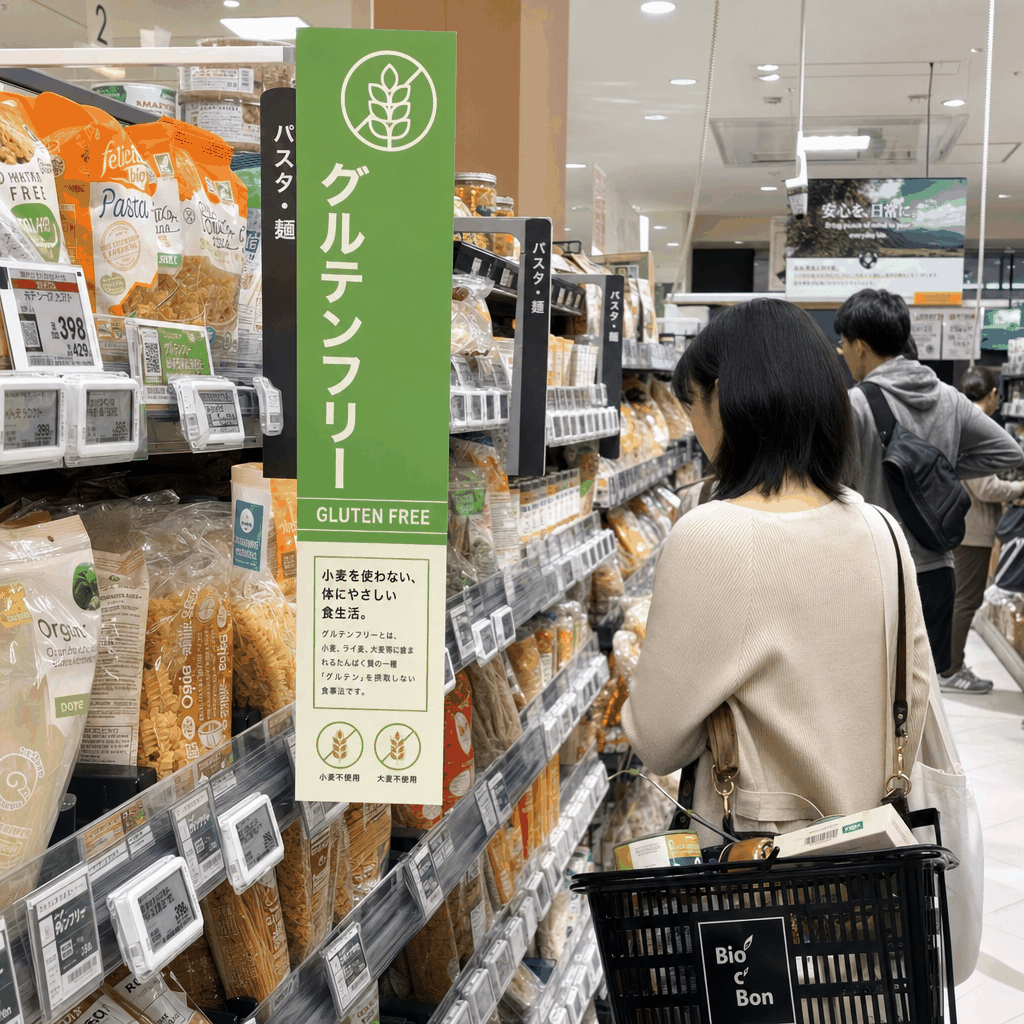
Yes—Tokyo is one of the easiest places in Japan to find gluten-free groceries if you know where to look. Your best bets are imported-food chains like Seijo Ishii, department-store food halls, and large station-area shopping districts where international products are more common [2][3][5].
Tokyo is not a dedicated gluten-free city, but it does have a strong mix of supermarkets, specialty grocers, and department-store food halls that carry imported staples and allergy-aware products. Japan’s food allergen labeling rules also help: wheat is one of the mandatory items on packaged-food labels, so you can often screen products quickly before buying [1][4].
That said, “gluten-free” is not always written prominently on Japanese packaging. In practice, you still need to read ingredients carefully for wheat, barley, and sauce-based additives that may contain wheat-derived components [1][4].
The most useful store format is the imported-food supermarket. Seijo Ishii is a good example because it operates many Tokyo locations and is known for carrying imported groceries, specialty items, and international pantry staples [5]. If you are looking for gluten-free pasta, crackers, sauces, or baking ingredients, this is one of the first places to check.
Department-store food halls are another reliable option. Tokyo’s major department stores often have basement food floors with polished grocery selections, packaged snacks, and imported sections. The Tokyo Convention & Visitors Bureau notes that shopping areas and department stores are among the city’s strongest retail experiences, especially for visitors who want organized, easy-to-navigate stores [2].
Large supermarket chains can also be worthwhile, especially in central neighborhoods. The National Tourism Organization of Japan recommends shopping in major retail areas where you can find broader selections and English-friendly environments, which usually means bigger stores near station hubs rather than small local shops [3].
If you want the easiest shopping experience, focus on central districts with major train access and dense retail. Shibuya, Shinjuku, Ginza, and Tokyo Station/Otemachi areas are especially practical because they combine department stores, station complexes, and larger supermarkets within a short walk of transit [2][3].
For example, Ginza is useful because it clusters department stores and premium food floors, while Shinjuku offers large-scale shopping around one of Tokyo’s busiest stations. Tokyo Station and Marunouchi are also strong choices because station-connected complexes often stock imported packaged food for commuters and travelers [2][3].
Another useful strategy is to shop near large commercial centers rather than in residential side streets. Smaller neighborhood grocers may be perfectly fine for fresh produce, but they are less likely to carry dedicated gluten-free pasta, flour, or bread substitutes. In central Tokyo, the bigger the store and the closer it is to a major station, the better your odds of finding a wider selection [2][3].
Japan’s allergen system makes label reading easier than it may seem. According to the Consumer Affairs Agency, wheat is one of the mandatory allergen labels on packaged foods, which means it should be clearly identified when present [1]. The National Center for Global Health and Medicine also explains that food allergen labeling in Japan is intended to help consumers check ingredients more safely [4].
Still, do not stop at the front of the package. Ingredients lists can include wheat in familiar forms, and some sauces or seasonings may use wheat-based ingredients even when the product does not look like a grain product. Soy sauce is a classic example to watch for, since many standard Japanese soy sauces contain wheat [1][4].
Useful label-checking terms include:
If you are shopping quickly, start with packaged foods that clearly list ingredients and allergen information. Japan’s system is designed to make those checks possible, but it does not replace careful reading [1][4].
Build your groceries around naturally gluten-free foods first. In Tokyo, that usually means rice, eggs, plain yogurt, fresh produce, tofu, sashimi, meat, and simple prepared foods with clearly labeled ingredients. From there, add specialty items like gluten-free pasta, bread, and sauces from imported stores or larger supermarket chains [2][3][5].
Shop earlier in the day if possible, especially in busy districts like Shinjuku or Shibuya, where popular items can sell out. If you are staying in Tokyo for more than a few days, it also helps to identify one reliable store near your hotel or station so you do not have to start from scratch each time.
When in doubt, ask staff to point you to the ingredients label rather than asking whether a product is “gluten-free.” The label is usually the most dependable source. If you do not read Japanese, use a translation app to confirm the ingredients, but rely on the printed allergen list before buying [1][4].
Tokyo stores can be especially helpful once you know which staples are easiest to find. The most practical gluten-free grocery basket usually starts with a mix of local basics and imported specialty items.
For a simple Tokyo shopping plan, start with a large station-area supermarket or department-store food hall, then move to an imported grocer like Seijo Ishii if you need more specialty items [2][3][5]. That combination gives you the best chance of finding both everyday groceries and gluten-free backups without crossing the city.
In short, the answer to “Where can I buy gluten-free groceries in Tokyo?” is: begin with imported-food stores, then expand to department-store food halls and major supermarket areas in neighborhoods like Shibuya, Shinjuku, Ginza, and Tokyo Station [2][3][5]. With Japan’s wheat labeling rules and a careful ingredient check, grocery shopping in Tokyo becomes much more manageable than many first-time visitors expect [1][4].
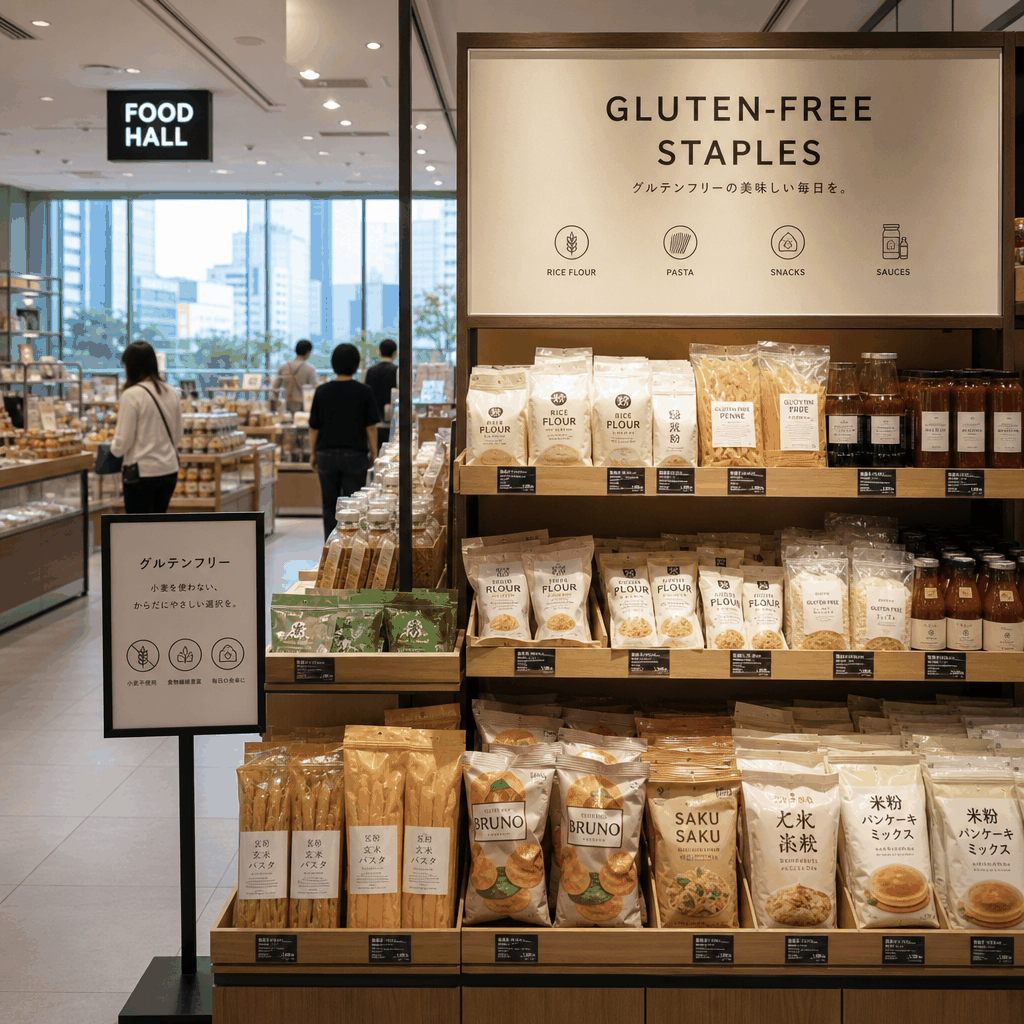
CallButler is a multilingual concierge service that handles research, coordination, and bookings so you do not have to navigate language barriers or unfamiliar systems alone. If you need help related to Where can I buy gluten-free groceries in Tokyo? or the tasks around it, our team can step in to manage the details and keep things moving smoothly.
Find English-friendly yakitori in Osaka after work by targeting Umeda, Namba, and Honmachi, plus booking sites and multilingual menus.
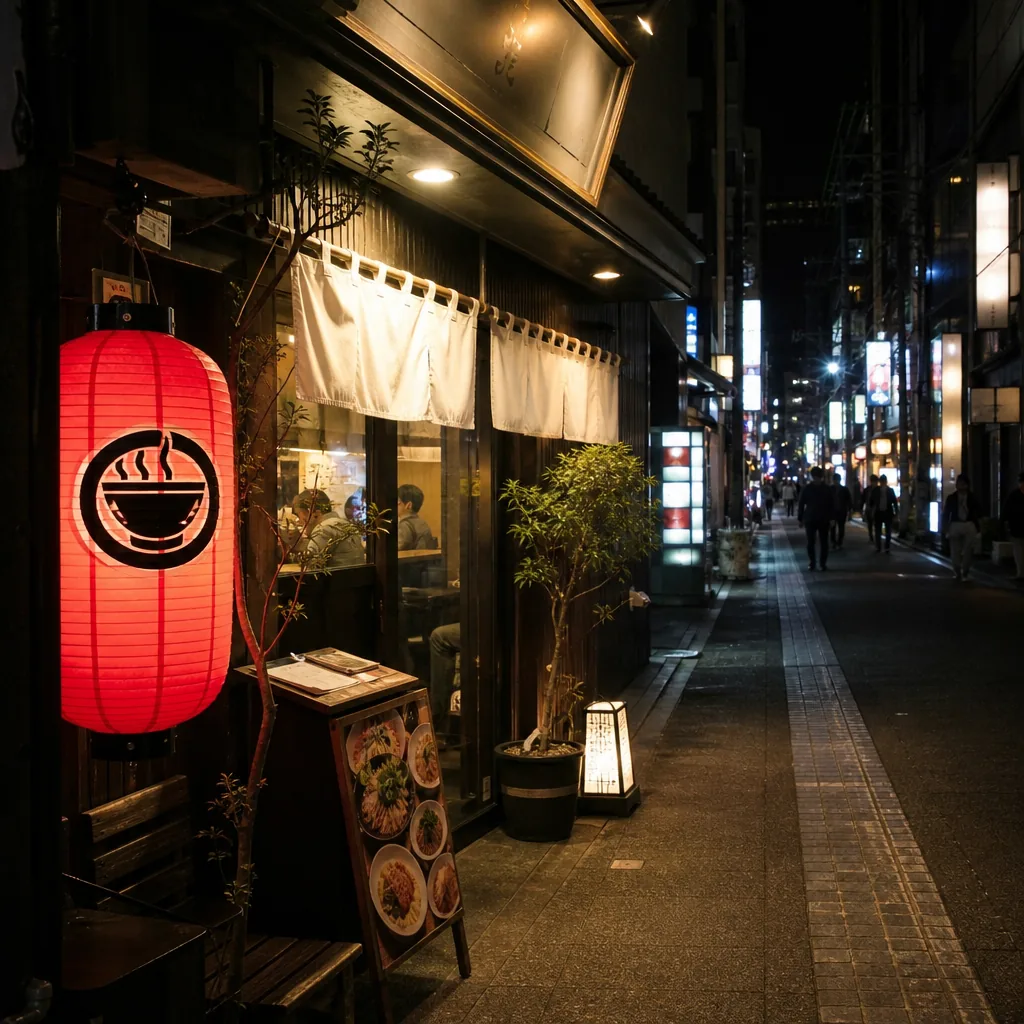
Looking for halal ramen in Kyoto after 10 p.m.? Here’s where to check, which areas are most practical, and how to verify hours and halal status.
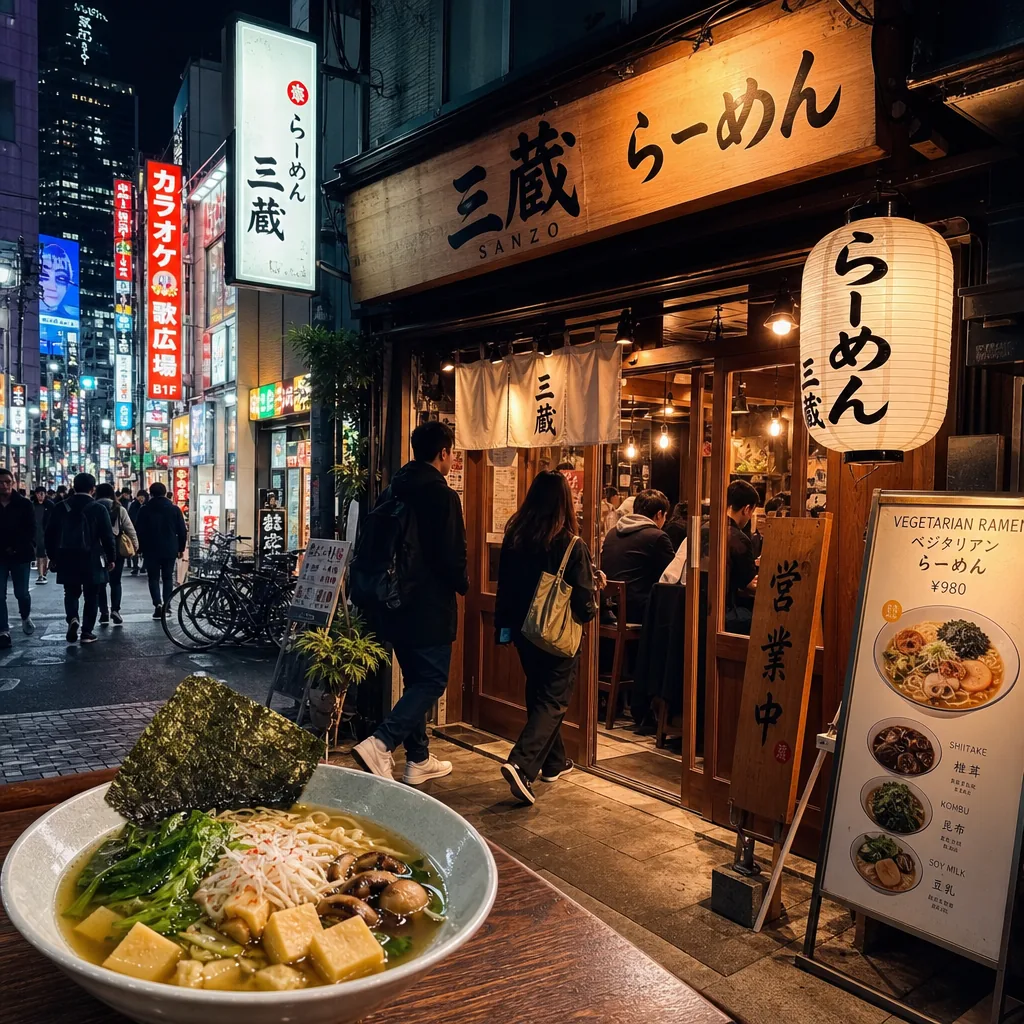
Find late-night vegetarian ramen in Tokyo by focusing on Shibuya, Shinjuku, and Roppongi, then verify broth, hours, and vegan menu details.