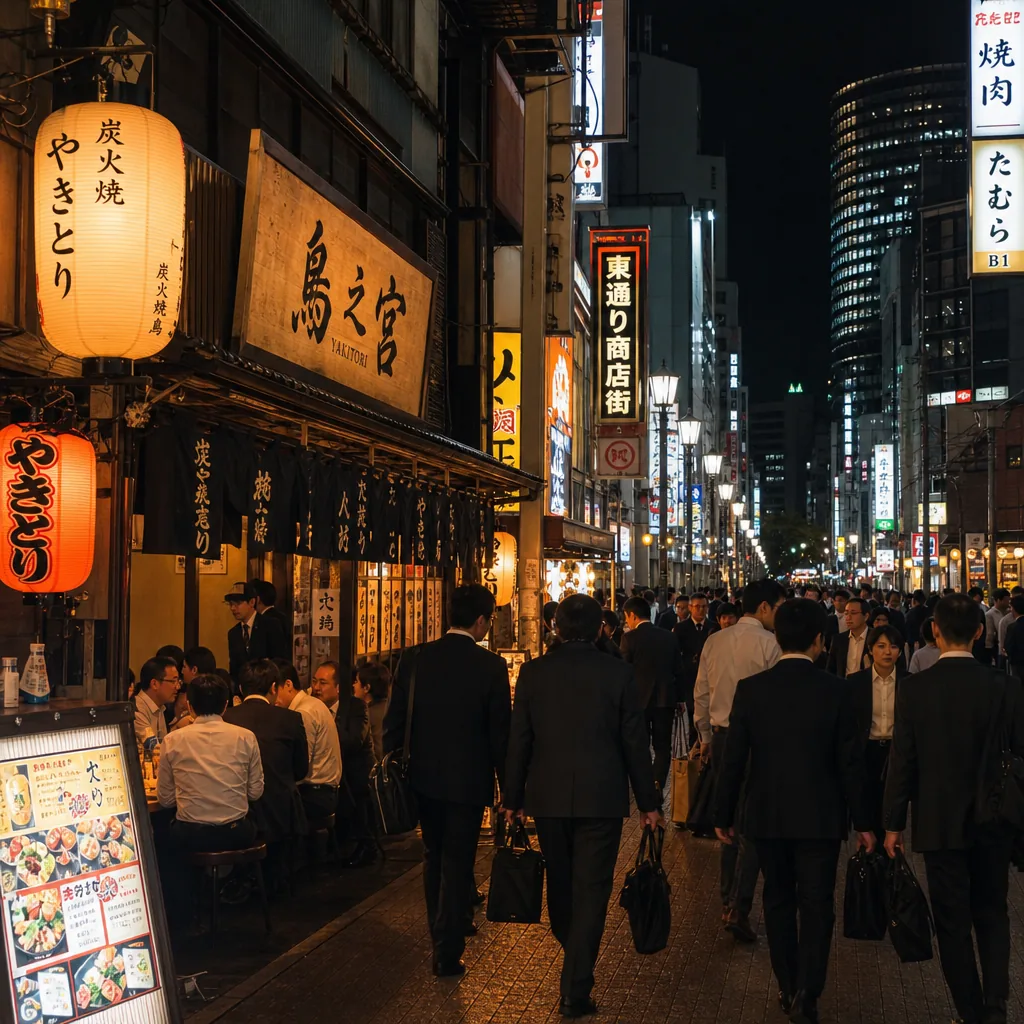
Where can I find english-friendly yakitori in Osaka after work?
Find English-friendly yakitori in Osaka after work by targeting Umeda, Namba, and Honmachi, plus booking sites and multilingual menus.
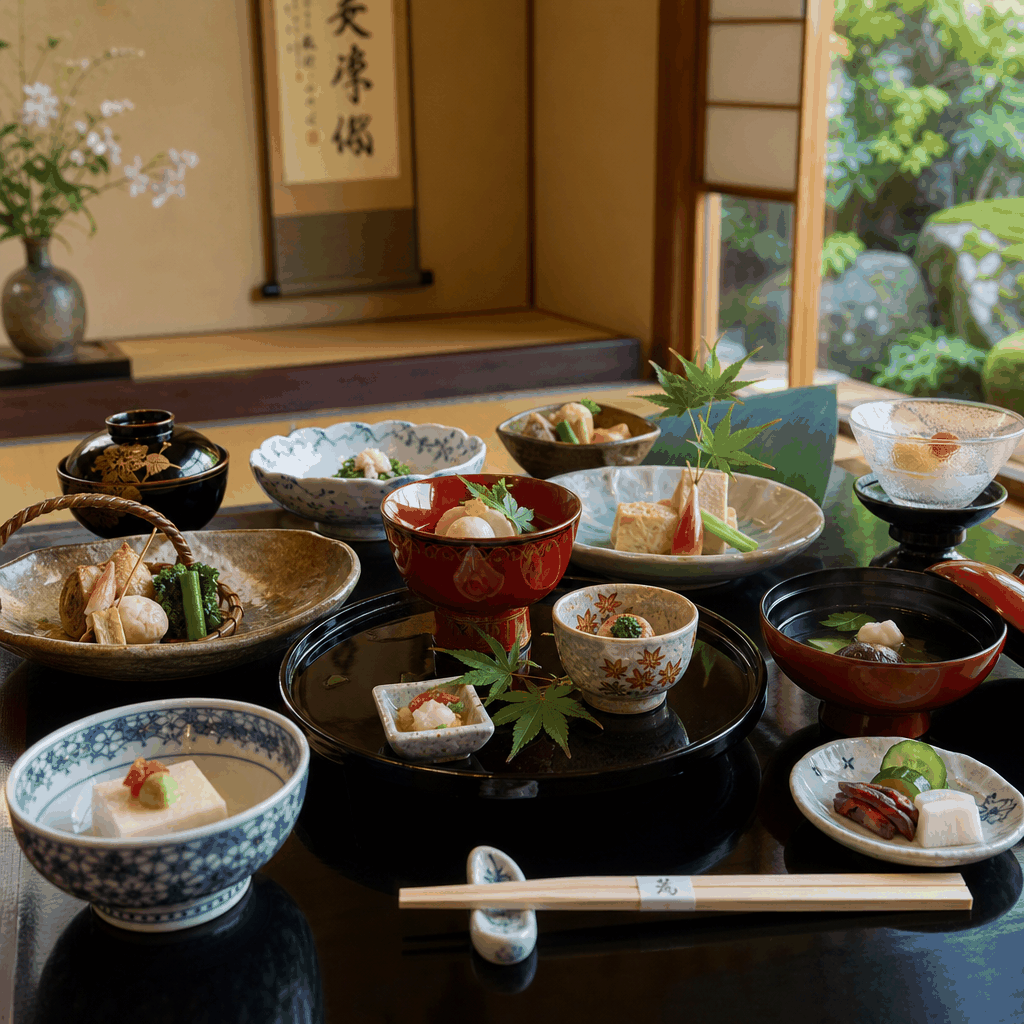
Yes—Kyoto is one of the easiest places in Japan to book vegetarian kaiseki, especially if you focus on shojin ryori, temple lodgings, and restaurants that accept advance requests for vegan or vegetarian courses. The best approach is to use Kyoto’s official tourism guides, English-language booking platforms, and temple accommodation websites, then confirm the stock base and notice period before you reserve [1][2][3].
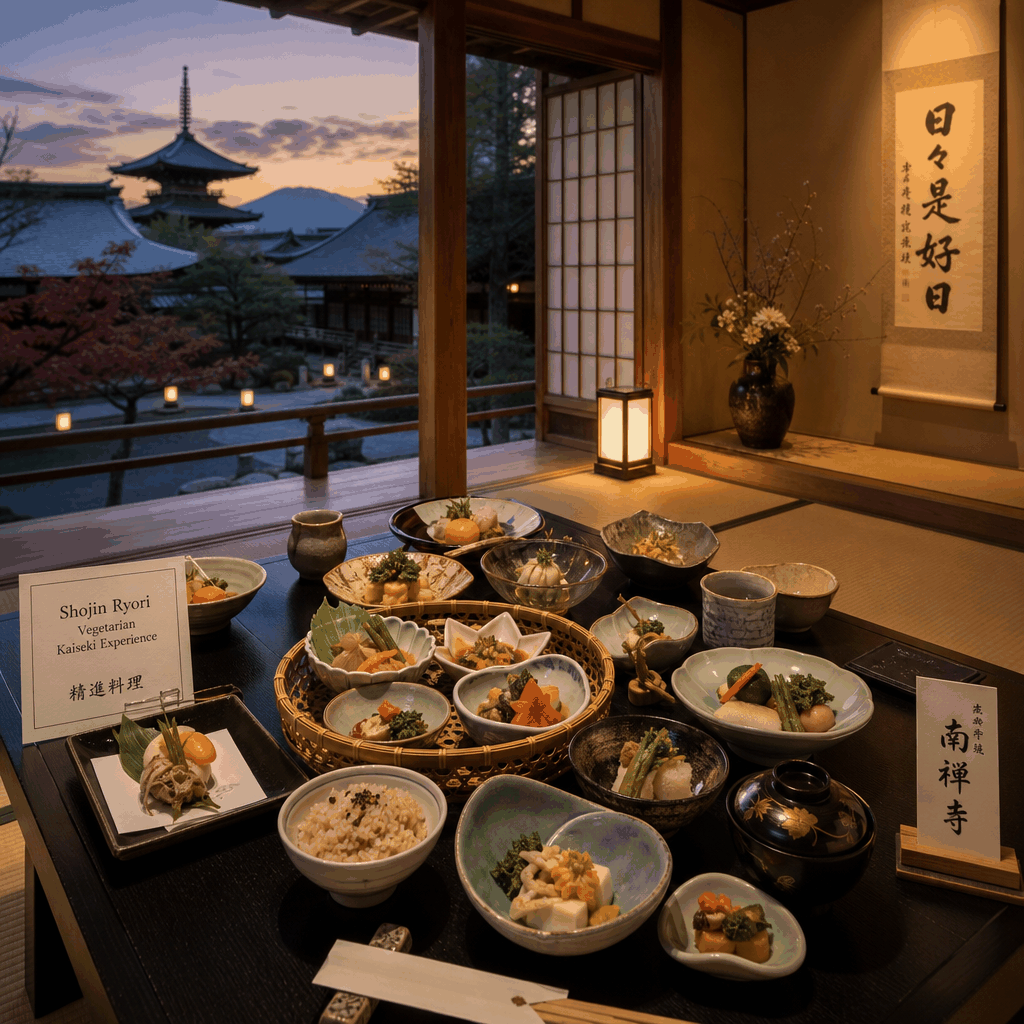
Kyoto has a long Buddhist culinary tradition, so vegetarian dining is not a novelty here. The city’s tourism resources specifically point travelers toward temple dining and vegetarian-friendly restaurants, and Japan’s national tourism guidance also highlights temple stays as practical places to experience shojin ryori, the traditional Buddhist cuisine that often overlaps with refined kaiseki-style dining [1][2][5].
That matters because vegetarian kaiseki is not the same as simply ordering a “vegetarian dish.” In Kyoto, many kitchens already know how to build multi-course meals around tofu, seasonal vegetables, yuba, sesame, and clear broths, especially in temple districts and long-established restaurants. For visitors, this means you can look for a full course meal rather than piecing together side dishes.
There are three reliable booking channels in Kyoto: temple restaurants and temple lodgings, traditional restaurants that accept special dietary requests, and reservation platforms that filter vegetarian options. Kyoto’s official food and drink guidance and tourism pages are useful starting points because they point to the city’s broader dining scene and visitor-facing support [1][2].
Well-known Kyoto-area examples that are worth checking include Nanzen-ji in the Okazaki area, Shunkoin Temple in the northern Higashiyama/Kuramaguchi area, and the Arashiyama district, where temple stays and Buddhist cuisine are commonly associated with vegetarian dining [5]. These are not blanket guarantees for every menu, but they are the kinds of locations where vegetarian kaiseki is much more likely to be available than in a standard casual restaurant.
The easiest path is usually to start with the venue’s official website or a tourism booking page, then follow up by email if the menu needs to be adapted. Kyoto City’s tourism resources and Klook’s Kyoto vegetarian guide both emphasize that travelers should expect advance planning, because many restaurants only prepare vegetarian versions on request [1][4].
If you want a smoother reservation process, use this order:
Do not book only on the basis of the word “vegetarian.” In Kyoto, sauces, soups, and simmering liquids may still contain bonito stock, fish stock, or gelatin unless the venue confirms otherwise. Klook’s Kyoto vegetarian guide specifically warns travelers to check the ingredients carefully, and Kyoto’s official tourism pages encourage travelers to verify food details before they go [1][4].
Ask these questions before paying:
These details matter because Kyoto’s best vegetarian experiences are often highly traditional. A temple-style meal may be entirely plant-based, while a modern kaiseki restaurant might still use fish-based broth unless you request a complete substitution. If you are booking for a group, make sure every guest’s restrictions are listed together so the kitchen can plan one menu.
For practical planning, these Kyoto-focused sources are the most useful. The Kyoto City Official Travel Guide’s food and drink section is a good entry point for understanding the city’s dining landscape and visitor-friendly options [1]. The Kyoto City Tourism Association site gives broader travel support and is helpful when you want official city-backed information [2].
For actual reservations, Gurunavi’s Kyoto vegetarian and vegan restaurant search is one of the clearest English-language tools for filtering options by dietary need [3]. If you are exploring temple meals and want a more traditional experience, Japan’s official tourism guidance on temple stays is a reliable source for understanding shojin ryori and where it is commonly served [5]. Klook’s Kyoto vegetarian guide is also useful as a consumer-facing explanation of what to expect when booking and why advance confirmation is important [4].
In short, the most dependable Kyoto vegetarian kaiseki bookings come from temple lodgings, temple-linked dining, and restaurants that explicitly support dietary requests. If you use official tourism resources, book early, and confirm the stock base, you can secure a genuinely satisfying vegetarian kaiseki meal in Kyoto without guesswork.
CallButler is a multilingual concierge service that handles research, coordination, and bookings so you do not have to navigate language barriers or unfamiliar systems alone. If you need help related to Where can I book vegetarian kaiseki experiences in Kyoto? or the tasks around it, our team can step in to manage the details and keep things moving smoothly.
Find English-friendly yakitori in Osaka after work by targeting Umeda, Namba, and Honmachi, plus booking sites and multilingual menus.
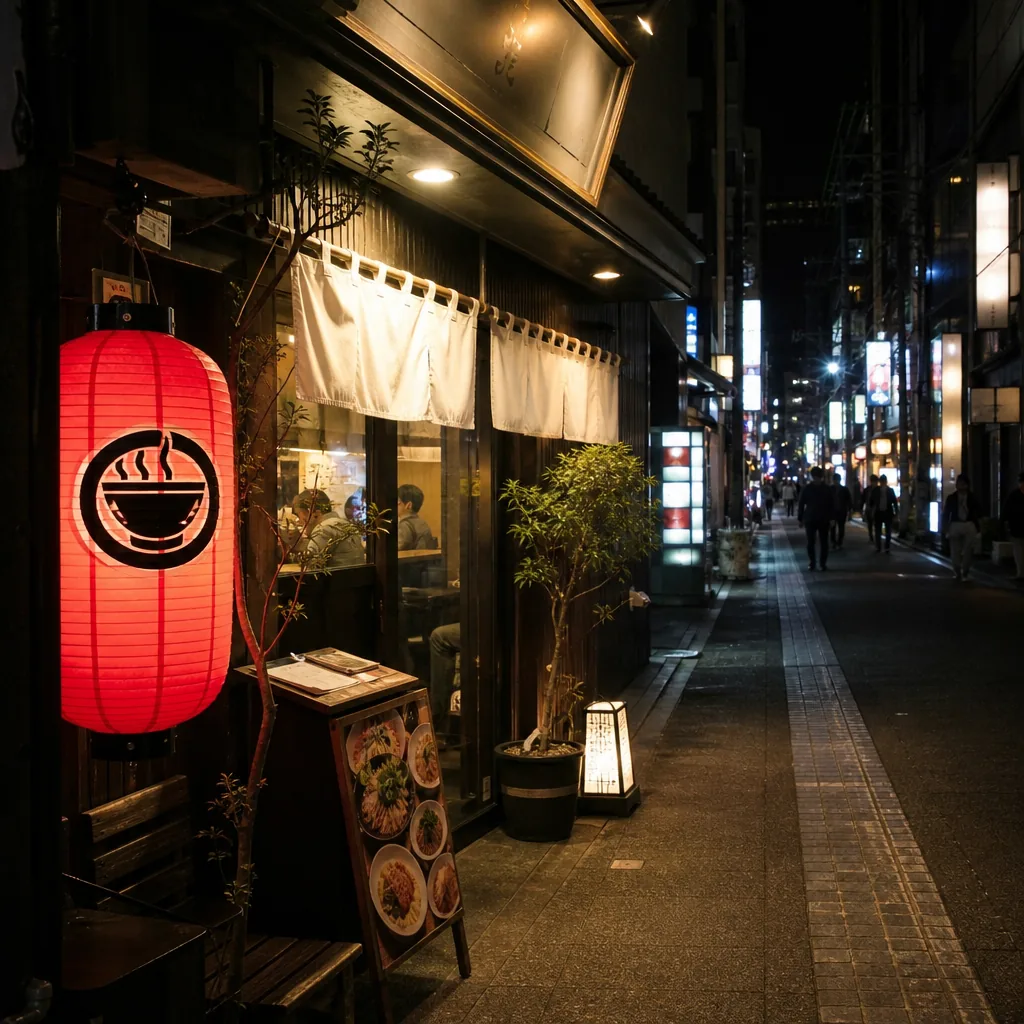
Looking for halal ramen in Kyoto after 10 p.m.? Here’s where to check, which areas are most practical, and how to verify hours and halal status.
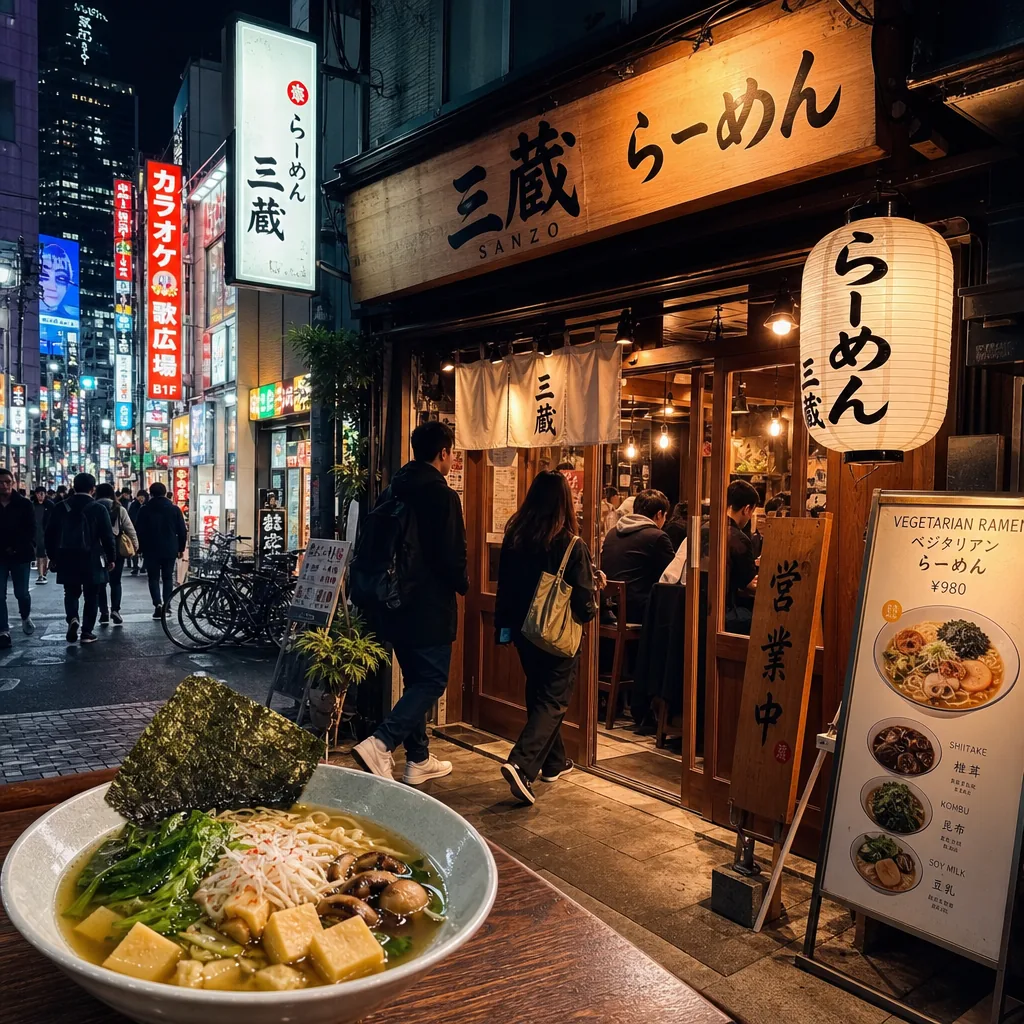
Find late-night vegetarian ramen in Tokyo by focusing on Shibuya, Shinjuku, and Roppongi, then verify broth, hours, and vegan menu details.