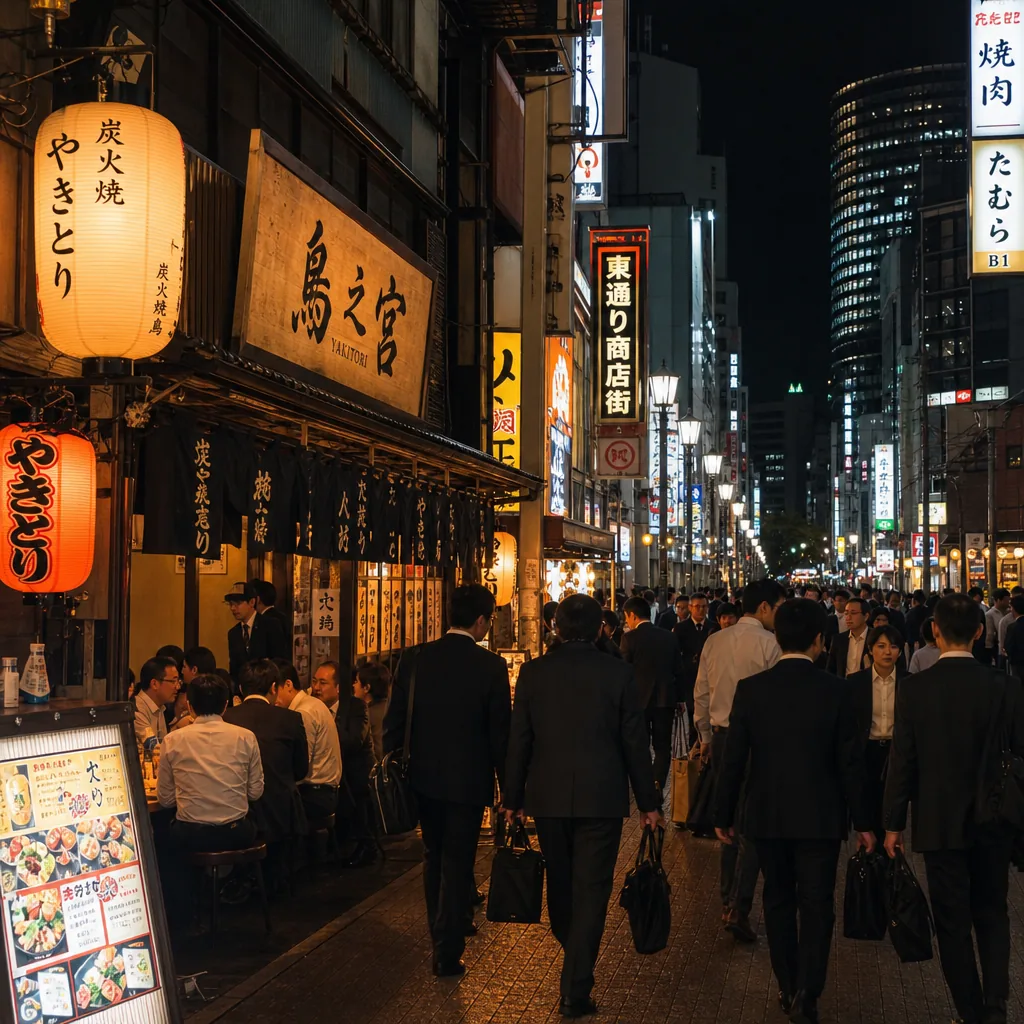
Where can I find english-friendly yakitori in Osaka after work?
Find English-friendly yakitori in Osaka after work by targeting Umeda, Namba, and Honmachi, plus booking sites and multilingual menus.
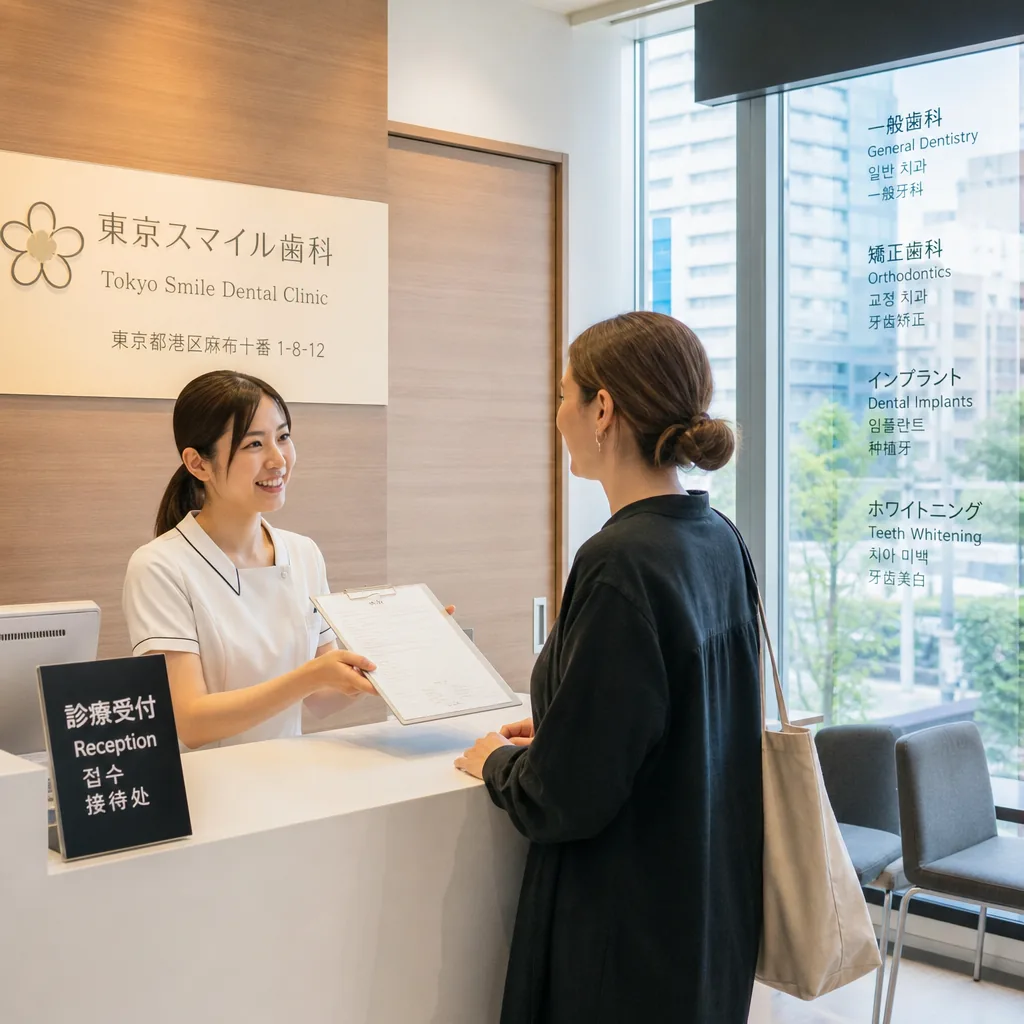
Yes—expats can get English-speaking dental care in Tokyo, but the best option depends on whether you need routine cleaning, complex treatment, or urgent help. In practice, international hospitals, university hospitals, and private clinics in areas like Minato, Shibuya, Shinjuku, and Chiyoda are the most reliable places to start [1][3][5].
Start with official search tools rather than guessing from a clinic’s website. The Tokyo Metropolitan Government’s medical institution information service, Himawari, lets you search for providers by language support and other conditions, which is useful because English availability can vary by day and even by staff member [1].
The Japan National Tourism Organization also offers a medical facilities search aimed at visitors and residents, and it includes foreign-language support information for medical institutions in Japan [3]. If you need live navigation help, the AMDA International Medical Information Center can provide guidance in multiple languages and help you figure out where to go next [2].
For dental care specifically, the Tokyo Dental Association is another useful local resource because it represents many Tokyo dentists and is a practical starting point when you are comparing neighborhood options [4].
Most expats in Tokyo choose between three broad types of providers. First are private neighborhood dental clinics, which are often the fastest and most convenient for cleanings, fillings, and checkups. Second are university hospitals and large hospitals, which are better for complex cases and may offer stronger interpreter or referral support. Third are international or multilingual clinics, which are popular when you want smoother communication from the first appointment.
University hospitals are especially worth considering if your case may involve oral surgery, specialized diagnostics, or treatment across multiple departments. The University of Tokyo Hospital, for example, provides English information and is part of a large academic medical system, which can make it easier to handle referrals or more complicated care [5].
If you live or work near central Tokyo, it is worth checking clinics around Minato, Shibuya, Shinjuku, and Chiyoda because those areas are more likely to have multilingual patients and staff accustomed to handling international visitors [1][3].
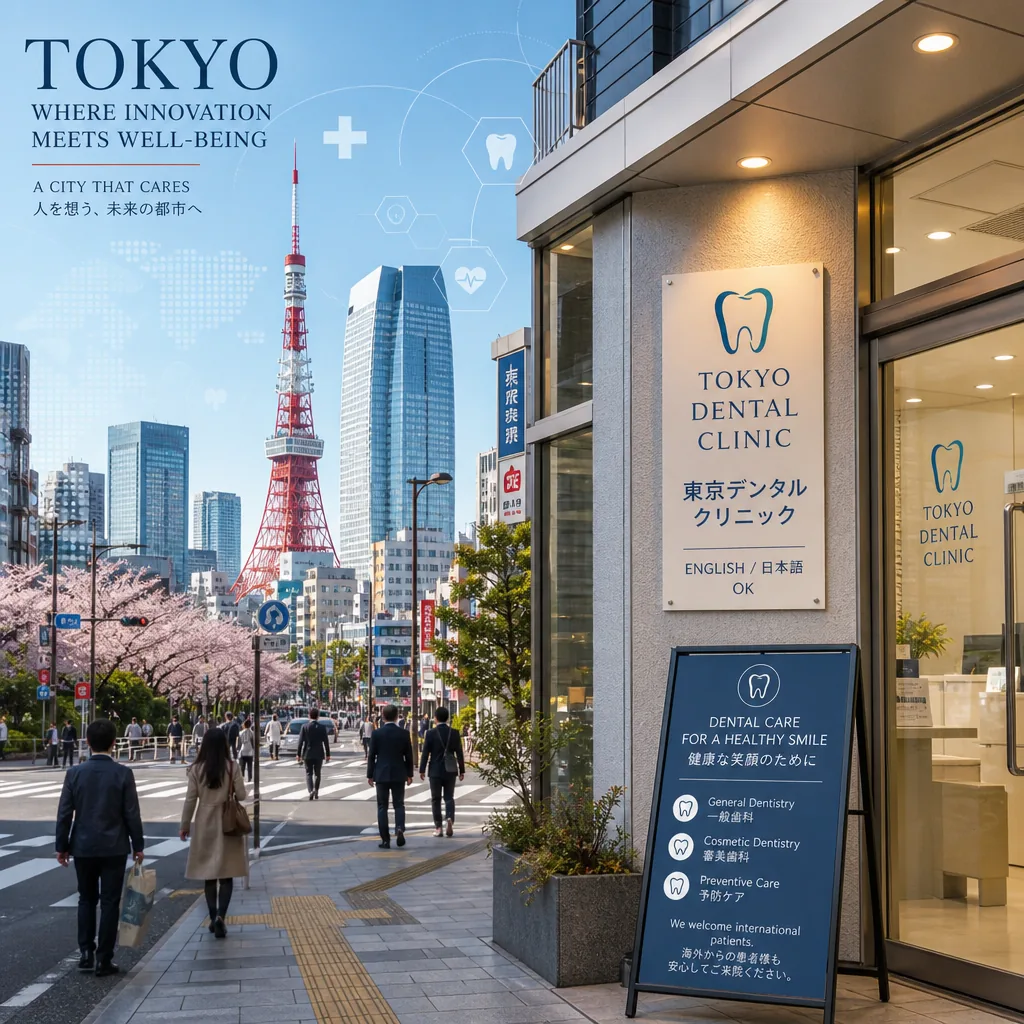
Before you book, confirm more than just “Do you speak English?” In Tokyo, a clinic may advertise English support but still rely on limited staff coverage, so you should ask who will interpret during your visit and whether the dentist can explain treatment options directly in English [1][2][3].
It is also smart to ask about emergency handling, walk-in policy, and whether the clinic can provide a written estimate before any major work. That matters because dental treatment plans in Japan can move from a simple exam to X-rays, periodontal treatment, or crowns quickly, and you want to understand the cost and timeline before agreeing.
If you have limited Japanese, bring a short written summary of your issue in English and, if possible, any previous dental records. That helps with first visits, especially when you are describing pain, prior root canal work, or medication allergies.
Japan’s national health insurance typically covers many standard dental treatments, including exams, X-rays, fillings, extractions, and some periodontal care, but cosmetic or elective procedures are often not covered. That means a veneer, whitening, or some types of implant-related work may cost much more out of pocket than routine care.
Because of that split, it is worth asking the clinic to explain which part of the treatment is covered and which part is self-pay before you begin. If you are planning a larger procedure, ask for the treatment sequence and expected number of visits. In Tokyo, that practical detail matters as much as language support because even an English-speaking clinic may still refer you elsewhere for certain specialist procedures.
For urgent pain, swelling, or a broken tooth, a large hospital or university hospital can be a safer first call if you are unsure where to go. Their referral systems and department structure can help when your case needs oral surgery, imaging, or multidisciplinary treatment [5].
For the most dependable search process, use official or semi-official resources first and then narrow down by neighborhood. Himawari is the main Tokyo government directory, JNTO provides a national foreign-language medical search, and AMDA can help with guidance when you do not know how to proceed [1][2][3].
The Tokyo Dental Association is also worth bookmarking because it connects you to the local dental community and can be helpful when you are comparing options inside the city [4]. Together, these resources give you a practical path: search, confirm language, then book.
If you want the simplest strategy, choose a clinic close to where you live or work, confirm English by phone, and keep a backup option in a nearby hospital district. In Tokyo, that usually means you can get routine dental care without much trouble—as long as you verify language support, insurance handling, and appointment rules before you go.
CallButler is a multilingual concierge service that handles research, coordination, and bookings so you do not have to navigate language barriers or unfamiliar systems alone. If you need help related to Where can expats get English-speaking dental care in Tokyo? or the tasks around it, our team can step in to manage the details and keep things moving smoothly.
Find English-friendly yakitori in Osaka after work by targeting Umeda, Namba, and Honmachi, plus booking sites and multilingual menus.
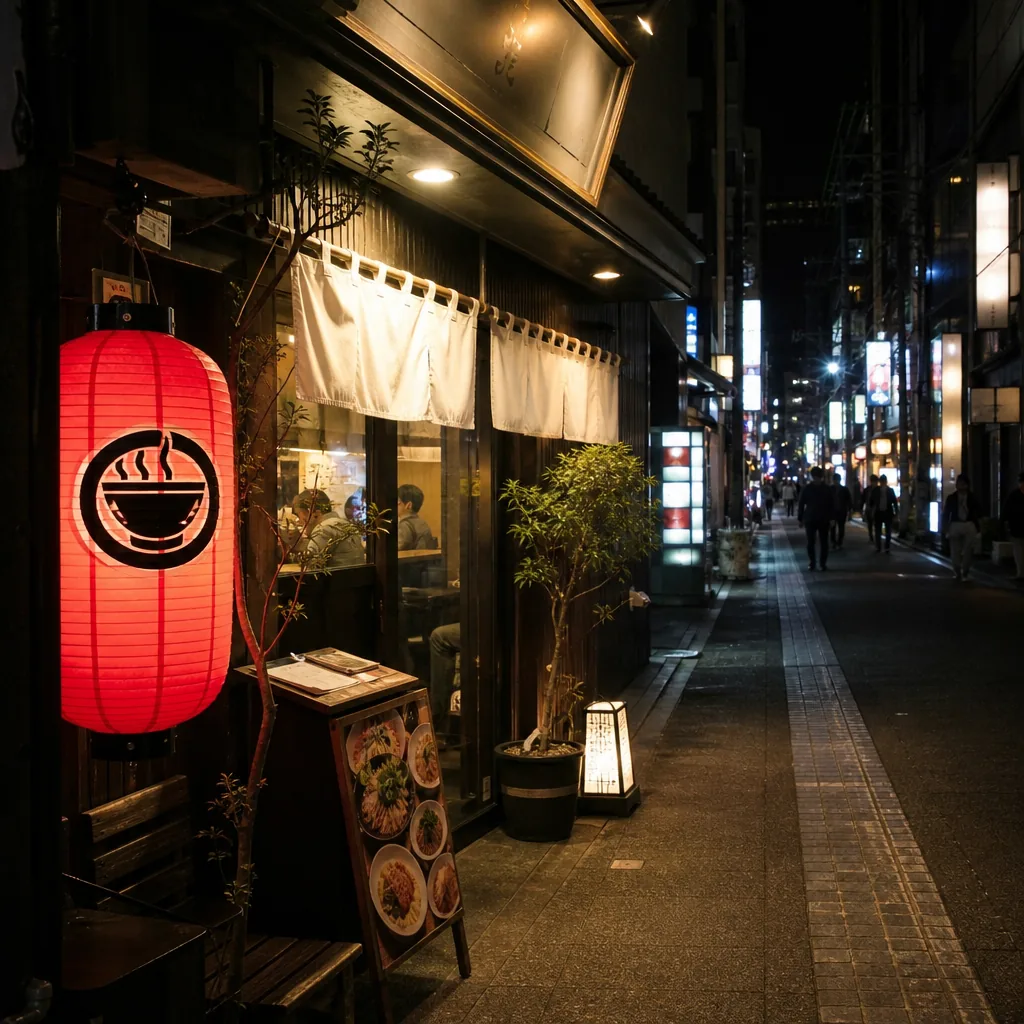
Looking for halal ramen in Kyoto after 10 p.m.? Here’s where to check, which areas are most practical, and how to verify hours and halal status.
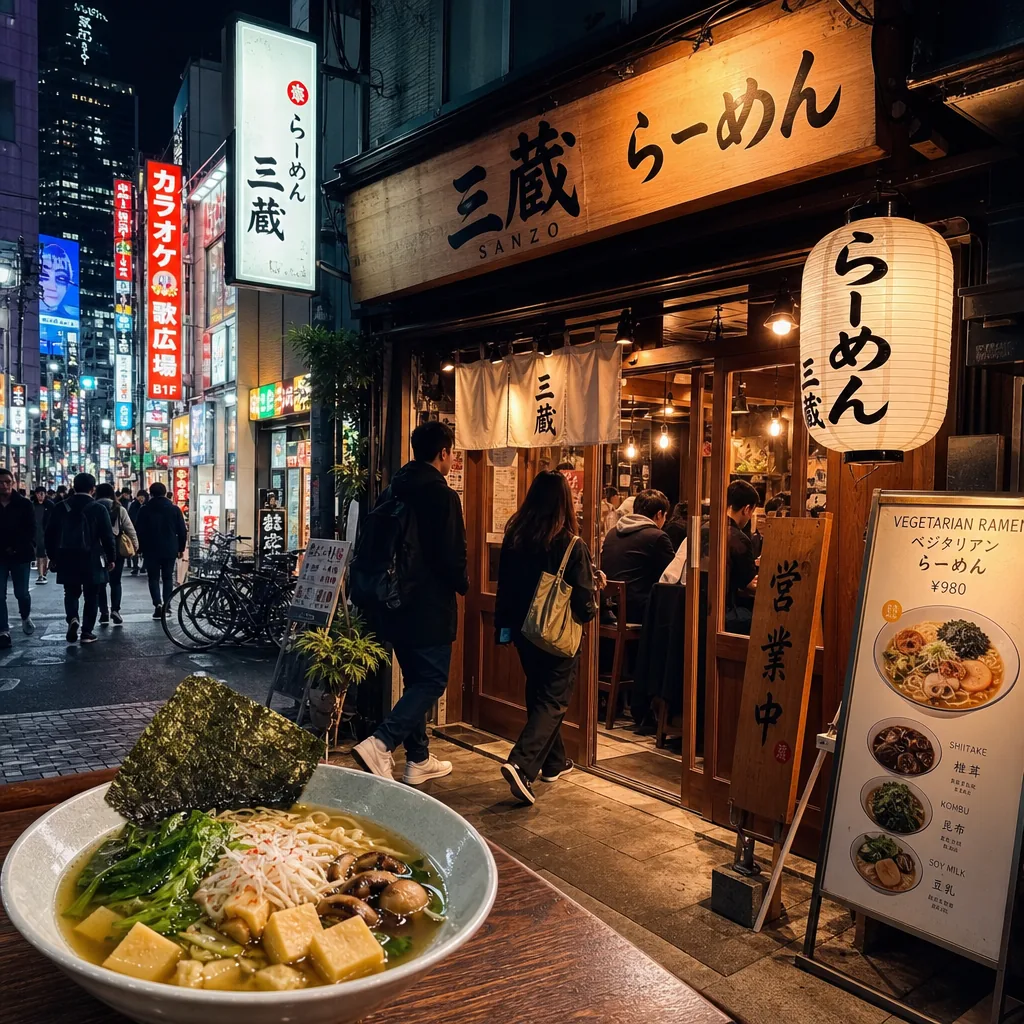
Find late-night vegetarian ramen in Tokyo by focusing on Shibuya, Shinjuku, and Roppongi, then verify broth, hours, and vegan menu details.