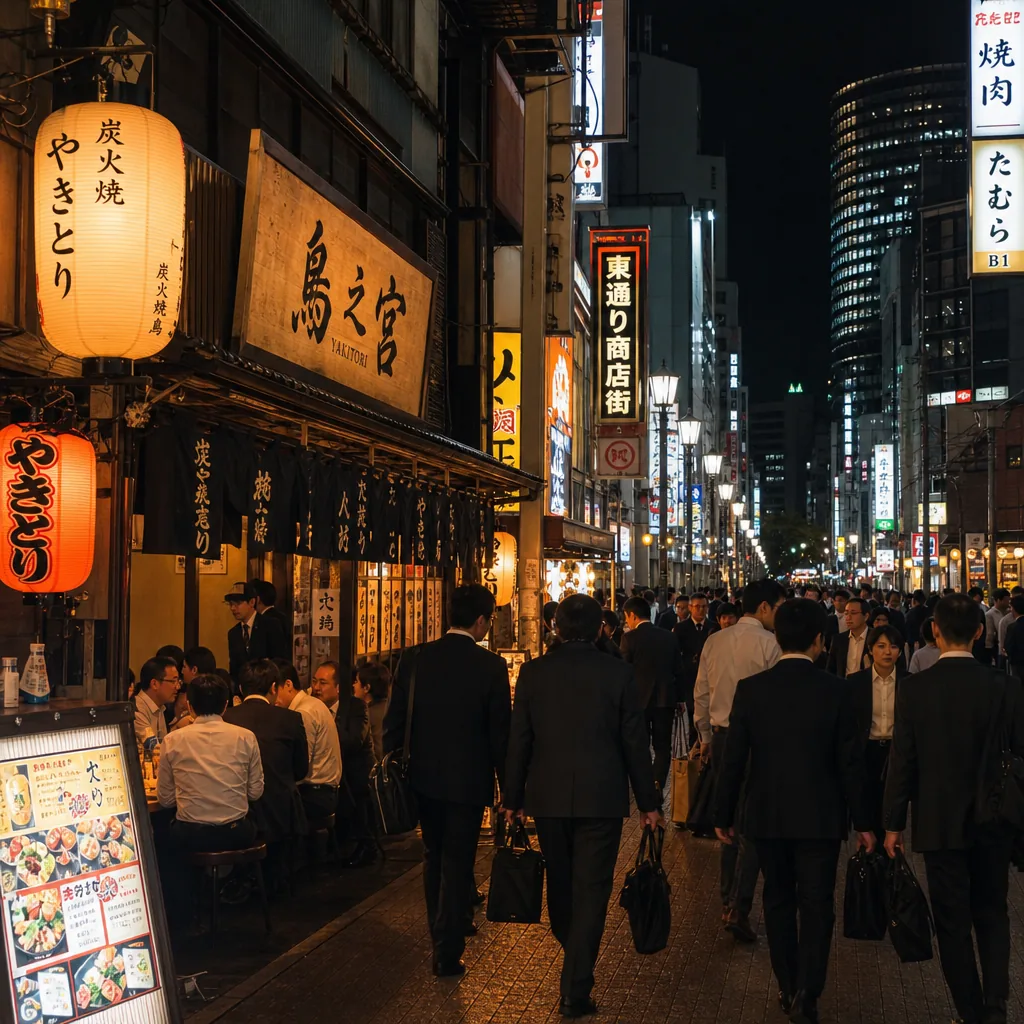
Where can I find english-friendly yakitori in Osaka after work?
Find English-friendly yakitori in Osaka after work by targeting Umeda, Namba, and Honmachi, plus booking sites and multilingual menus.
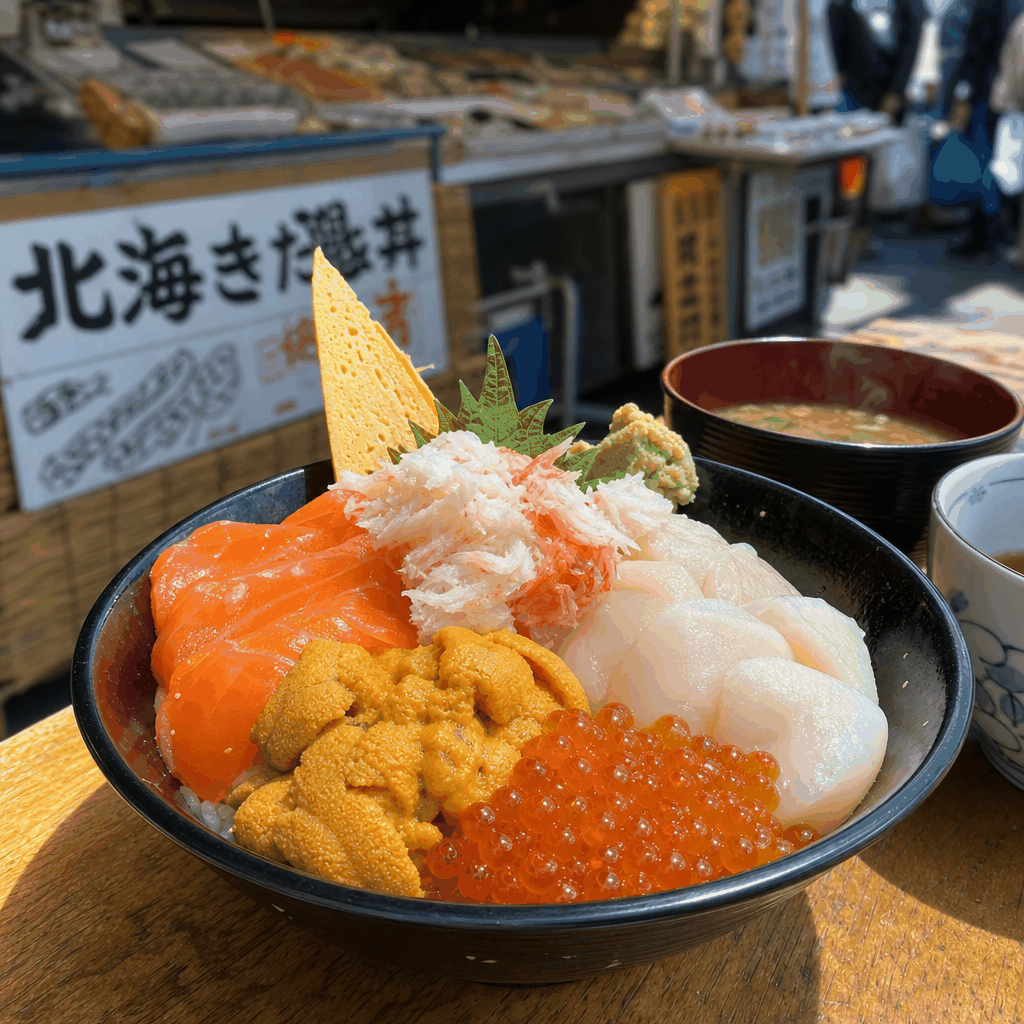
Yes—expats can find some of the best kaisendon in Sapporo around Nijo Market, Sapporo Central Wholesale Market, and the downtown Susukino/Odori area, where seafood is exceptionally fresh and many shops make ordering easier with pictures or English support. If you want a bowl piled with uni, ikura, crab, and scallops, Sapporo is one of the most reliable cities in Japan for it.
Sapporo sits at the center of Hokkaido, which gives it unusually strong access to cold-water seafood and major wholesale channels. That matters for kaisendon because the bowl depends on freshness, variety, and seasonal supply rather than cooking or heavy seasoning.
One reason the city stands out is the concentration of seafood markets and market-adjacent restaurants in the same area. Nijo Market is a long-established central market that attracts both visitors and locals, while Sapporo Central Wholesale Market and its outer market area are known for breakfast and lunch seafood dining [1][2][3][4].
For expats, that cluster is useful because it reduces the guesswork. Instead of hunting across the city, you can focus on a few neighborhoods where seafood is the specialty and where menus are often built for walk-in customers.
The easiest place to start is Nijo Market, just east of Odori. The market’s official guide and Sapporo City Tourism both highlight it as a central sightseeing and dining area, and seafood bowls are one of its main draws [1][3]. Because it is compact and well known, it is a practical first stop if you want to compare several bowls without traveling far.
The second major area is the Sapporo Central Wholesale Market and its outer market. Sapporo City Tourism describes it as a place for fresh seafood shopping and dining, and the outer market specifically promotes breakfast-style seafood meals [2][4]. This area is especially useful if you want an early meal before sightseeing or a day trip.
For a more city-center option, look in the Susukino and Odori area. While this is not a market district in the same way, many seafood restaurants and izakaya-style spots there serve kaisendon or kaisendon-like bowls, and the downtown location is convenient if you are staying near major hotels or transit.
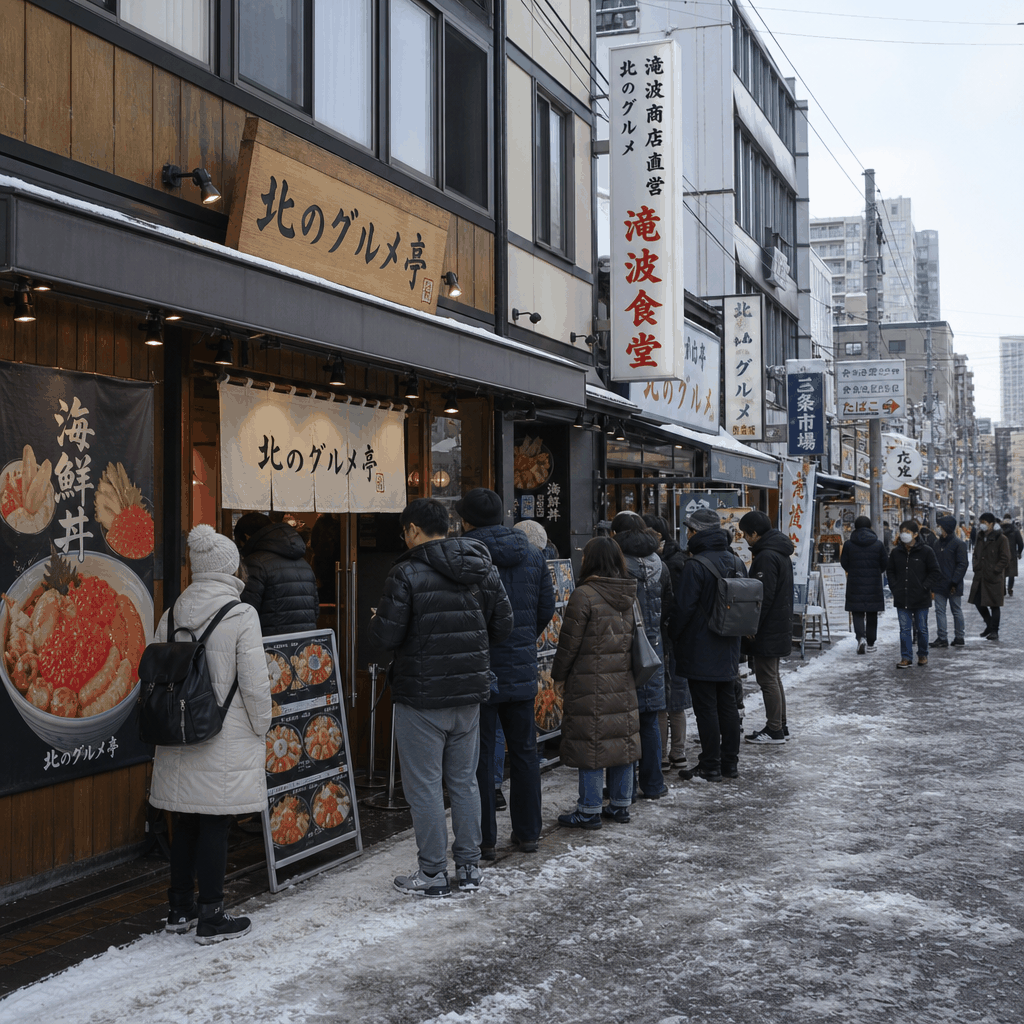
At Nijo Market, the appeal is not just one famous shop but the overall concentration of seafood-bowl counters and restaurants. The official market guide presents the area as a major seafood destination with easy access to local products and dining [1]. In practice, that means you can choose based on queue length, topping style, and price rather than committing to a single name in advance.
At the Sapporo Central Wholesale Market Outer Market, the Seafood Market area is designed around wholesale freshness and public dining. Its English-language materials emphasize market-proximate breakfast and lunch meals, which makes it a strong option for early birds who want a straightforward kaisendon experience before the crowd builds [4].
For expats who prefer a quieter, less market-centered setting, downtown Susukino and Odori often provide the easiest access from hotels and train stations. The trade-off is that these bowls may feel less “market-like” than those at Nijo or the outer market, but they are still a practical way to get a high-quality seafood bowl without an early start.
A good kaisendon in Sapporo usually emphasizes two things: freshness and balance. The bowl should not be overloaded in a way that hides the flavor of the seafood, but it should still give you enough variety to justify the price.
Common toppings in Sapporo include uni, ikura, crab, scallops, and seasonal white fish. These ingredients appear again and again because they reflect Hokkaido’s strengths and the city’s seafood supply [1][2][4].
When comparing bowls, look for these practical signs:
Price varies widely, so smaller bowls can be a smart choice if you want to sample premium toppings without overspending. If you are in Sapporo for a few days, it is often better to try one modest bowl at breakfast and another more elaborate bowl later, rather than spending heavily on a single oversized version.
Many kaisendon shops in tourist-heavy parts of Sapporo use picture menus, English labels, or ticket machines. That can make ordering much easier if you do not read Japanese. In market districts especially, visual menus are common enough that you can usually point to the bowl you want and avoid a long conversation.
It also helps to know a few useful phrases and habits:
Because many of the best-known bowl shops are in compact market areas, queues can form quickly on weekends and holiday mornings. If you are staying in Sapporo for only a short time, aim for a weekday breakfast rather than a late brunch.
For kaisendon in Sapporo, earlier is usually better. Breakfast and early lunch are the strongest windows because market-adjacent shops are set up to serve seafood soon after the day begins, and popular items are less likely to sell out.
Nijo Market and the Sapporo Central Wholesale Market area are especially strong in the morning because they are tied to market activity and sightseeing traffic [1][2][3][4]. If you want the best chance of getting uni, crab, or a mix bowl with a full topping selection, go early rather than late afternoon.
In short, the best kaisendon for expats in Sapporo is usually found where the city’s seafood supply is most direct: Nijo Market, the Central Wholesale Market outer market, and a few well-placed downtown restaurants. Start with those areas, choose by topping freshness and menu clarity, and you will have a much better chance of finding the bowl that fits your budget and appetite.
CallButler is a multilingual concierge service that handles research, coordination, and bookings so you do not have to navigate language barriers or unfamiliar systems alone. If you need help related to Where can expats find the best kaisendon in Sapporo? or the tasks around it, our team can step in to manage the details and keep things moving smoothly.
Find English-friendly yakitori in Osaka after work by targeting Umeda, Namba, and Honmachi, plus booking sites and multilingual menus.
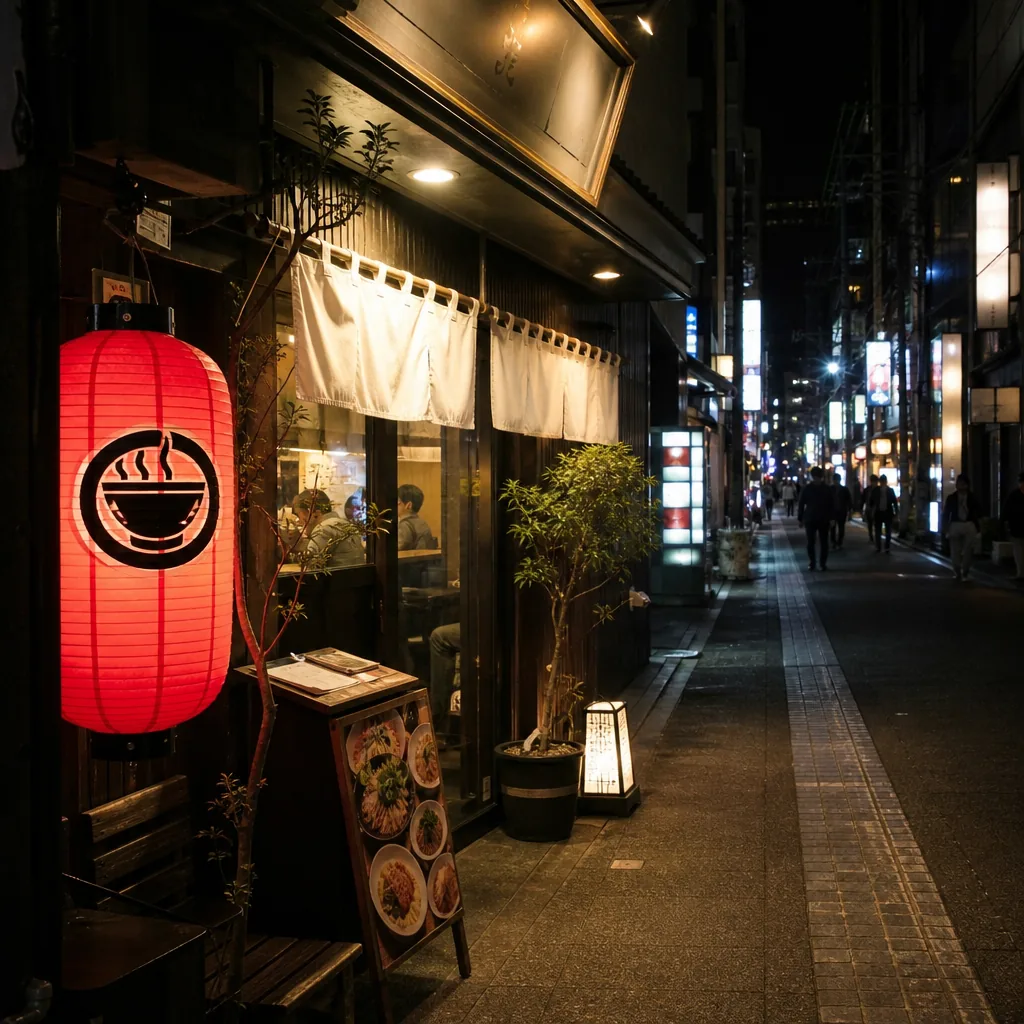
Looking for halal ramen in Kyoto after 10 p.m.? Here’s where to check, which areas are most practical, and how to verify hours and halal status.
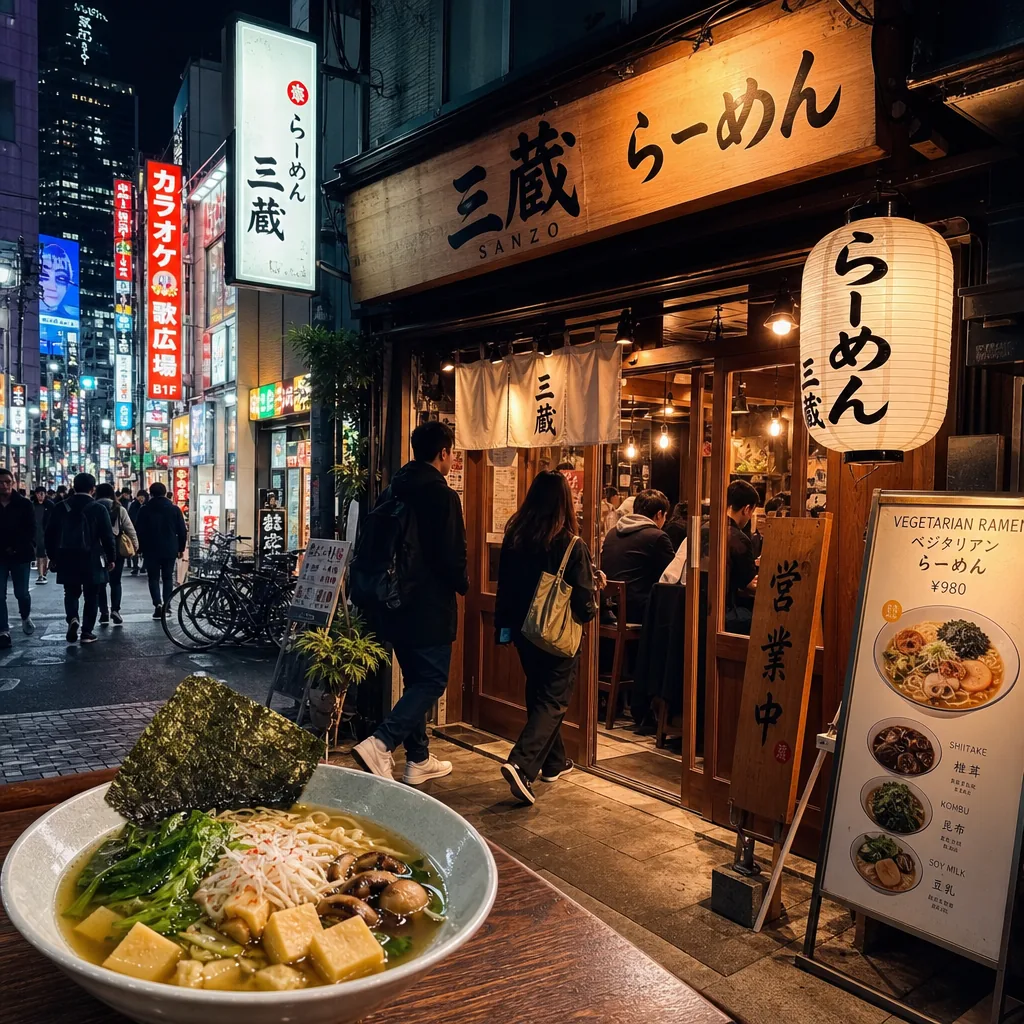
Find late-night vegetarian ramen in Tokyo by focusing on Shibuya, Shinjuku, and Roppongi, then verify broth, hours, and vegan menu details.