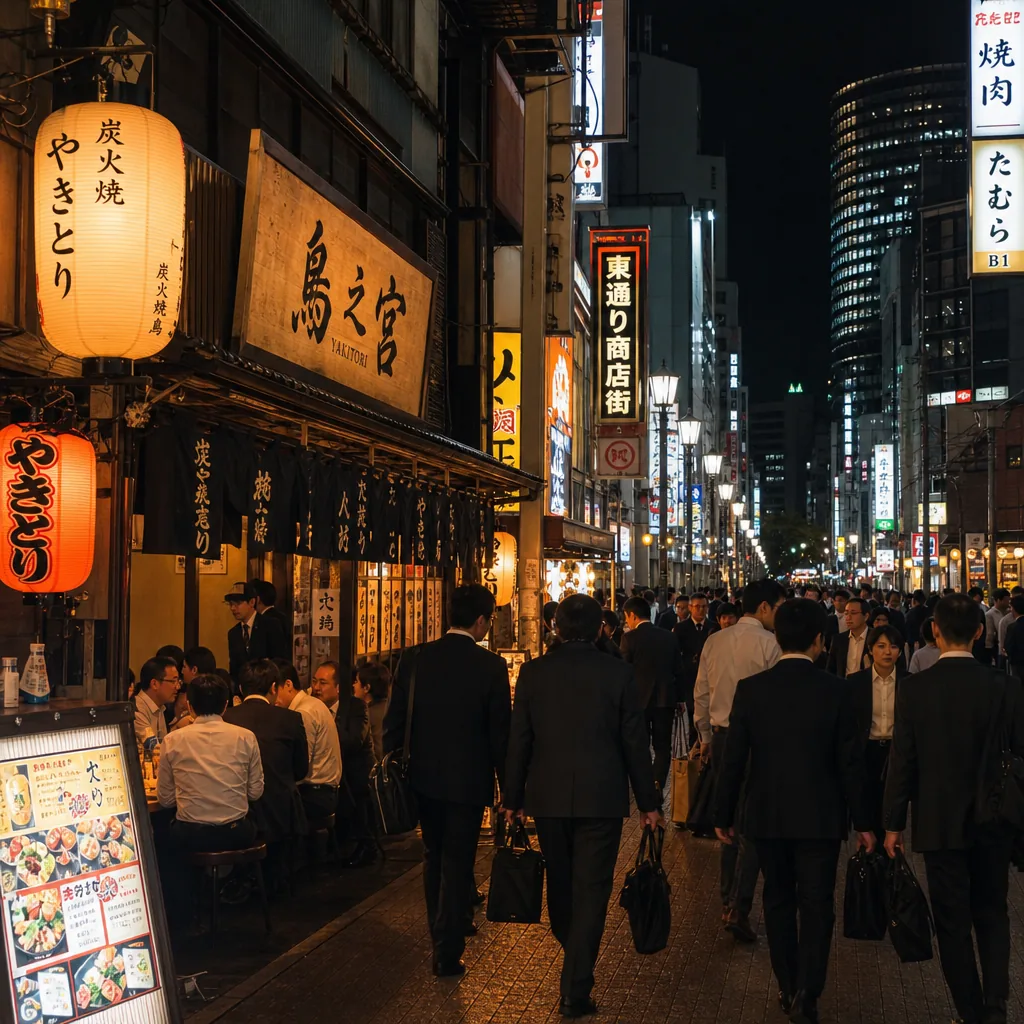
Where can I find english-friendly yakitori in Osaka after work?
Find English-friendly yakitori in Osaka after work by targeting Umeda, Namba, and Honmachi, plus booking sites and multilingual menus.
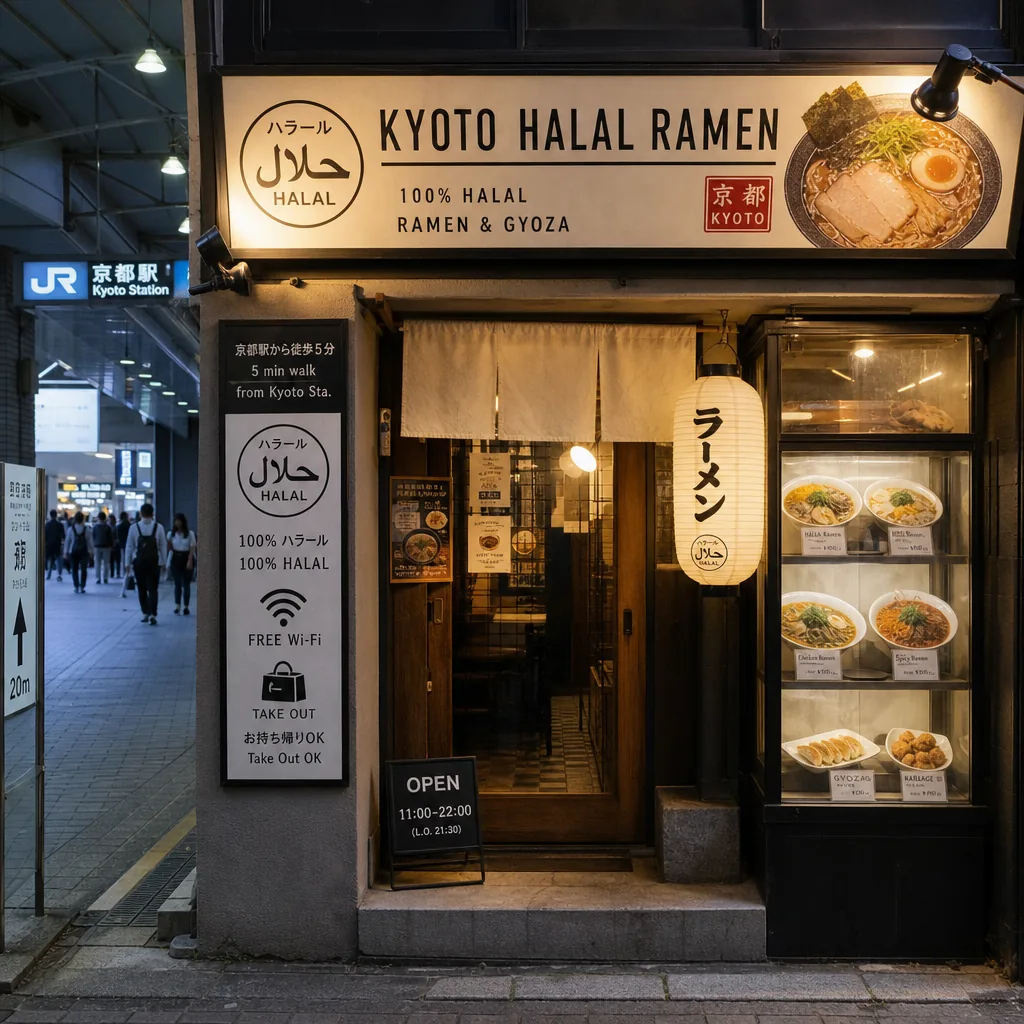
Yes—expats can find halal ramen in Kyoto, but the options are limited and clustered in central areas, especially around major stations and tourist corridors. The safest picks are restaurants that clearly state halal certification or Muslim-friendly preparation and can explain how they handle broth, utensils, and cooking oil [2][3][4].
Kyoto is not a city where you can assume any ramen shop will work for a halal diet. Ramen broth often uses pork, chicken, seafood, or alcohol-based seasonings, and even a “no pork” menu can still fall short if the tare or frying oil is shared with non-halal items [2]. That is why Kyoto’s most dependable halal ramen choices are the places that say so publicly, either through halal certification, Muslim-friendly labeling, or clear ingredient notes [2][4].
For visitors, this matters most in busy areas such as Kyoto Station, Gion, and the central sightseeing zone, where restaurants are more likely to cater to international diners. Kyoto City’s tourism materials and JNTO’s halal guidance both stress checking the latest status before you go, because menus and preparation methods can change [1][2].
One of the most practical ways to find halal ramen is to start with Kyoto-specific Muslim-friendly listings rather than general map searches. The Muslim-Friendly Kyoto Map and Halal Gourmet Japan both list current ramen options by area, which is useful because Kyoto’s halal-friendly restaurants are concentrated rather than spread evenly across the city [3][4].
For a concrete example, Kyoto Engine Ramen is listed among Kyoto halal-friendly ramen choices on halal restaurant directories, making it a reliable starting point for travelers who want a clearly signposted halal meal rather than improvising at a conventional shop [3][4]. Another commonly referenced option in Kyoto is Honolu Ramen, which is known in visitor guides for serving Muslim-friendly ramen in Kyoto and for presenting its dishes in a way that makes ingredient checking easier for international guests [3][4].
Nishiki Market is not a ramen venue itself, but it is a useful nearby landmark if you are staying in the central city and want to combine food exploration with a halal ramen stop in the surrounding district. Likewise, Kyoto Station is one of the most practical bases for expats because halal-friendly ramen spots are easier to reach from there than from the city’s outer neighborhoods [1][3][4].
When you are choosing between options, prefer places that publicly mention:
If a shop only says “no pork,” that is not enough to confirm halal compliance [2].
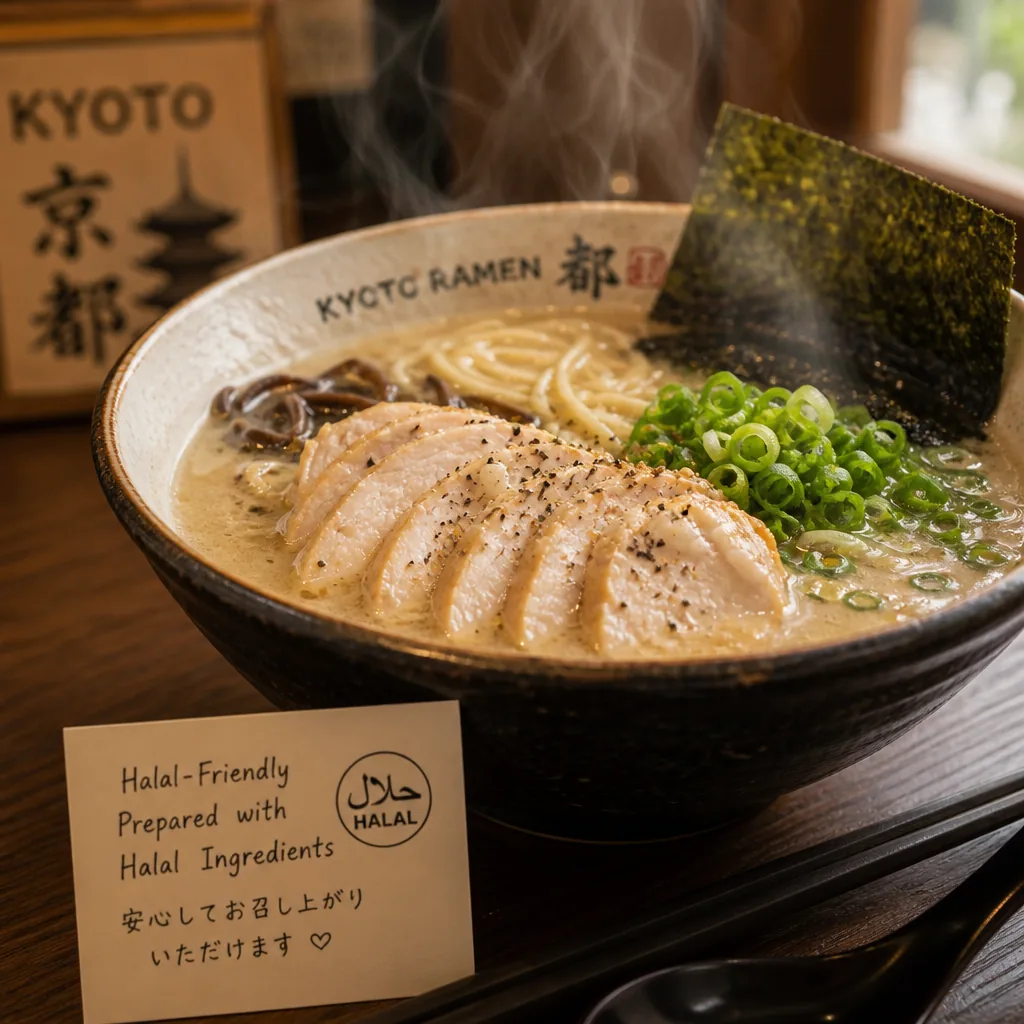
The most important habit is to verify more than the headline claim. JNTO advises travelers to look for halal certification logos and confirm the latest conditions directly with the restaurant, because labeling can differ from one business to another [2]. In Kyoto, where some ramen shops adapt standard recipes for Muslim guests, the question is not just whether pork is absent, but whether the broth, tare, utensils, and frying oil are separated from non-halal cooking [2][4].
A simple checklist helps:
This is especially useful in Kyoto because some listings may update seasonally or limit halal service to specific hours. For expats living in the city, saving the shop’s phone number and checking recent posts before leaving home can prevent wasted trips [2][5].
If you want the easiest halal ramen hunt, focus on central Kyoto rather than residential edges. The most visitor-friendly areas are around Kyoto Station, Karasuma, and the route between Gion and downtown shopping streets, where Muslim-friendly businesses are more likely to appear in English-language directories [1][3][4].
For a first visit, Kyoto Station is the safest transit hub. It is simple to reach by JR, subway, and bus, and it gives you access to multiple halal listings without needing long transfers. If you are sightseeing in the eastern district, Gion-area ramen searches can work too, but you should expect smaller shop footprints and more variation in opening hours [1][3].
A useful strategy is to plan meals around day trips and landmarks. For example, if you are spending the afternoon near downtown Kyoto or Nishiki Market, choose a nearby halal ramen listing in advance rather than searching on the spot. This reduces the chance of ending up at a shop that closes early or cannot confirm ingredients on the day [3][4].
Kyoto City’s tourism resources are designed for visitors who want a smoother food experience, and they are a good starting point for mapping routes and confirming which districts have the strongest visitor infrastructure [1].
Halal ramen in Kyoto usually looks familiar, but the ingredients may be adjusted. Common versions include chicken-based broth, halal wagyu ramen, or seafood-forward bowls with halal-friendly seasonings [2][3][4]. You may also find menus that remove pork toppings and offer alternatives such as chicken chashu or simpler garnish sets. The point is not to expect a huge halal ramen scene, but to expect a few solid choices that are clearly labeled and well managed.
Prices and service styles vary, but the practical takeaway is the same: Kyoto’s halal ramen restaurants are best treated as planned stops, not spontaneous walk-ins. Before you go, check the current map listing, confirm whether reservations are needed, and note the last order time. For long-term expats, this small amount of preparation is the difference between an easy dinner and a frustrating search [2][3][4][5].
In short, expats can find halal ramen in Kyoto now, but the best results come from staying close to central Kyoto, relying on verified Muslim-friendly listings, and confirming the details directly before ordering. That approach is the most reliable way to enjoy ramen in a city where the options are good, but still selective [1][2][3][4].
CallButler is a multilingual concierge service that handles research, coordination, and bookings so you do not have to navigate language barriers or unfamiliar systems alone. If you need help related to Where can expats find halal ramen in Kyoto now? or the tasks around it, our team can step in to manage the details and keep things moving smoothly.
Find English-friendly yakitori in Osaka after work by targeting Umeda, Namba, and Honmachi, plus booking sites and multilingual menus.
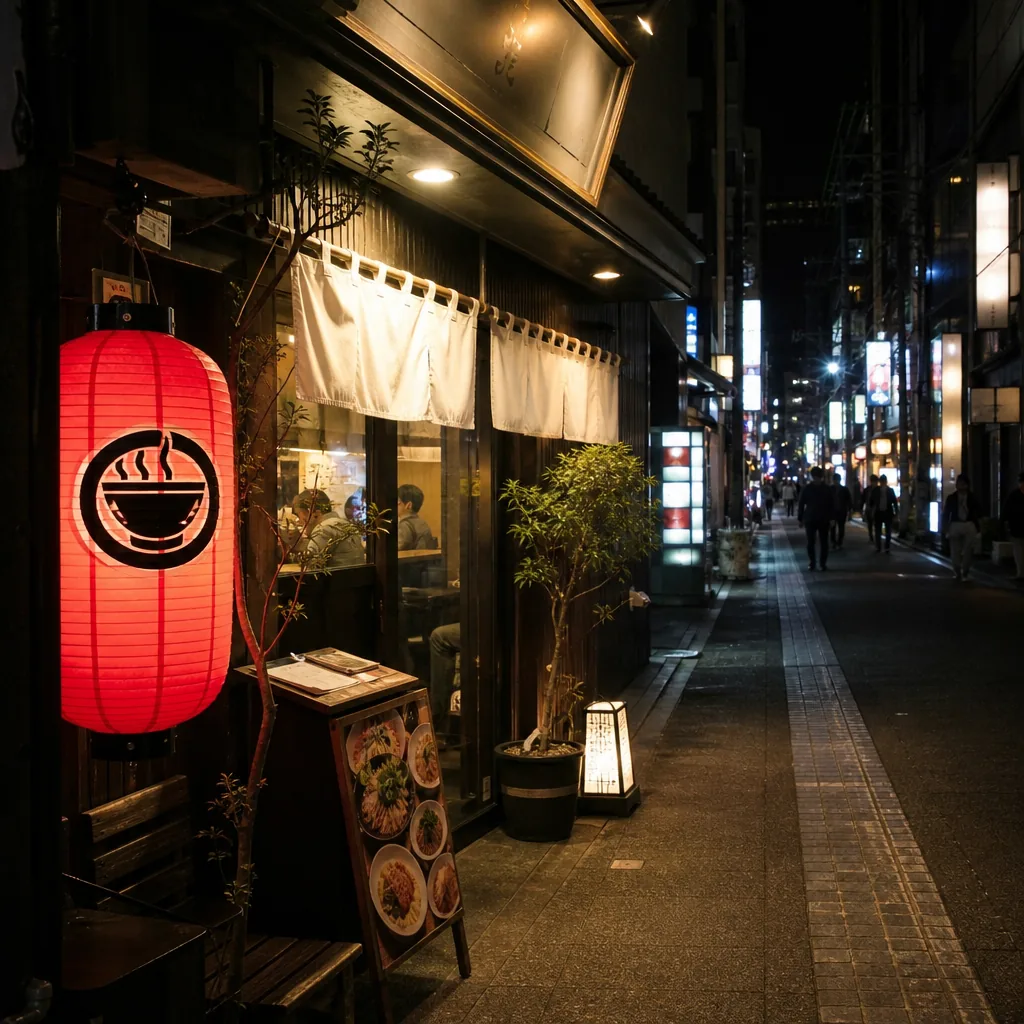
Looking for halal ramen in Kyoto after 10 p.m.? Here’s where to check, which areas are most practical, and how to verify hours and halal status.
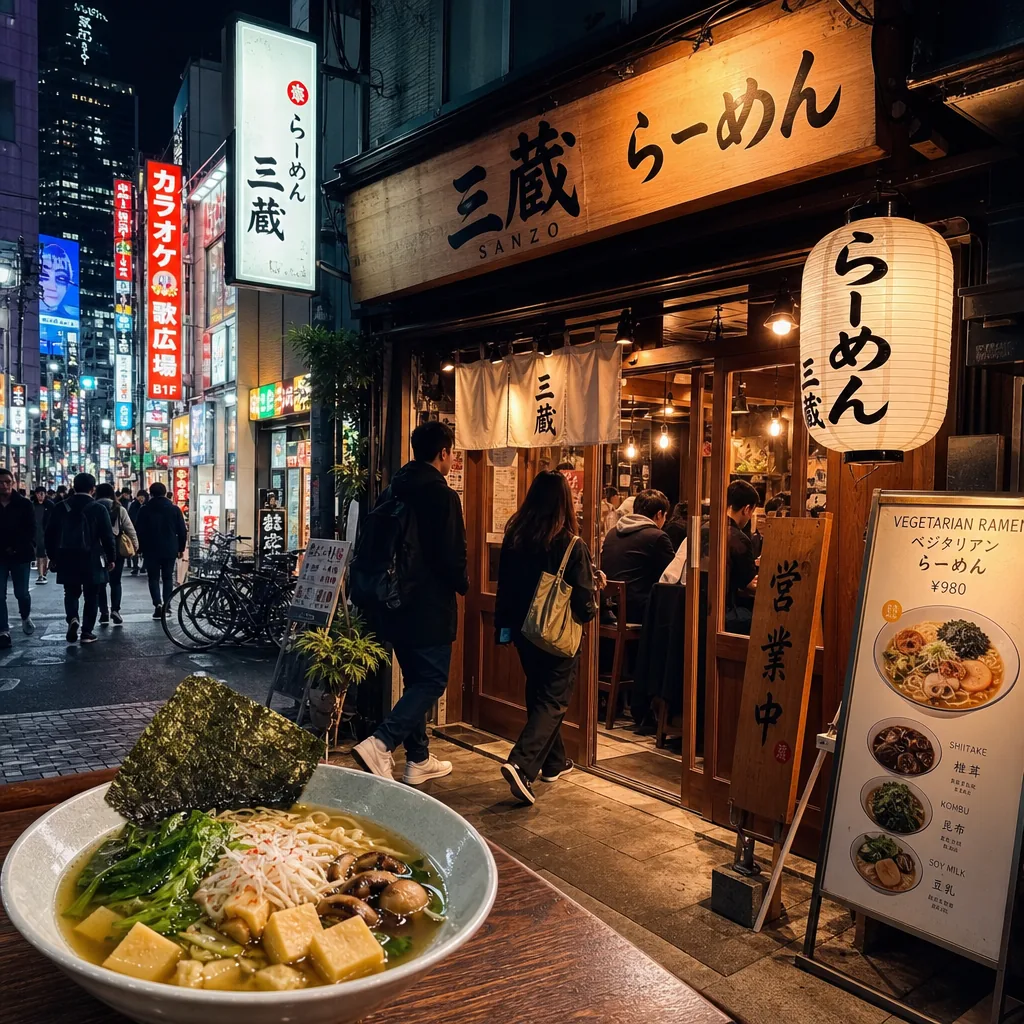
Find late-night vegetarian ramen in Tokyo by focusing on Shibuya, Shinjuku, and Roppongi, then verify broth, hours, and vegan menu details.