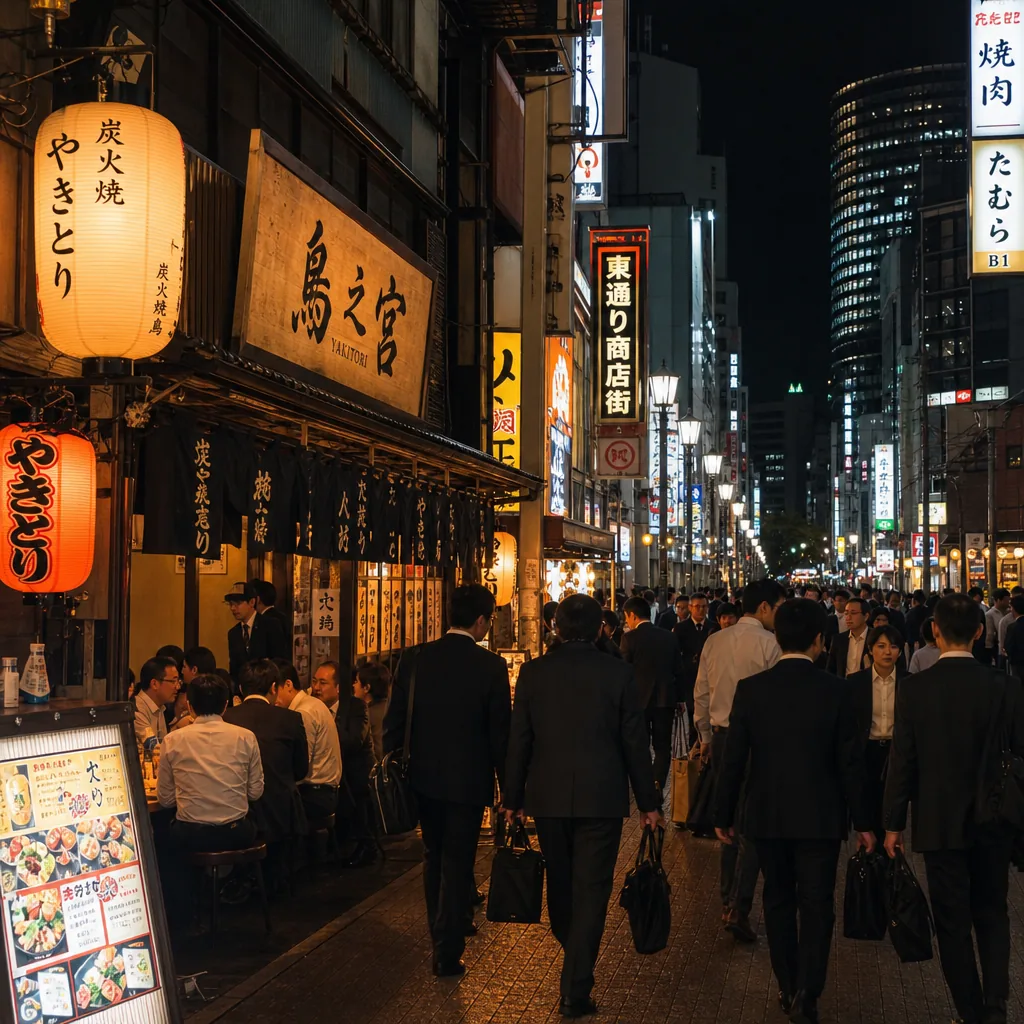
Where can I find english-friendly yakitori in Osaka after work?
Find English-friendly yakitori in Osaka after work by targeting Umeda, Namba, and Honmachi, plus booking sites and multilingual menus.
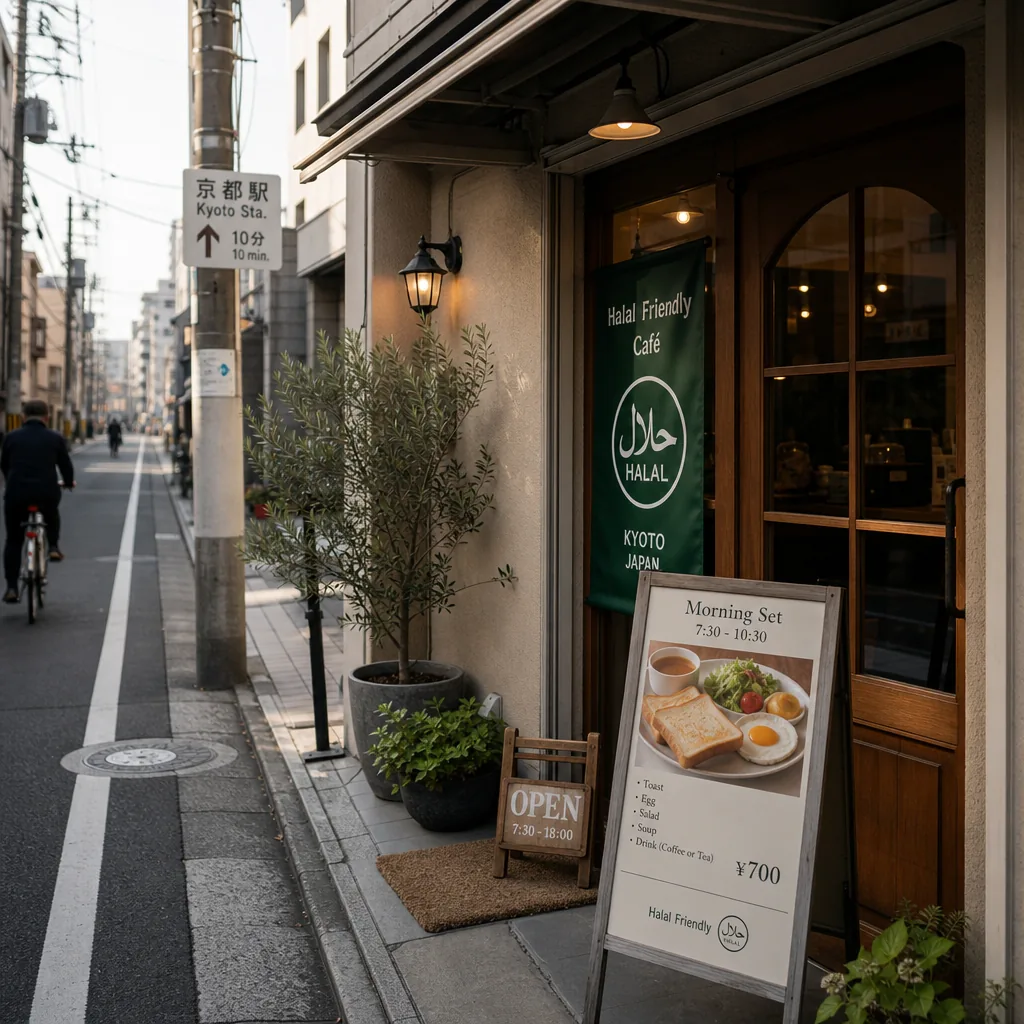
Yes—expats can find halal breakfast in Kyoto now, but the safest bets are in central Kyoto near Kyoto Station and major sightseeing corridors, where halal-certified or Muslim-friendly cafés and restaurants are easiest to reach [1][3][5]. The breakfast scene is still smaller than Kyoto’s lunch and dinner halal options, so you should expect simple morning sets, bread-based meals, coffee, and light Japanese-style plates rather than a large buffet spread [1][2].
In Kyoto, “halal breakfast” can mean three different things: fully halal-certified, Muslim-friendly, or a breakfast menu that simply avoids obvious non-halal ingredients. That distinction matters because Japan does not use one universal halal label, and official travel guidance recommends checking the restaurant’s current page, ingredients, and support facilities before you go [1][2][3].
For practical planning, look for breakfast that is clearly described as halal or Muslim-friendly, with straightforward items such as bread, eggs, salad, rice dishes, soup, coffee, and drinks. Kyoto’s tourism and food directories are useful because they list restaurants by area and often note whether they are halal or can accommodate Muslim visitors [1][3][5].
It also helps to know that some places are better known for lunch or dinner than for breakfast. If the menu is unclear in the morning, a hotel breakfast with allergy or dietary support may be your best fallback, followed by a later halal lunch or brunch in the city [2][4].
Start with central Kyoto, especially around Kyoto Station. This is the easiest place to search because it is the city’s main transport hub and a practical base for visitors arriving by train or staying one or two nights. Kyoto’s official visitor guides and halal listings both point travelers toward central districts first, since they have the highest concentration of dining options and the simplest access [1][3][5].
Another good area is the corridor between Kyoto Station, Shijo, and the downtown core. This area is useful for expats because it combines transit access with morning cafés, convenience stores, and restaurants that may open earlier than neighborhood eateries. If you are planning sightseeing in the same day, this location makes it easier to stop for breakfast without adding extra travel time.
Tourist-heavy spots such as Gion and the wider Higashiyama area can also work, but they are usually better for a later meal than an early breakfast. The reason is simple: some halal-friendly restaurants in these districts open for lunch service rather than breakfast, so you need to check the opening hours carefully on the day you visit [1][4].
Kyoto has a handful of venues and listings that make morning eating more manageable. For example, Muslim-friendly cafés and halal restaurants listed in central Kyoto by Halal Gourmet Japan are the most practical starting point for breakfast searches because the directory groups places by neighborhood and provides current listing details [5].
Official Kyoto tourism information also directs visitors to restaurant pages and halal-related dining guidance rather than promising a fixed breakfast list, which is an important clue: in Kyoto, breakfast availability changes by venue, not by citywide standard [1][4]. That means the best options are often places that serve set breakfasts, sandwiches, toast, or simple rice-based meals rather than a full English-style spread.
In practice, expats often do best with these breakfast types:
Named places worth checking on the official and directory listings include Kyoto Station as your search base, Gion for sightseeing-area dining, and Shijo for central access to morning cafés and restaurants [1][3][5]. These are not guarantees of breakfast service at every venue, but they are the best neighborhoods to begin your search.
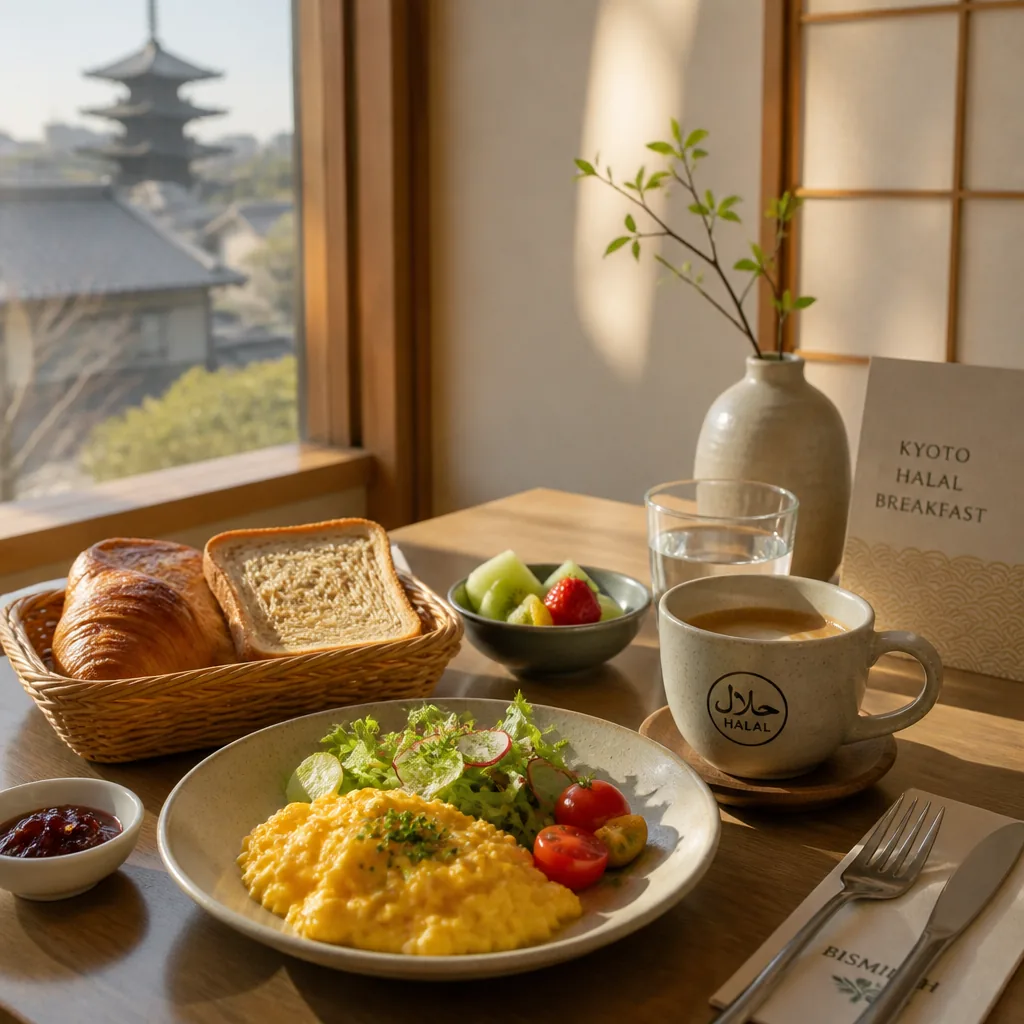
Another useful source is the Kyoto City International Foundation, which provides multicultural information for residents and visitors. While it is not a breakfast-only guide, it is helpful for confirming local support resources and for understanding where foreign residents in Kyoto can find updated community-facing information [3].
Do not rely on a single old review or an outdated social post. Kyoto City’s official travel guidance and JNTO both stress that visitors should verify current details directly with each business, including menu items, opening hours, and any prayer-related support [1][2][4]. That advice is especially important in the morning, when some restaurants open later than expected or switch their menu on weekdays and weekends.
A quick verification routine works best:
If a venue is listed as Muslim-friendly rather than certified halal, that does not automatically make it unsuitable—but it does mean you should check ingredients more carefully. JNTO’s guidance for Muslim travelers specifically recommends direct confirmation, since ingredient standards and facility availability can vary from one restaurant to another [2].
Plan your breakfast around your itinerary. If you are staying near Kyoto Station, you can reach central halal-friendly spots quickly and avoid wasting time before sightseeing. If you are staying in Gion or Higashiyama, think of breakfast as a flexible add-on and be ready to move to downtown Kyoto if your first choice is not open [1][5].
It is also smart to build a backup plan. A hotel breakfast with clearly labeled ingredients, a nearby bakery, or a convenience-store option can buy you time until a halal lunch venue opens. Kyoto’s official tourism guidance makes clear that travelers should expect variation, so flexibility is part of the system rather than a sign that you planned badly [1][4].
For expats living in or visiting Kyoto, the formula is straightforward: search central neighborhoods first, use official and directory listings, and confirm the menu on the day you go. That approach gives you the best chance of finding a halal or Muslim-friendly breakfast without guessing—and it works especially well in Kyoto’s compact city center, where the main dining corridors are easy to reach from major hotels and transit stops [1][2][5].
CallButler is a multilingual concierge service that handles research, coordination, and bookings so you do not have to navigate language barriers or unfamiliar systems alone. If you need help related to Where can expats find halal breakfast in Kyoto now? or the tasks around it, our team can step in to manage the details and keep things moving smoothly.
Find English-friendly yakitori in Osaka after work by targeting Umeda, Namba, and Honmachi, plus booking sites and multilingual menus.
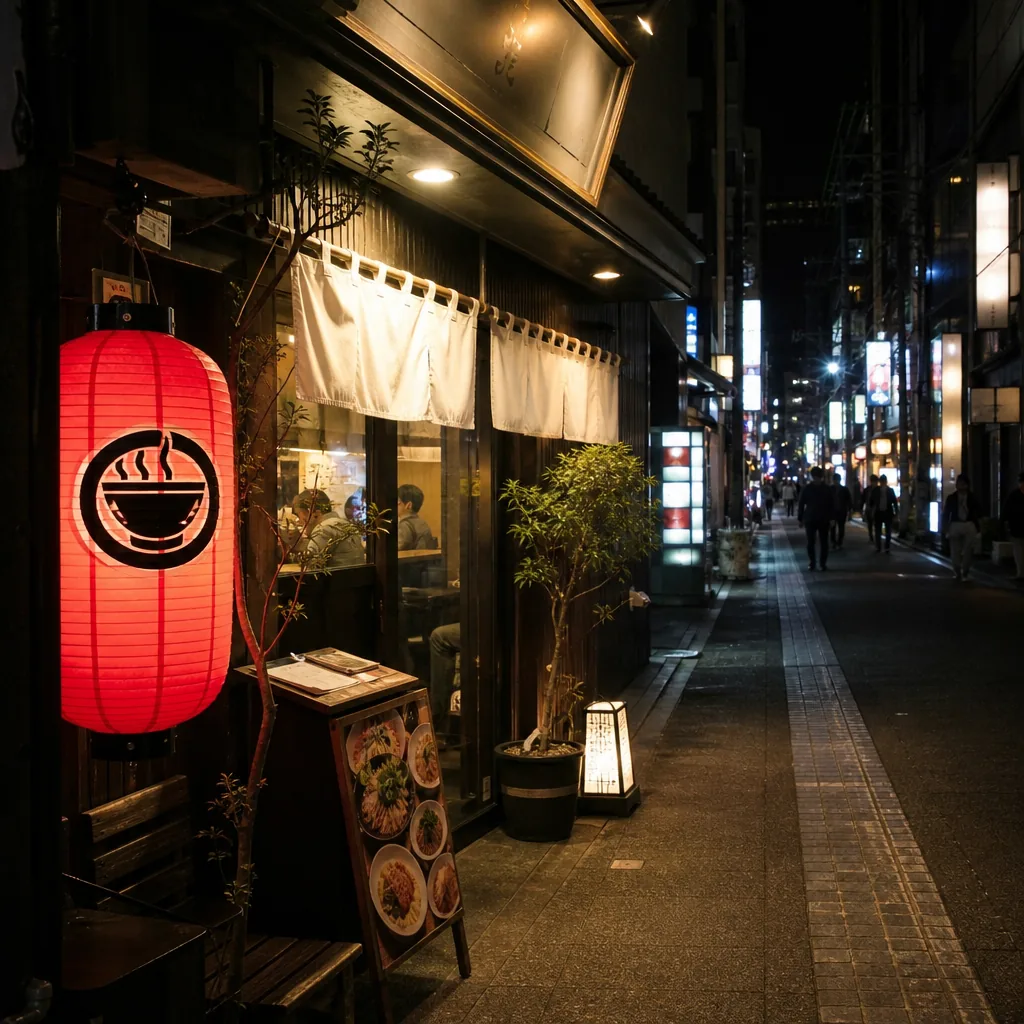
Looking for halal ramen in Kyoto after 10 p.m.? Here’s where to check, which areas are most practical, and how to verify hours and halal status.
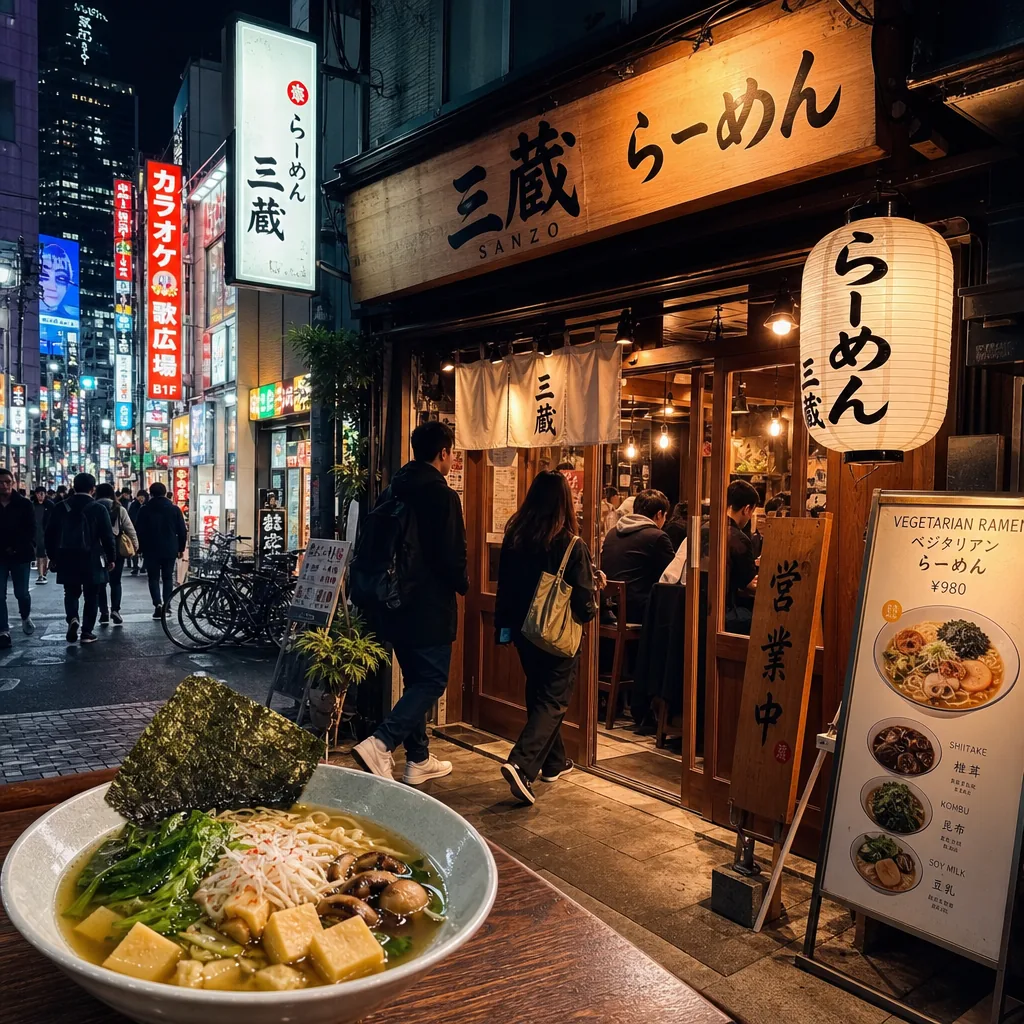
Find late-night vegetarian ramen in Tokyo by focusing on Shibuya, Shinjuku, and Roppongi, then verify broth, hours, and vegan menu details.