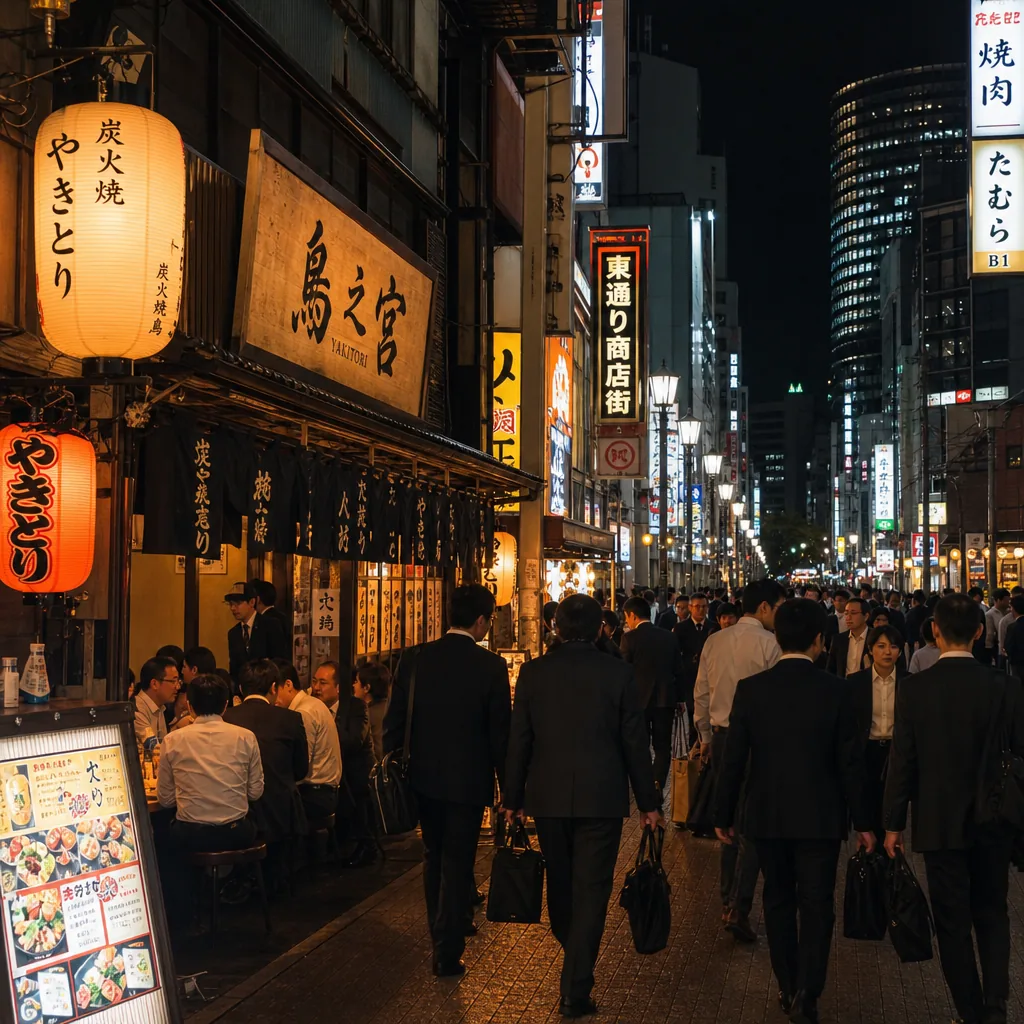
Where can I find english-friendly yakitori in Osaka after work?
Find English-friendly yakitori in Osaka after work by targeting Umeda, Namba, and Honmachi, plus booking sites and multilingual menus.
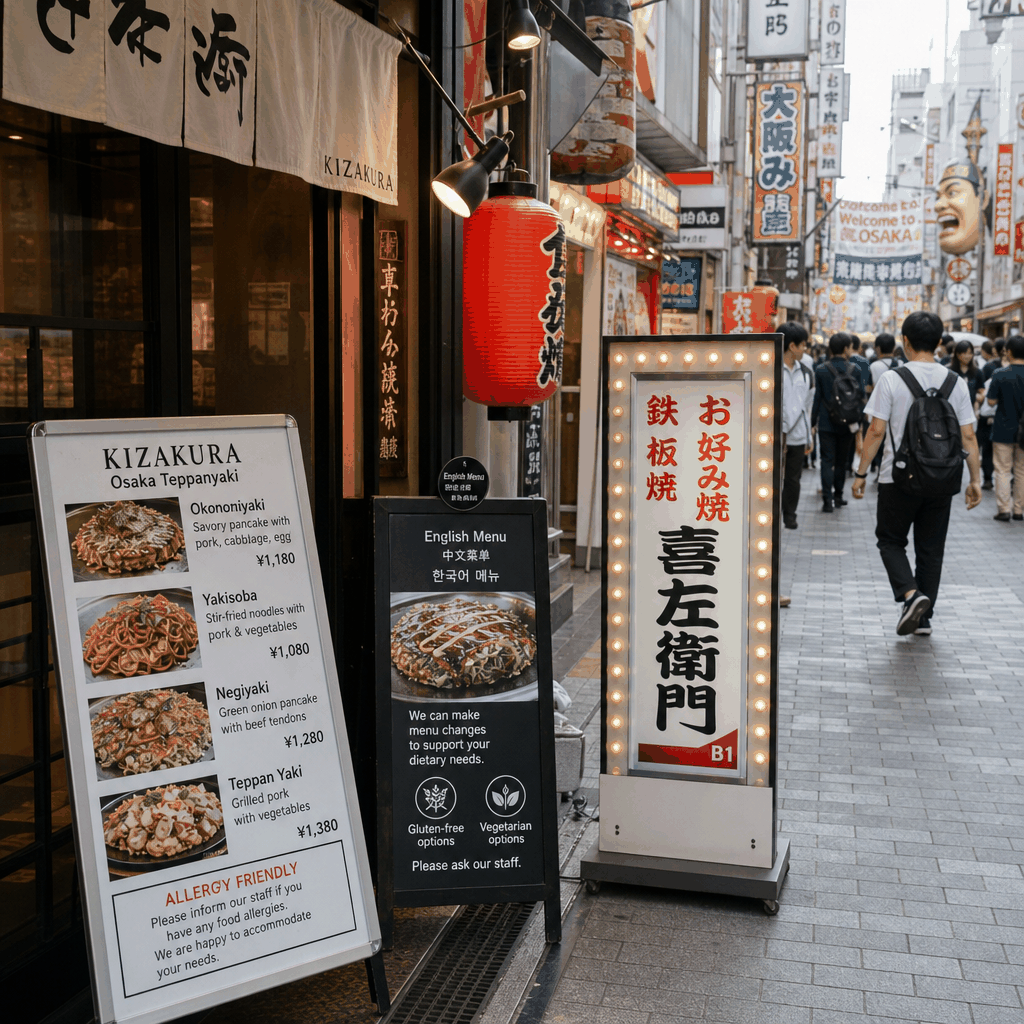
Yes—expats can find allergen-aware restaurants in Osaka, but the safest options are the ones that clearly publish allergy information or can explain ingredients in English before you order. Osaka tourism resources, JNTO, and Japan’s consumer guidance all point to the same strategy: check in advance, ask directly, and prefer places with allergen charts or multilingual support [1][3][4].
Osaka is one of Japan’s easiest cities for travelers to navigate, but restaurant allergen support still varies by location, not just by chain. The Osaka Info food allergy guide notes that some restaurants can provide English menus or ingredient explanations, yet policies differ by store and staff [1]. That means one branch of a chain may be much more helpful than another, even in the same neighborhood.
Japan’s Consumer Affairs Agency also emphasizes that allergen labeling is important, but restaurant meals are not the same as packaged foods: ingredients, sauces, and cooking methods can change from kitchen to kitchen [4]. For expats, the practical takeaway is simple—never assume a dish is safe just because it looks familiar.
If you want a reliable starting point, use official Osaka and Japan travel resources before you head out. Osaka Info’s Food Allergies page is aimed at visitors and explains how to look for restaurants that can answer ingredient questions in advance [1]. The Osaka Convention & Tourism Bureau also directs visitors to tourism information that supports international travelers, including practical city guidance [2].
JNTO recommends checking allergy information before dining, confirming ingredients with staff, and using translation tools or written notes when needed [3]. That advice is especially useful in Osaka, where many tourist-facing businesses are accustomed to overseas visitors but still may not have full allergen systems in place. The best move is to treat official guidance as a pre-screening tool, not as proof that any one restaurant is safe.
Here’s a practical way to use these resources:
Not every dining category in Osaka is equally easy for allergy-aware ordering. Large chain restaurants and hotel restaurants are often more practical because they tend to have standardized menus and are more likely to publish allergen information. JNTO notes that chain restaurants can be easier for travelers when they provide consistent menu details and staff who are used to handling questions from non-Japanese speakers [3].
Hotel restaurants can also be a strong choice in central Osaka neighborhoods such as Umeda, Namba, and Honmachi, especially if you contact them in advance. Many hotels have English-speaking staff and can answer questions about ingredients or tell you whether a kitchen can accommodate specific allergies. Even then, you should still ask about cross-contamination, because a “safe” ingredient list does not automatically mean a separate cooking area.
Well-known restaurant brands in Osaka can be helpful because they often publish allergen lists online or in-store. For example, many branches of major Japanese family restaurants and café chains provide downloadable allergen charts or menu notes, which makes it easier to check wheat, egg, milk, peanut, shrimp, and soy before you sit down [3][4]. The key is to verify each branch, not just the brand name.
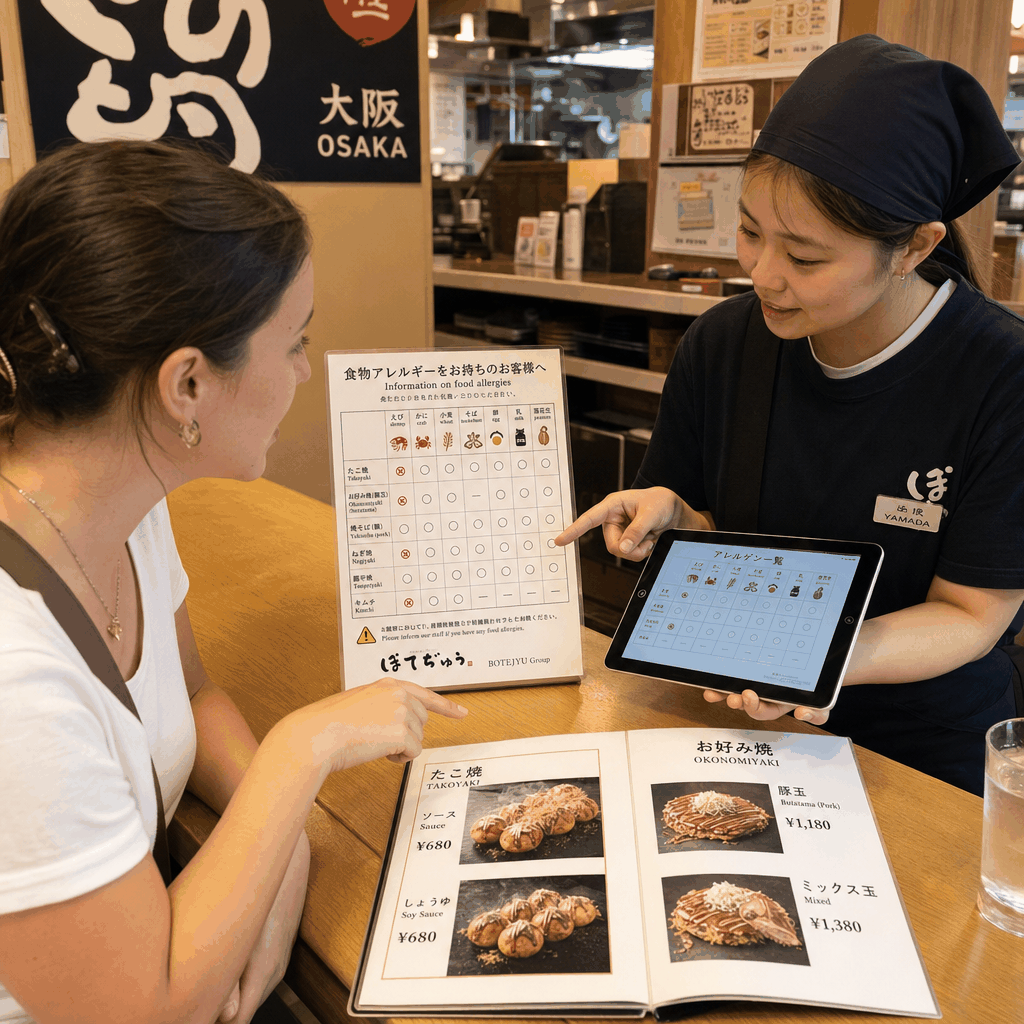
Some of the most practical places to start in Osaka include:
At the same time, be cautious with small, specialty, or set-menu places unless they can clearly explain ingredients. Osaka’s famous food culture—takoyaki, okonomiyaki, kushikatsu—often relies on wheat-based batters, sauces, egg, dairy, or shared fryers, so these dishes need extra checking [1][3].
The safest restaurant conversations in Osaka are short, direct, and specific. JNTO and the Consumer Affairs Agency both stress that you should verify the exact ingredients and ask about hidden allergens, because menu names alone are not enough [3][4].
Ask these questions before you order:
In Osaka, one useful tactic is to show a written allergy card in Japanese. Even if staff speak some English, written notes reduce confusion about ingredients and severity. JNTO recommends using simple communication tools like translation apps or prepared allergy statements, especially when dining outside large hotels or international chains [3].
For expats, the biggest improvement comes from planning ahead rather than searching on the spot. Before dinner, check the restaurant’s website or call ahead during daytime hours, when staff may have more time to answer ingredient questions. If you are staying near tourist-heavy districts like Namba, Umeda, or Shin-Osaka, ask your hotel concierge to help confirm whether a restaurant can handle your allergy request [1][2].
It also helps to prioritize dishes with fewer hidden ingredients. Grilled items, plain rice, and simple set meals may be easier to verify than mixed dishes with sauces, marinades, or batter. Still, even apparently simple foods can include soy sauce, dashi, or seasoning powders, so keep asking until you understand every component [3][4].
Use this short safety routine in Osaka:
Osaka is not a city where you should guess, but it is a city where preparation pays off. If you start with official tourism guidance, favor restaurants that publish allergen details, and communicate clearly with staff, you can eat with much more confidence. The safest expat dining experiences in Osaka come from informed choices, not luck [1][3][4].
CallButler is a multilingual concierge service that handles research, coordination, and bookings so you do not have to navigate language barriers or unfamiliar systems alone. If you need help related to Where can expats find allergen-aware restaurants in Osaka? or the tasks around it, our team can step in to manage the details and keep things moving smoothly.
Find English-friendly yakitori in Osaka after work by targeting Umeda, Namba, and Honmachi, plus booking sites and multilingual menus.
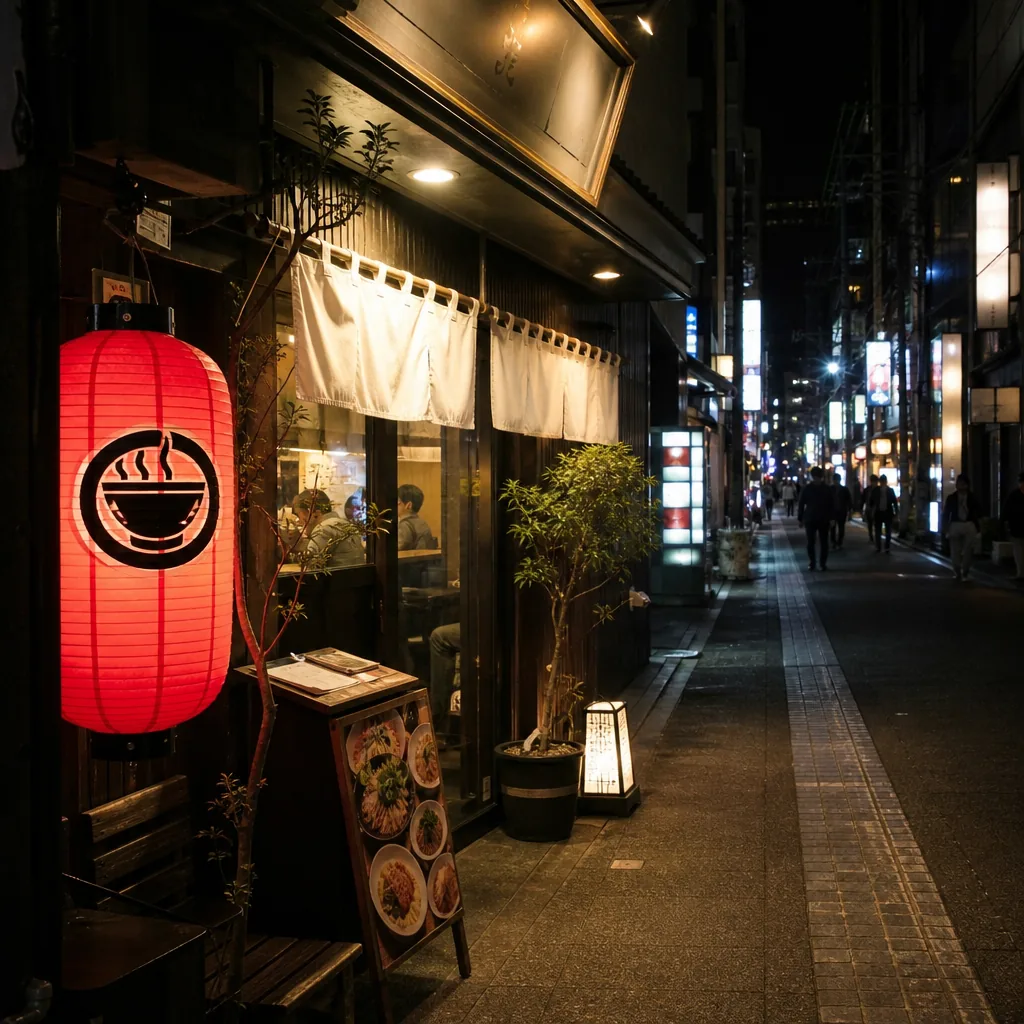
Looking for halal ramen in Kyoto after 10 p.m.? Here’s where to check, which areas are most practical, and how to verify hours and halal status.
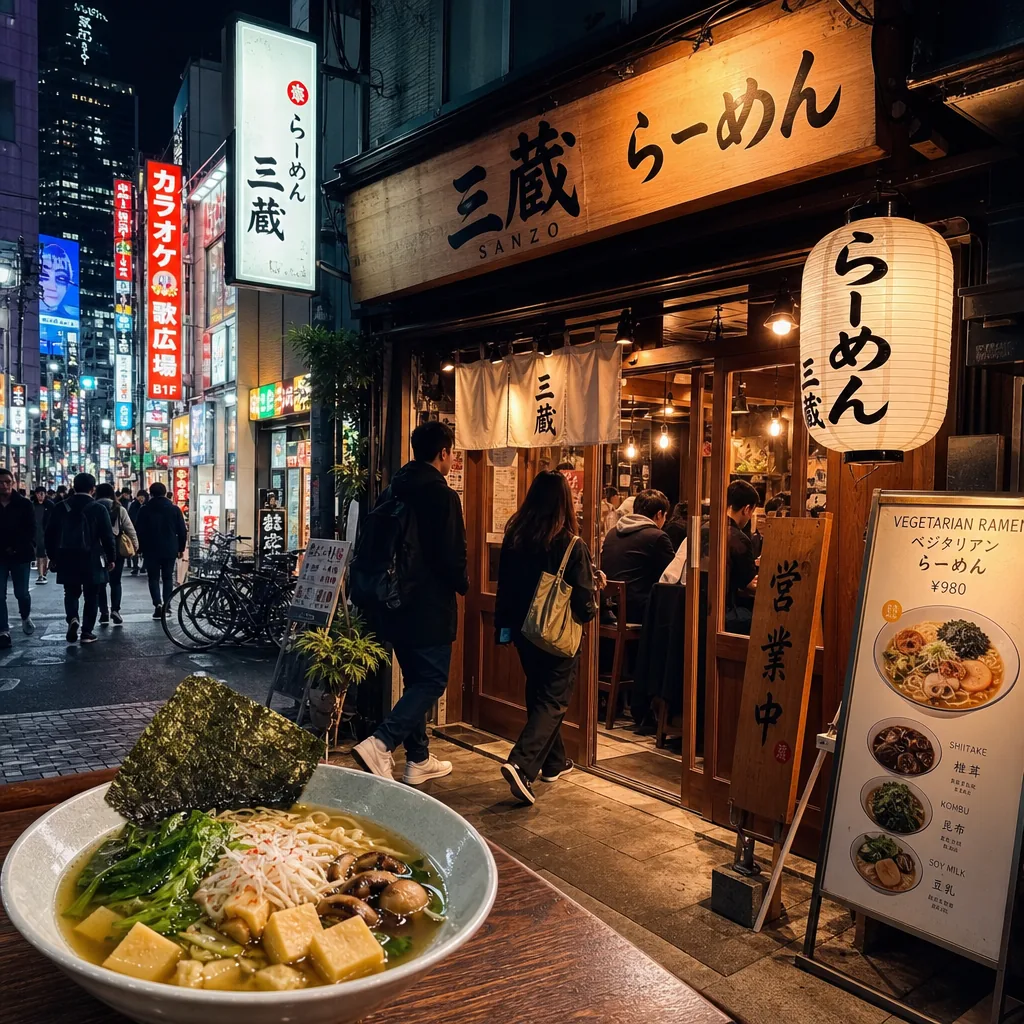
Find late-night vegetarian ramen in Tokyo by focusing on Shibuya, Shinjuku, and Roppongi, then verify broth, hours, and vegan menu details.