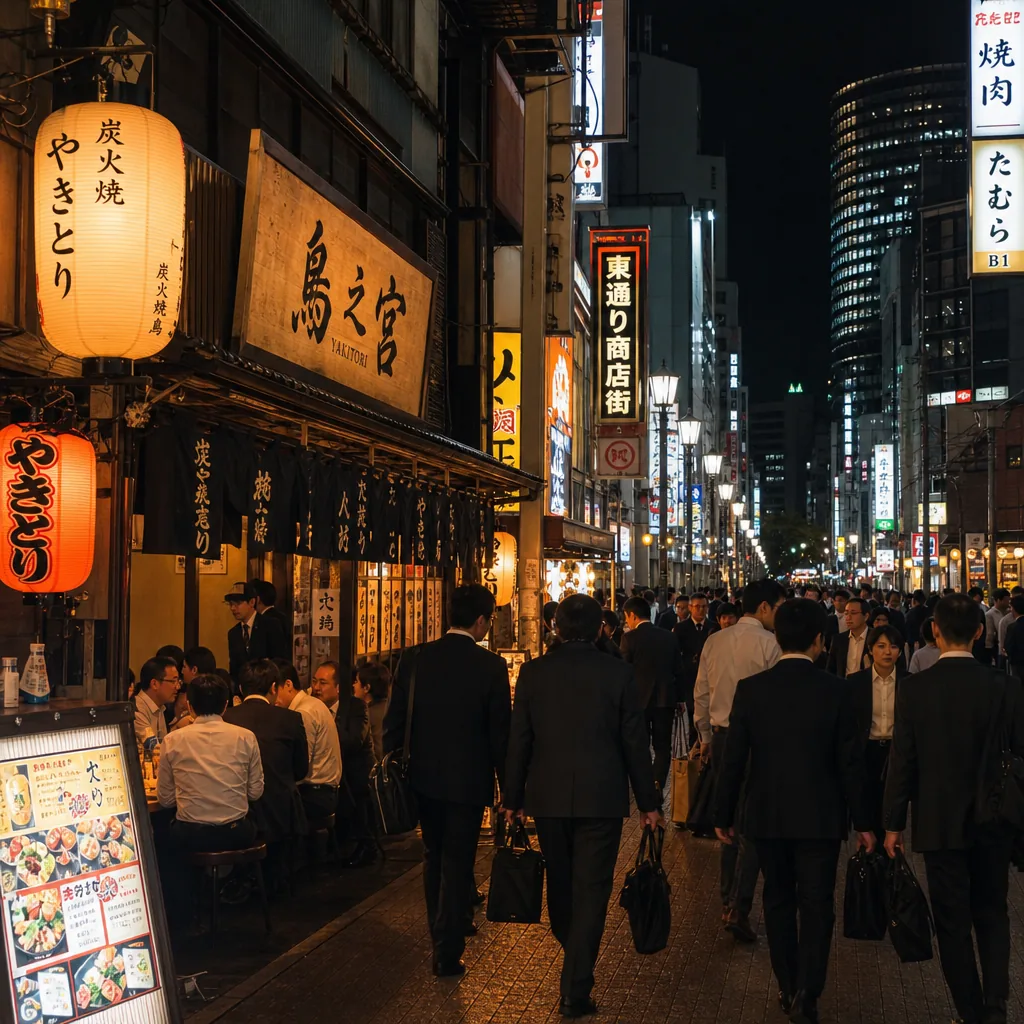
Where can I find english-friendly yakitori in Osaka after work?
Find English-friendly yakitori in Osaka after work by targeting Umeda, Namba, and Honmachi, plus booking sites and multilingual menus.
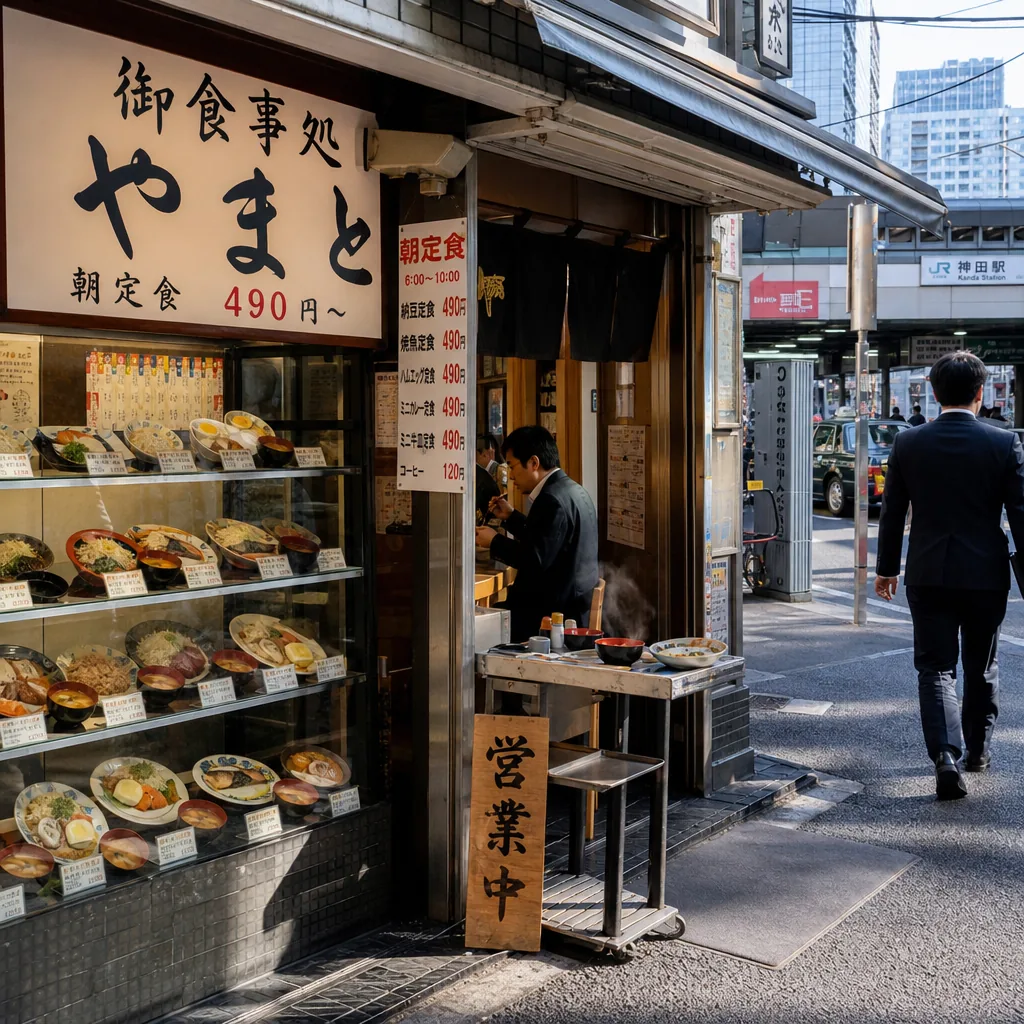
Yes—expats can buy Japanese breakfast sets in Tokyo at department-store food halls, train-station areas, hotel buffets, and neighborhood diners. The easiest options are usually teishoku-style meals with rice, miso soup, grilled fish, eggs, pickles, and seasonal sides, and many places in Tokyo make ordering simple with photos, plastic models, or English menus [1][2].
In Tokyo, a Japanese breakfast set is usually a fixed morning meal built around steamed rice, miso soup, a protein such as grilled fish or egg, pickles, and a few small side dishes [1][2]. Many visitors expect one “dish,” but the Tokyo version is often served as a teishoku-style tray meal, which makes it easy to understand visually even if you do not read Japanese.
For expats, this matters because it narrows the search. If you want a classic breakfast, look for places serving 朝食定食 (choshoku teishoku, breakfast set), 和朝食 (washoku choshoku, Japanese breakfast), or a hotel “Japanese breakfast” option. These are common in areas with heavy visitor traffic such as Shinjuku, Tokyo Station, Ueno, Asakusa, and Ginza [1][3][4].
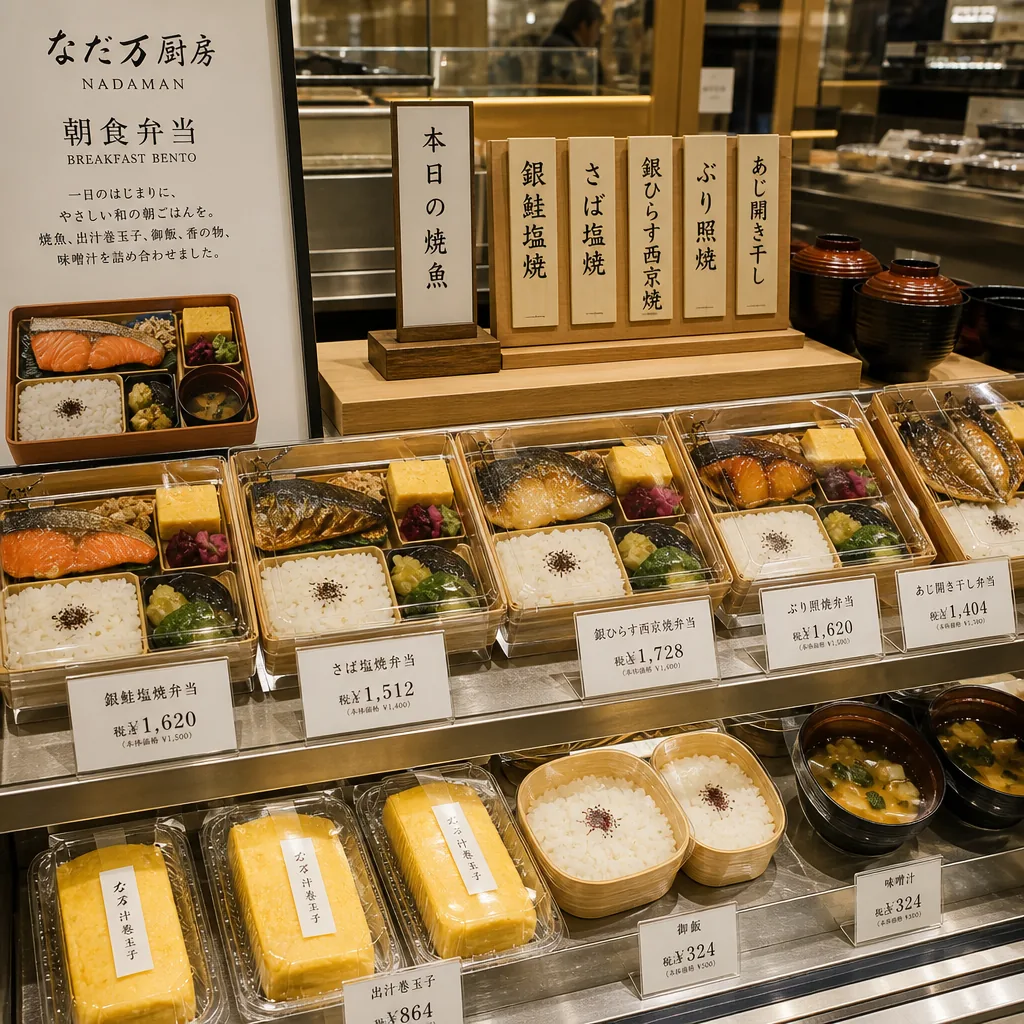
Department-store basement food halls, known as depachika, are one of the most practical places to buy breakfast in central Tokyo. Isetan Shinjuku’s food floor is a strong example because major department stores in Shinjuku usually sell prepared foods, side dishes, rice-based items, and takeaway meals that can be assembled into a Japanese-style breakfast [5]. This is especially useful if you want to eat back at your hotel or apartment without ordering a full restaurant meal.
Station areas are another reliable choice. Tokyo Station City is designed around a huge flow of commuters and travelers, and its station complex includes many dining and food options that are easy to reach early in the day [4]. If you are staying near Tokyo Station, this is one of the most convenient places to look for a breakfast set before starting sightseeing or a workday.
Shinjuku is especially expat-friendly because the Shinjuku Tourist Information Center highlights a wide range of food options in the area, from casual eateries to set-meal restaurants [3]. Around the station, you are more likely to find menus with pictures, counter service, and standardized sets, which reduces the language barrier. Ueno and Asakusa also tend to have local diners and older-style restaurants that open early for breakfast or brunch-style teishoku meals [1][2].
Hotels are often the easiest option if you want a guaranteed Japanese breakfast without translating a menu. Tokyo hotels commonly offer either a breakfast buffet with Japanese dishes or a fixed Japanese set, which can be a simple choice for non-Japanese speakers [1][2]. This is also where you are most likely to get a neat, traditional presentation with grilled fish, tamagoyaki, miso soup, rice, and pickles.
Ordering is usually straightforward because many Tokyo restaurants display plastic food samples or menu photos outside the entrance, and this is common in set-meal restaurants and casual eateries [1][2]. A photo is often enough to identify the breakfast set you want.
If you need a simple approach, use these steps:
In larger districts such as Shinjuku and around Tokyo Station, the tourist infrastructure is strong enough that staff are more likely to be used to foreign visitors [3][4]. Still, it helps to have a translation app ready for small details like fish type, soup refill policy, or whether a drink is included.
Tokyo breakfast pricing varies by venue, but budget-friendly options are common at chains and neighborhood diners. Department-store food halls are convenient for takeaway, but prices can be higher than simple diner breakfasts because you are often buying individual dishes rather than a bundled meal [1][5]. Hotels are usually the priciest option, but they also provide the most predictable experience.
As a practical rule, expect the cheapest full breakfast sets to come from local teishoku restaurants, chain eateries, or station-area diners, while depachika items and hotel breakfasts sit higher on the scale. Tokyo’s tourism guidance emphasizes that the city has everything from casual spots to high-end dining, so the best value depends on how traditional and how convenient you want the meal to be [1].
Opening hours also matter. Station complexes and busy business districts tend to start earlier than many neighborhood restaurants, which is why Tokyo Station and Shinjuku are useful for early breakfasts [3][4]. Department stores usually open later in the morning than station eateries, so they are better for takeaway breakfast if you are not in a rush.
Japanese breakfast sets are usually eaten quietly and efficiently, especially in train-station or business-district restaurants. If you are in a self-service or counter-service setting, return trays and dishes as directed, and do not assume unlimited refills unless they are clearly included.
Here are a few practical tips that make the experience smoother:
If you want a very traditional Tokyo breakfast, start with Tokyo Station, then Shinjuku, and finally nearby local districts like Ueno or Asakusa. That route gives you the best mix of accessibility, English support, and genuine Japanese breakfast options, all within the city’s busiest and most tourist-friendly areas [1][3][4][5].
CallButler is a multilingual concierge service that handles research, coordination, and bookings so you do not have to navigate language barriers or unfamiliar systems alone. If you need help related to Where can expats buy Japanese breakfast sets in Tokyo? or the tasks around it, our team can step in to manage the details and keep things moving smoothly.
Find English-friendly yakitori in Osaka after work by targeting Umeda, Namba, and Honmachi, plus booking sites and multilingual menus.
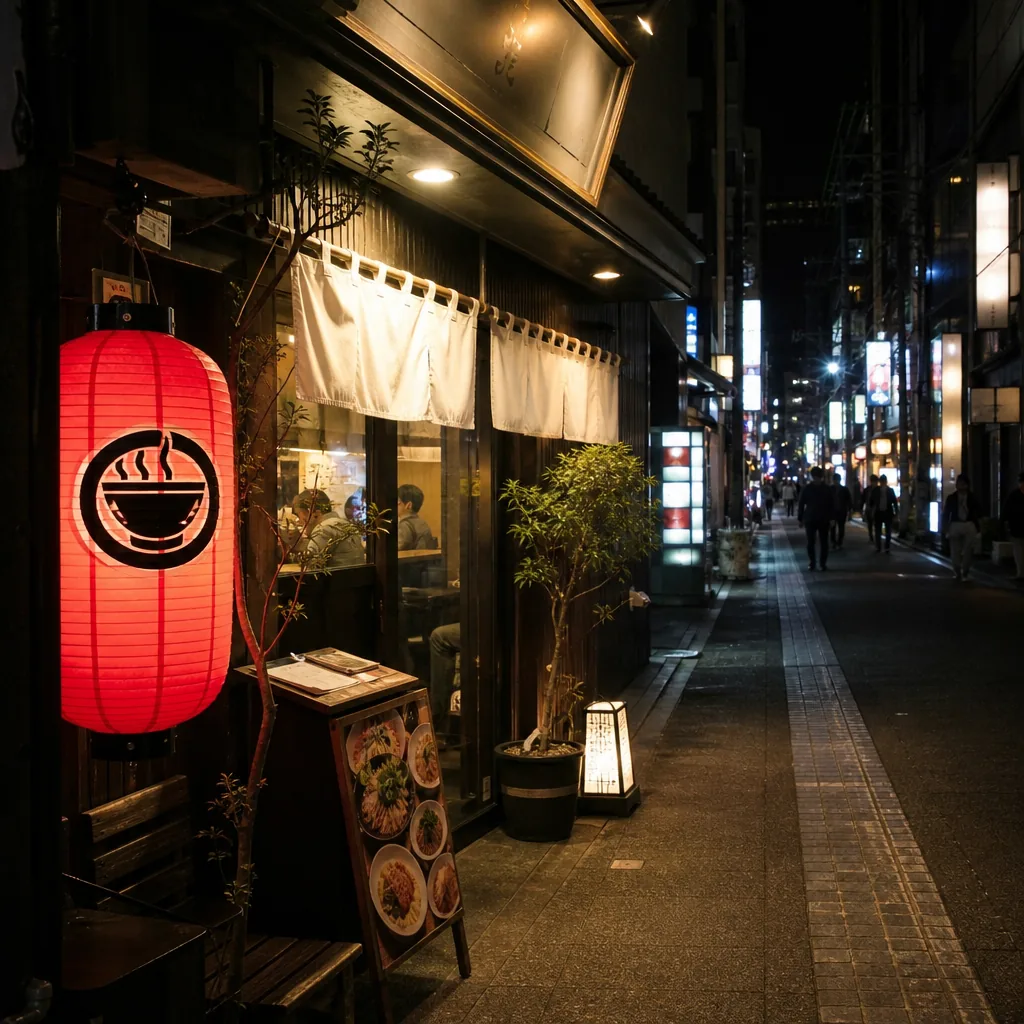
Looking for halal ramen in Kyoto after 10 p.m.? Here’s where to check, which areas are most practical, and how to verify hours and halal status.
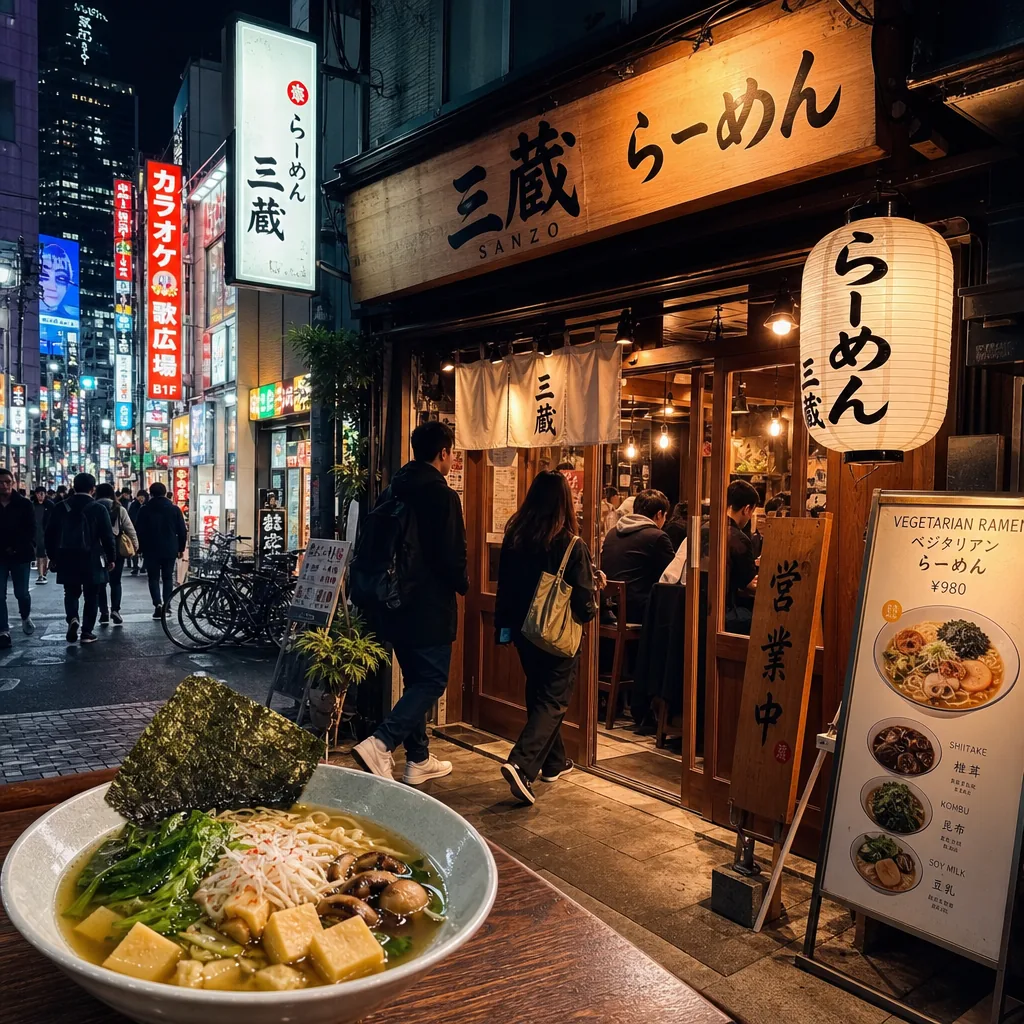
Find late-night vegetarian ramen in Tokyo by focusing on Shibuya, Shinjuku, and Roppongi, then verify broth, hours, and vegan menu details.