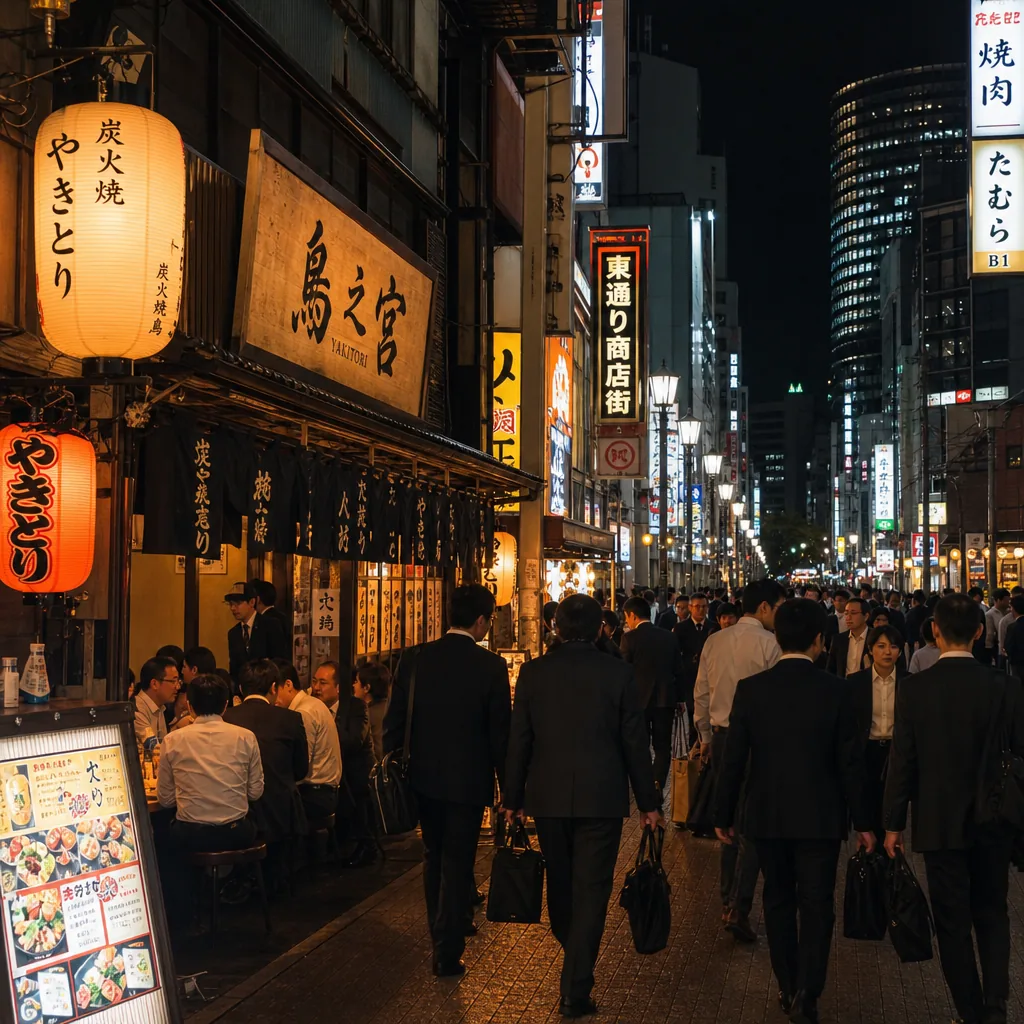
Where can I find english-friendly yakitori in Osaka after work?
Find English-friendly yakitori in Osaka after work by targeting Umeda, Namba, and Honmachi, plus booking sites and multilingual menus.
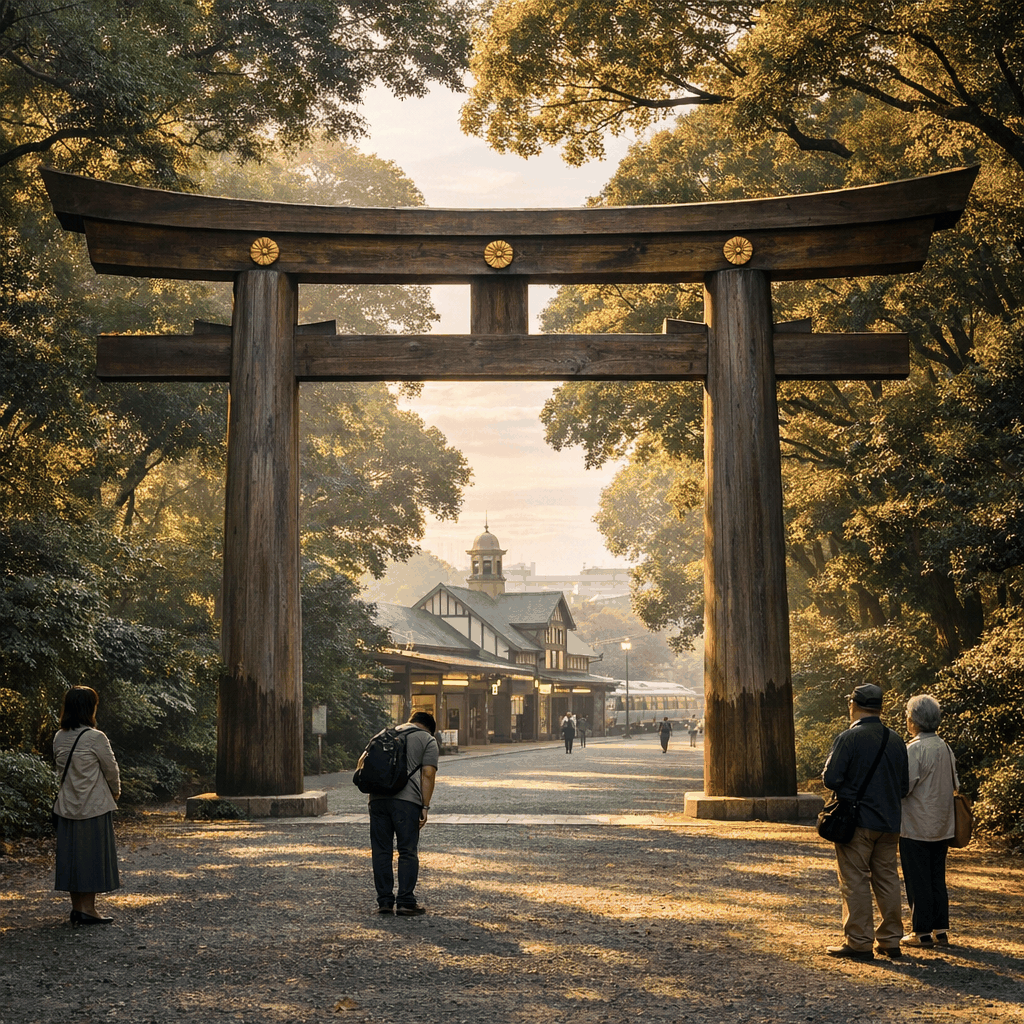
Yes — the best time to visit Meiji Jingu from Harajuku is early on a weekday morning (right at or just after the shrine opens) or in the late afternoon an hour or two before closing, outside major event dates like New Year’s Hatsumode. These windows give you the calmest approach from Harajuku Station while still leaving time to explore nearby Takeshita Street or Omotesando afterward [1][2][3].
Meiji Jingu sits immediately behind Harajuku Station and is commonly paired with Harajuku’s main attractions. The shrine is a short walk through the tree-lined approach from the station and shares the neighborhood with Takeshita Street and Omotesando, making it simple to combine a quiet shrine visit with shopping or a walk in Yoyogi Park [2][3]. The official shrine site emphasizes its proximity to Harajuku and recommends checking shrine notices before visiting [1].
Arrive by JR Yamanote Line to Harajuku Station. Use the Omotesando/Takeshita Street side exits for the most direct route to the shrine’s torii and main approach; from there it’s only a very short walk into the forested grounds [3][2]. Meiji Jingu is open daily, but specific gate and facility hours vary by month and for seasonal ceremonies — always confirm current opening hours and any temporary closures on the shrine’s official site before you go [1].
To minimize crowds, aim for one of these windows on a regular (non-holiday) day:
Avoid weekend middays if you want to escape crowds — Harajuku’s tourist flow into Takeshita Street and the shrine approach spikes on Saturdays, Sundays, and public holidays [2].
Spring (late March–early April) and autumn (September–November) offer the most comfortable weather and attractive foliage, per Japan National Tourism Organization season guidance — cherry blossoms and autumn colors draw more visitors, so expect a busier experience at Meiji Jingu during peak bloom or peak leaf-change weeks [4]. If you want mild weather without the highest visitor numbers, consider late November weekdays or early May weekdays outside Golden Week.
Meiji Jingu is one of Tokyo’s most popular shrines for New Year’s Hatsumode (first shrine visit of the year). Expect extremely large crowds and limited mobility in and around Harajuku Station from January 1–3; the shrine’s official communications and local tourism pages warn visitors accordingly [1][2]. Also be aware of weekends during major public holidays (Golden Week, Obon) when nearby Yoyogi Park events or seasonal festivals can overflow into the area [2].
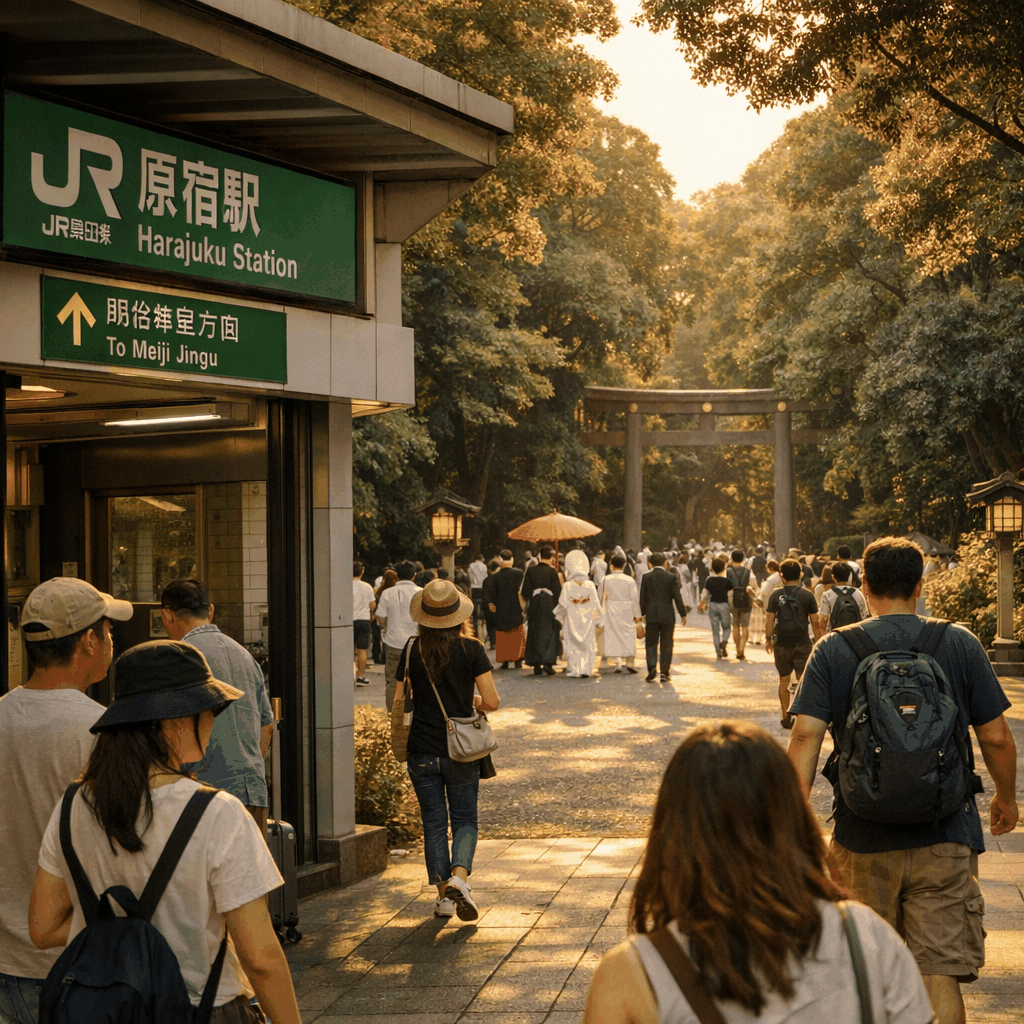
By timing your visit to Meiji Jingu from Harajuku for weekday mornings or late afternoons and avoiding known high‑crowd dates like New Year’s Hatsumode, you’ll get the clearest experience of the shrine’s tranquil forest approach and traditional spaces while still enjoying Harajuku’s nearby streets and Yoyogi Park [1][2][3][4].
CallButler is a multilingual concierge service that handles research, coordination, and bookings so you do not have to navigate language barriers or unfamiliar systems alone. If you need help related to What's the best time to visit Meiji Jingu Tokyo from Harajuku? or the tasks around it, our team can step in to manage the details and keep things moving smoothly.
Find English-friendly yakitori in Osaka after work by targeting Umeda, Namba, and Honmachi, plus booking sites and multilingual menus.
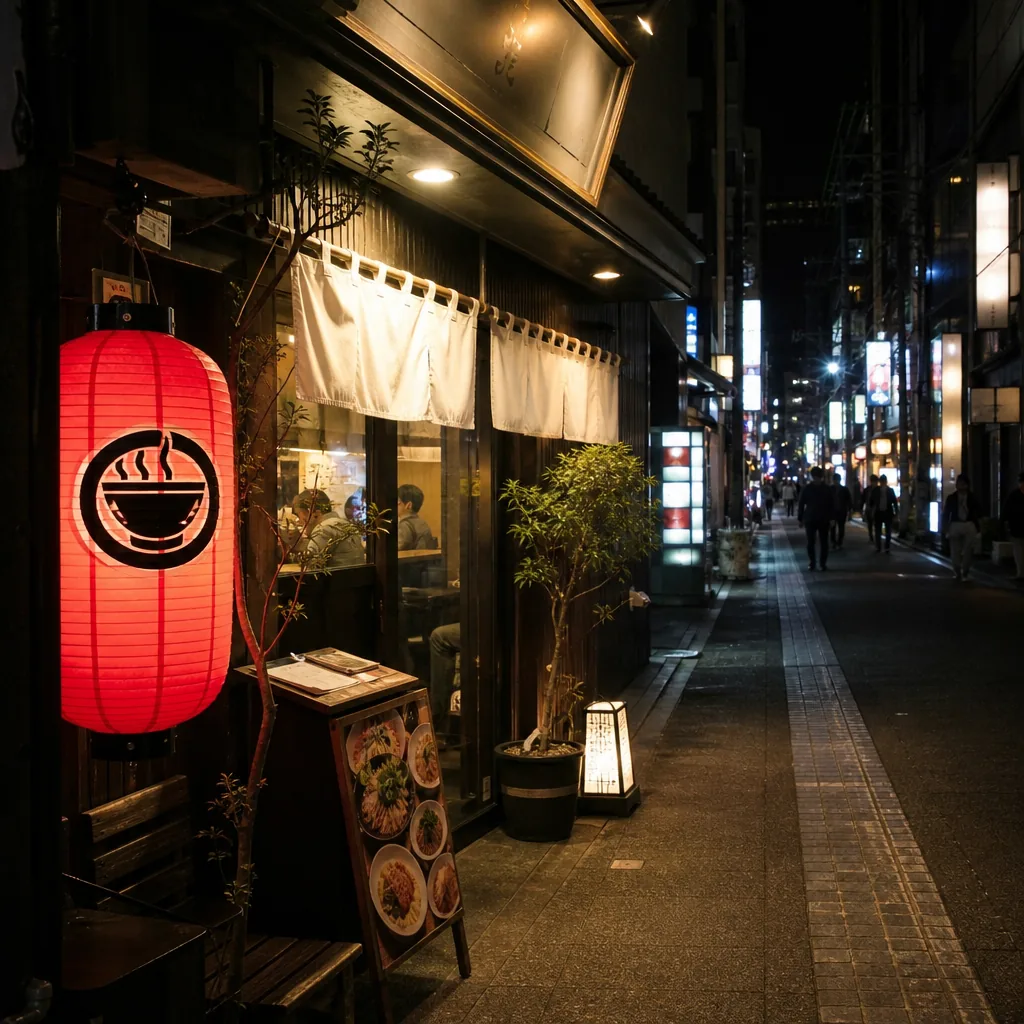
Looking for halal ramen in Kyoto after 10 p.m.? Here’s where to check, which areas are most practical, and how to verify hours and halal status.
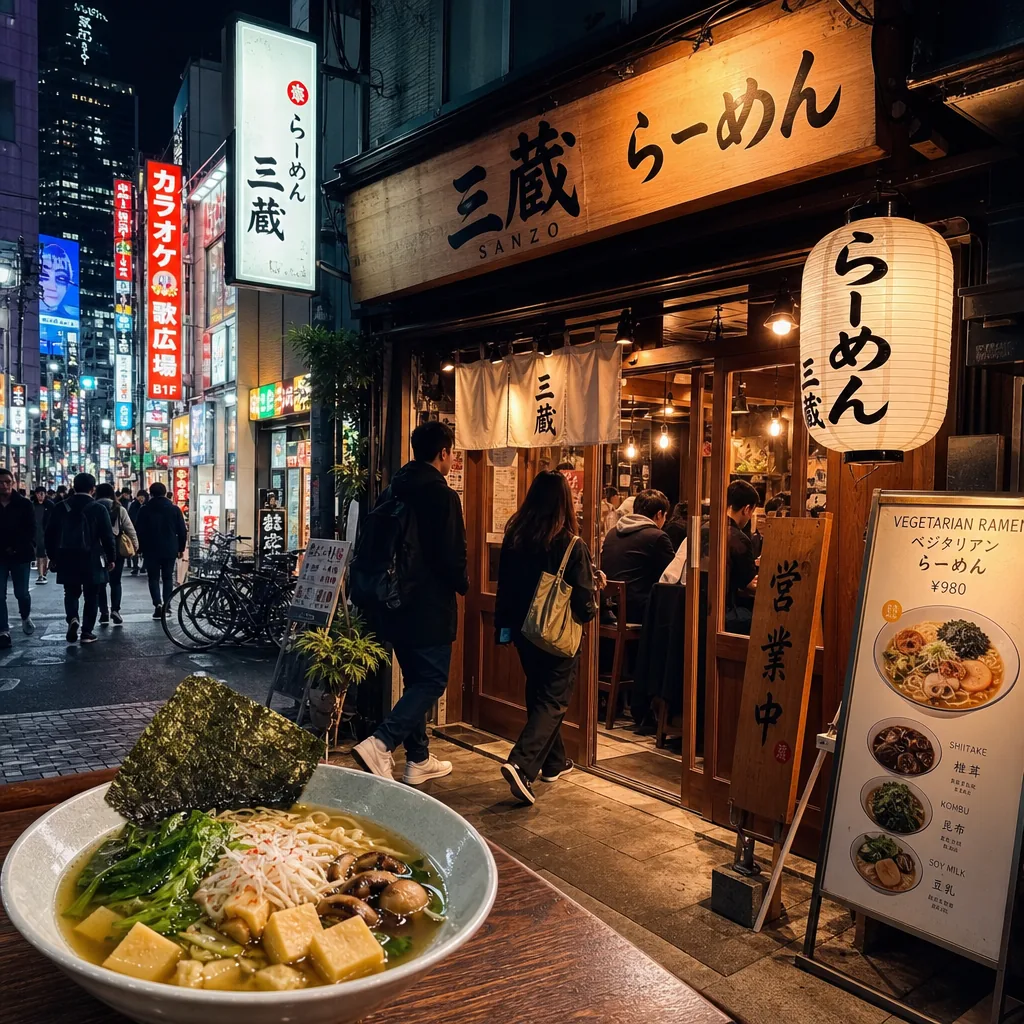
Find late-night vegetarian ramen in Tokyo by focusing on Shibuya, Shinjuku, and Roppongi, then verify broth, hours, and vegan menu details.