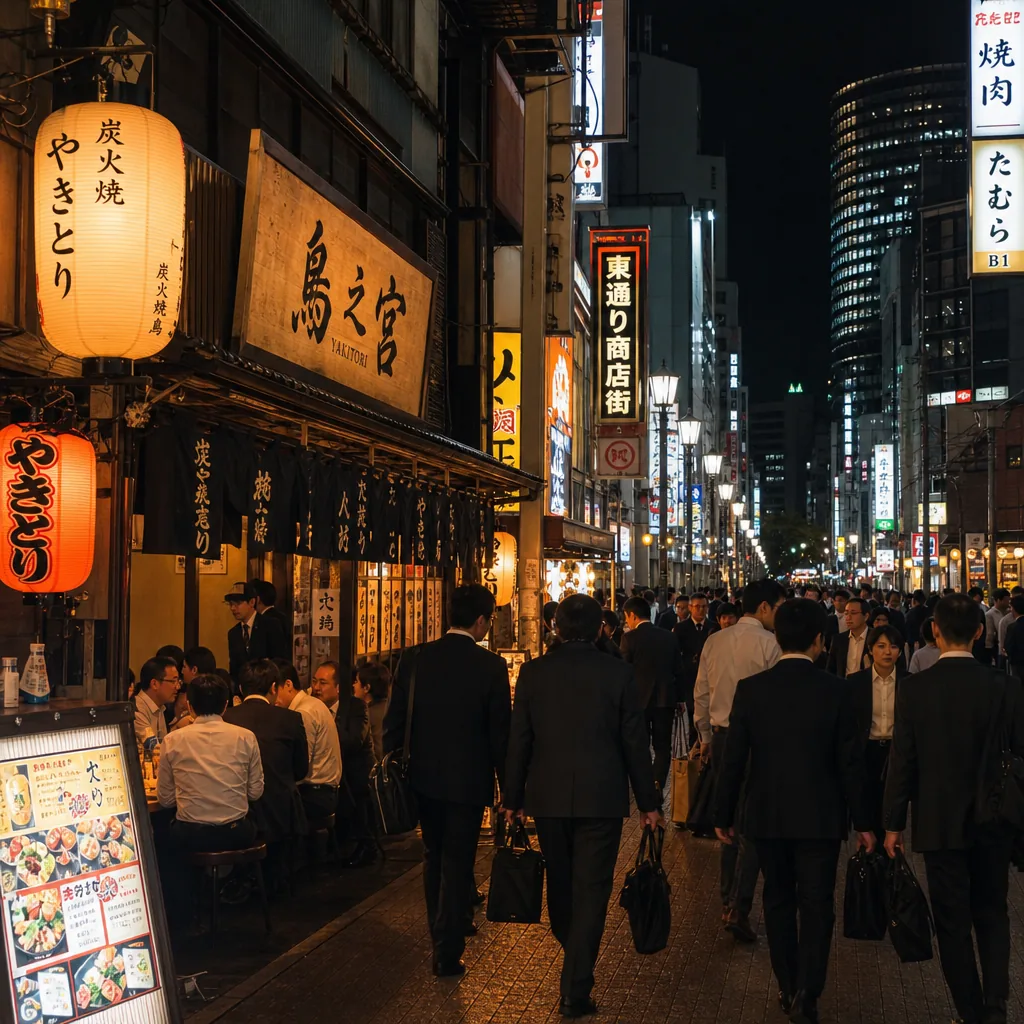
Where can I find english-friendly yakitori in Osaka after work?
Find English-friendly yakitori in Osaka after work by targeting Umeda, Namba, and Honmachi, plus booking sites and multilingual menus.
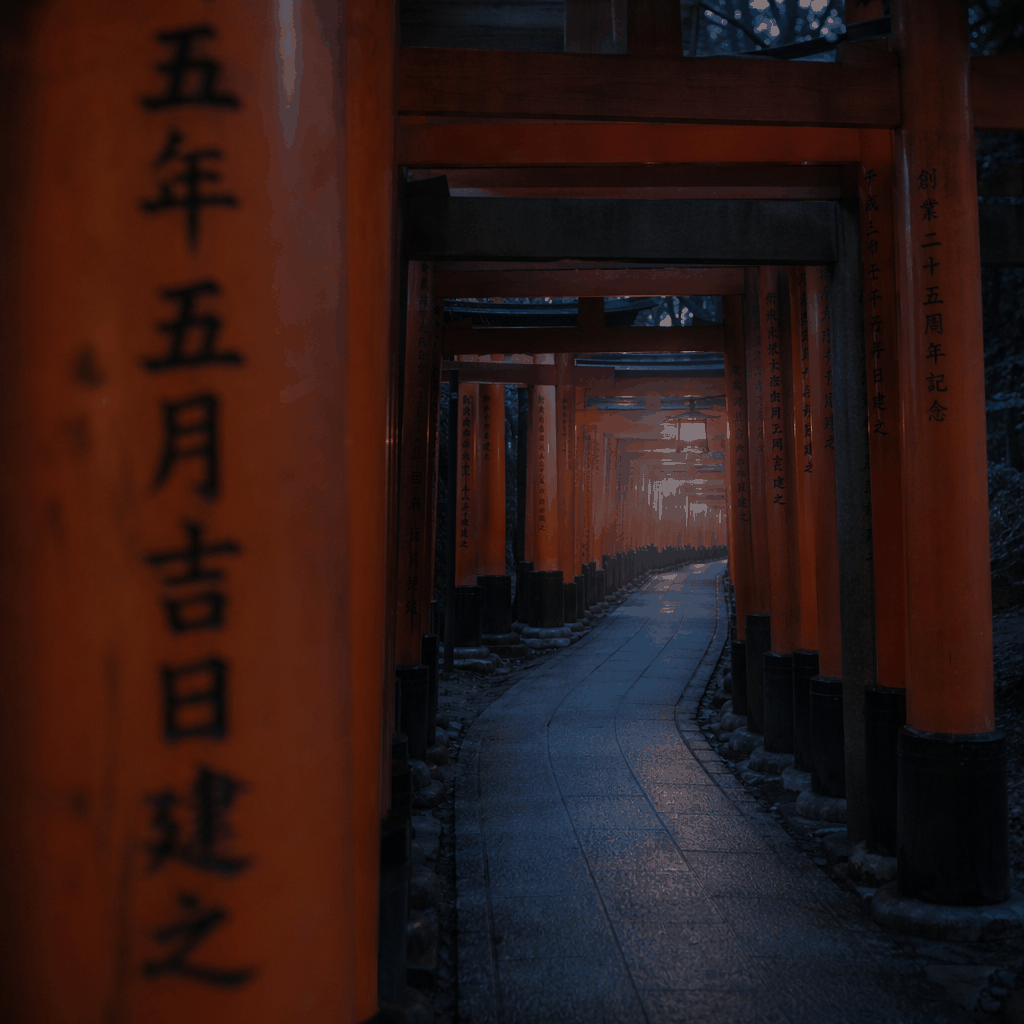
The best time to photograph Fushimi Inari’s torii gates in Kyoto is pre-dawn blue hour through about 45–60 minutes after sunrise, especially on weekdays. That window gives you the softest light and the fewest people, which makes the tunnel-like paths on the mountain easier to frame cleanly [2][3][4].
Fushimi Inari Taisha is open 24 hours, so the key is not access but timing: the shrine buildings have service-related closures, while the torii paths remain walkable after dark [1][2][3].
Fushimi Inari is one of Kyoto’s most photographed places because the vermilion gates create repeating lines, layered depth, and natural leading lines. Those strengths disappear quickly when the path fills with visitors, which is why timing affects your final image as much as lens choice or camera settings [2][3].
The two biggest variables are light and crowd flow. Japan Guide and Kyoto’s official travel guide both note that the site is busiest from mid-morning through late afternoon, while early mornings and weekdays are far calmer [2][3].
For the cleanest shots, arrive 30–60 minutes before sunrise. Kyoto’s sunrise time changes through the year, so check a daily sunrise chart for Kyoto before you go; timeanddate provides current sunrise and sunset times for planning [4].
At pre-dawn blue hour, the path is dim but evenly lit, and the torii often look richer in color against the cool sky. This is the best time if you want atmosphere and nearly empty frames [2][4].
Shortly after sunrise is the strongest all-around window. The first direct light creates warm side-light on the gates, revealing their texture and depth, while the crowds usually have not fully arrived yet. This is the practical sweet spot for most photographers [2][3].
Golden hour later in the morning can still be beautiful, but the site becomes busier very quickly. If you want that warm light, work fast and move farther up the trail where visitors thin out [2][3].
For a moodier look, evening blue hour can work well too. The paths can feel more dramatic with fewer people, but the light is limited, so a tripod and a steady workflow matter more. In some sections, the lighting is uneven, so expect to shoot carefully and slowly [2][3].
Kyoto’s spring and autumn are the most popular travel seasons, which means Fushimi Inari gets busier early. If you are visiting during cherry blossom or foliage periods, plan to be on site before sunrise rather than “early” in the casual sense [2][3].
Off-season weekdays are the easiest time for quiet photography. Because the shrine is open all day and night, you can also choose less crowded days rather than only chasing a specific hour [1][2].
Here is a practical seasonal approach:
The iconic torii corridor near the lower shrine is the most crowded, but it is still worth shooting early because the repeating arches are strongest there [1][2]. If you continue uphill, the foot traffic usually thins, and you can find cleaner compositions around the mid-mountain trails [2][3]. 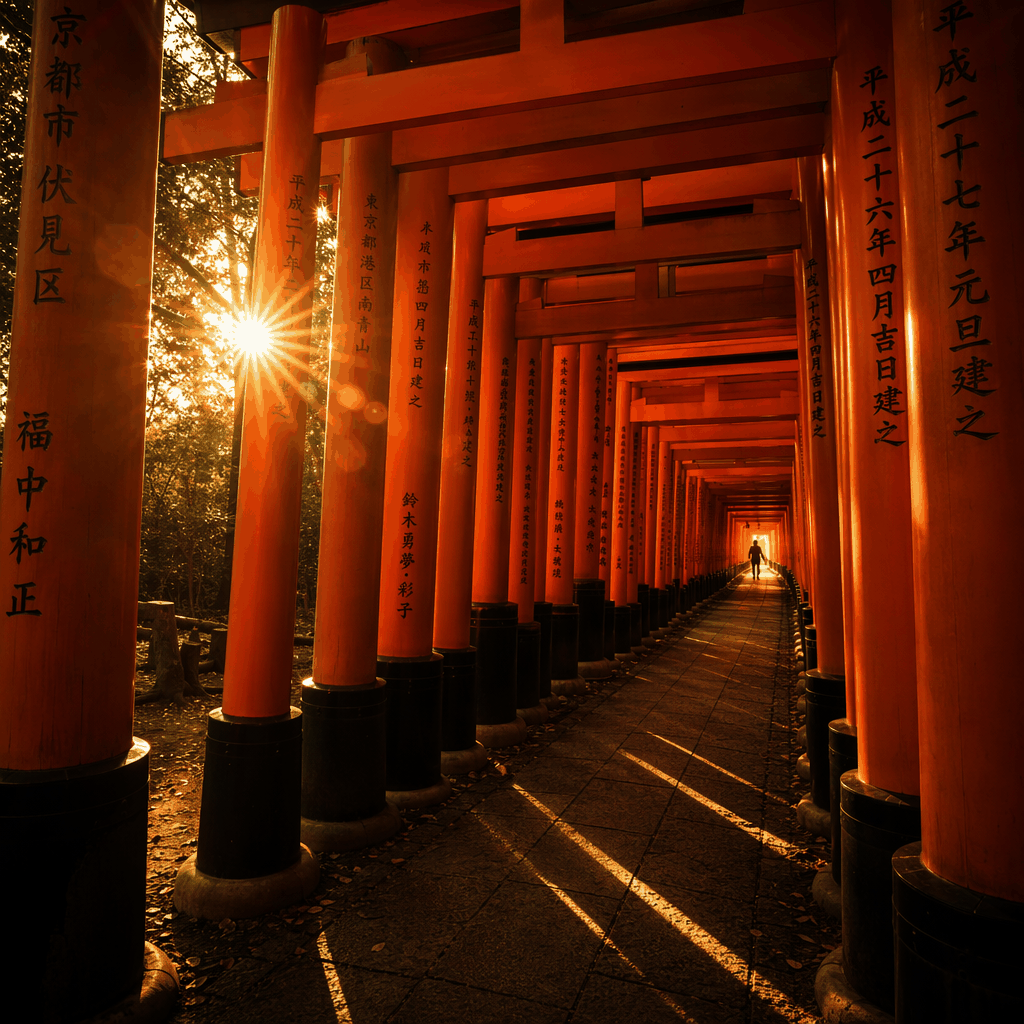
Three named places worth including in your route are the main shrine area at Fushimi Inari Taisha, the lower torii approach, and the inner mountain paths that climb away from the busy base [1][2][3].
For a broader Kyoto itinerary, the Kyoto Official Travel Guide’s page on Fushimi Inari is useful because it confirms the shrine’s all-day access and helps you plan around other Kyoto stops without rushing [3].
At pre-dawn and blue hour, use a tripod if your setup allows it. A tripod makes it easier to keep ISO lower and maintain sharp vertical lines, which matters when the gates create strong geometric patterns [2][3].
For sunrise and early morning, a fast lens helps but is not essential if the light is already improving. A wide-to-standard focal length is usually the most flexible because the torii tunnels are tight and linear [2].
Because artificial lighting can be limited in parts of the route, do not rely on the same exposure settings throughout the mountain. Recheck your histogram as you move uphill [2][3].
Fushimi Inari is a religious site, not just a photo location. Move respectfully, avoid blocking paths, and do not interfere with worshippers or visitors passing through the shrine grounds [1][2].
Tripods are commonly used for photography, but they should be used courteously. Keep them tight to your position, avoid long setups in narrow corridors, and be ready to move if foot traffic increases [2].
A simple practical plan is:
If you want the most atmospheric photo of Kyoto’s Fushimi Inari torii gates, go before sunrise on a weekday and stay through the first hour of daylight. That timing combines the calmest crowds, the softest light, and the strongest chance of clean compositions that show why this Kyoto landmark is so famous [2][3][4].
CallButler is a multilingual concierge service that handles research, coordination, and bookings so you do not have to navigate language barriers or unfamiliar systems alone. If you need help related to What's the best time to photograph fushimi inari torii gates in Kyoto? or the tasks around it, our team can step in to manage the details and keep things moving smoothly.
Find English-friendly yakitori in Osaka after work by targeting Umeda, Namba, and Honmachi, plus booking sites and multilingual menus.
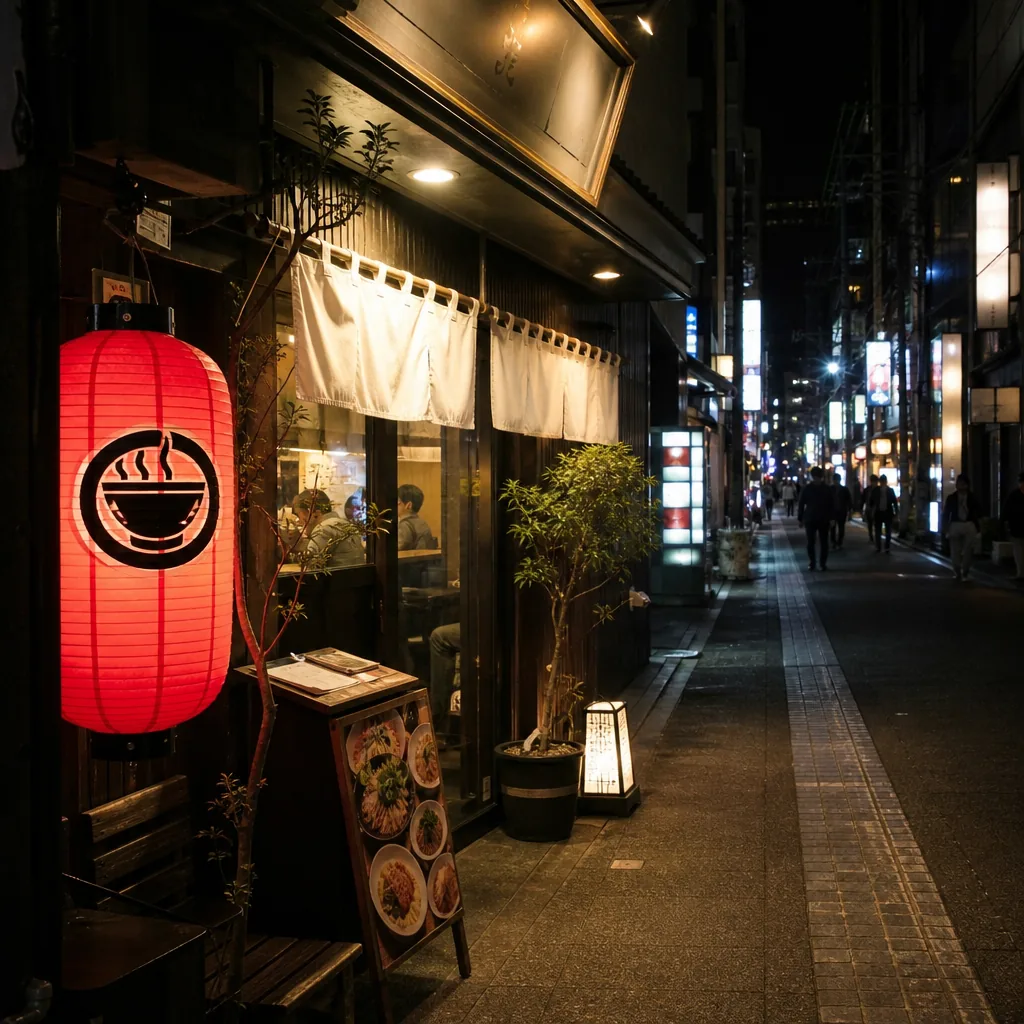
Looking for halal ramen in Kyoto after 10 p.m.? Here’s where to check, which areas are most practical, and how to verify hours and halal status.
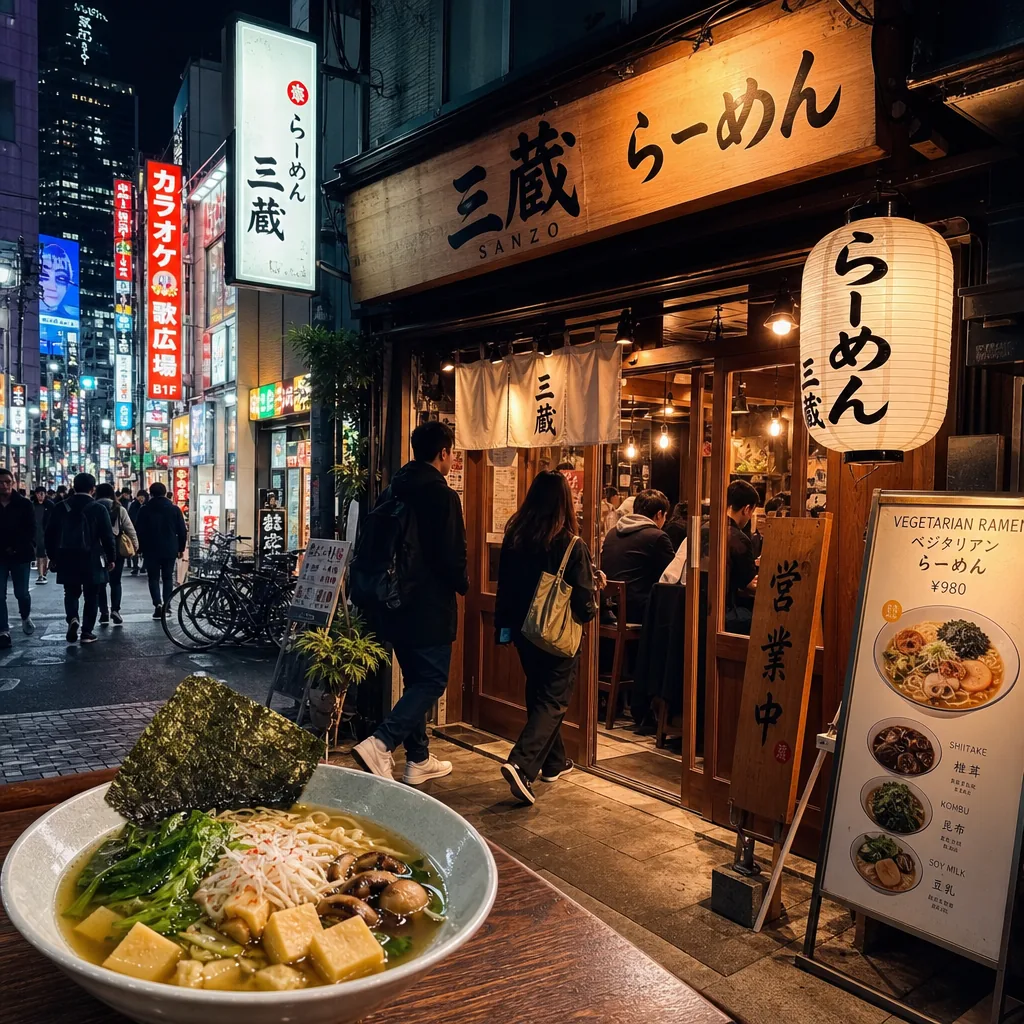
Find late-night vegetarian ramen in Tokyo by focusing on Shibuya, Shinjuku, and Roppongi, then verify broth, hours, and vegan menu details.