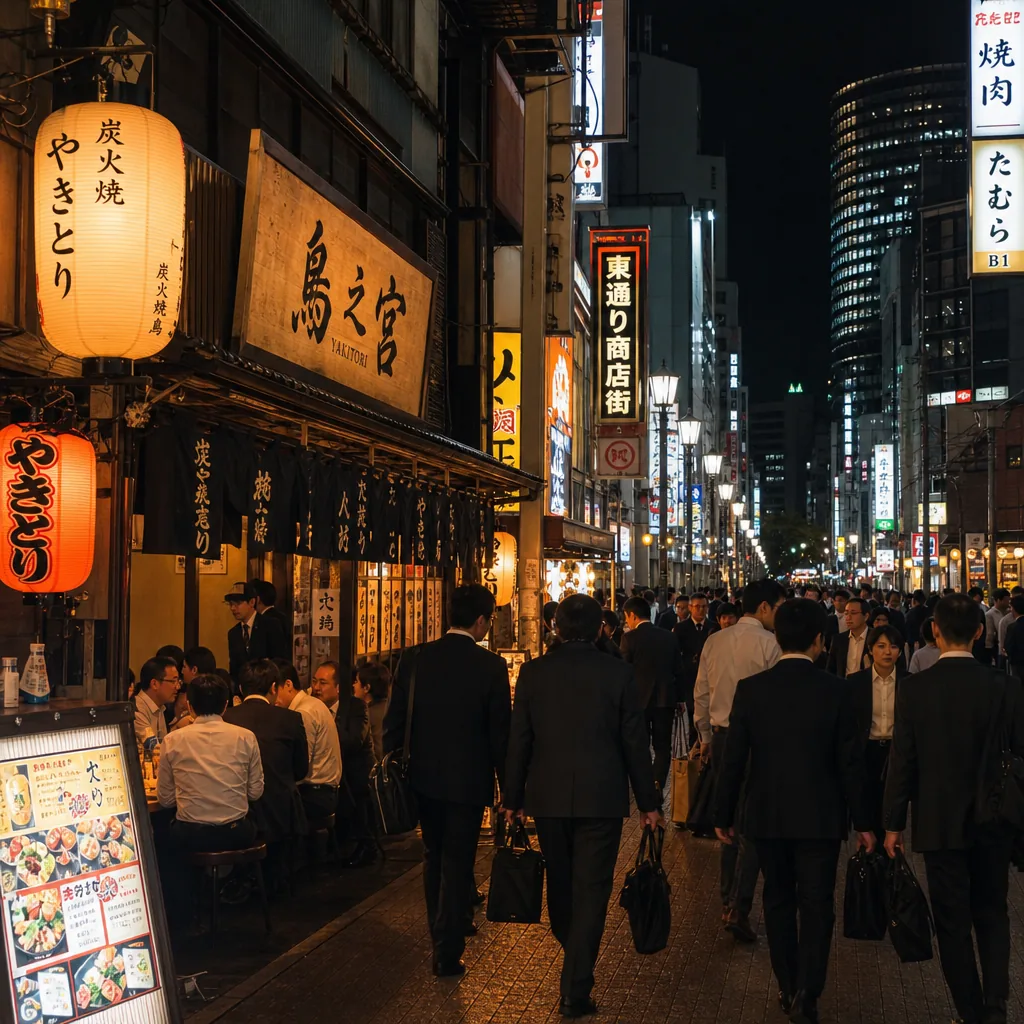
Where can I find english-friendly yakitori in Osaka after work?
Find English-friendly yakitori in Osaka after work by targeting Umeda, Namba, and Honmachi, plus booking sites and multilingual menus.
![[[photo1]] Nakamise Shopping Street snack stalls near Sensoji Temple in Asakusa, Tokyo](/media-proxy/blog-images/what-street-foods-should-i-try-near-sensoji-temple-tokyo-photo-1.png)
Yes—near Sensoji Temple, the best street foods are on Nakamise Shopping Street and in the nearby Asakusa arcades, where Tokyo’s most classic temple-snack foods are easy to find [1][2]. If you only have a short visit, focus on small, portable bites such as ningyo-yaki, senbei, agemanju, melon pan, and sweet potato snacks; they fit a walking tour and are the foods the area is known for [1][4][5].
Sensoji sits in Asakusa, one of Tokyo’s most established sightseeing districts, and the food scene around it reflects that history. Nakamise Shopping Street runs on the temple approach and is widely described as one of Tokyo’s oldest shopping streets, lined with long-running shops selling souvenirs and traditional snacks [1][4].
That setup matters because Asakusa is not a nightlife snack zone or a trend-driven café district. It is a walkable, daytime food area built for visitors moving between the Kaminarimon gate, Nakamise, and the temple grounds, which makes it ideal for grab-and-go eating [2][4].
The safest answer is to start with the classics that are strongly associated with Asakusa. These foods are easy to eat while walking, widely available near the temple, and backed by local tourism and restaurant guides for the area [1][4][5].
If you want a simple food tour, a good order is to begin with one savory item, such as senbei, then move to one sweet item like ningyo-yaki, and finish with a richer snack such as agemanju or melon pan. That gives you a balanced tasting route without overeating before lunch.
Nakamise Shopping Street is the obvious starting point because it is the temple approach and one of the area’s best-known shopping streets [1][4]. You will find traditional snack shops there, along with souvenir stores, so it is the easiest place to begin if you want a concentrated street-food walk [1].
From there, continue into the surrounding Asakusa streets, where the food selection broadens. Tokyo Metro’s Asakusa area guide and local tourism resources both emphasize Asakusa as a district with many food options beyond the temple approach, including bakeries, snack shops, and local eateries [2][3].
Three useful reference points for a short food route are Nakamise Shopping Street, Kaminarimon, and Sensoji Temple itself [1][2][4]. If you are hungry after the temple visit, nearby Asakusa shopping lanes and side streets are where you are most likely to find more substantial food choices alongside traditional snacks [2][5].
![[[photo2]] Fresh ningyo-yaki and agemanju sold near Sensoji Temple in Asakusa](/media-proxy/blog-images/what-street-foods-should-i-try-near-sensoji-temple-tokyo-photo-2.png)
Most stalls near Sensoji are designed for quick, efficient purchases. In practical terms, that means you should expect short menus, posted prices, and food meant to be eaten immediately or packed to go [1][5].
For baked snacks, freshness is part of the appeal. Freshly made ningyo-yaki and agemanju are especially worth trying because they are most enjoyable when they are still warm. If a shop is busy, that is often a good sign that the food is being made in small batches.
Because Sensoji is one of Tokyo’s most visited sightseeing areas, timing helps. A morning or early weekday visit usually feels less crowded than mid-afternoon on weekends, which gives you more time to browse the stalls and read menus [2][4].
Keep your route compact. Start at Kaminarimon, walk down Nakamise, enter the temple grounds, then continue to nearby Asakusa side streets if you want more variety. This keeps you within the same neighborhood and avoids wasting time on transit while you are carrying snacks [1][2][4].
For first-time visitors, the best strategy is not to chase novelty. The Asakusa food experience is about historic, easy-to-eat Tokyo snacks that match a temple visit. If you sample ningyo-yaki, senbei, agemanju, melon pan, and a sweet potato treat, you will have covered the foods most closely tied to the area’s identity [1][5].
If you want one final rule, keep your plan simple: eat as you walk, try one savory and two sweet snacks, and let Nakamise and the surrounding Asakusa streets guide the rest. That is the most efficient and authentic way to enjoy street food near Sensoji Temple in Tokyo [1][2][5].
CallButler is a multilingual concierge service that handles research, coordination, and bookings so you do not have to navigate language barriers or unfamiliar systems alone. If you need help related to What street foods should I try near Sensoji Temple Tokyo? or the tasks around it, our team can step in to manage the details and keep things moving smoothly.
Find English-friendly yakitori in Osaka after work by targeting Umeda, Namba, and Honmachi, plus booking sites and multilingual menus.
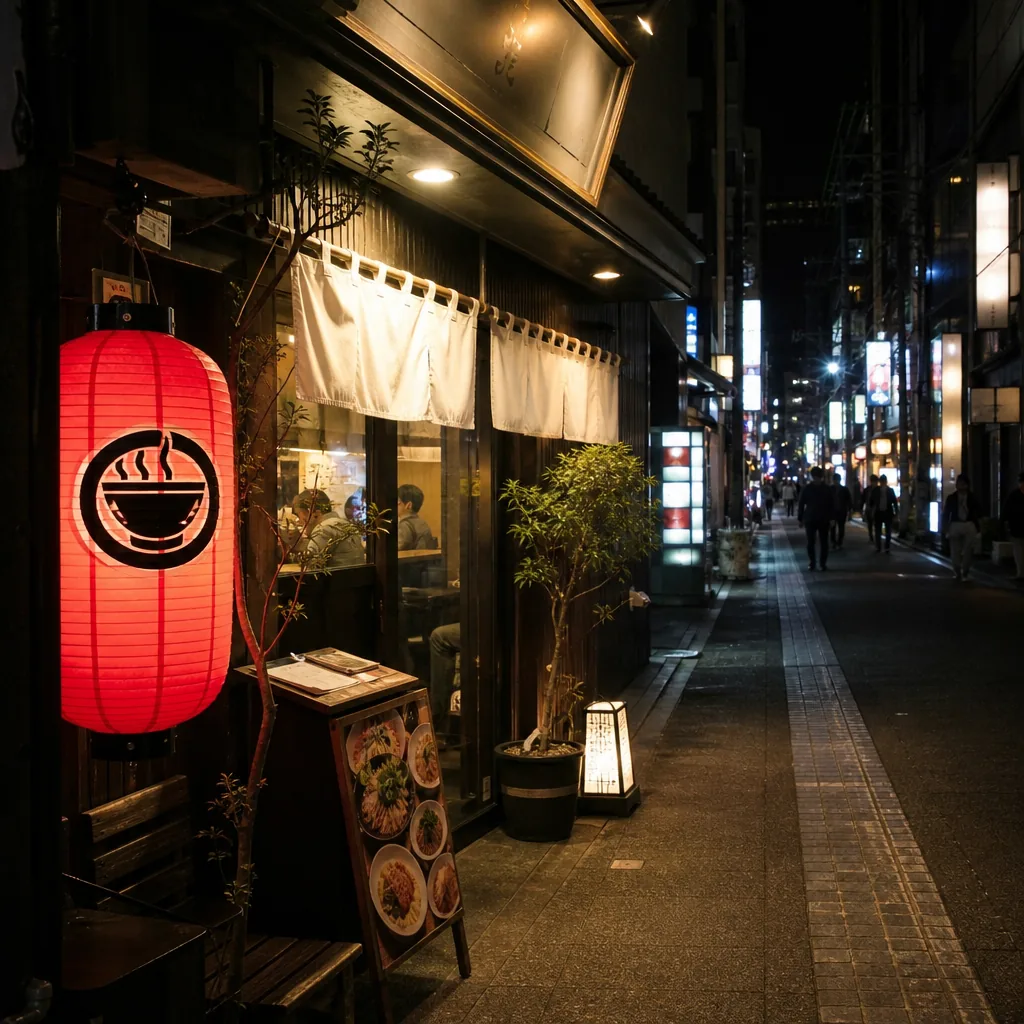
Looking for halal ramen in Kyoto after 10 p.m.? Here’s where to check, which areas are most practical, and how to verify hours and halal status.
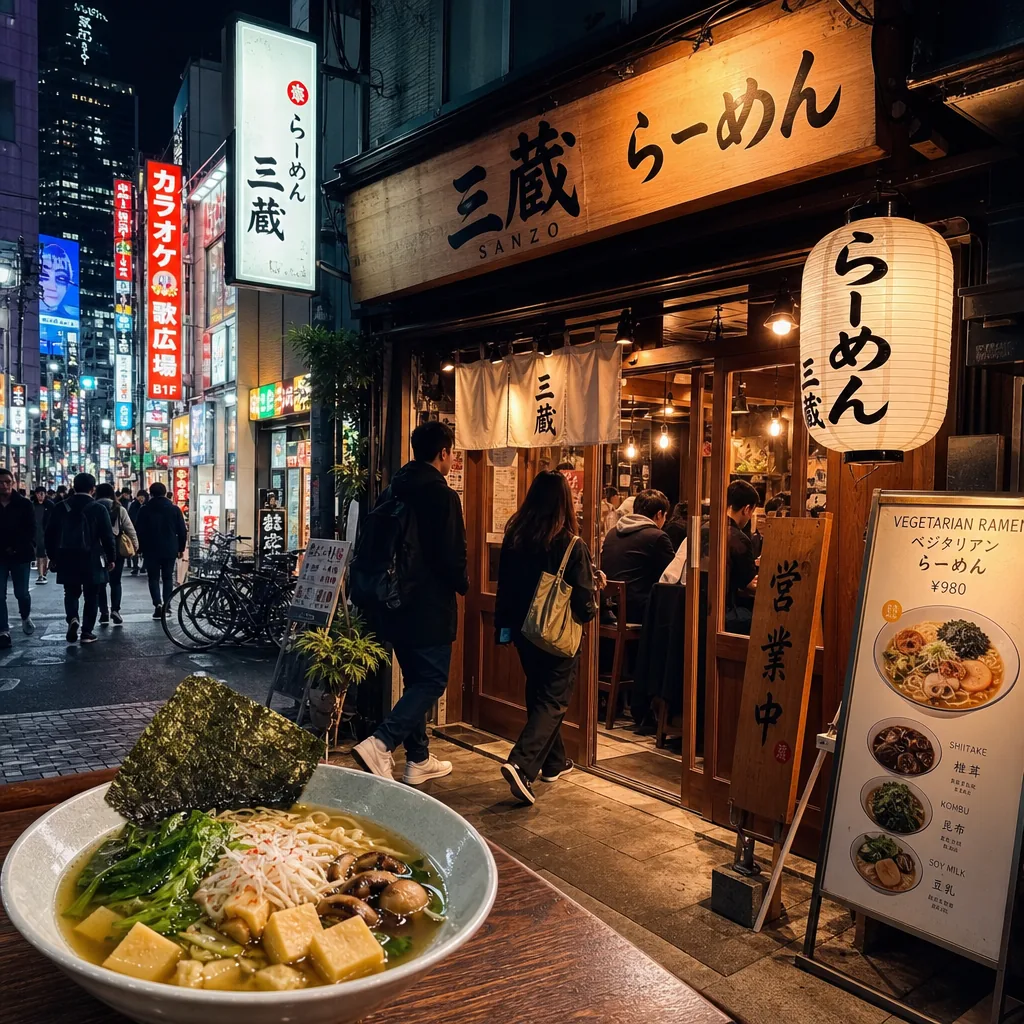
Find late-night vegetarian ramen in Tokyo by focusing on Shibuya, Shinjuku, and Roppongi, then verify broth, hours, and vegan menu details.