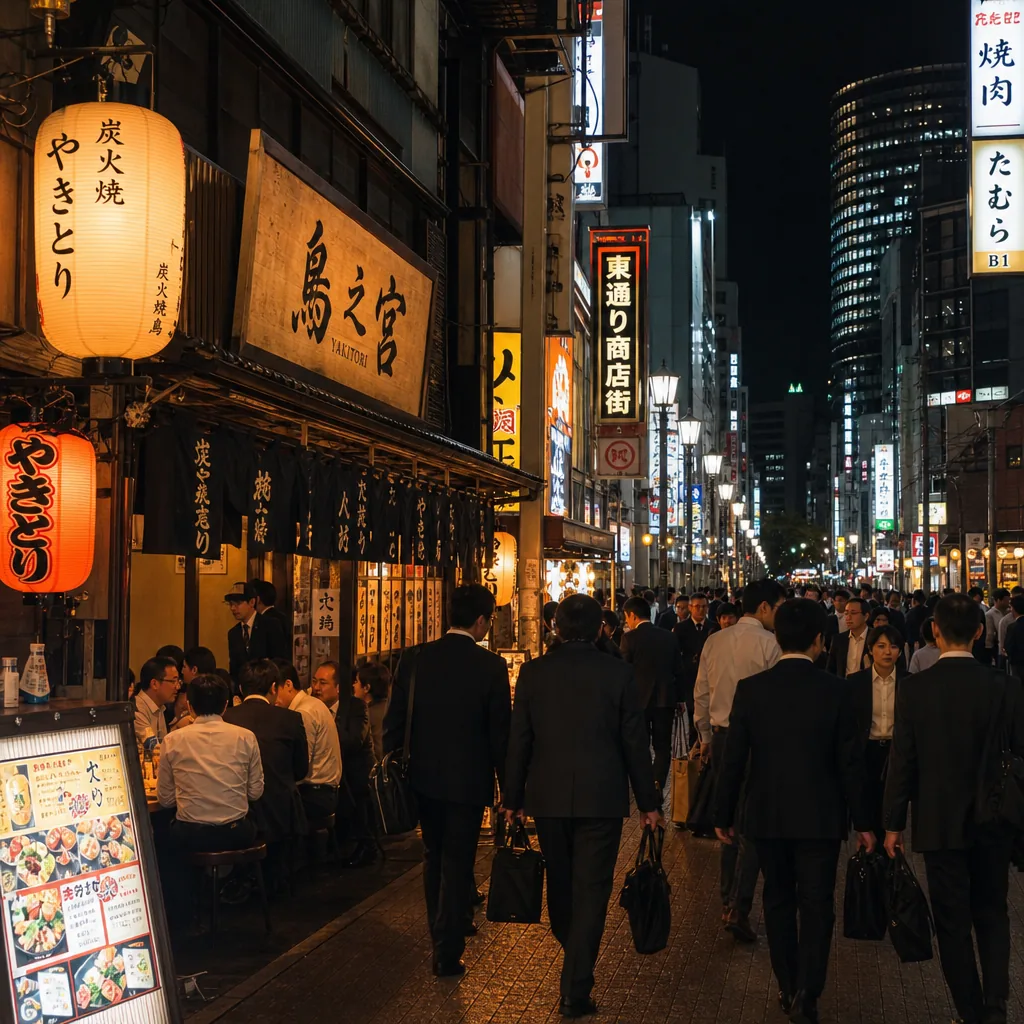
Where can I find english-friendly yakitori in Osaka after work?
Find English-friendly yakitori in Osaka after work by targeting Umeda, Namba, and Honmachi, plus booking sites and multilingual menus.
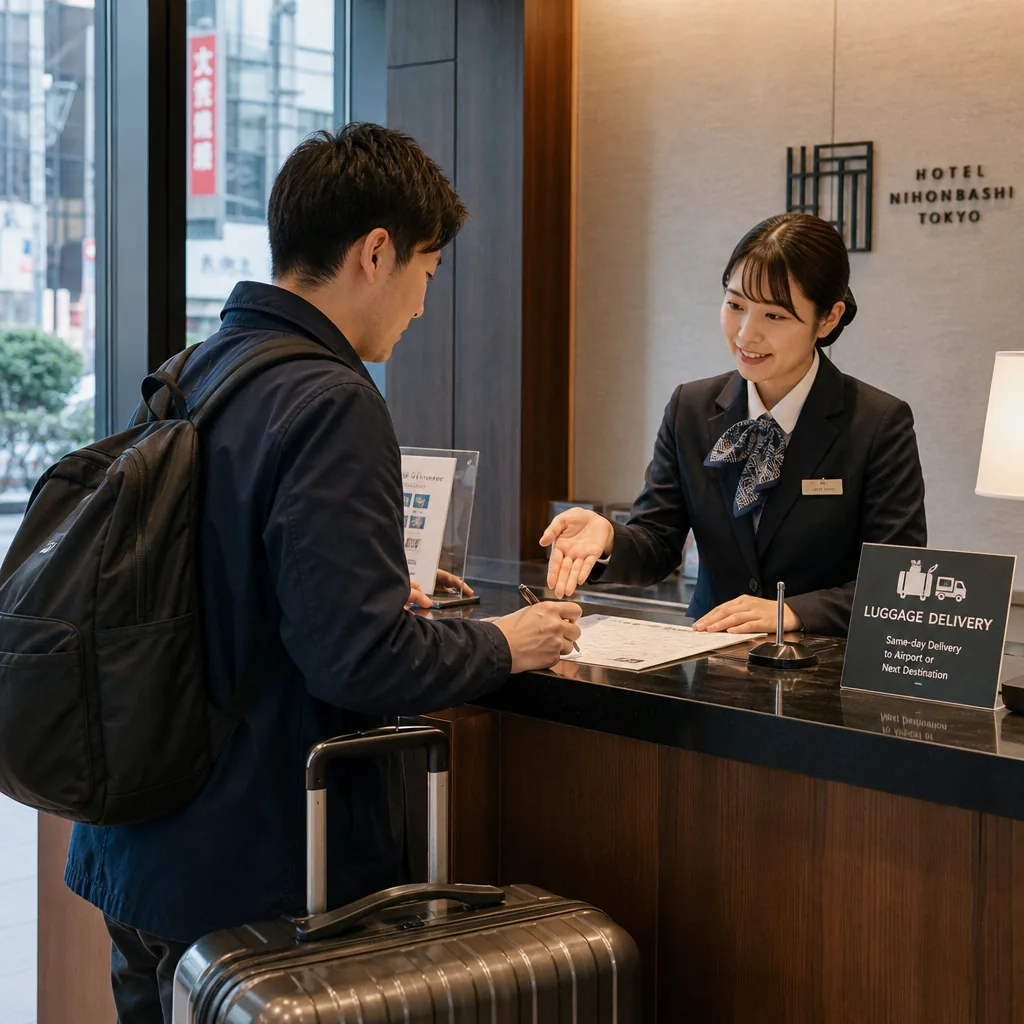
Tokyo luggage delivery, usually called takuhaibin or takkyubin, is a practical way to send suitcases between airports, hotels, and even some convenience-store counters so you can travel hands-free. For most visitors, the answer is yes: it can save time and simplify transfers, especially when moving between Haneda, Narita, and multiple Tokyo hotels [1][2][3][4][5].
In Tokyo, luggage delivery is a door-to-door or counter-to-counter courier service that moves checked bags separately from you. JAL ABC, Yamato Transport, Haneda Airport, Narita Airport, and JNTO all describe it as a standard travel service for airport-to-hotel, hotel-to-hotel, and hotel-to-airport transfers [1][2][3][4][5].
Travelers usually use it when they have early check-out, late check-in, a same-day flight, or plans to move between neighborhoods without hauling bags on trains. It is especially useful if you are switching from an airport hotel near Haneda to a central stay in Shinjuku, or from a Tokyo hotel to an airport counter before departure [1][2][3].
Named Tokyo places to know include Haneda Airport, Narita Airport, and major hotel areas such as Shinjuku and Ueno, where travelers often arrange forwarding between stays [2][3][5].
Tokyo’s two major airports both offer baggage delivery counters. Haneda Airport has baggage delivery service information for arriving and departing passengers, and Narita Airport also lists baggage delivery services for travelers using the airport [2][3]. If you are arriving internationally, these airport counters are often the easiest first stop.
Hotels in Tokyo commonly help guests with baggage forwarding, but the exact process depends on the property and the courier partner. JNTO notes that hotels may accept luggage for delivery, but travelers should check ahead because service methods and cut-off times can vary [5].
Convenience stores can also work as drop-off points, depending on the courier and location. Yamato Transport’s TA-Q-BIN service is widely used in Japan and supports sending bags from staffed counters and partner locations, making it a flexible option when your hotel does not have a convenient forwarding desk [4].
Practical examples:
Booking is usually done in person at an airport counter, hotel front desk, or courier counter rather than through a complicated online process. JAL ABC, Haneda Airport, Narita Airport, and Yamato Transport all provide direct service desks or accepted procedures for handing over baggage [1][2][3][4].
Payment is typically made at the time you hand over the bag. Prices vary by service type, bag size, and destination, so do not assume one flat fee across all Tokyo routes. The official services emphasize checking the counter for current rates and conditions before shipping [1][2][3][4].
Timing matters. Delivery is not immediate, and same-day delivery may not be available for every route. JNTO advises travelers to confirm the latest drop-off time and expected arrival schedule, because destination and carrier cut-off times affect whether your bag arrives the same day or the next day [5].
If you have a late-night arrival at Haneda or an early morning departure from Narita, plan for a buffer. The safest approach is to forward luggage a day early rather than assuming a bag dropped off at noon will be waiting at your hotel by evening [2][3][5].
Before sending anything, check what the courier will accept. Yamato Transport’s TA-Q-BIN and the airport-linked services list size and content limits, and JNTO warns that hazardous items, valuables, and some fragile goods may be prohibited or restricted [1][2][3][4][5].
In practice, this means you should not pack your only passport, medication, electronics charger, or anything you may need immediately into the forwarded suitcase. Keep those in a day bag. That way, if delivery is delayed or rerouted, you still have the essentials with you.
Common items that should stay with you include:
Also check whether your suitcase is within the service’s size and weight rules before you line up at the counter. Official service pages recommend confirming limits in advance rather than discovering a problem at drop-off [1][4][5].
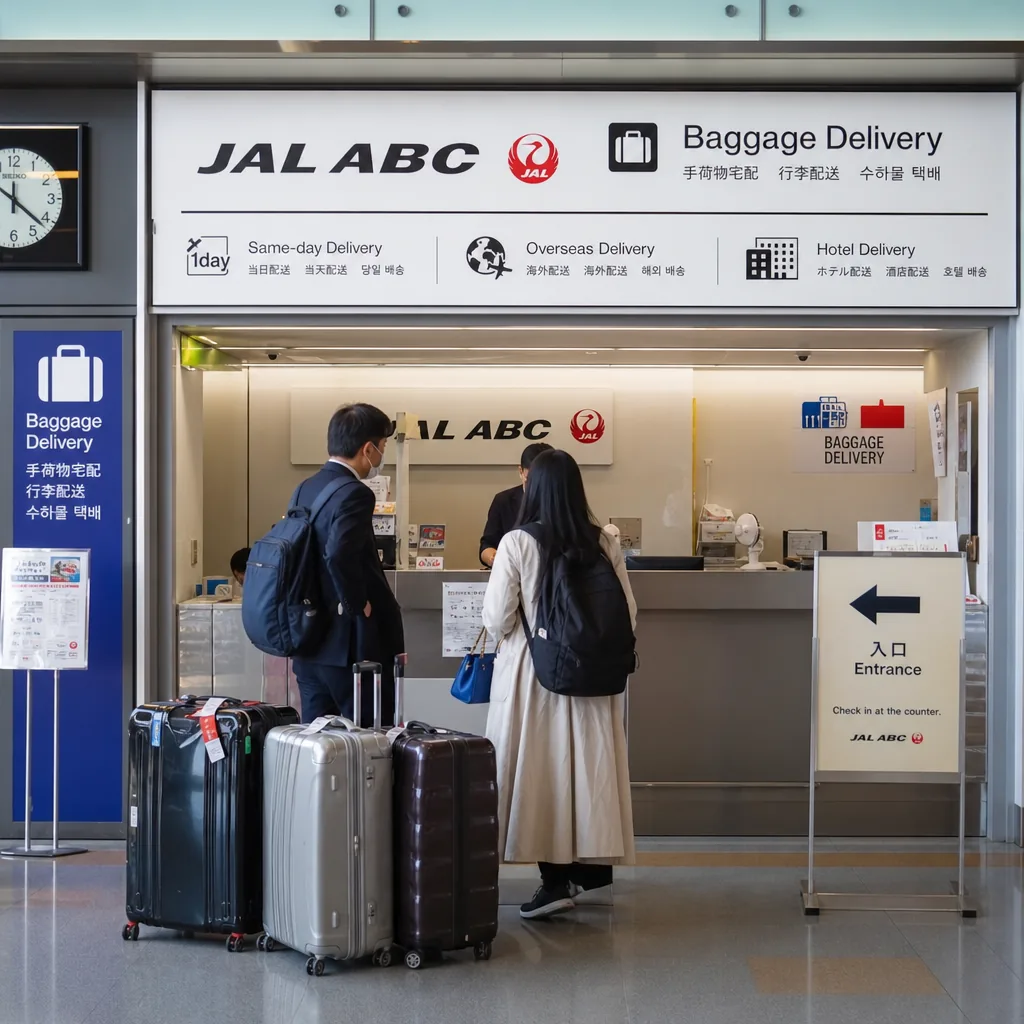
If you want the smoothest Tokyo transfer, build your schedule around the delivery timeline. Same-day service can work, but only if the drop-off time, destination, and carrier schedule allow it [2][3][5].
A useful rule is to send luggage early in the day when possible. If you are checking out of a hotel in Shinjuku and heading to another hotel in Tokyo, hand over your bag as soon as the front desk or courier opens, then travel with a small day bag. If you are going to Haneda or Narita, verify whether the airport counter can deliver to your terminal hotel or final destination on your timeline [2][3].
For next-day delivery, give yourself extra time before an international flight. A bag sent from central Tokyo to Narita may be more predictable when forwarded the day before departure rather than on the morning of your flight [3][5].
When in doubt, ask three questions at the counter:
The most common mistake is treating luggage delivery like instant storage. It is a transport service, not a guarantee of immediate access. Another mistake is packing your only set of essentials in the forwarded bag and then needing them before delivery [5].
To avoid problems in Tokyo, follow these practical steps:
For visitors staying around Tokyo Station, Shinjuku, Shibuya, Ueno, or near Haneda and Narita, luggage delivery can be one of the easiest ways to move through the city. Used correctly, it turns a heavy transfer day into a normal sightseeing day with less stress and fewer bags to carry [2][3][4][5].
CallButler is a multilingual concierge service that handles research, coordination, and bookings so you do not have to navigate language barriers or unfamiliar systems alone. If you need help related to What should visitors know before using Tokyo luggage delivery? or the tasks around it, our team can step in to manage the details and keep things moving smoothly.
Find English-friendly yakitori in Osaka after work by targeting Umeda, Namba, and Honmachi, plus booking sites and multilingual menus.
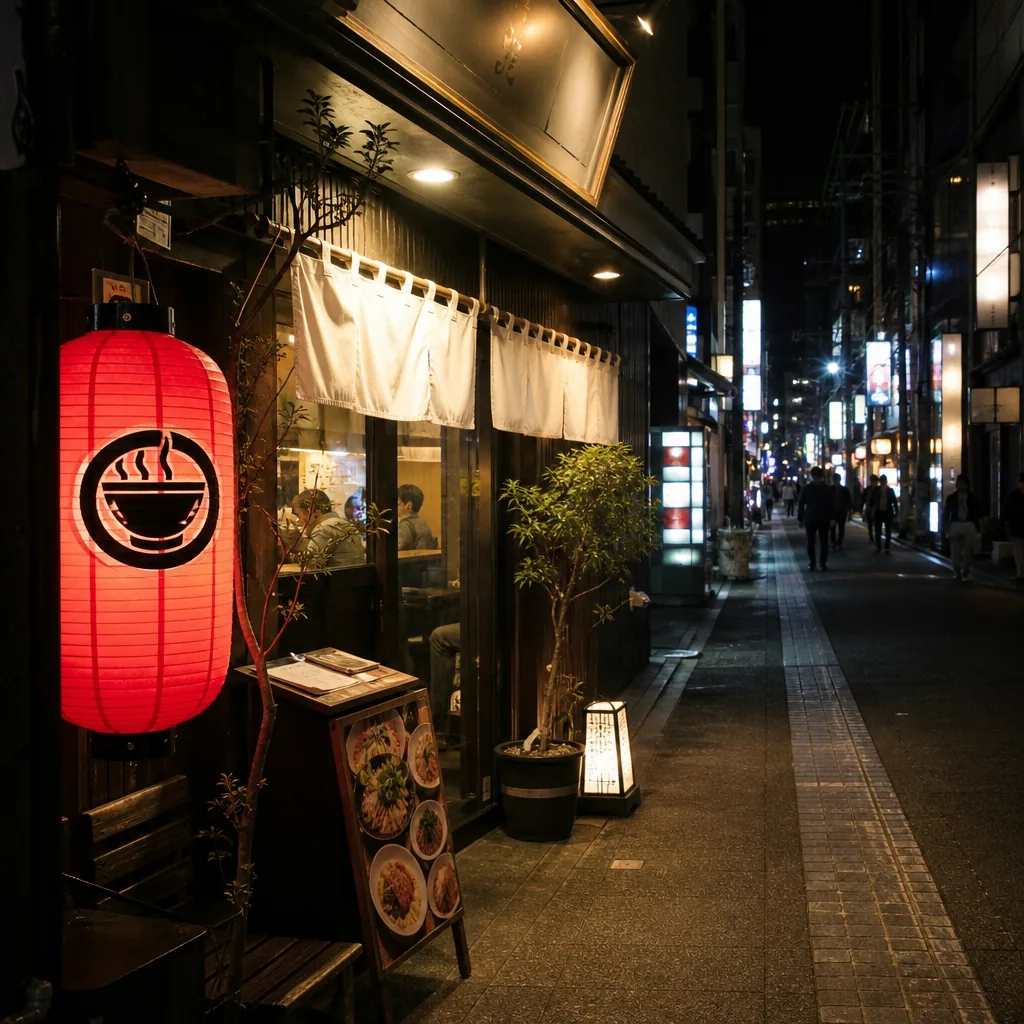
Looking for halal ramen in Kyoto after 10 p.m.? Here’s where to check, which areas are most practical, and how to verify hours and halal status.
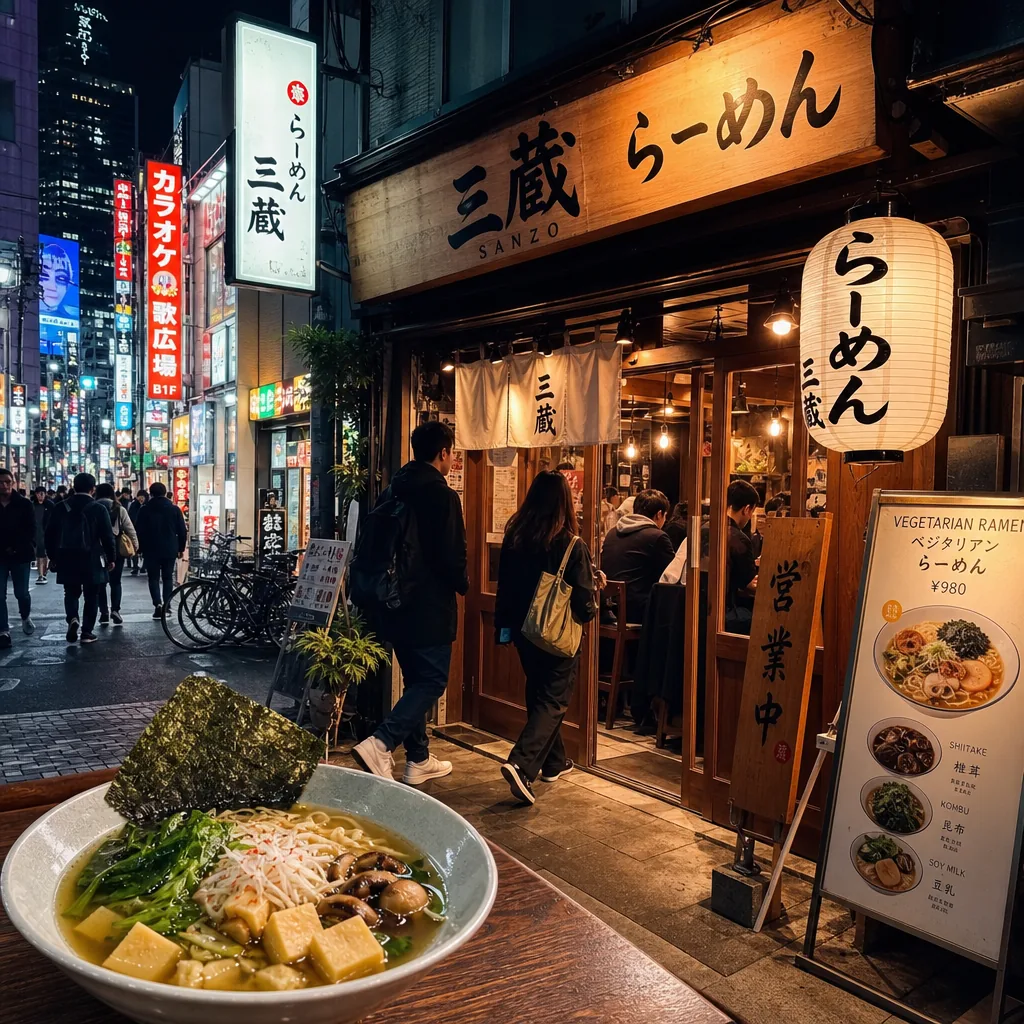
Find late-night vegetarian ramen in Tokyo by focusing on Shibuya, Shinjuku, and Roppongi, then verify broth, hours, and vegan menu details.