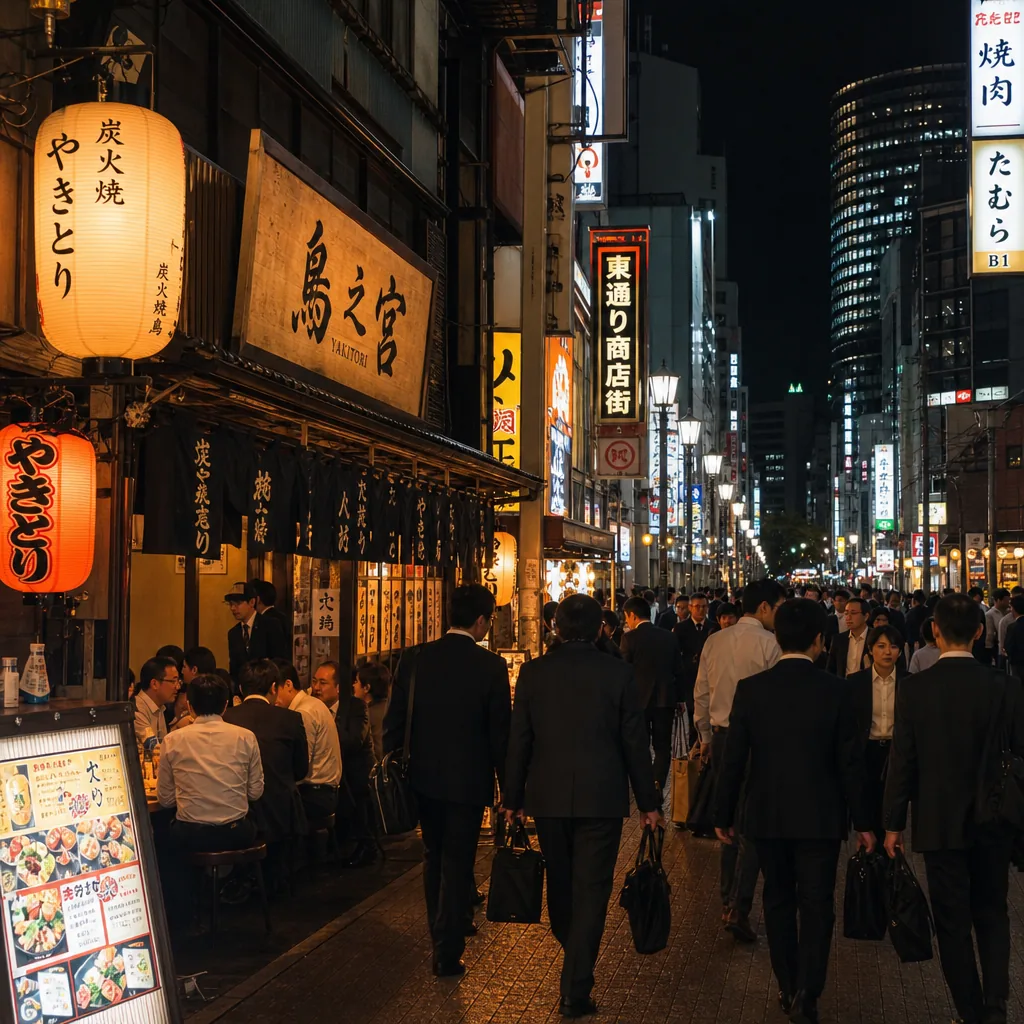
Where can I find english-friendly yakitori in Osaka after work?
Find English-friendly yakitori in Osaka after work by targeting Umeda, Namba, and Honmachi, plus booking sites and multilingual menus.
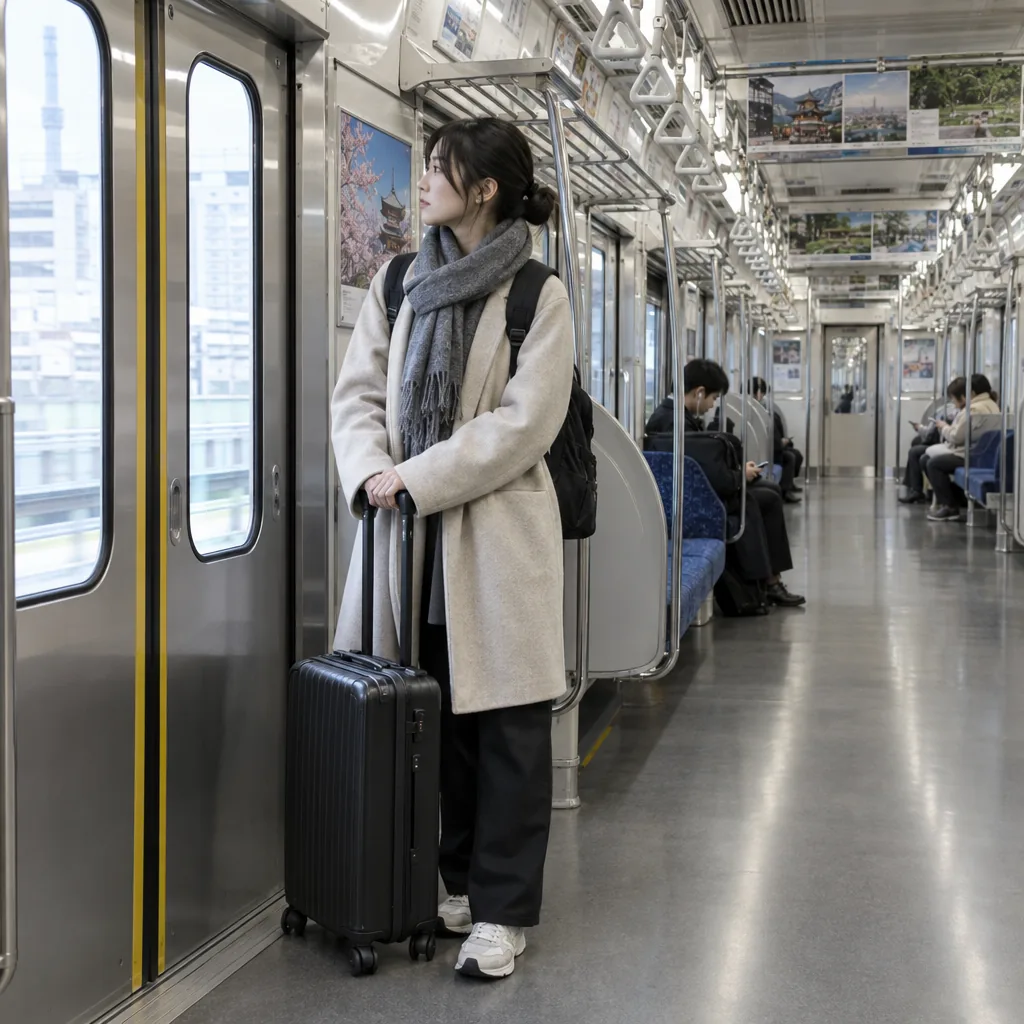
Yes, travelers can generally take ordinary suitcases on Tokyo’s subway, but crowded carriages, stairs and long transfers can make heavy luggage awkward. Plan an elevator-accessible route, travel outside weekday commuting peaks when possible, and keep your bags clear of doors and aisles. For bulky cases, consider luggage delivery rather than carrying everything through stations.
Tokyo’s subway network includes Tokyo Metro and Toei Subway, so identify the operator for every part of your journey. The official Tokyo Metro subway map shows both networks and their interchange stations; use it to check line names and station codes before choosing a route. A journey involving different operators deserves a check of both operators’ station information, not just the starting station.[3]
Ordinary passenger luggage is generally permitted, but that does not mean every oversized or exceptionally heavy item is acceptable. Check the relevant operator’s current baggage conditions if you are carrying unusually large cases, sports equipment or several bulky items. Do not apply Shinkansen oversized-baggage reservation rules to subway trains: these are separate services with separate conditions.
Permission to carry a suitcase also does not guarantee convenient storage. Choose luggage you can control yourself, including when passing ticket gates, negotiating a platform gap or moving through a busy interchange.
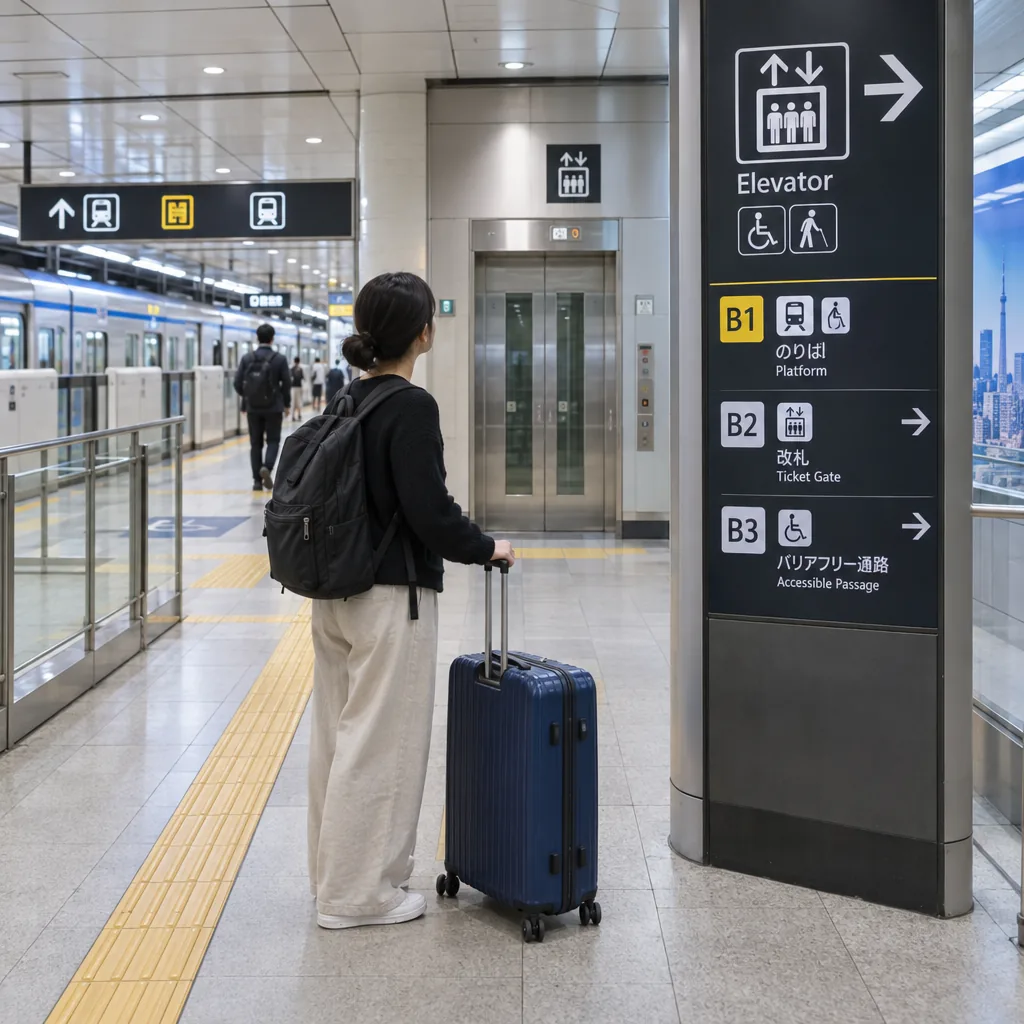
Start with the official subway map, then consult station information for elevators and accessible routes. Tokyo Metro’s barrier-free guidance explains its accessibility facilities, but you still need to establish which entrance, platform connection and exit work for your particular journey.[2][3]
For example, Shinjuku, Ginza and Otemachi are named interchange stations on the official map. They are useful reference points when comparing routes, but an interchange symbol does not tell you how far you will walk or whether your preferred connection follows an elevator-accessible path.[3]
Prefer fewer transfers when the overall journey remains practical. A slightly longer ride can be easier than a faster itinerary requiring repeated lifts, corridors and platform changes. If the accessible route is unclear, ask station staff before entering the gates rather than discovering the problem with a suitcase on the platform.
If your schedule allows, avoid weekday morning and evening commuting peaks. Crowding makes it harder to board, turn a suitcase around and reach the doors at your stop. Tokyo Metro’s manners guidance emphasizes avoiding inconvenience to other passengers; traveling when there is more space makes that considerably easier.[1]
Build flexibility into your departure rather than planning around the last possible train for an appointment. If a carriage is packed, let it leave and assess the next service. Do not force a large case into a doorway simply because you can squeeze yourself aboard.
Do not assume an ordinary subway carriage has a dedicated large-suitcase rack. Keep your case close, under your control and out of the aisle and doorway. Tokyo Metro specifically asks passengers to handle bags considerately and avoid obstructing others.[1]
Keep a hand on wheeled luggage so it cannot roll when the train accelerates or brakes. If your case has wheel locks, engage them, but continue holding it. Avoid leaving a suitcase standing behind you where you cannot see whether it is blocking someone.
Do not put a suitcase on a passenger seat. Keep smaller bags close to your body rather than extending into other passengers’ space. If you are near a door, watch which side opens at each station and move aside when necessary. A convenient position for one stop can become an obstruction at the next.[1]
Consider delivery if you have multiple heavy cases, cannot comfortably manage your luggage alone, or face several transfers. Yamato Transport’s Airport TA-Q-BIN provides luggage delivery involving Haneda and Narita, the airports serving Tokyo. Check the official service information for your direction of travel, available counters, baggage limits and delivery conditions.[4]
Do not assume immediate or same-day arrival. Before booking, confirm the expected delivery date, acceptance deadline, total charge and whether your accommodation can receive the shipment. For delivery to an airport, verify how far ahead you must send the bag and where you will collect it.[4]
Keep medication, valuables, travel documents and enough essentials for the delivery interval in your hand luggage. The practical choice is straightforward: use the subway with a manageable case and a checked accessible route; use delivery when the baggage would make that journey difficult.
CallButler is a multilingual concierge service that handles research, coordination, and bookings so you do not have to navigate language barriers or unfamiliar systems alone. If you need help related to What should travelers know about taking the Tokyo subway with luggage? or the tasks around it, our team can step in to manage the details and keep things moving smoothly.
Find English-friendly yakitori in Osaka after work by targeting Umeda, Namba, and Honmachi, plus booking sites and multilingual menus.
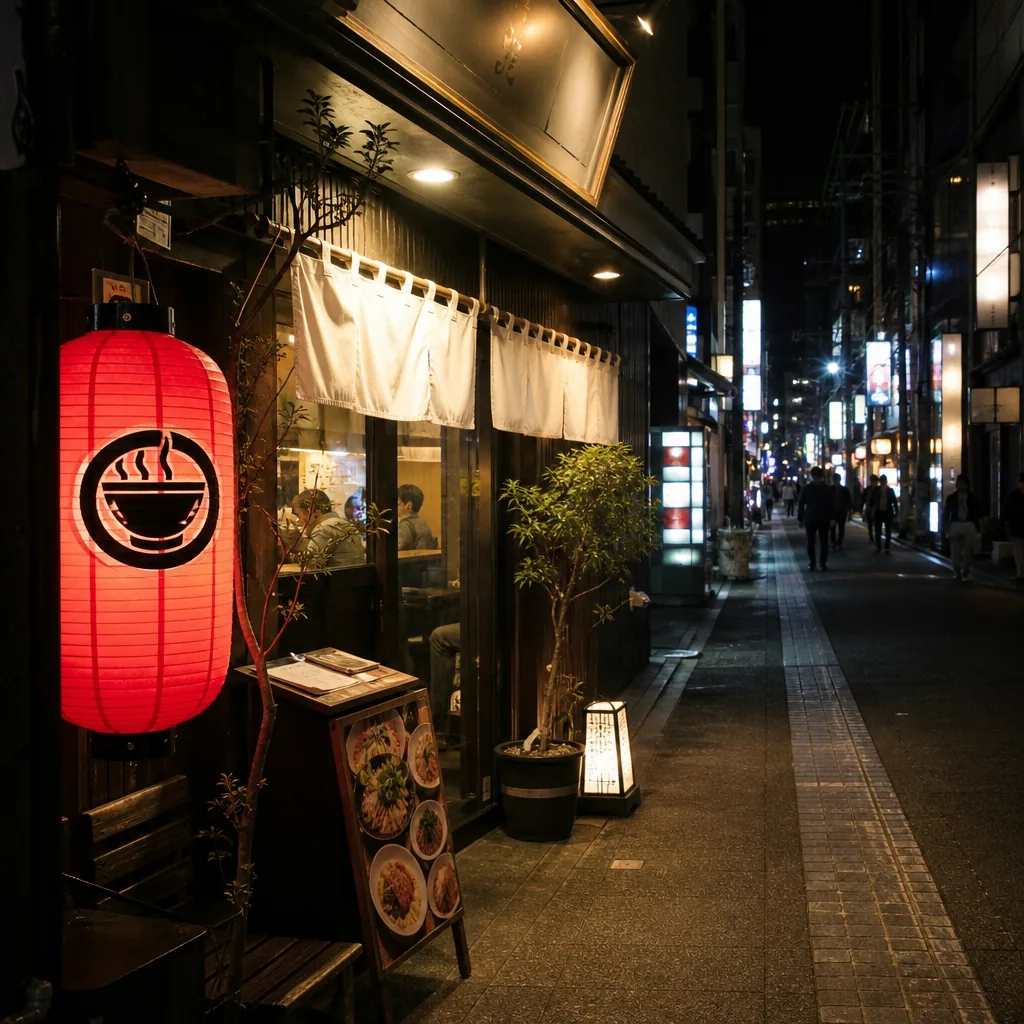
Looking for halal ramen in Kyoto after 10 p.m.? Here’s where to check, which areas are most practical, and how to verify hours and halal status.
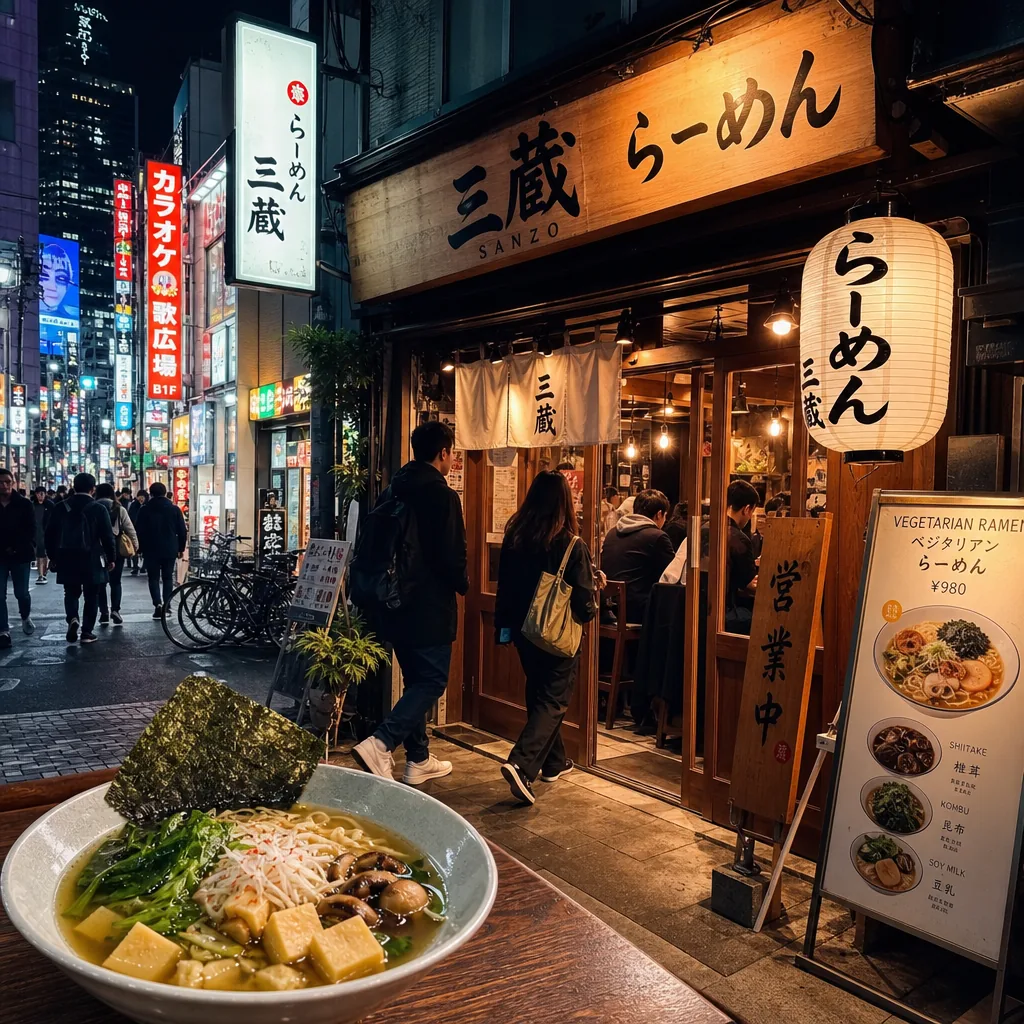
Find late-night vegetarian ramen in Tokyo by focusing on Shibuya, Shinjuku, and Roppongi, then verify broth, hours, and vegan menu details.