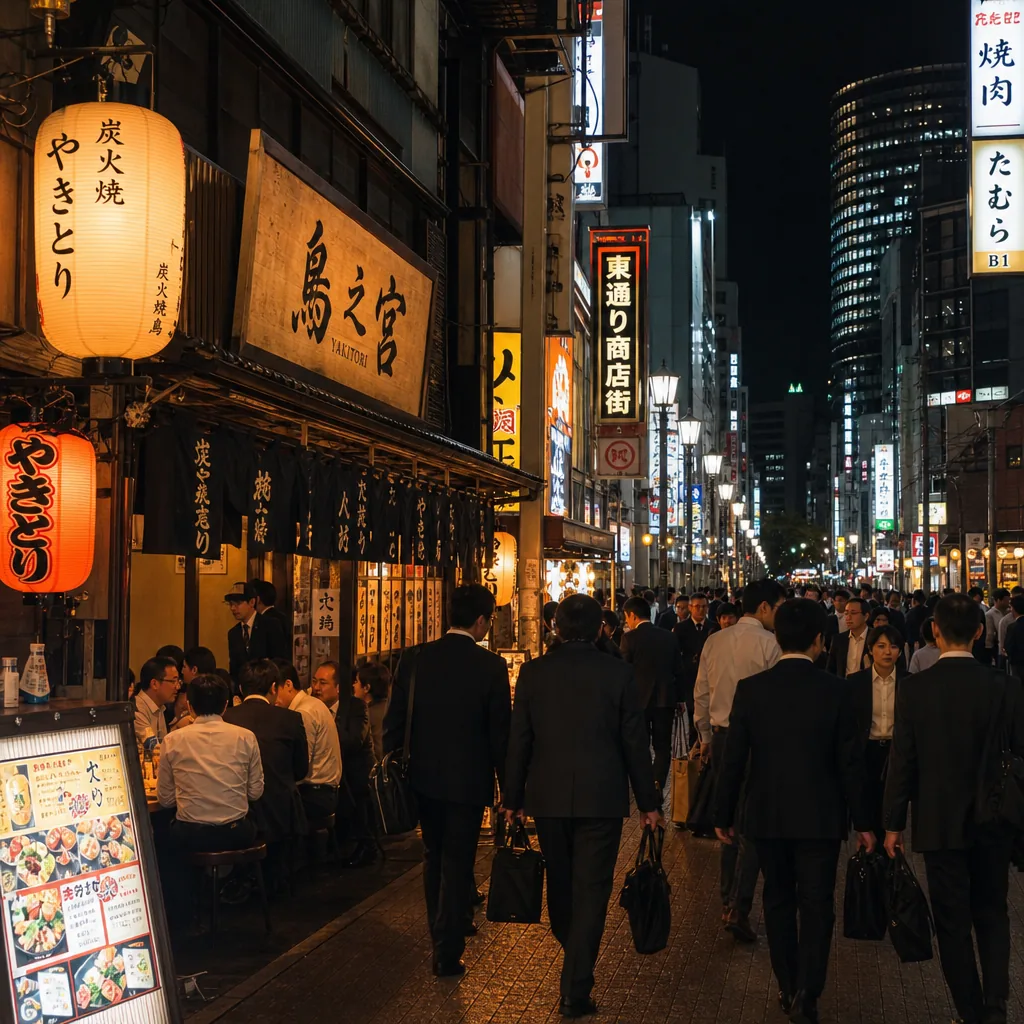
Where can I find english-friendly yakitori in Osaka after work?
Find English-friendly yakitori in Osaka after work by targeting Umeda, Namba, and Honmachi, plus booking sites and multilingual menus.
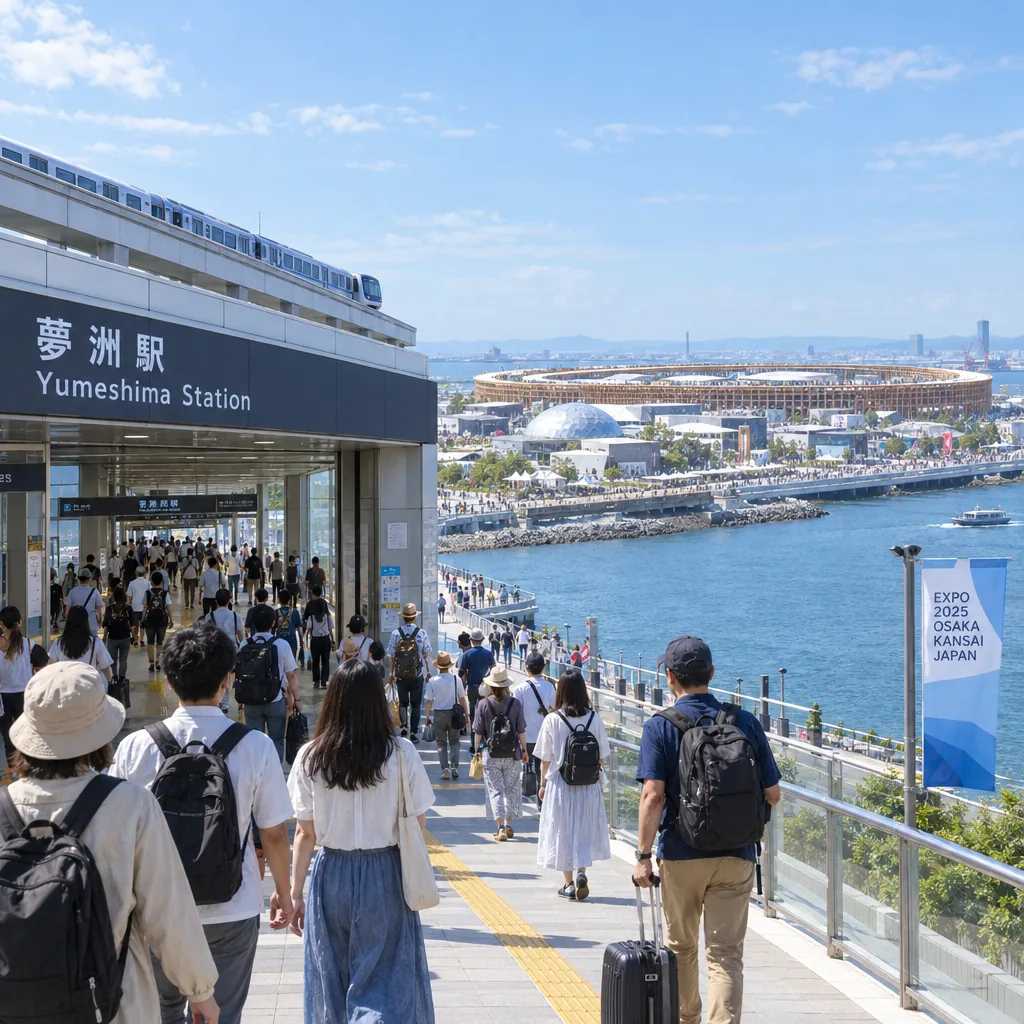
Before visiting Osaka during Expo 2025, travelers needed to arrange admission, understand separate pavilion bookings, plan transport to Yumeshima, and prepare for cashless payments and summer heat. However, the Expo ran from April 13 to October 13, 2025, and has now ended: this is a retrospective planning guide, not advice for buying admission today. Its main lesson remains useful for an Osaka trip—keep waterfront travel and central-city sightseeing in separate, realistic itinerary blocks. [1]
Expo 2025 Osaka, Kansai, Japan took place on Yumeshima, an artificial island in Osaka’s waterfront area. Its theme was “Designing Future Society for Our Lives.” The location mattered: the venue was not in Namba, Umeda, or another central sightseeing district, so reaching it required a dedicated journey rather than a short detour between attractions. [1][4]
If you are reading an old itinerary, check its dates before following it. Expo admission products, pavilion reservations, venue entrances, and special transport instructions were tied to the event. Do not assume that an archived ticket page means admission remains available, or that an Expo-era shuttle still operates. For a present-day journey to Yumeshima, consult current operator information instead. [2][3][4]
The important distinction was that buying a ticket did not complete every booking step. Under the standard advance-booking process, visitors also needed to reserve an admission date and entry time. Pavilion and event reservations were handled separately, so site admission did not guarantee entry to every exhibition a visitor wanted to see. [2][3]
A practical way to understand the historical process is to separate it into three layers:
Those opportunities included advance lotteries, first-come-first-served reservations, and same-day reservations. Not every pavilion required a reservation, and access arrangements varied. The sensible strategy was to prioritize a few must-see experiences, then leave space for available exhibitions and breaks rather than filling every hour with assumed bookings. These procedures are historical, not an active reservation checklist. [2][3]
The rail connection was Yumeshima Station on the Osaka Metro Chuo Line. Travelers based near Namba or Umeda generally needed to change lines rather than expect a direct train from those stations. Osaka Metro’s route map is the appropriate reference for understanding the network. [4]
For an Expo-day itinerary, the full journey also included getting from the hotel to the station, transferring, and completing venue entry. An admission slot was therefore not a sensible target for arrival at the hotel’s nearest station. Historical shuttle arrangements should be checked separately from the regular rail network; their appearance in an old guide does not establish present-day availability. [3][4]
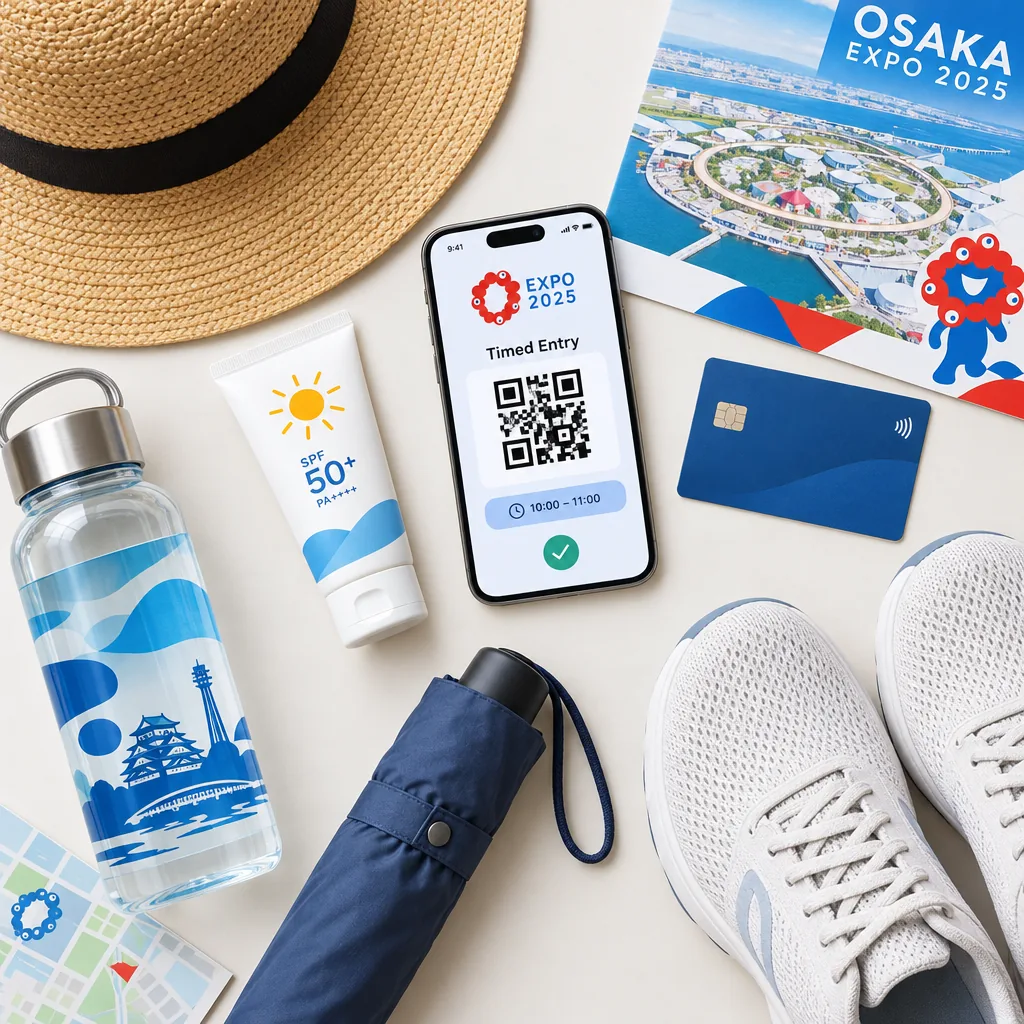
Payments inside the Expo site were cashless. Visitors therefore needed a payment method supported by the venue, rather than relying on the cash they might otherwise carry around Osaka. They also needed to check compatibility instead of assuming that every overseas-issued card or mobile wallet would work. [3]
A practical preparation list would have included:
For any current Osaka visit, distinguish these historical venue rules from payment policies at individual shops, restaurants, and attractions. An Expo-wide cashless policy was not a citywide rule.
Summer visitors needed to account for Osaka’s heat and humidity alongside their reservation schedule. The Expo’s official visitor information included heat-related precautions; hydration, sun protection, and rest breaks were practical necessities, not optional additions after sightseeing. [3]
A workable day left gaps between timed activities for walking, drinking water, eating, and resting. Rain protection also mattered, but packing an umbrella was not a substitute for checking weather and operational announcements before setting out. When conditions became uncomfortable, reducing the number of planned activities was more sensible than trying to preserve an overloaded itinerary.
The strongest itineraries treated the Expo as its own substantial outing. Osaka Castle offered a contrasting historical stop; Dotonbori provided a separate food-and-neon sightseeing area; and Nakanoshima offered a riverside district with cultural attractions. All three are established Osaka destinations highlighted by the city’s tourism bureau. [5]
For a short stay, a practical structure was one dedicated Expo day and another day for selected central Osaka sights, rather than promising a full Expo visit followed by every major attraction. For travel now, remove Expo admission and event-only transport from that plan entirely. Build around places currently open, verify their individual hours, and use the Metro map to connect the Osaka neighborhoods you actually want to explore. [4][5]
CallButler is a multilingual concierge service that handles research, coordination, and bookings so you do not have to navigate language barriers or unfamiliar systems alone. If you need help related to What should I know before visiting Osaka during Expo 2025? or the tasks around it, our team can step in to manage the details and keep things moving smoothly.
Find English-friendly yakitori in Osaka after work by targeting Umeda, Namba, and Honmachi, plus booking sites and multilingual menus.
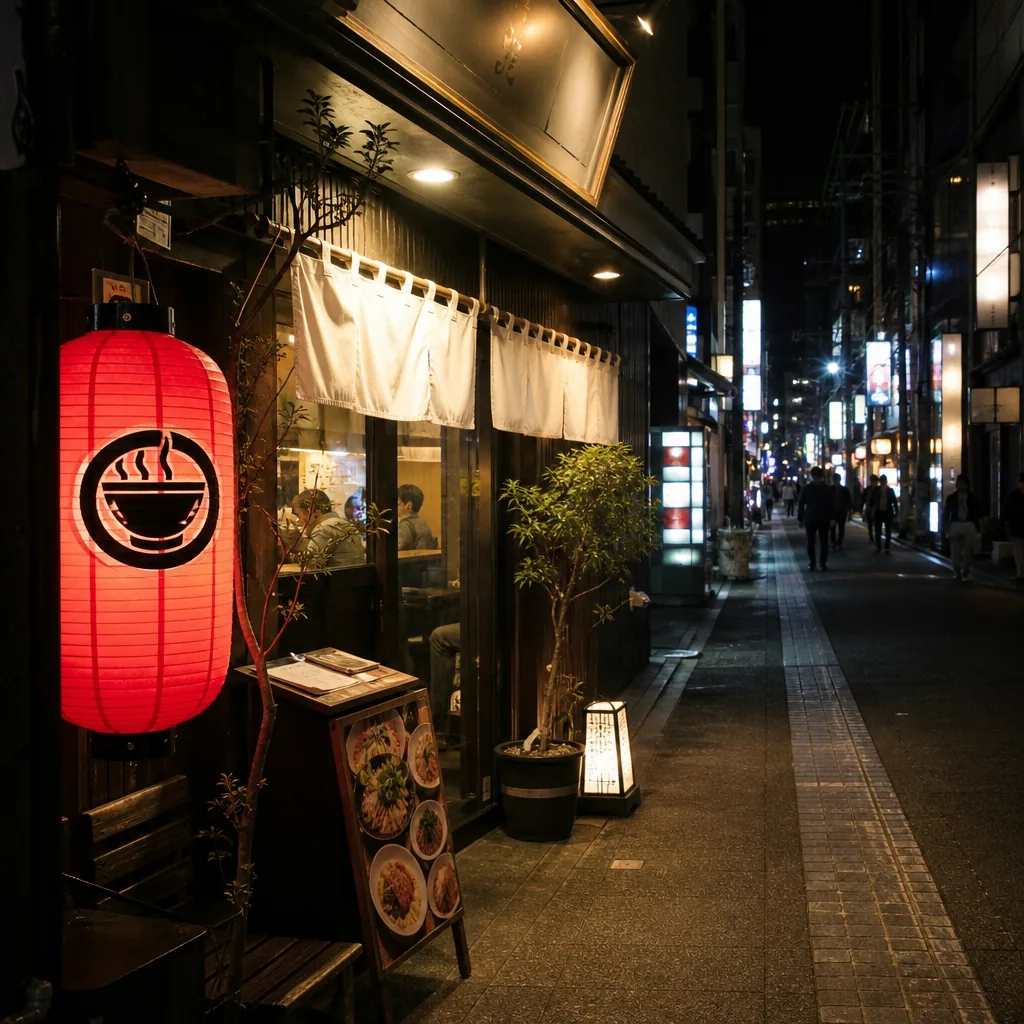
Looking for halal ramen in Kyoto after 10 p.m.? Here’s where to check, which areas are most practical, and how to verify hours and halal status.
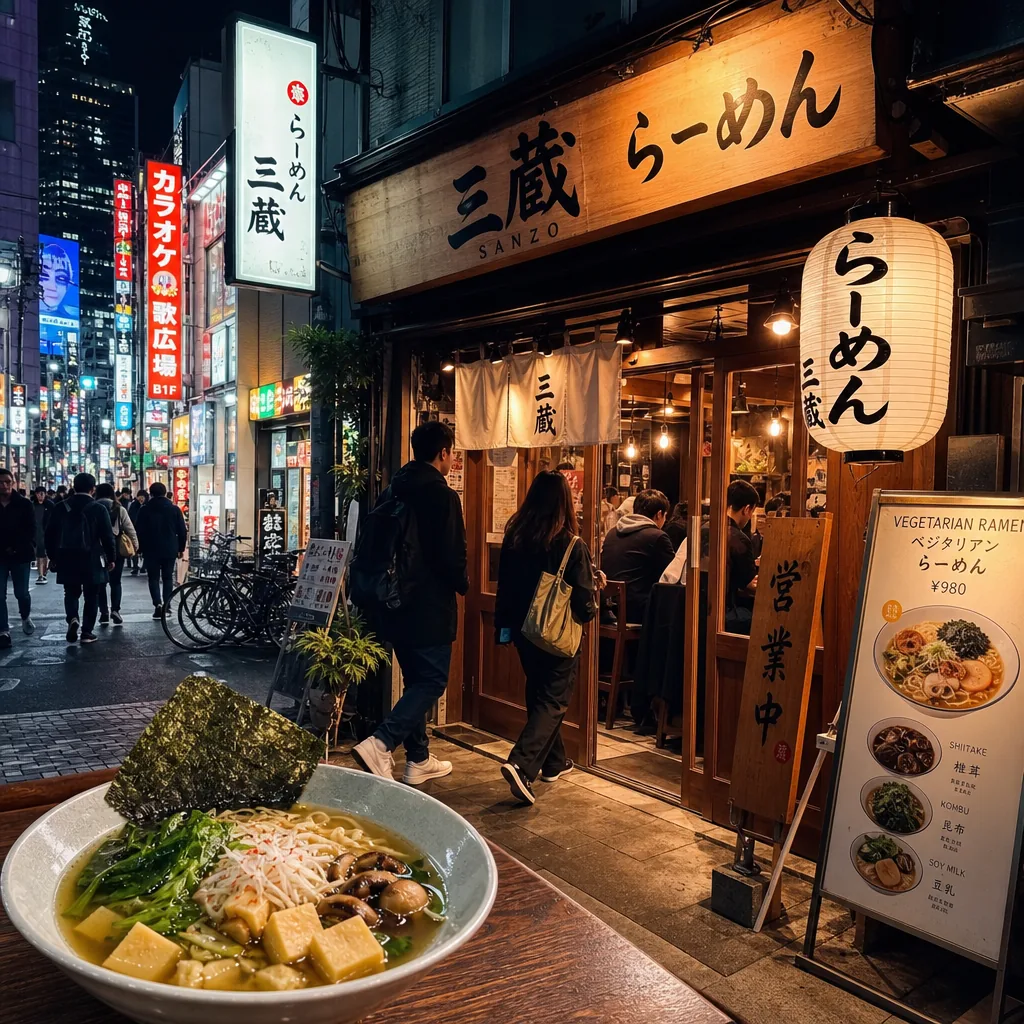
Find late-night vegetarian ramen in Tokyo by focusing on Shibuya, Shinjuku, and Roppongi, then verify broth, hours, and vegan menu details.