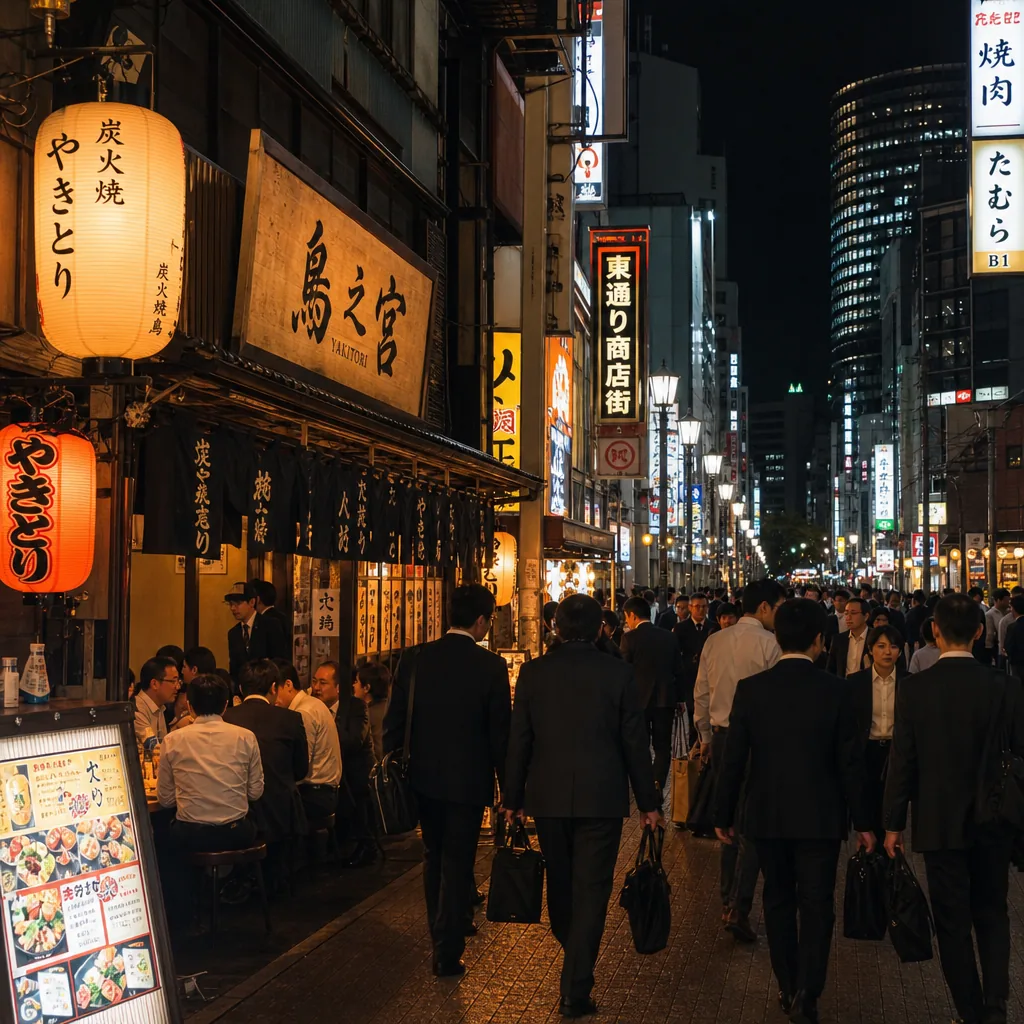
Where can I find english-friendly yakitori in Osaka after work?
Find English-friendly yakitori in Osaka after work by targeting Umeda, Namba, and Honmachi, plus booking sites and multilingual menus.
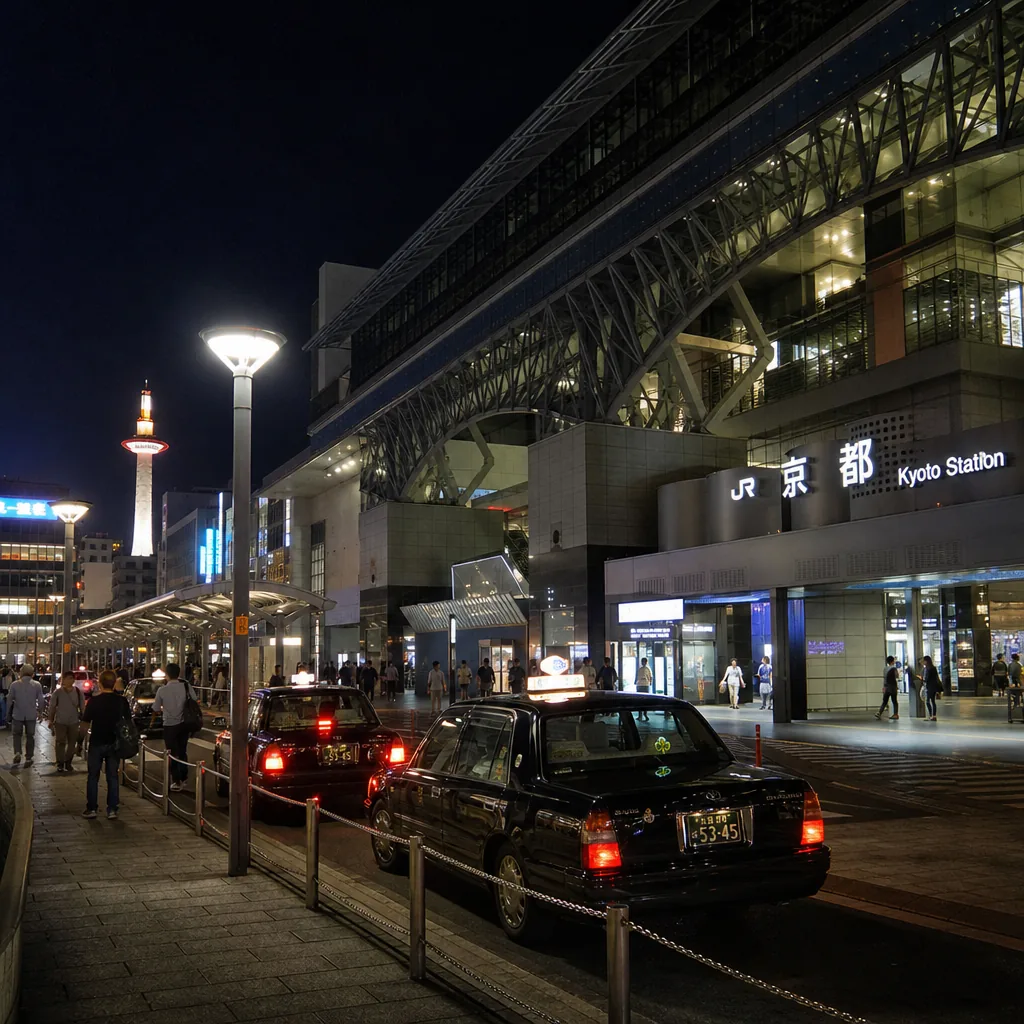
Kyoto Station area is generally safe, bright, and convenient at night, but it is not a 24-hour entertainment district. The station itself stays active after dark, while many restaurants, shops, and sightseeing facilities in Kyoto close early, so you should plan dinner, transport, and your return route in advance [1][2][5].
Kyoto Station is one of the city’s main transport hubs, so the immediate station frontage remains lively later than most other parts of Kyoto [1][3]. Inside and around the station, you will still find travelers, hotel guests, and people transferring between trains, buses, and taxis. However, once you walk a few blocks away from the main roads, the city becomes much quieter and darker than visitors used to larger Japanese cities may expect [5].
This contrast matters because “Kyoto Station area” can mean two very different experiences: the brightly lit station complex itself, and the surrounding neighborhoods where shops may already be closed. Kyoto City’s nighttime guidance specifically notes that streets away from major roads can have low foot traffic late at night, so route planning is important if you are walking back to a hotel [5].
Useful nearby reference points include JR Kyoto Station, the Kyoto Station Building, and the Kyoto Tower area, which are all part of the broader station district and easier to navigate after dark [3].
Many visitors are surprised by how early Kyoto winds down. Compared with Tokyo or Osaka, the city has fewer late-night dining and shopping options, and even popular sightseeing venues typically do not run late into the evening [1][2][5]. That means your best late options are usually practical ones rather than “nightlife” destinations.
For a late dinner, look first at station-based food floors, hotel restaurants, and chain restaurants near the station. The Kyoto Station Building is especially useful because it concentrates shopping and dining in one place, making it the most predictable late-evening area to start from [3]. Convenience stores near major hotels and the station are also reliable for drinks, snacks, and basic supplies after other businesses close [5].
If you want to make the night smoother, eat your main meal before peak closure time and use the station area only as a backup. That is especially helpful if you are arriving on an evening train and do not want to search the neighborhood after everything nearby has shut down.
The most important nighttime rule in Kyoto is to check the last departure before you go out. JR lines, Kyoto Subway services, and city buses all have final trips, and missing them can turn a short outing into an expensive taxi ride [2]. Kyoto’s official transport guide emphasizes planning around service hours rather than assuming late-night frequency [2].
In practice, buses are the most limited option at night. If your return depends on a bus connection, verify the final departure time before leaving your hotel or restaurant. Trains are generally more dependable than buses, but the same warning applies: do not assume there will be another departure in 20 or 30 minutes just because you are in a major station area [2].
If you miss the last train or prefer not to navigate dark streets, taxis are the most practical backup. Kyoto City’s taxi guidance confirms that taxi stands are available at Kyoto Station, which makes it easy to line one up without searching the streets [4]. That is especially helpful if you are carrying luggage or arriving late from an intercity train [4].
For first-time visitors, a simple nighttime transport plan is often enough:
Kyoto Station area is not considered a high-risk place, but nighttime behavior still matters. Kyoto City’s tourism guidance advises visitors to stay alert on darker streets and to use common sense in low-traffic areas [5]. The main issue is usually not crime, but environment: fewer pedestrians, less storefront lighting, and more opportunities to make a wrong turn.
Respect for nearby residents also matters. The station district includes hotels, apartments, and smaller residential blocks, so late-night noise carries easily. Keep voices down, do not block sidewalks with luggage, and dispose of trash properly. These habits are especially important if you are returning late from dinner or drinks and walking through quieter streets [5].
One practical caution is that signs and landmarks are easier to miss at night. Use major routes and well-lit frontage roads whenever possible, and avoid assuming that a shortcut through a side alley will be faster. If you are uncertain, return to the station complex and reorient there; JR Kyoto Station and the surrounding commercial buildings are the easiest reference points to use after dark [1][3].
The easiest way to enjoy the Kyoto Station area at night is to treat it as a transit-and-dinner zone, not as a place for spontaneous late wandering. That mindset matches how the district actually functions: active around the station, quieter elsewhere, and dependent on fixed transport schedules [1][2][5].
Before you head out, use this checklist:
If you are arriving in Kyoto for the first time, a good low-stress evening plan is to stay within the station area, eat at the station building, and return to your hotel before the last trains thin out. That approach gives you the convenience of Kyoto’s biggest transport hub without the frustration of closed shops or a long walk through quiet streets [1][2][3].
In short, Kyoto Station at night is easy to manage if you plan ahead. Use the station as your anchor, confirm transport cutoffs, and rely on taxis or nearby convenience stores when the city gets quieter than expected [2][4][5].
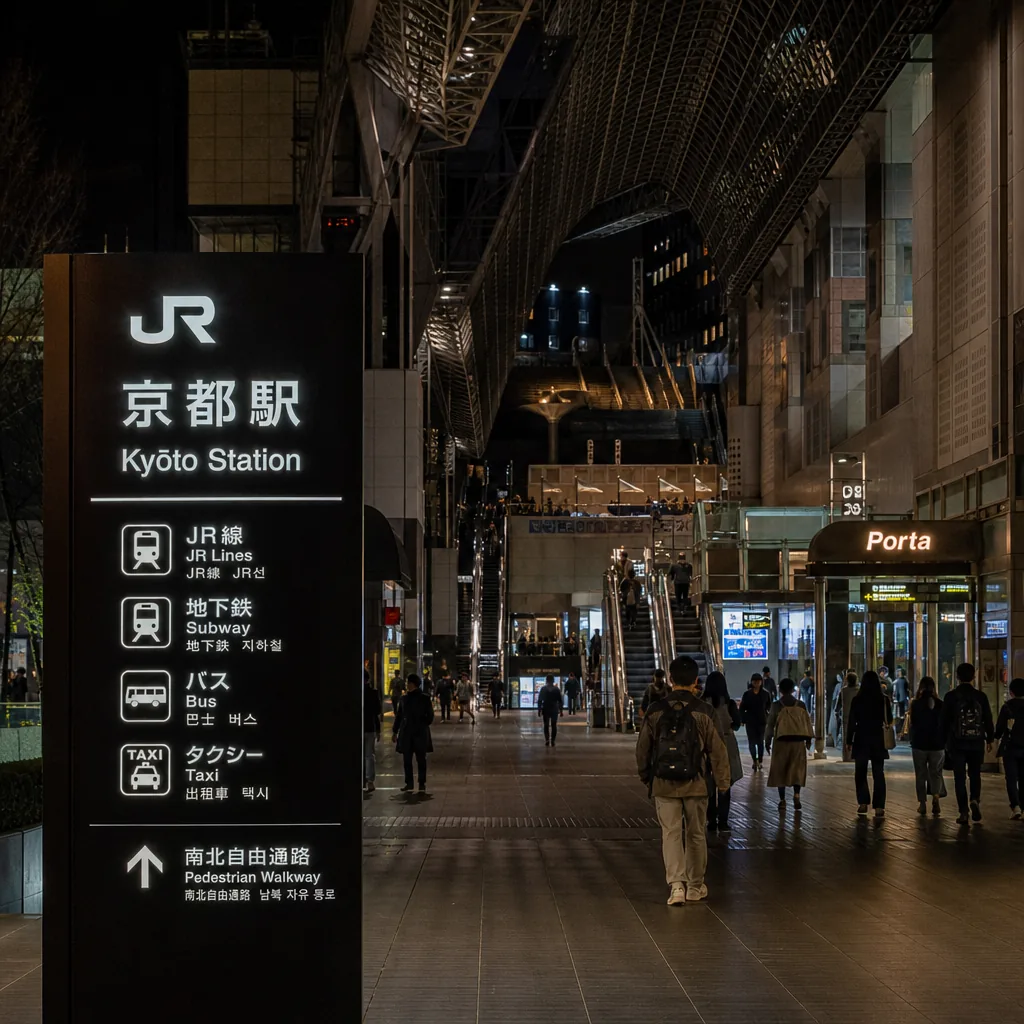
CallButler is a multilingual concierge service that handles research, coordination, and bookings so you do not have to navigate language barriers or unfamiliar systems alone. If you need help related to What should I know before visiting Kyoto station area at night? or the tasks around it, our team can step in to manage the details and keep things moving smoothly.
Find English-friendly yakitori in Osaka after work by targeting Umeda, Namba, and Honmachi, plus booking sites and multilingual menus.
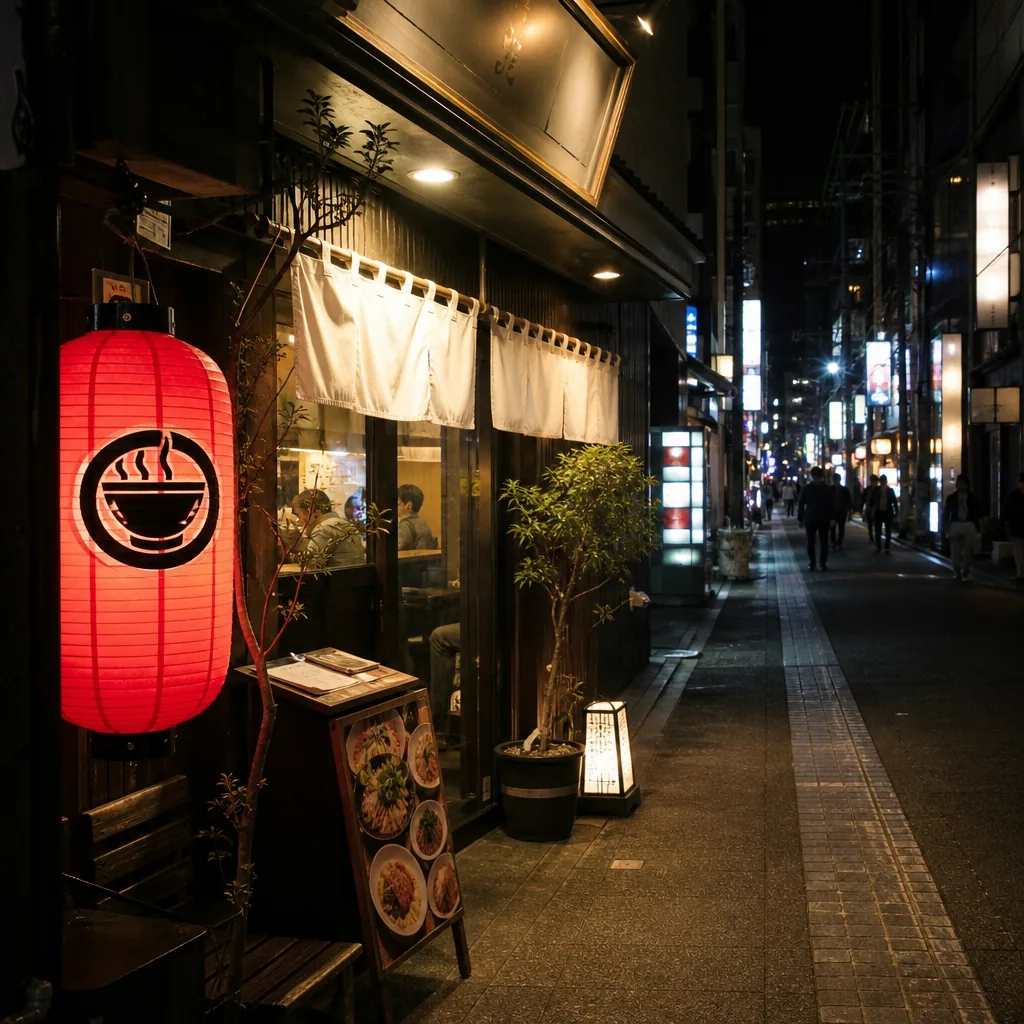
Looking for halal ramen in Kyoto after 10 p.m.? Here’s where to check, which areas are most practical, and how to verify hours and halal status.
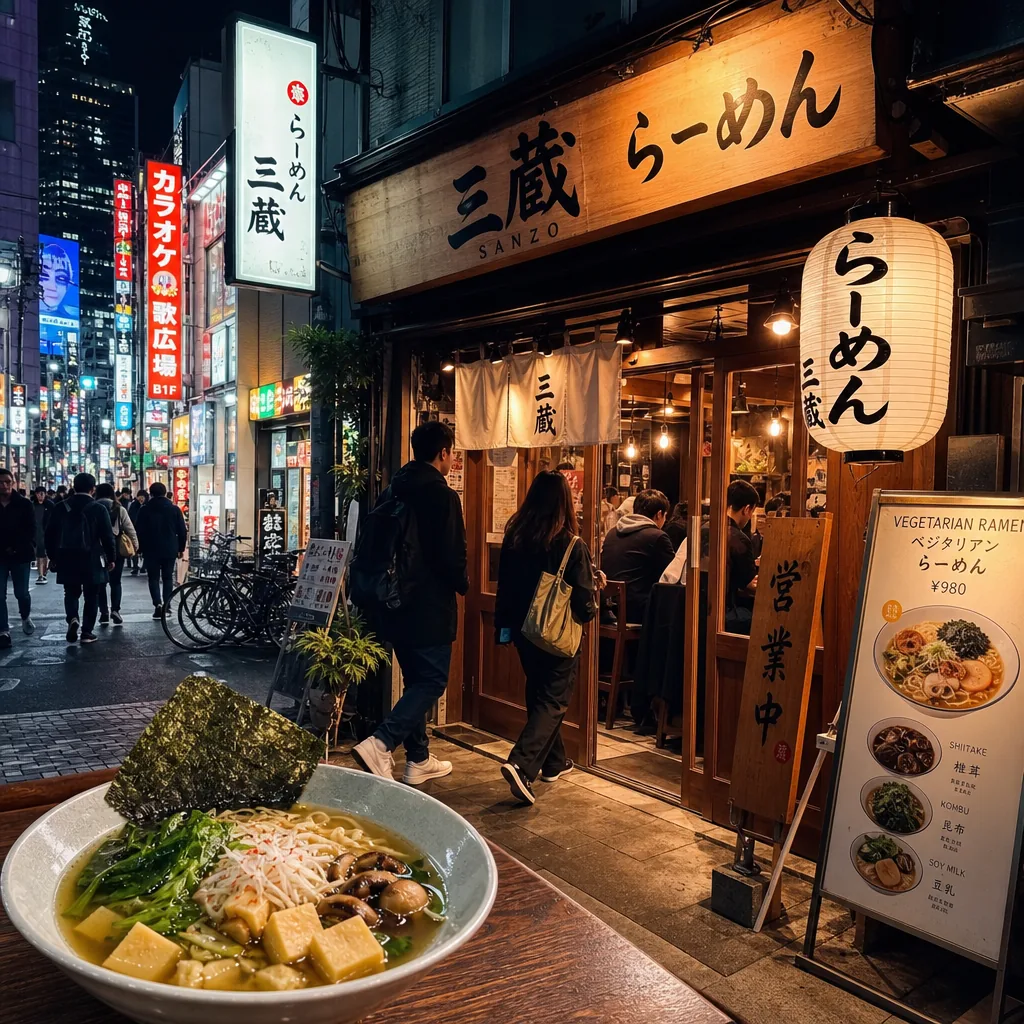
Find late-night vegetarian ramen in Tokyo by focusing on Shibuya, Shinjuku, and Roppongi, then verify broth, hours, and vegan menu details.