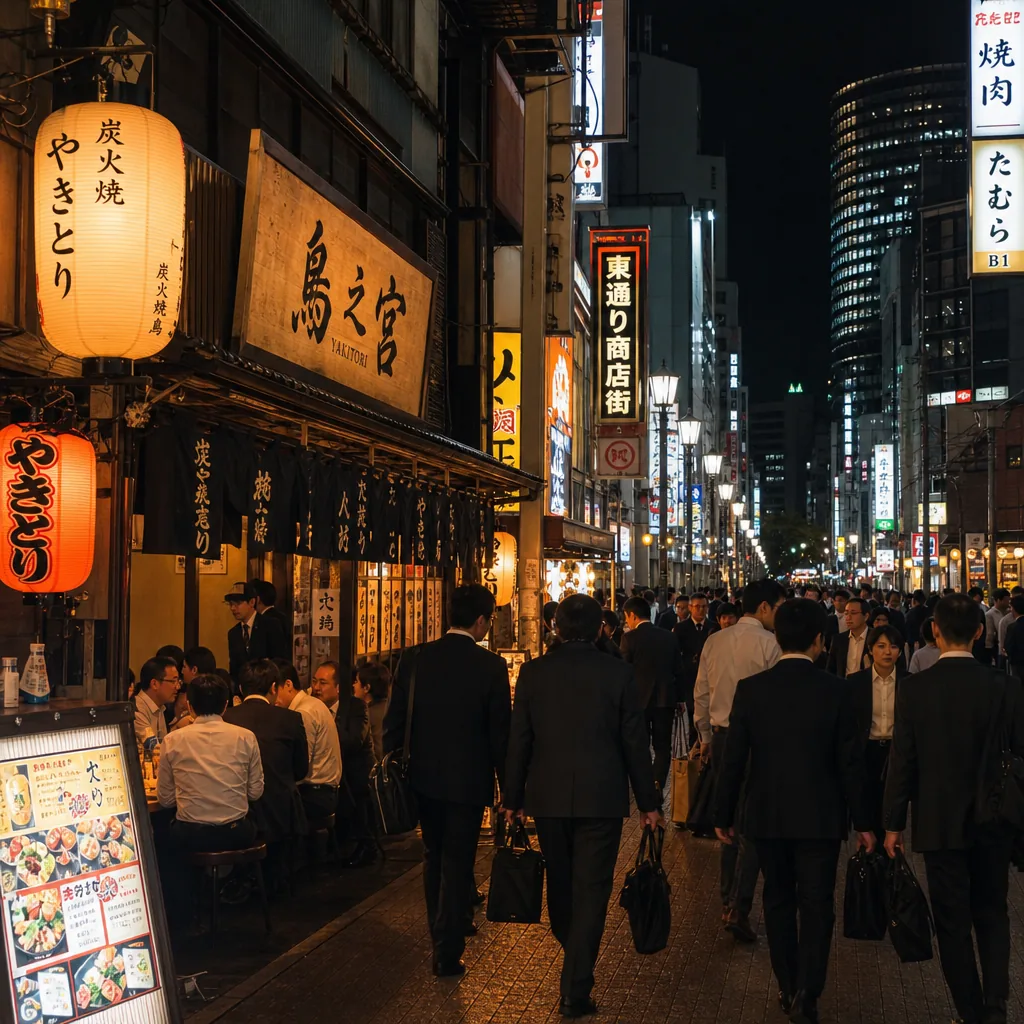
Where can I find english-friendly yakitori in Osaka after work?
Find English-friendly yakitori in Osaka after work by targeting Umeda, Namba, and Honmachi, plus booking sites and multilingual menus.
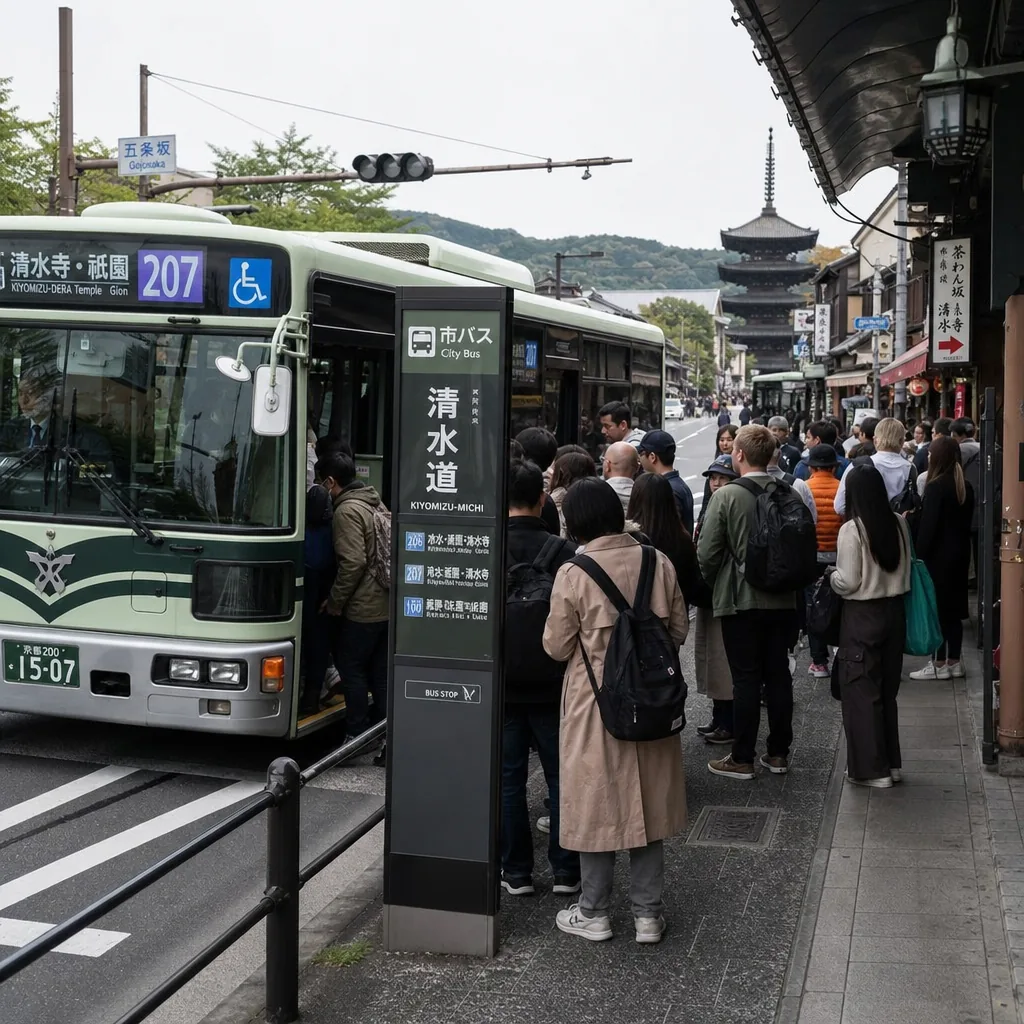
Before using Kyoto’s subway and buses, know this: the subway is limited but fast for crossing the city, while buses reach many major sightseeing areas but can be slow and crowded. If you understand how to pay, where to board, and when to choose the subway over a bus, getting around Kyoto becomes much easier [1][2].
Kyoto’s subway system is small, with just two lines: the Karasuma Line and the Tozai Line [3]. That makes it efficient for moving between key areas, but it also means the subway will not take you directly to many famous sightseeing spots. For example, the Karasuma Line is useful for central north-south travel, while the Tozai Line helps with east-west movement and connections to areas such as Nijo and Higashiyama [3].
Buses fill the gaps. Kyoto City’s official travel guide emphasizes that buses are an essential part of city sightseeing because they connect stations, neighborhoods, and destinations that are not served by the subway [1][4]. If you are going to places such as Kiyomizu-dera, Gion, or the area around Kinkaku-ji, bus planning matters more than subway planning [1].
Contactless IC cards are the easiest option for most visitors. Kyoto City Subway and many Kyoto City buses accept common IC cards such as Suica and ICOCA, which lets you tap in or pay without handling cash for every ride [2][3][4]. If you already use an IC card in another Japanese city, it will usually work in Kyoto as well [2].
Fares depend on the system. Kyoto City Subway uses distance-based fares, while many Kyoto City buses use a flat fare system for standard city routes [3][4][5]. The Transportation Bureau’s fare pages explain the current prices and ticket rules, so it is worth checking them before you travel if you plan to make several transfers in one day [5]. For most short sightseeing days, an IC card is simpler than buying individual paper tickets [2][5].
If you are arriving with luggage or traveling with children, it can help to plan fewer transfers. Kyoto’s compact subway network means one subway ride plus a walk is sometimes easier than taking two buses across the city [1][3].
Kyoto buses are straightforward once you learn the boarding pattern. On many Kyoto City buses, passengers board from the rear door and exit from the front door, then pay when leaving [4]. That is different from systems in some other cities, so watch the queue and the signs before stepping on [4].
It is also important to check the destination display carefully. Several bus routes may stop at the same stop, and different route numbers can serve the same general sightseeing area [1][4]. If you are heading to a popular place such as Nishiki Market, Gion, or the Arashiyama area, confirm the route number and final destination before boarding [1].
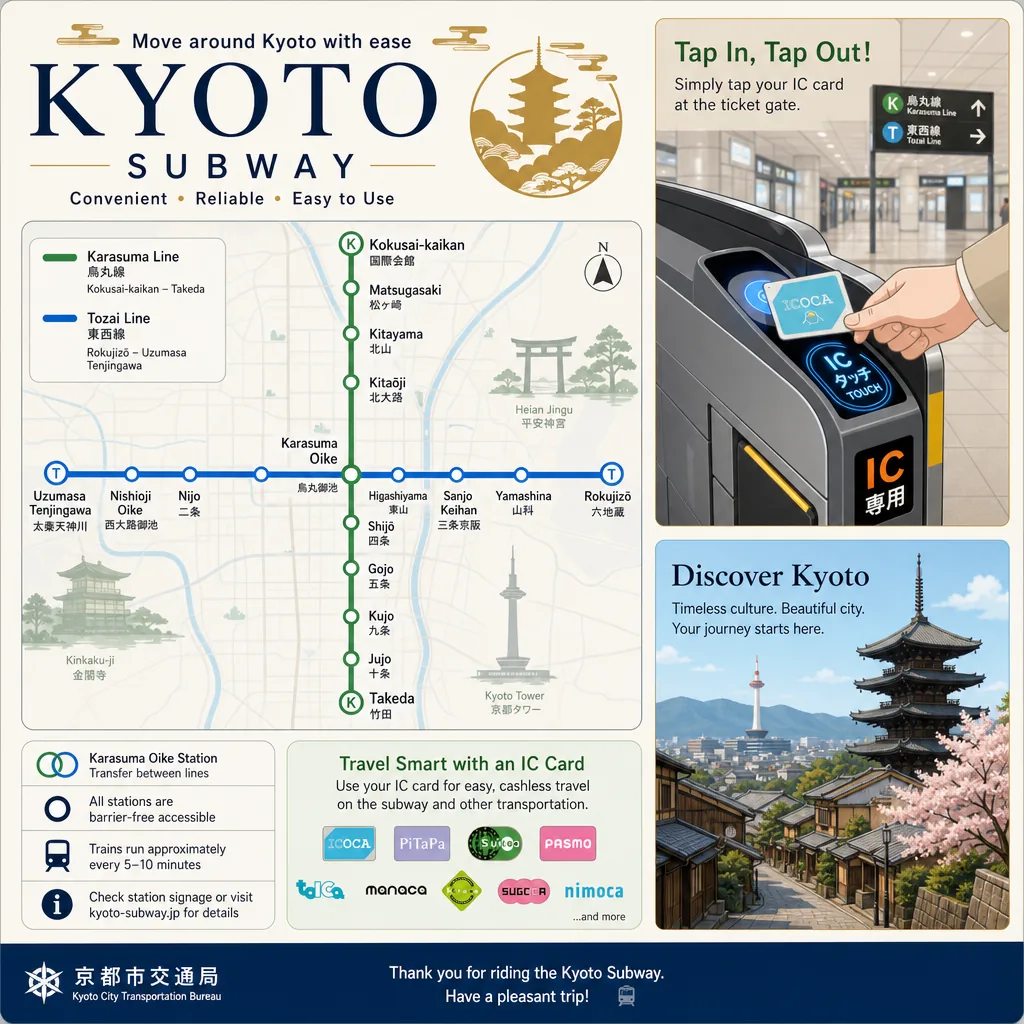
The subway is often the best choice when you want to avoid traffic or move between major rail hubs. Kyoto Station, Karasuma-Oike, and Shijo are especially practical subway connection points [3]. If your hotel is near a subway station, use the subway for your first leg, then walk or switch to a bus only for the final stretch [1][3].
One of the best examples is traveling from Kyoto Station toward central Kyoto. The Karasuma Line can quickly move you to business and shopping areas without relying on road traffic [3]. If you are visiting Nijo Castle, the Tozai Line is often more predictable than a bus because it avoids street congestion [3]. This is why official Kyoto guidance often recommends mixing subway and bus rather than depending on buses alone [1].
The biggest mistake visitors make is assuming buses will be fast everywhere. In central Kyoto, buses can become very crowded, especially on weekends, holidays, and during peak sightseeing periods [1][4]. That can mean longer waits, standing-room-only rides, and slower travel times than expected [1].
Another common issue is choosing the wrong bus because multiple routes serve similar stops. Kyoto’s official transport pages and tourism guide both recommend checking the exact route and destination before boarding [1][4]. If you are unsure, use the subway for the main movement and save buses for the short final segment [1][3].
Here are practical ways to reduce stress:
Kyoto City’s official transport pages are the most reliable starting point for subway and bus basics, including route maps, fare information, and current service guidance [1][2][3][4][5]. The Kyoto City Transportation Bureau’s bus and subway pages are especially useful if you want to confirm fares, line layouts, or boarding rules before leaving your hotel [2][3][4][5].
For sightseeing, the Kyoto City official travel guide also provides practical transit advice tailored to visitors, including suggestions for combining train and bus travel to reach major areas [1]. If you are deciding between routes, check the official maps first, then use a navigation app as a secondary tool. That approach is safer than relying on app estimates alone, especially when a bus route is crowded or delayed [1][2].
In short, Kyoto transit is easy once you remember three rules: use the subway for speed, use buses for coverage, and always verify the route before boarding. With an IC card, a basic map, and the official Kyoto transport pages, you can move around the city confidently and avoid the most common visitor mistakes [1][2][3][4][5].
CallButler is a multilingual concierge service that handles research, coordination, and bookings so you do not have to navigate language barriers or unfamiliar systems alone. If you need help related to What should I know before using Kyoto's subway and buses? or the tasks around it, our team can step in to manage the details and keep things moving smoothly.
Find English-friendly yakitori in Osaka after work by targeting Umeda, Namba, and Honmachi, plus booking sites and multilingual menus.
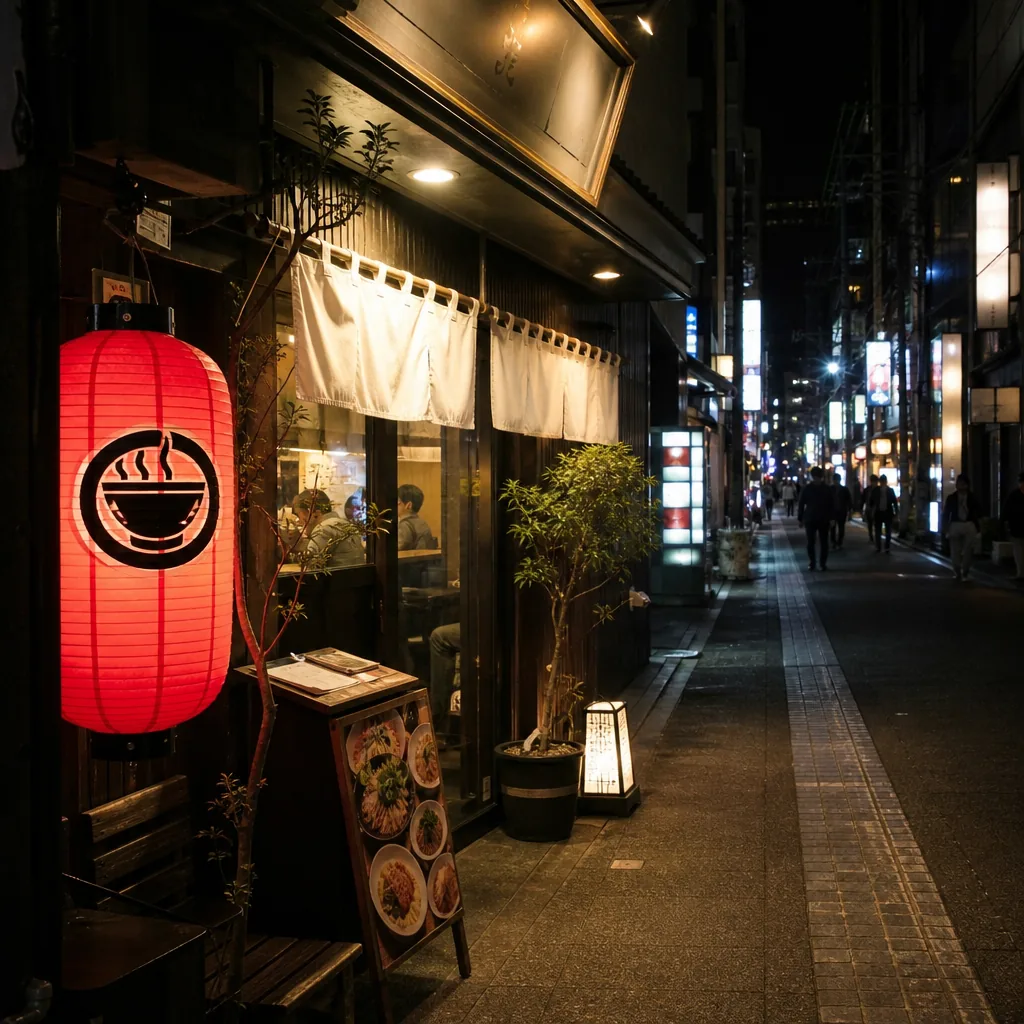
Looking for halal ramen in Kyoto after 10 p.m.? Here’s where to check, which areas are most practical, and how to verify hours and halal status.
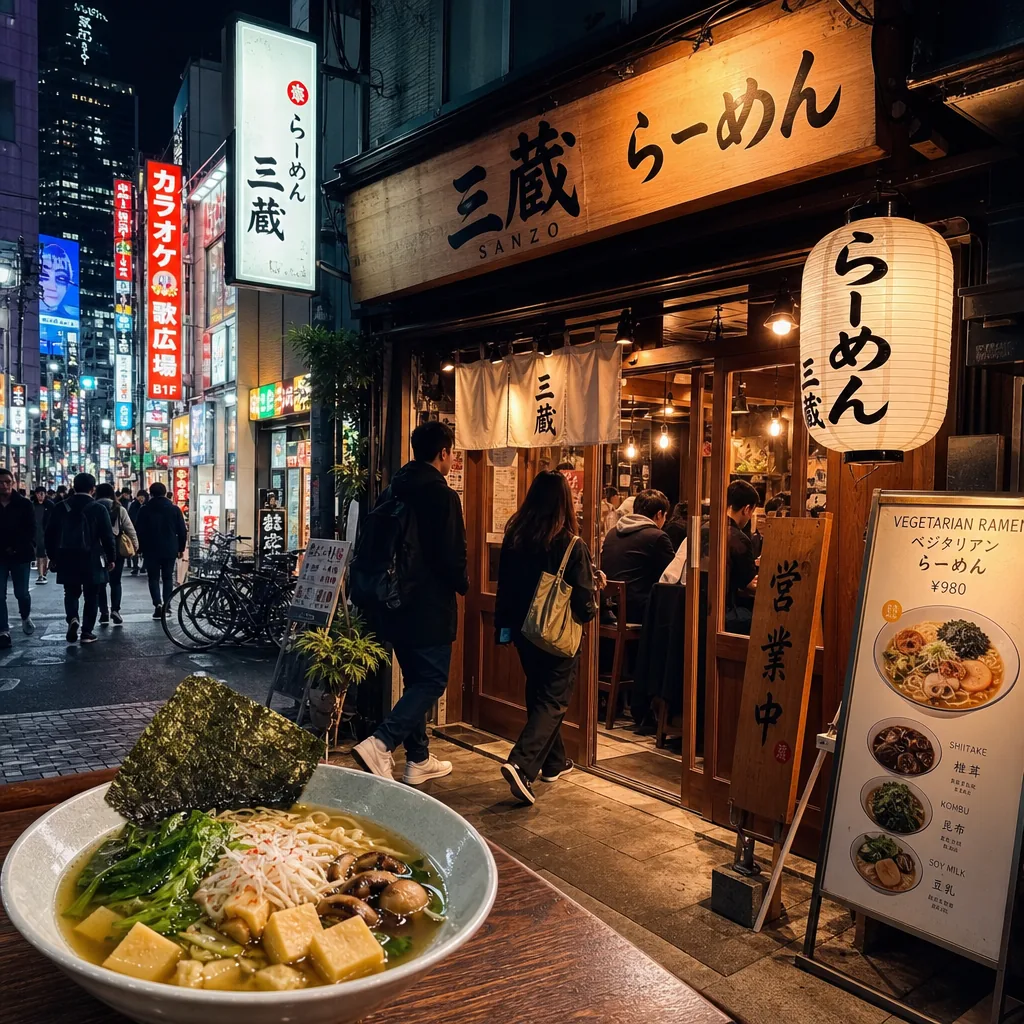
Find late-night vegetarian ramen in Tokyo by focusing on Shibuya, Shinjuku, and Roppongi, then verify broth, hours, and vegan menu details.