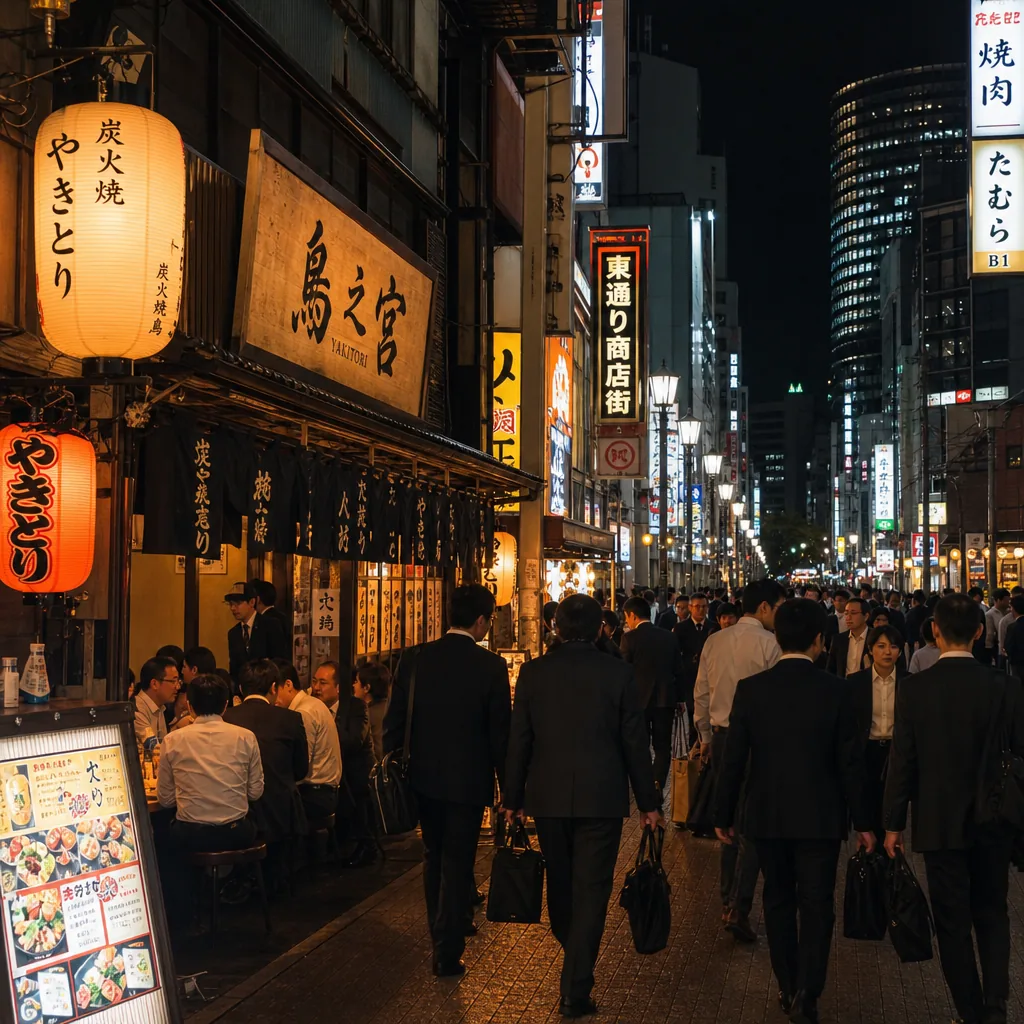
Where can I find english-friendly yakitori in Osaka after work?
Find English-friendly yakitori in Osaka after work by targeting Umeda, Namba, and Honmachi, plus booking sites and multilingual menus.
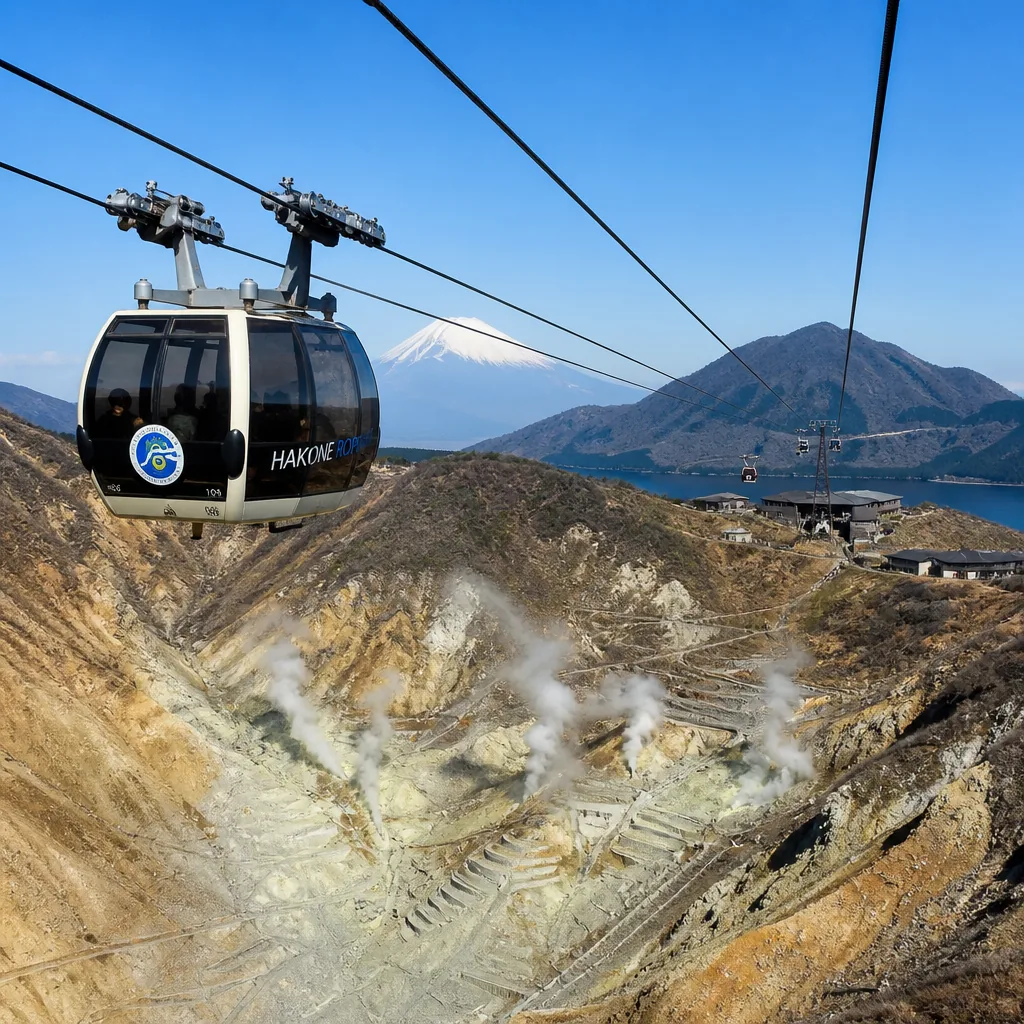
The Hakone Ropeway is one of the best ways to see Hakone’s volcanic scenery, and yes, you should know a few things before riding it: service can change with weather or volcanic conditions, and the route around Owakudani can smell strongly of sulfur [1][2]. If you check the official status first and plan your transfers, the ropeway becomes an easy, scenic part of a broader Hakone day trip rather than a stressful wait between stops [1][4].
The Hakone Ropeway runs between Sounzan, Owakudani, Ubako, and Togendai, connecting mountain and lake-area sightseeing points in northern Hakone [1][2]. In practice, many visitors use it as one leg of a larger loop that also includes the Hakone Tozan Railway, the cable car, buses, and the Hakone pirate cruise on Lake Ashi [4][5].
That makes the ropeway more than a simple lift: it is a transfer route with views. If you are trying to see several famous Hakone spots in one day, the ropeway helps you move across the volcanic zone without needing to drive or backtrack [2][5].
This is the most important thing to know. The ropeway can be suspended or adjusted because of strong wind, weather, or volcanic activity around Owakudani, so you should check the official notices on the Hakone Ropeway website before heading out [1][2]. That advice matters even more if you are traveling on a tight schedule and planning same-day transfers.
Owakudani is part of an active volcanic area, and local tourism information warns visitors to stay within permitted areas and follow posted guidance [3]. If alerts or restrictions are in place, your best move is to change your plan early rather than arrive at Sounzan and lose time deciding what to do next [1][3].
For a smoother trip, check the ropeway status, then confirm the day’s conditions for nearby transport too. A full Hakone loop can depend on multiple services working together, so one delay can affect the rest of your route [4][5].
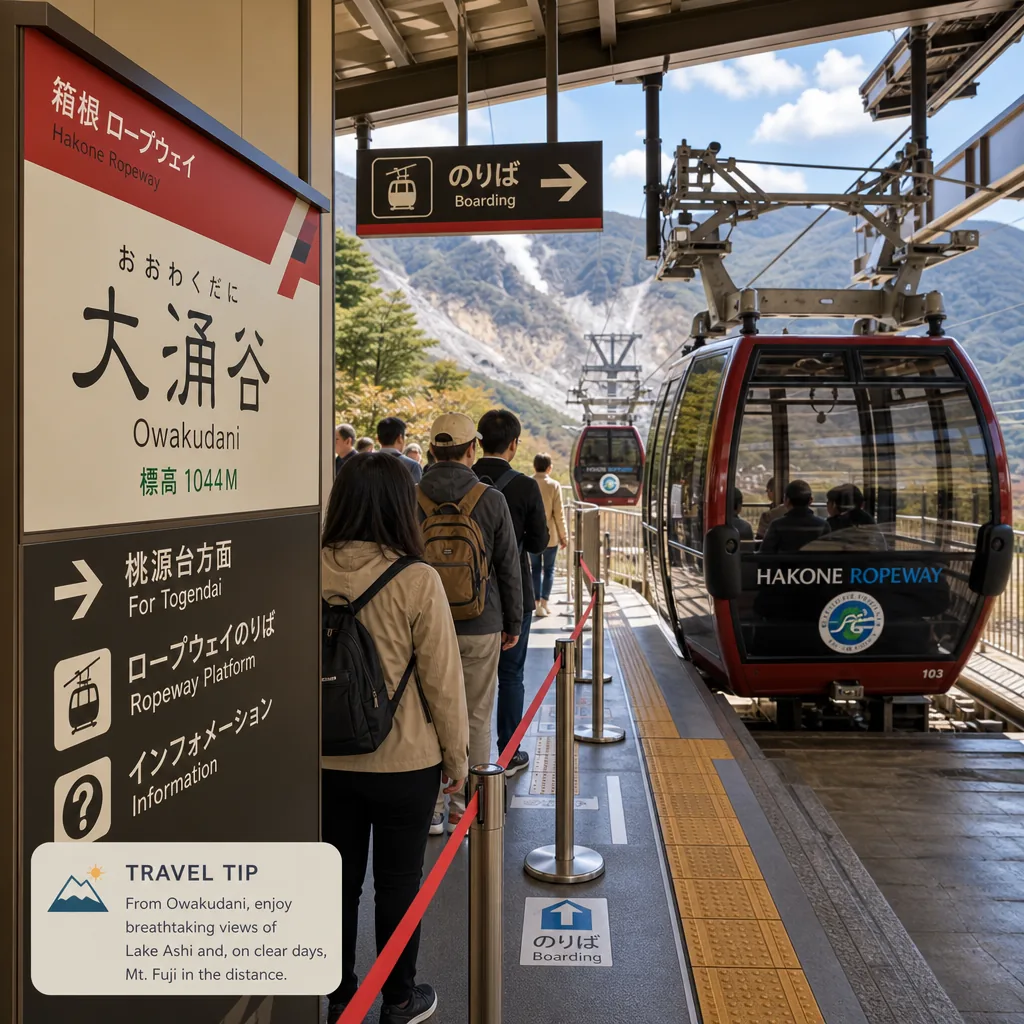
The scenery changes quickly as you ride. Between Sounzan and Togendai, you pass over mountain slopes, volcanic vents, and lake-facing sections, which is why the ropeway is treated as a sightseeing attraction as well as transport [1][2]. On clear days, the ride can be especially rewarding because Mount Fuji may be visible from parts of Hakone, including viewpoints along this route and around nearby lake areas [2][5].
One practical tip: do not plan to “just pop in” and leave immediately. Owakudani is usually worth time for a short walk, photos, and a snack break, but transfers and crowds can add up, especially on weekends and holidays [2][5].
If seeing Mount Fuji is a priority, go on a clear day and give yourself flexibility. The official and travel-guide information both point to visibility depending heavily on weather, so there is no guaranteed view from the ropeway [2][5].
Morning often gives you a better chance before clouds build, but the real rule is simple: the clearer the day, the better the odds [2][5]. If your schedule allows, avoid forcing the ropeway into a rushed afternoon slot after other activities, because you will be more likely to miss the best light and the best visibility.
When planning your day, it helps to think in terms of conditions rather than a fixed promise. If the sky looks gray or windy, treat the ropeway as a scenic transfer with volcanic atmosphere rather than a Fuji-view guarantee [1][2].
The easiest way to use the ropeway is as part of the standard Hakone loop. A common pattern is to ride the Hakone Tozan Railway up toward Sounzan, continue on the ropeway through Owakudani and Ubako, then head toward Togendai for lake-area transport and the pirate cruise [4][5].
If you are doing multiple attractions in one day, the Odakyu Hakone Freepass can make the logistics simpler because it covers a bundle of transport in the Hakone area [4]. That is especially helpful if you are switching among trains, cable cars, ropeway segments, buses, and boats instead of paying separately for each ride [4][5].
A practical one-day approach looks like this:
If you prefer a lighter schedule, you can still use the ropeway just for the Owakudani experience and return the same way. That works well when visibility is poor or when you want to keep the day focused on one major scenic stop [2][3].
In short, the Hakone Ropeway is easy to enjoy if you treat it as part of the whole Hakone experience. Check conditions, respect the volcanic environment, and build in enough time for the loop, and you will get far more out of the ride [1][3][5].
CallButler is a multilingual concierge service that handles research, coordination, and bookings so you do not have to navigate language barriers or unfamiliar systems alone. If you need help related to What should I know before taking the Hakone Ropeway in Hakone? or the tasks around it, our team can step in to manage the details and keep things moving smoothly.
Find English-friendly yakitori in Osaka after work by targeting Umeda, Namba, and Honmachi, plus booking sites and multilingual menus.
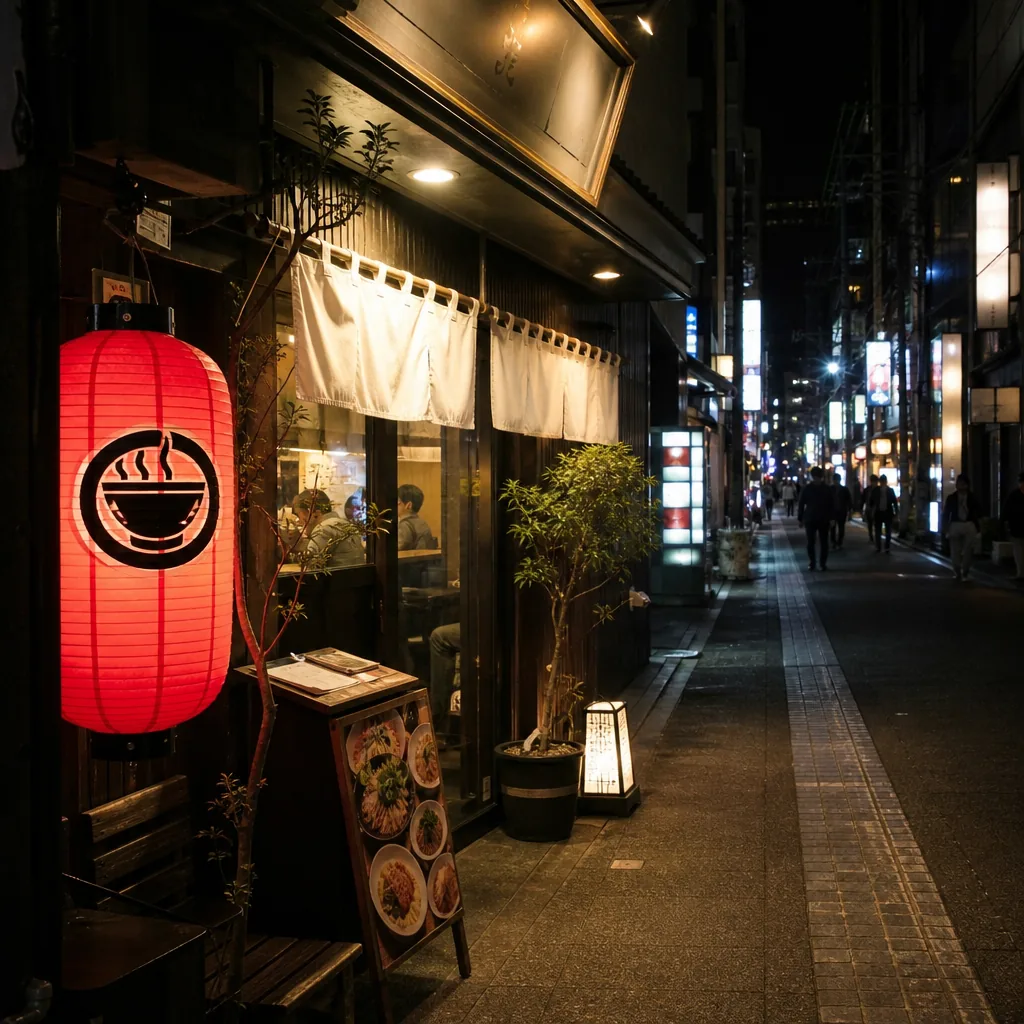
Looking for halal ramen in Kyoto after 10 p.m.? Here’s where to check, which areas are most practical, and how to verify hours and halal status.
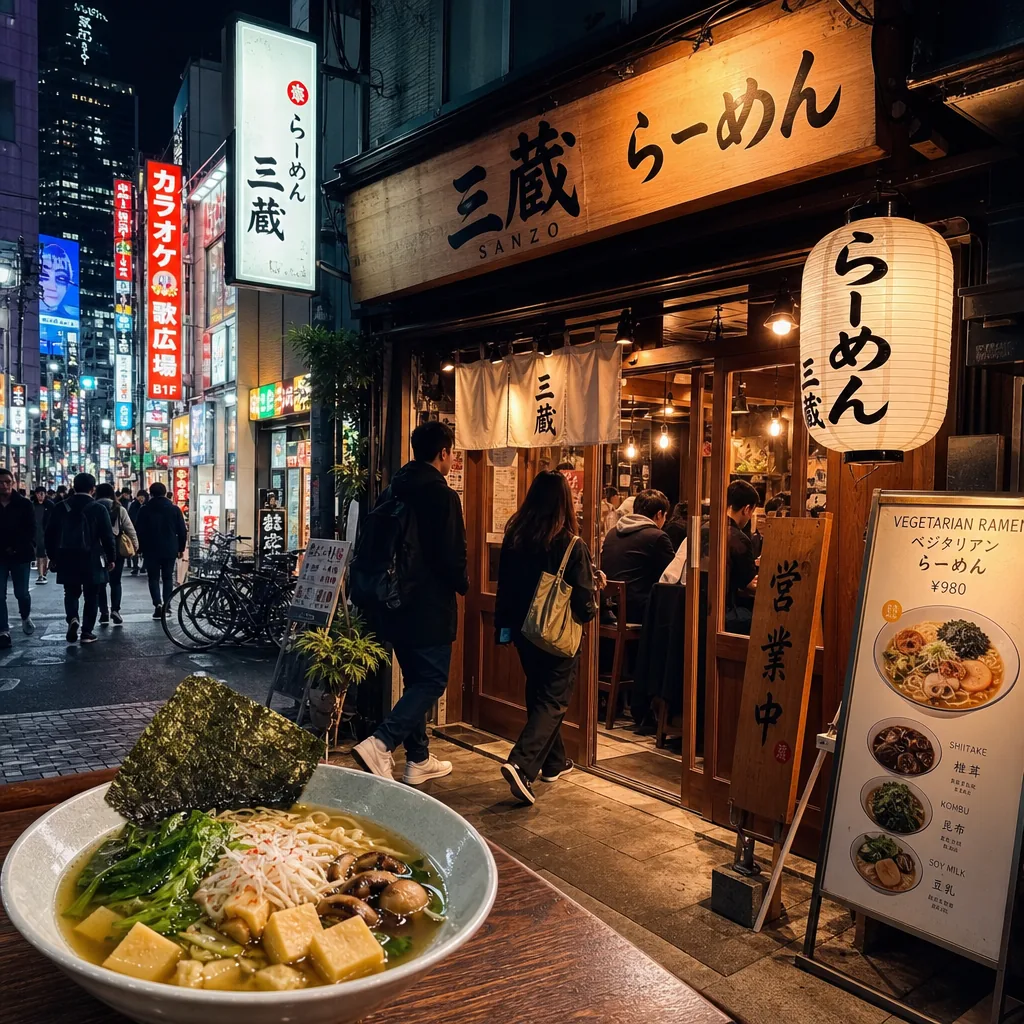
Find late-night vegetarian ramen in Tokyo by focusing on Shibuya, Shinjuku, and Roppongi, then verify broth, hours, and vegan menu details.