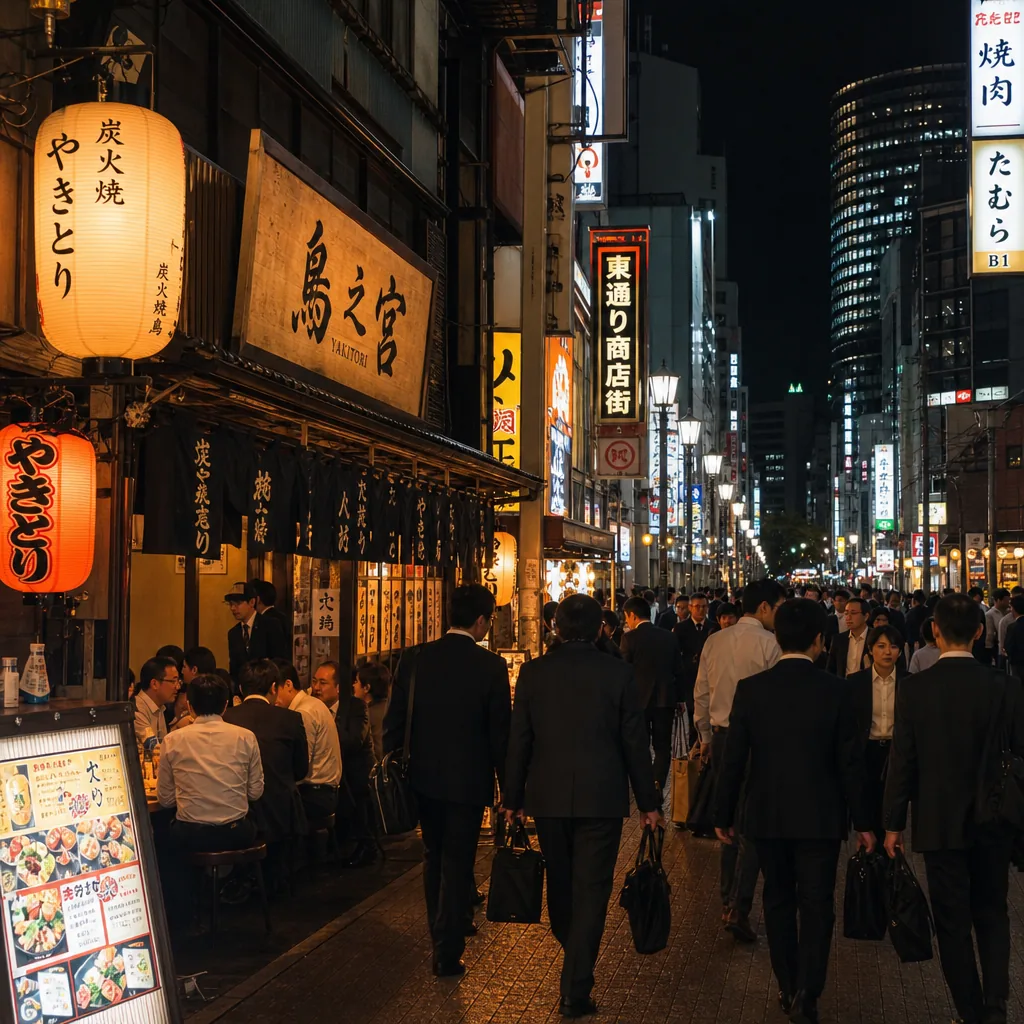
Where can I find english-friendly yakitori in Osaka after work?
Find English-friendly yakitori in Osaka after work by targeting Umeda, Namba, and Honmachi, plus booking sites and multilingual menus.
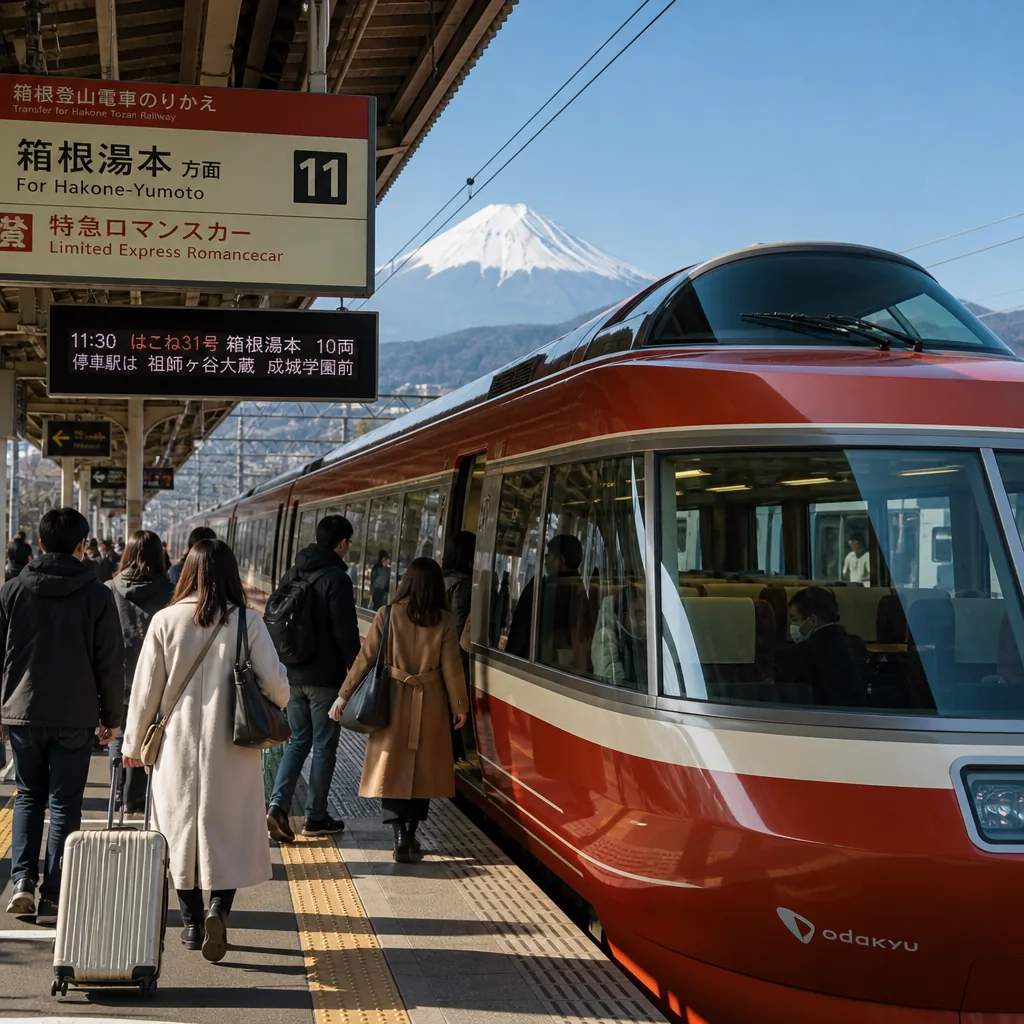
Yes—Hakone is a very workable day trip from Tokyo, but only if you leave early, choose your route carefully, and accept that weather can affect the experience. The smartest plan is to base your day around one transit hub, use the Hakone-area transport network efficiently, and keep your expectations realistic about Mt. Fuji views and crowd levels [1][2][5].
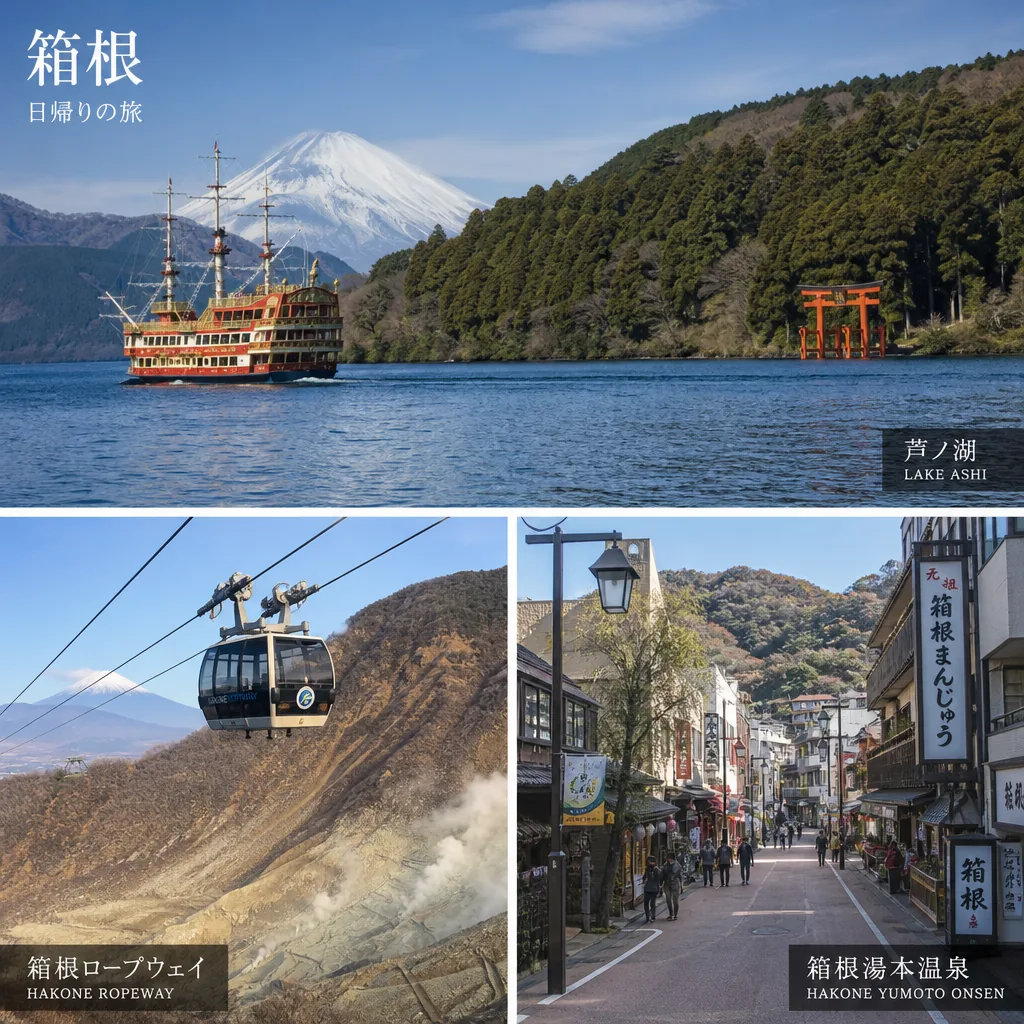
Hakone is popular because it bundles hot springs, mountain scenery, and several well-known attractions into one compact area. In a single day, you can reasonably combine places like Lake Ashi, Hakone Shrine, Owakudani, and the Hakone Open-Air Museum if you avoid backtracking and keep your itinerary tight [5].
The tradeoff is travel time. Even though Hakone is close enough for a day outing, the trip is not “grab-and-go” like a central Tokyo neighborhood. A smooth visit depends on getting out of Tokyo early and planning for transfers within Hakone’s mixed network of trains, cable cars, ropeways, buses, and boats [5].
The most common access point is Odawara. From Tokyo, many travelers ride to Odawara first, then transfer to Hakone-area transport such as the Hakone Tozan Railway [3]. Odawara is useful because it acts as a gateway into the sightseeing loop rather than a destination in itself.
If you use Odakyu’s Hakone Freepass, the pass is designed to make this transfer-heavy trip simpler. Odakyu explains that the pass covers round-trip access from the Tokyo area and includes transportation in the Hakone region, which is helpful if you plan to use multiple modes in one day [2].
Once you are in the area, the Hakone Tozan Railway connects with mountain transport, while the Hakone Ropeway links key sightseeing points along the ridge [3][4]. That matters because Hakone is not built around one straight line; your route choices determine how much you actually see.
For a one-day visit, don’t try to see everything. Pick one itinerary style and follow it in order.
If it is your first time, the classic loop is the best all-around option because it captures Hakone’s core strengths without requiring a complicated backtrack. If you are traveling with children, older family members, or anyone sensitive to transit changes, it may be better to do fewer stops and leave extra time between them [5].
Hakone’s weather changes quickly, and Mt. Fuji views are never guaranteed even when the sky looks clear in Tokyo. That is important because many first-time visitors build their whole trip around a single photo opportunity and then feel disappointed if clouds move in during the day [5].
The practical fix is simple: treat Fuji as a bonus, not the only reason to go. Schedule other highlights—such as Lake Ashi, Owakudani, and the Open-Air Museum—so the day still feels worthwhile if visibility is poor [5].
Crowds are also a real factor. Because Hakone is one of the best-known day trips from Tokyo, trains and major transfer points can be busy, especially on weekends and holidays. Leaving Tokyo early gives you a better chance of arriving before the heaviest flow of day trippers.
The Hakone Freepass is the most useful all-in-one ticket for many visitors because it is built around sightseeing rather than point-to-point commuting [2]. If your plan includes multiple Hakone-area vehicles, the pass can reduce both ticket-buying time and transfer confusion [2][5].
Before buying, check exactly which departure station and validity pattern fits your Tokyo starting point, since Odakyu’s pass options are tied to the wider Tokyo-to-Hakone route structure [2]. That matters if you are deciding between a straight commuter-style journey and a pass-based sightseeing day.
A practical time plan for a one-day trip is:
For budgets, remember that Hakone is a multi-transport destination. Even if one pass covers much of the area, you may still spend more than you would on a simple city day trip because your journey includes rail, ropeway, bus, and possibly boat segments [2][3][4][5].
If you plan to visit an onsen, check the rules of the specific facility in advance. Tattoo policies and bathing etiquette can vary by venue, and some places are stricter than others. Because policies are not uniform, it is safer to confirm before you go than to assume every bathhouse in Hakone has the same rules.
For a smooth visit, keep these basics in mind:
At places like Hakone Shrine, Owakudani, Lake Ashi, the Hakone Open-Air Museum, and the Hakone Ropeway, the best experience comes from moving steadily rather than trying to maximize every possible stop [4][5]. A good day trip to Hakone is not about cramming in more; it is about using Tokyo’s proximity to enjoy a mountain destination without turning the day into a transit marathon.
CallButler is a multilingual concierge service that handles research, coordination, and bookings so you do not have to navigate language barriers or unfamiliar systems alone. If you need help related to What should I know before taking a Tokyo day trip to Hakone? or the tasks around it, our team can step in to manage the details and keep things moving smoothly.
Find English-friendly yakitori in Osaka after work by targeting Umeda, Namba, and Honmachi, plus booking sites and multilingual menus.
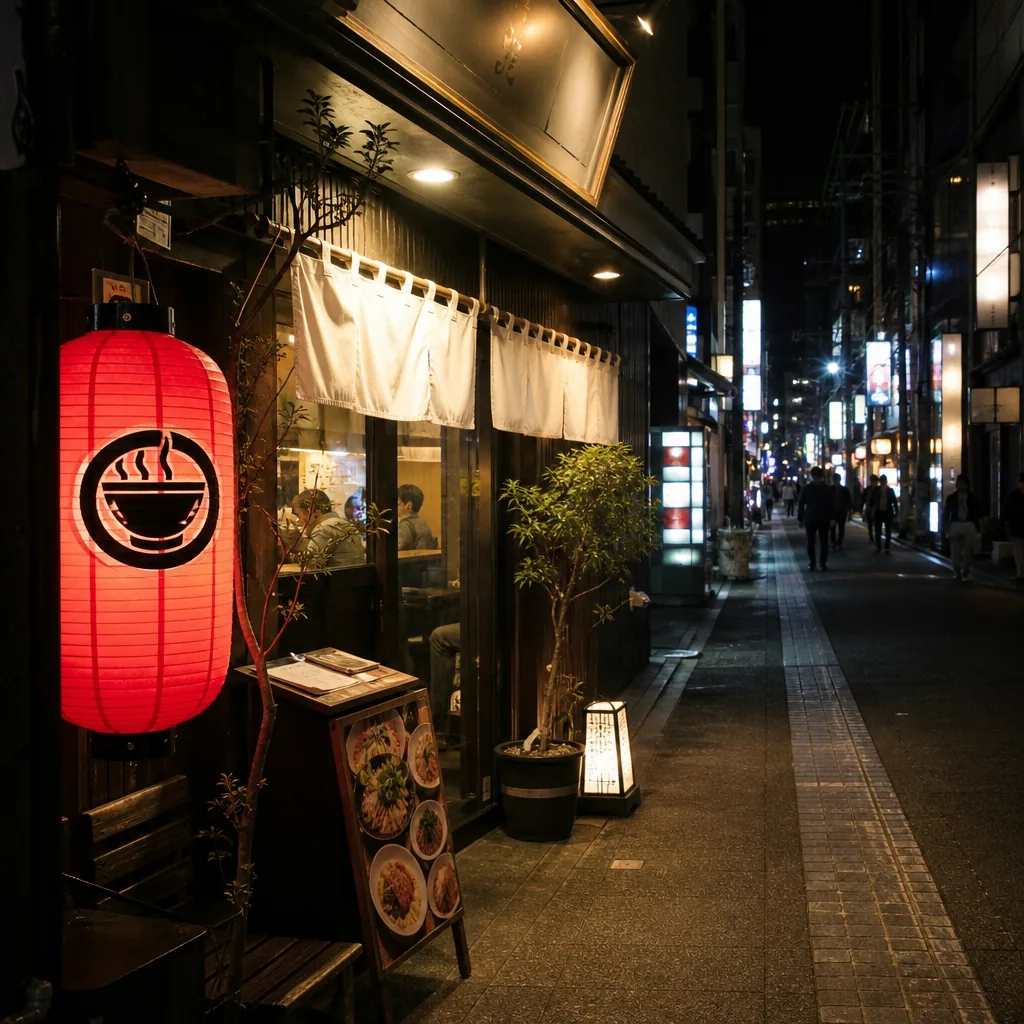
Looking for halal ramen in Kyoto after 10 p.m.? Here’s where to check, which areas are most practical, and how to verify hours and halal status.
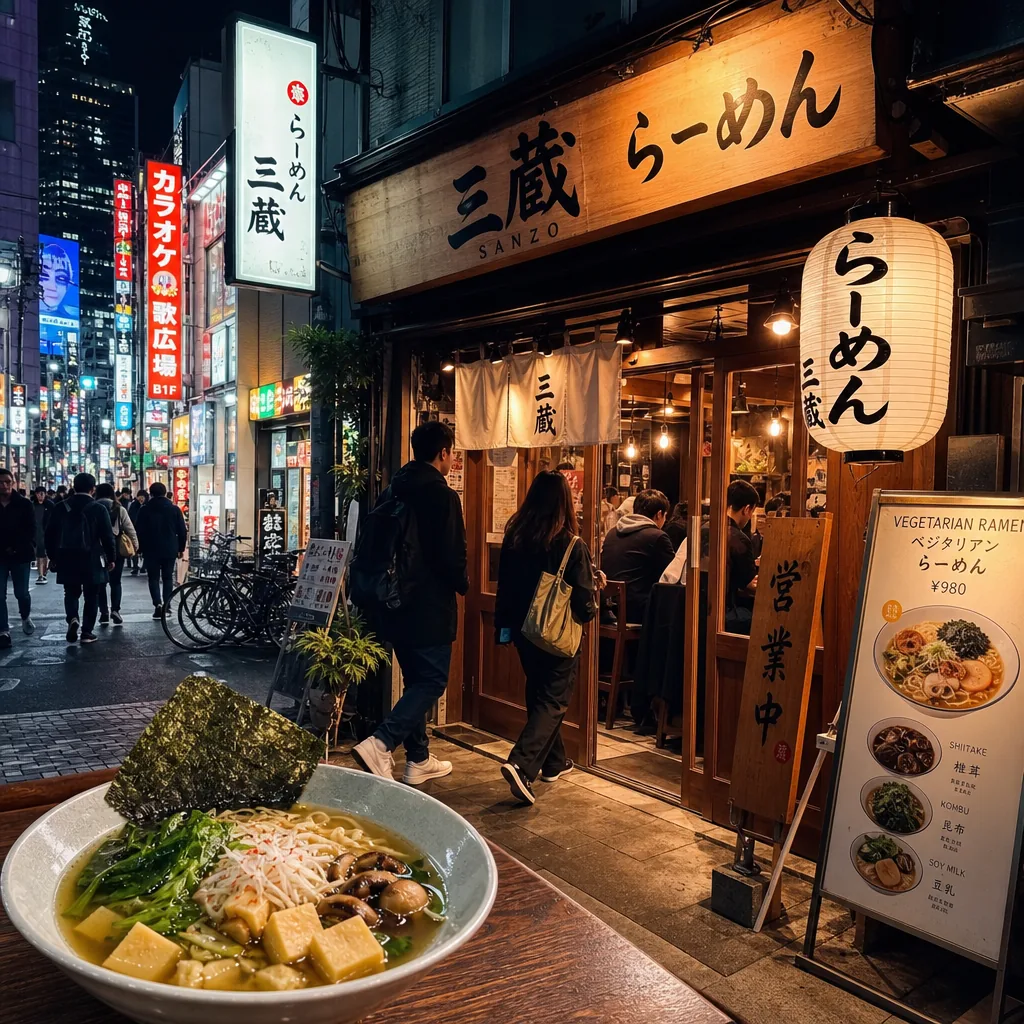
Find late-night vegetarian ramen in Tokyo by focusing on Shibuya, Shinjuku, and Roppongi, then verify broth, hours, and vegan menu details.