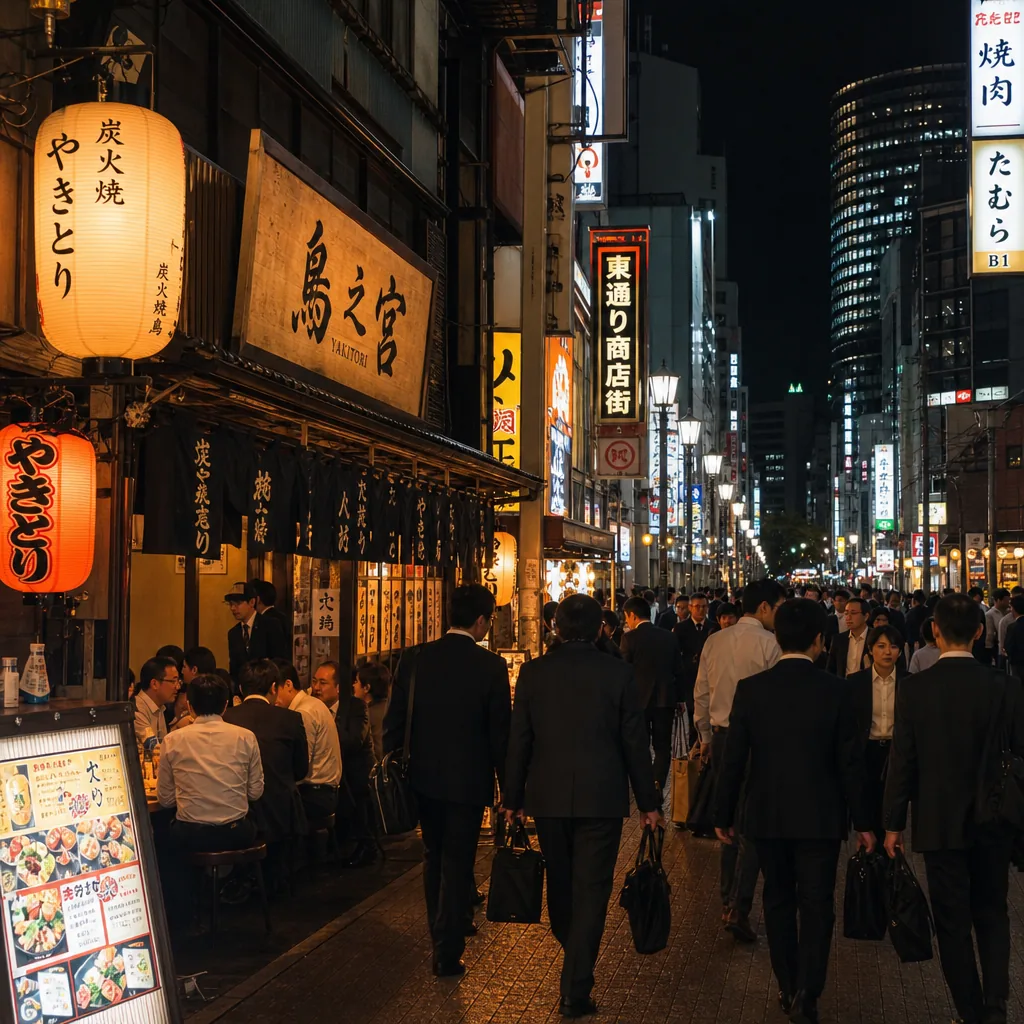
Where can I find english-friendly yakitori in Osaka after work?
Find English-friendly yakitori in Osaka after work by targeting Umeda, Namba, and Honmachi, plus booking sites and multilingual menus.
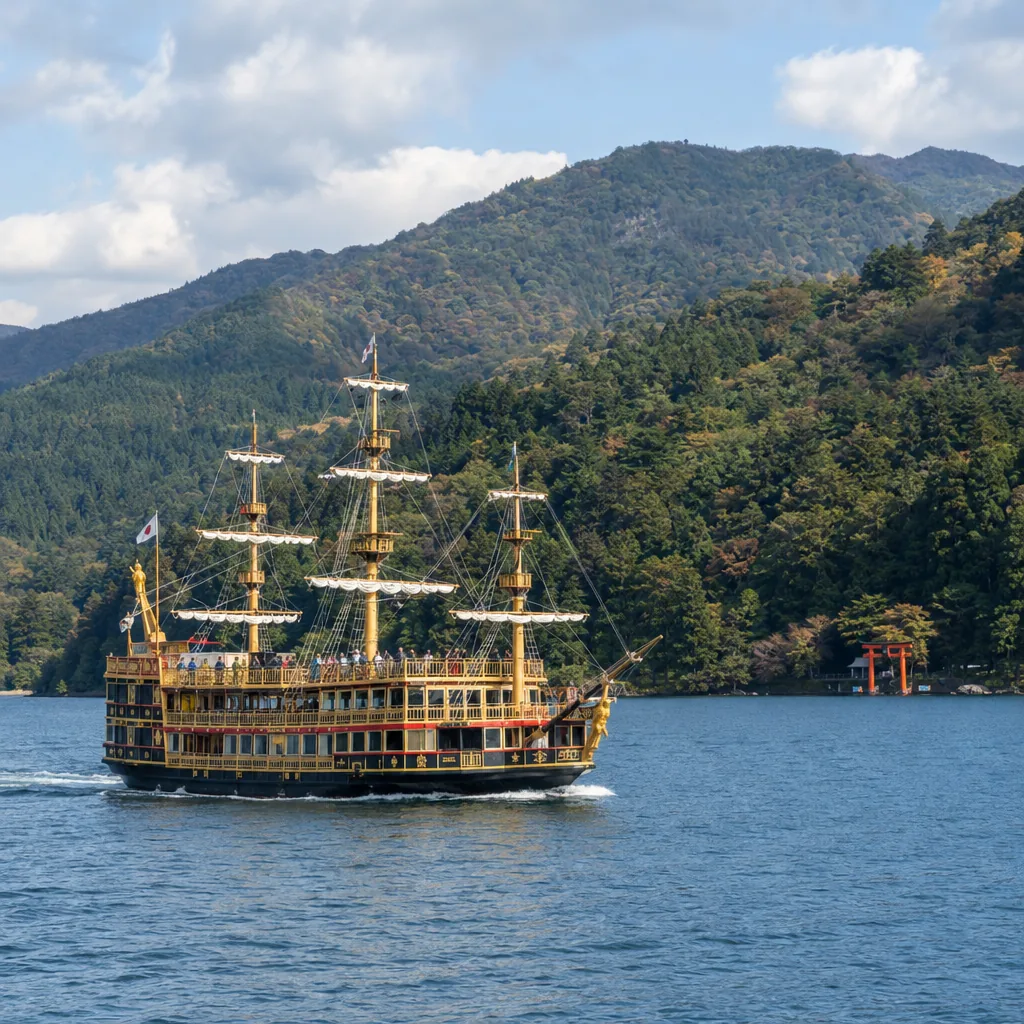
Hakone is manageable as a day trip if you start early, choose a few priorities, and allow enough time for transport between its mountain attractions. Compare fares before buying a pass, check operating conditions before departure, and treat Mount Fuji views as a weather-dependent bonus rather than the reason your day succeeds or fails. [2][3][4]
From Shinjuku, direct Odakyu Romancecar services reach Hakone-Yumoto in roughly 90 minutes, depending on the service. All Romancecar seats are reserved, and you need both a basic fare ticket or valid pass and a limited-express ticket. Buying a pass alone does not reserve your Romancecar seat or cover its supplement. [1]
Hakone-Yumoto is a useful arrival gateway, not the location of every major attraction. Gora, Owakudani, and Lake Ashi all require onward travel. When planning, calculate the journey to your first actual stop rather than treating arrival at Hakone-Yumoto as arrival at the sights. [2]
Choose your arrival time around that first stop and its opening hours. For the return, leave room between your final local connection and any reserved train: a delayed bus or queue can otherwise disrupt the journey home.
The Hakone Freepass is sold for two or three days, not one, but you can still use it for a day trip. Whether it saves money depends on your route. A day involving several covered transport modes deserves a comparison; a visit focused on one museum and a short local journey may not justify it. [3]
Coverage includes designated trains and buses, the Hakone Tozan Cable Car, Hakone Ropeway, and Hakone Sightseeing Cruise. It does not mean every operator, bus, or boat in the area is included. Check the coverage map against your intended services. [3]
The popular sightseeing circuit connects Hakone-Yumoto, Gora, Sounzan, Owakudani, Togendai, and Lake Ashi. Its appeal is the changing transport: mountain railway, cable car, ropeway, boat, and connecting buses. The drawback is that every transfer introduces waiting time, especially when services are busy. [2][4]
Choose one of these approaches rather than trying to fit everything into the same day:
Doing the full circuit plus multiple museums, a shrine visit, and an onsen is an overly ambitious day. Rank your stops before leaving so you know what to drop if queues grow.
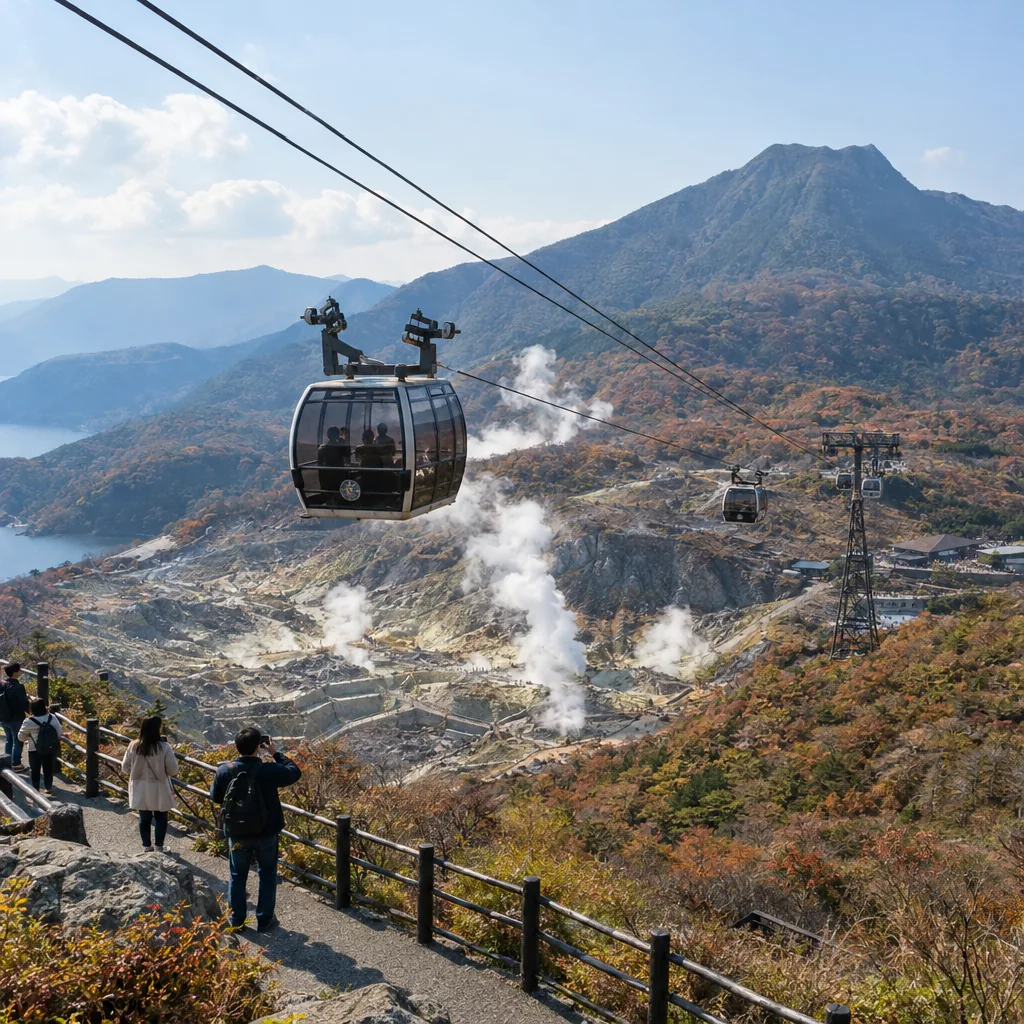
Check Hakone Navi’s official transport notices before departure and again during the day. Strong winds, mountain weather, maintenance, or volcanic conditions can affect services. A route that depends on the ropeway and a cruise needs a fallback if either stops operating. [2]
Owakudani is an active volcanic area, not simply a scenic viewpoint. Follow access restrictions and posted health warnings, particularly if you have respiratory or heart conditions. Do not assume that an open transport route means every visitor should enter every accessible area. [2][4]
Keep an alternative itinerary that does not depend on crossing the mountain by ropeway. A museum-centered visit may work better during poor visibility, although outdoor exhibits still require weather protection. Mount Fuji is not reliably visible every day, so choose activities you would enjoy under cloud cover too. [4]
Choose Lake Ashi if your priority is lake scenery and a sightseeing cruise. Hakone Shrine is another named stop in the lakeside area, but allow separate time for visiting it rather than assuming it fits automatically between boat departures. Check the cruise timetable before deciding how long to stay ashore. [2][4]
Choose the Hakone Open-Air Museum if art is your priority. Make it a substantial stop rather than a quick addition to an already crowded circuit, and check current opening information before committing to your route. [4]
For an onsen, identify a facility that explicitly accepts day visitors before making a detour. Confirm admission hours, tattoo policy, and bathing rules directly; do not assume a ryokan offers walk-in bathing. If soaking is a priority, shorten the sightseeing route to protect that time. [4]
Bring layers, rain protection, and comfortable walking shoes for changing mountain conditions. Keep your tickets, pass, and any reservations easy to retrieve at transfers. [1][4]
The best Hakone day trip is not the one with the most stops. It is the one with a clear priority, workable connections, and enough flexibility to enjoy the place when weather or transport changes your plans.
CallButler is a multilingual concierge service that handles research, coordination, and bookings so you do not have to navigate language barriers or unfamiliar systems alone. If you need help related to What should I know before taking a day trip to Hakone? or the tasks around it, our team can step in to manage the details and keep things moving smoothly.
Find English-friendly yakitori in Osaka after work by targeting Umeda, Namba, and Honmachi, plus booking sites and multilingual menus.
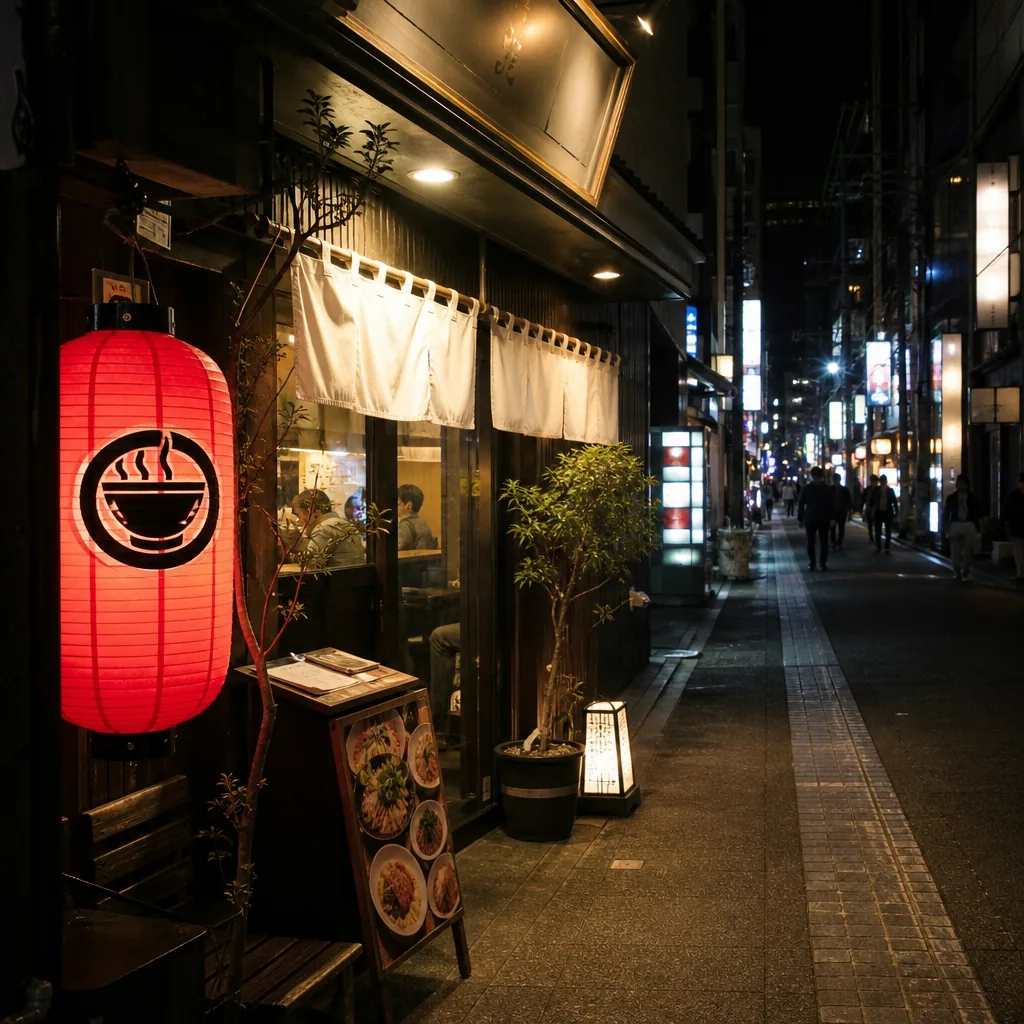
Looking for halal ramen in Kyoto after 10 p.m.? Here’s where to check, which areas are most practical, and how to verify hours and halal status.
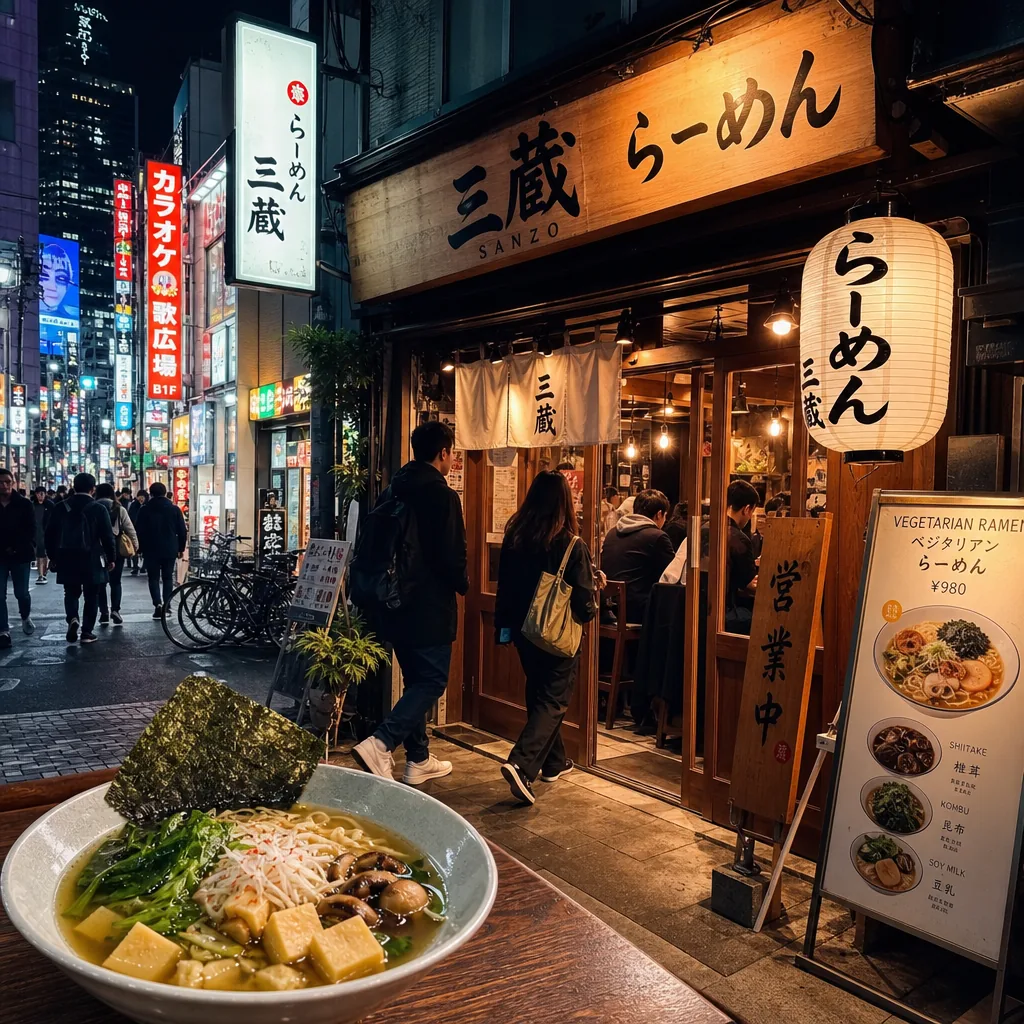
Find late-night vegetarian ramen in Tokyo by focusing on Shibuya, Shinjuku, and Roppongi, then verify broth, hours, and vegan menu details.