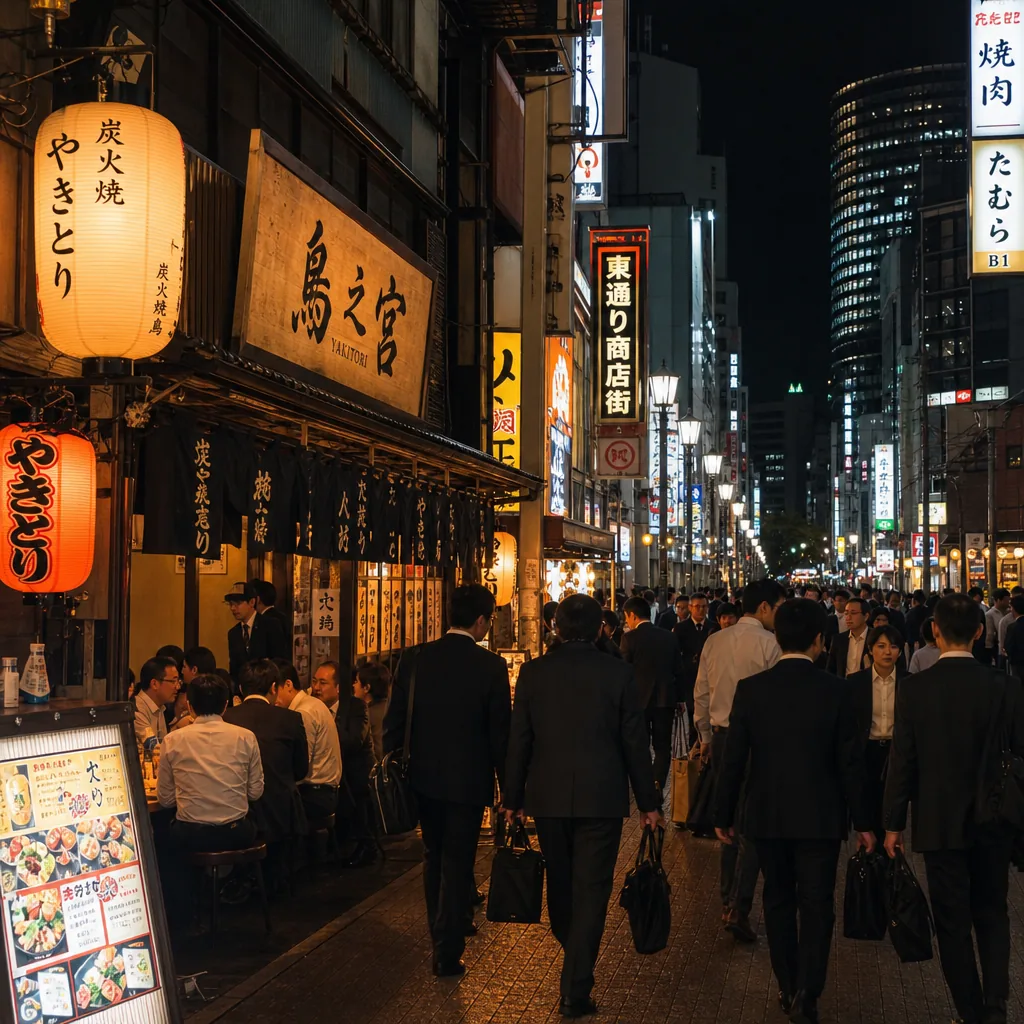
Where can I find english-friendly yakitori in Osaka after work?
Find English-friendly yakitori in Osaka after work by targeting Umeda, Namba, and Honmachi, plus booking sites and multilingual menus.
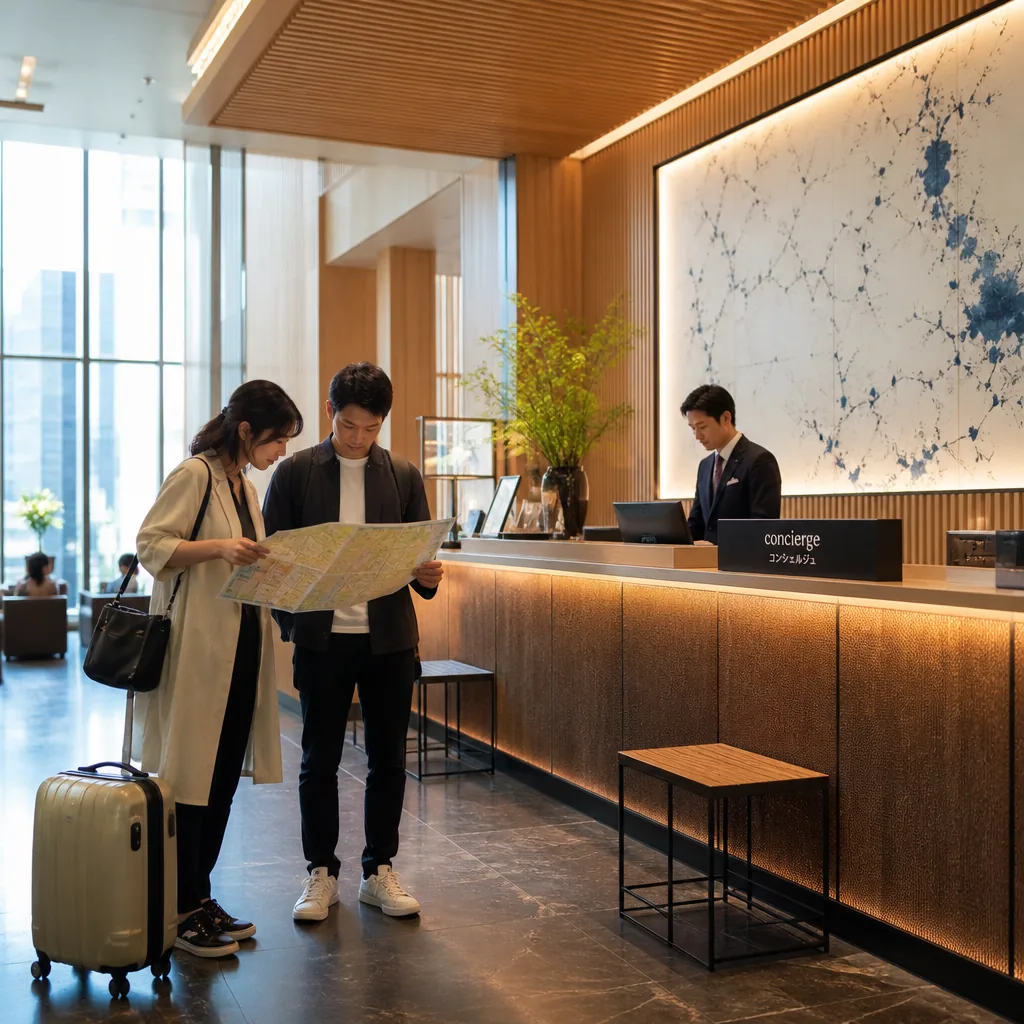
Yes—before booking a Tokyo hotel with a concierge, confirm that the property offers actual concierge service, not just a front desk, and check whether staff can handle the kinds of requests you need. In Tokyo, that matters because room sizes, station access, and language support can affect your trip as much as the hotel brand itself.
At the better Tokyo hotels, a concierge may help with restaurant reservations, transit directions, local recommendations, and arranging services such as luggage forwarding or special bookings. But the scope varies by hotel category, and some properties in Japan emphasize efficient self-service rather than hands-on assistance, so do not assume every “concierge” desk offers the same level of support [1].
This is especially important if you are planning experiences that are hard to book on your own. A concierge can be useful for securing dinner at a sought-after restaurant or helping you navigate a complex train transfer, but you should ask what they actually handle before you reserve.
Start with the hotel’s website and look for specific language such as “concierge,” “guest relations,” or “executive lounge” rather than relying on generic marketing. Then email the hotel and ask direct questions: Can they make restaurant reservations? Do they offer same-day assistance? Is luggage forwarding available? These concrete questions will tell you whether you are booking a true service-focused hotel or one with only basic front-desk support.
In Tokyo, this distinction matters because the city has many efficient business hotels and fewer properties with round-the-clock concierge teams. If you arrive late or need assistance outside normal daytime hours, verify the hours in advance rather than assuming 24-hour coverage.
English support can be strong in major tourist hotels, but it is still worth confirming whether English-speaking staff are available at the front desk and concierge desk during your stay. The Tokyo Tourist Information Center, operated by the Tokyo Metropolitan Government, is also a useful backup if you need help planning around the city because it offers tourism information for visitors [3].
Keep your requests simple and specific. For example, instead of asking for “a nice sushi place,” ask for “an English-friendly sushi restaurant near Shinjuku for two people on Friday night.” If the hotel cannot help, you will know quickly. That is better than discovering on arrival that communication is limited to basic check-in needs.
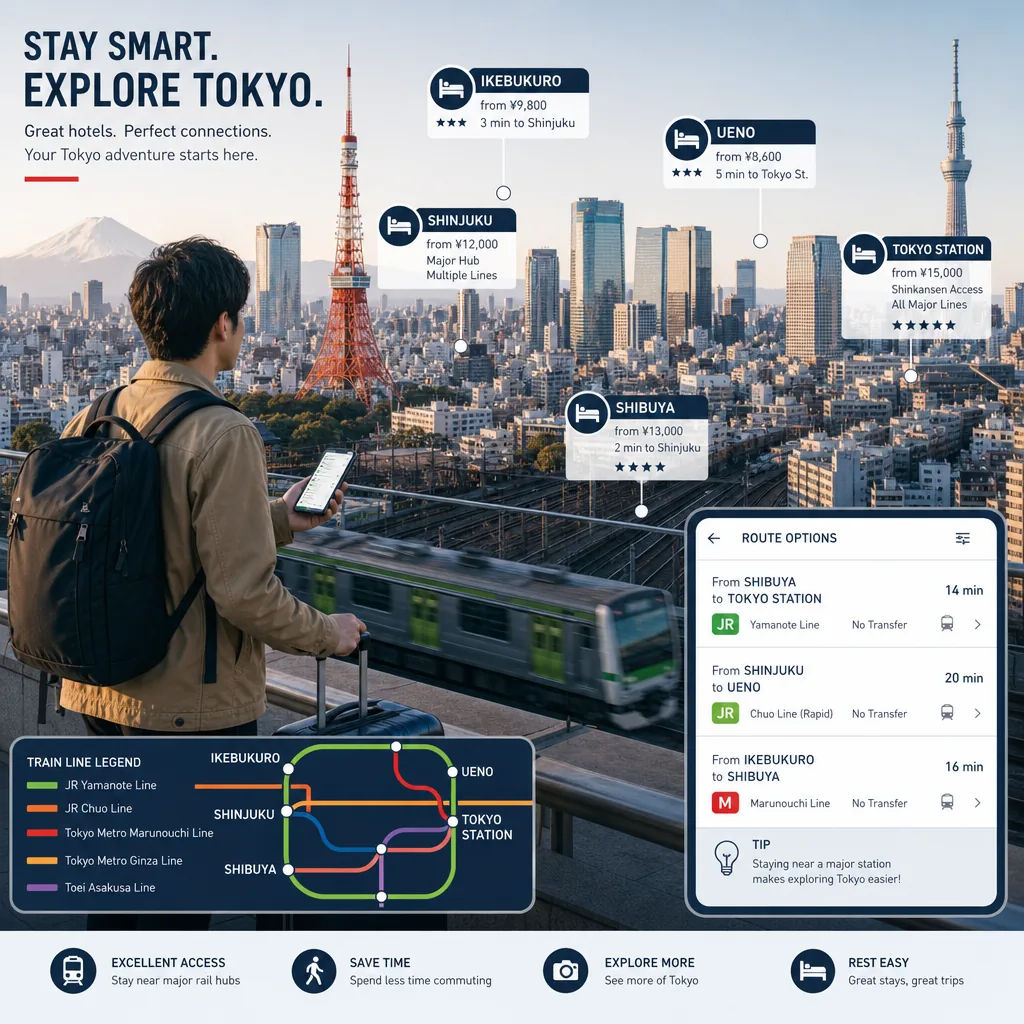
In Tokyo, location often matters more than the prestige of the neighborhood. If you will rely on trains, staying close to major stations such as Tokyo Station, Shinjuku, Shibuya, or Ueno can save a lot of time. JR East’s Tokyo Station area guide highlights how central Tokyo Station is as a rail hub, with access to multiple lines and major destinations across the city [5].
Think about your daily plan before you choose a hotel. If you are spending most of your time in central business districts, Tokyo Station or Shinjuku may be more efficient. If you want museums and easier access to older Tokyo, Ueno can be practical. If shopping and nightlife are your priorities, Shibuya may fit better. A concierge is most valuable when your base is well connected.
Many Tokyo hotels have smaller rooms than travelers from Western cities expect, so room size should be checked carefully before booking [1]. Look at the room square footage in the listing, not just the room category name. A “double” or “queen” room in Tokyo can be comfortable for one person or a couple, but it may feel tight if you are traveling with large suitcases.
Also confirm practical details that affect comfort:
Tokyo hotels are often very efficient, but “efficient” can mean compact rooms, limited space for open suitcases, and self-service amenities. If you need a desk, extra storage, or a larger bathroom, verify those details before paying.
Budget for more than the base room rate. Tokyo accommodation tax may be charged separately depending on the room rate, and the Tokyo Metropolitan Government explains that the tax is applied per person per night based on the room charge [4]. Always check whether tax and service charges are included in the quoted price or added later.
Tipping is generally not customary in Japan, and good service is expected as part of the hotel experience [2]. That means you do not need to plan for a concierge tip the way you might in some other countries. If a staff member goes out of their way to help, a sincere thank-you is usually the appropriate response.
Before you reserve, use this checklist to avoid surprises:
If you are choosing between two hotels, the better option is usually the one that combines honest concierge support with a strong transit location. In Tokyo, that combination can save time every day of your trip and make restaurant bookings, transfers, and sightseeing noticeably easier.
CallButler is a multilingual concierge service that handles research, coordination, and bookings so you do not have to navigate language barriers or unfamiliar systems alone. If you need help related to What should I know before booking a Tokyo hotel with a concierge? or the tasks around it, our team can step in to manage the details and keep things moving smoothly.
Find English-friendly yakitori in Osaka after work by targeting Umeda, Namba, and Honmachi, plus booking sites and multilingual menus.
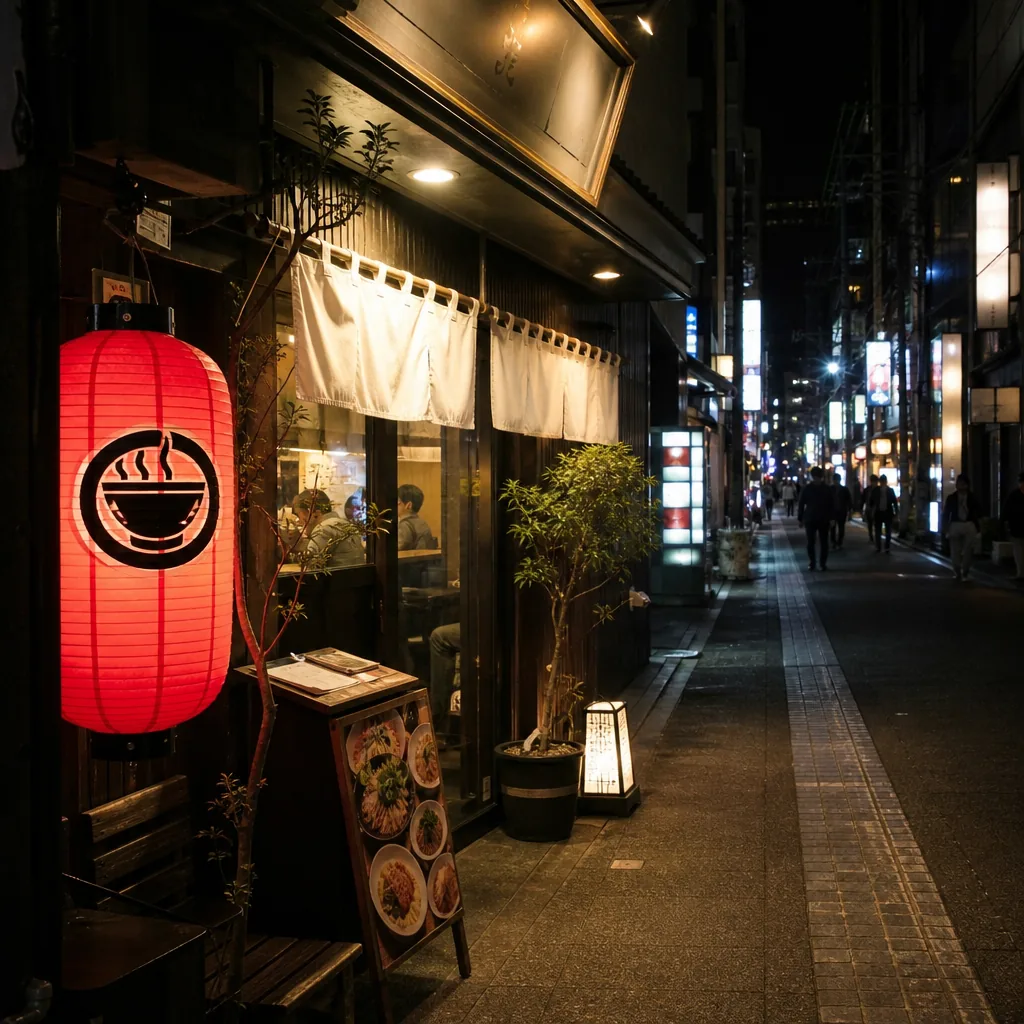
Looking for halal ramen in Kyoto after 10 p.m.? Here’s where to check, which areas are most practical, and how to verify hours and halal status.
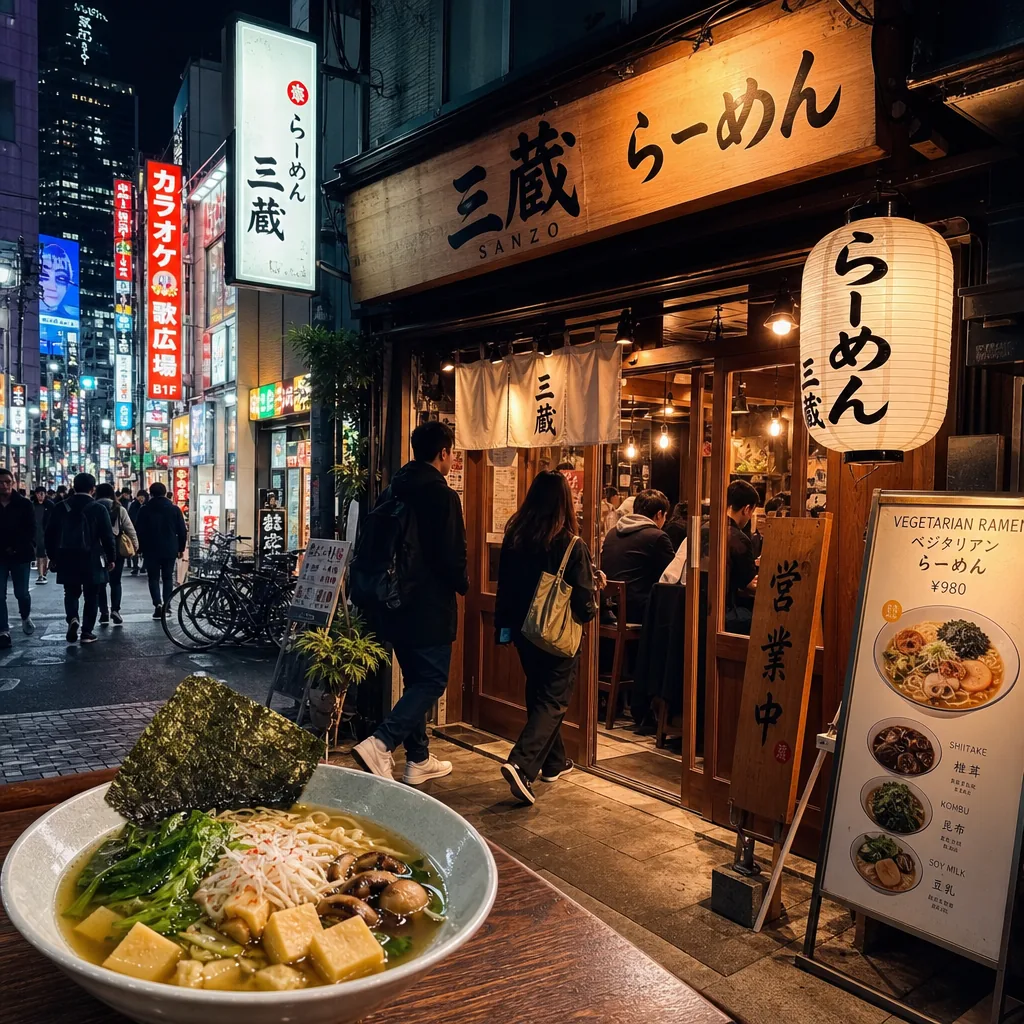
Find late-night vegetarian ramen in Tokyo by focusing on Shibuya, Shinjuku, and Roppongi, then verify broth, hours, and vegan menu details.