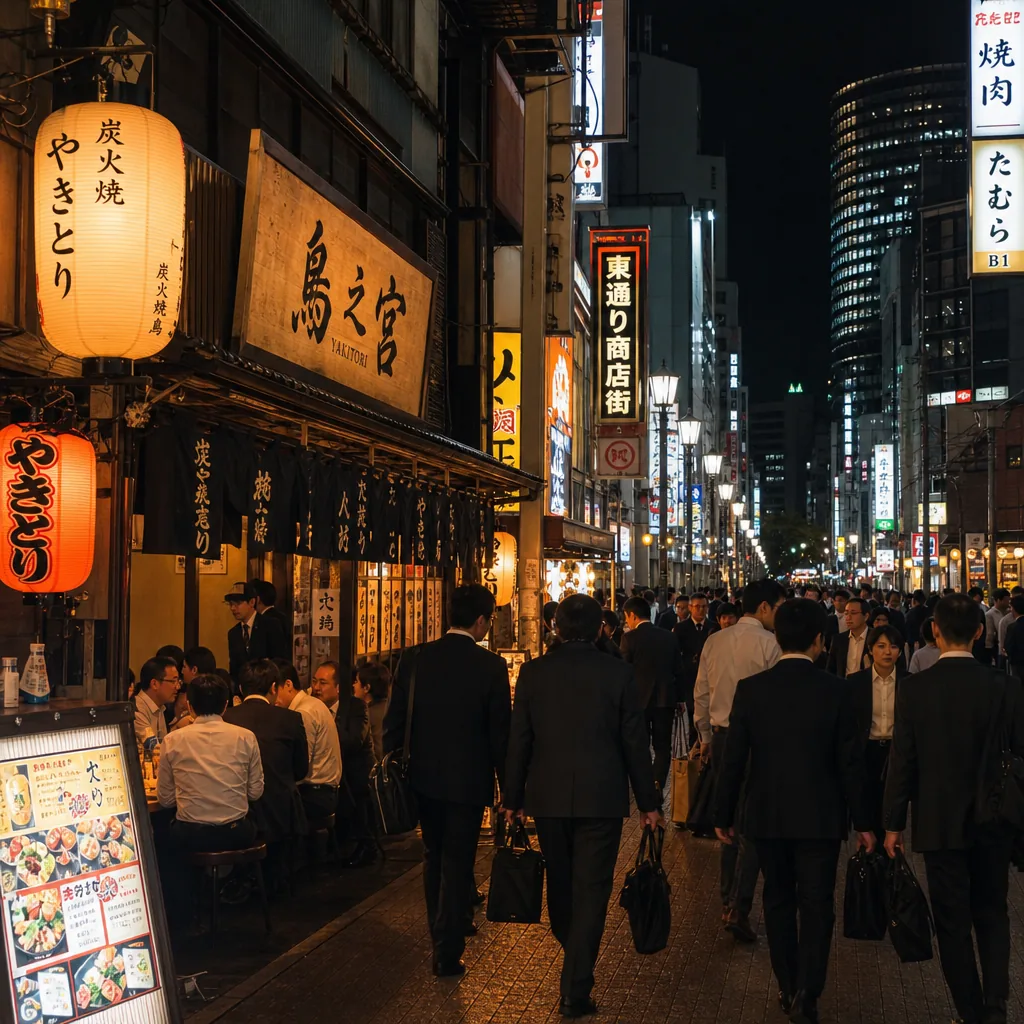
Where can I find english-friendly yakitori in Osaka after work?
Find English-friendly yakitori in Osaka after work by targeting Umeda, Namba, and Honmachi, plus booking sites and multilingual menus.
If you’re visiting Tokyo in 2025, Suica is one of the easiest ways to ride trains, subways, and buses without buying separate tickets each time. For most first-time visitors, the best approach is to check current card availability before arrival, then use a physical Welcome Suica or a supported mobile version if your phone and trip length make it worthwhile [1][2].
Suica is a rechargeable IC card issued by JR East that works as both a transit card and an electronic payment method. In Tokyo, it is accepted across JR East lines, Tokyo Metro, many other private railways, buses, and a wide range of shops and services that display IC-card acceptance [1][3][5].
That wide acceptance is what makes Suica so useful for visitors. Instead of figuring out separate fare systems for JR lines, subways, and buses, you can usually tap one card for a single journey and keep moving. Tokyo Metro explains that IC cards can be used simply by touching the reader at ticket gates, and Tokyo’s transport network is designed to make this kind of cross-operator travel straightforward [3][5].
Suica is also accepted in many everyday places beyond transit, including convenience stores, vending machines, lockers, and some shops. For a short trip in Tokyo, that can reduce the need to carry change or keep buying paper tickets [1][3].
If you are a short-term visitor, Welcome Suica is the version most clearly aimed at travelers. JR East says it is designed for overseas visitors, does not require a deposit, and is valid for a limited period rather than as a long-term commuter card [2]. That makes it especially practical if you are staying in Tokyo for a week or two and do not want to worry about returning the card for a deposit refund [2].
For 2025, however, availability matters. JR East has continued to adjust Suica sales because of semiconductor shortages, so you should not assume every station or machine will have the card you want when you arrive [1][2]. Check the official JR East Suica and Welcome Suica pages shortly before departure so you know whether you should buy a physical card, use Mobile Suica, or rely on an alternative IC card where available [1][2].
In practical terms, the easiest places to start are major JR East stations and airport arrival areas, but the exact sales status can change. If you’re landing at Haneda and connecting into central Tokyo, it is worth checking the current guidance before counting on a station kiosk [2].
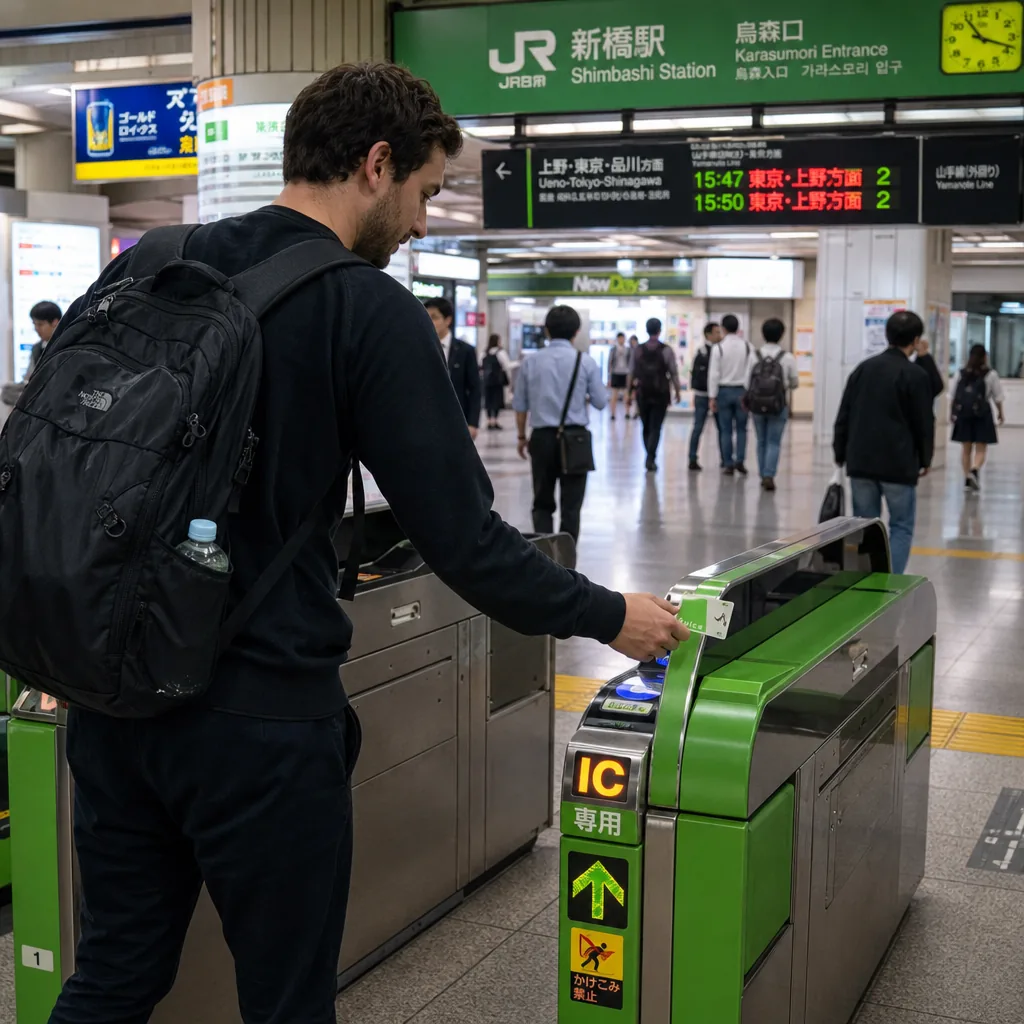
Using Suica in Tokyo is simple: touch in at the gate when you enter, touch out when you exit, and make sure the same card or device is used for the entire trip. Fare calculation depends on the start and end stations, so using one consistent card avoids ticket errors and gate problems [1][3].
Top-up machines are the easiest way to add balance to a physical card, and cash is still commonly accepted for charging. Convenience stores also provide a practical backup when you need to top up quickly between rides or before heading to a neighborhood with fewer station machines [1][3][5].
For visitors who prefer a phone-based setup, Mobile Suica is an option on supported smartphones. That said, JR East notes that physical cards and mobile setup are different experiences, and short-term travelers often find the physical Welcome Suica less complicated than configuring a mobile wallet before sightseeing starts [1][2].
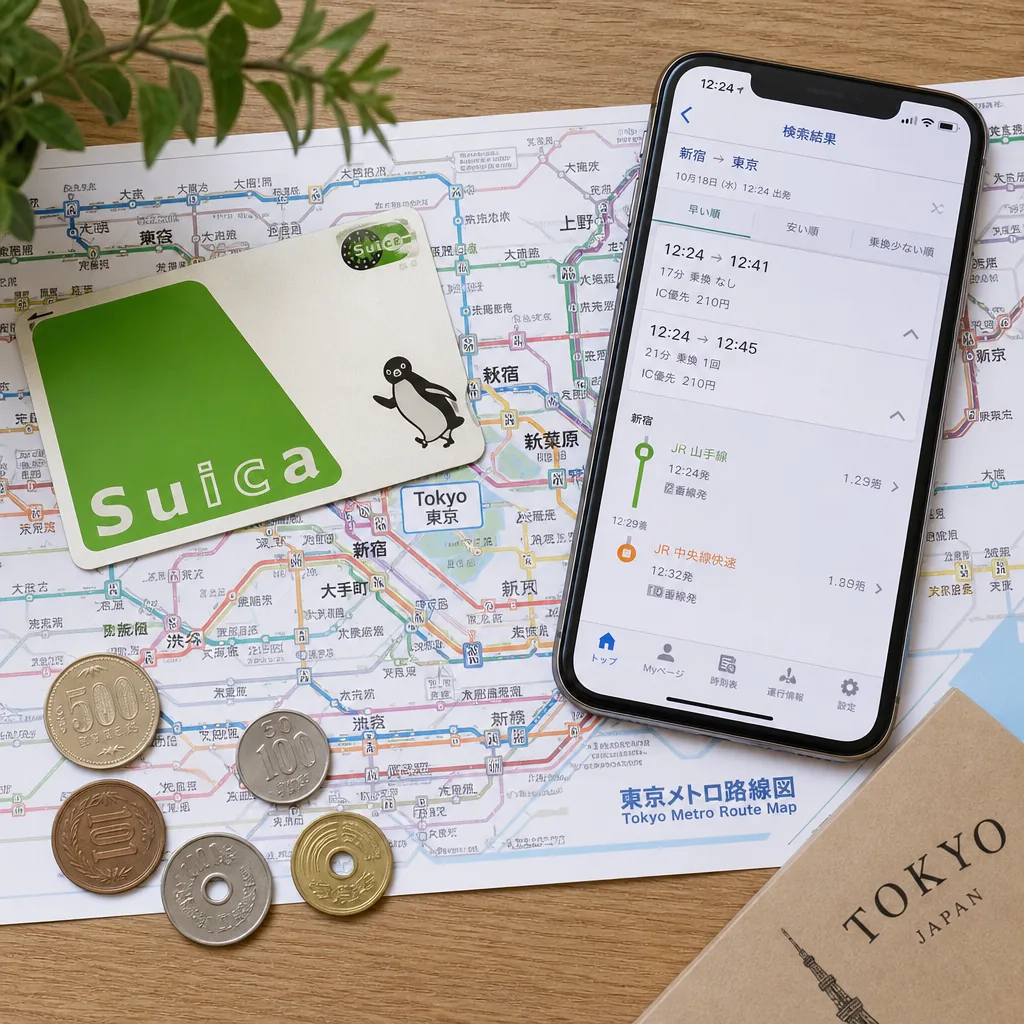
The biggest thing first-time visitors should know in 2025 is that Suica card sales can fluctuate. JR East has publicly explained that semiconductor shortages have affected the supply of certain cards, so some travelers may need to change plans at the last minute [1][2]. This is not a reason to avoid Suica; it is a reason to confirm current sales information before arrival.
Tokyo Metro and Tokyo’s official tourism guidance both emphasize IC cards as a practical way to move around the city, but neither suggests that one card solves every transit need automatically [3][5]. If you are traveling on special services, limited express trains, or smaller regional lines, always check whether IC payment is accepted before boarding. In Tokyo, station signage remains the quickest way to confirm compatibility [3][5].
Also remember that Suica is primarily a payment method, not a reservation system. It does not guarantee seat reservations on reserved-seat trains, airport express services, or shinkansen travel. If your plan includes a booked seat or a premium service, you will still need the appropriate ticket or reservation in addition to your IC card [1][5].
One of the best reasons to use Suica in Tokyo is that it extends well beyond rail travel. Tokyo Metro’s travel guidance and the Tokyo Convention & Visitors Bureau both note that IC cards are accepted on many buses and can also be used in convenience stores, vending machines, and other retail locations that display the IC mark [3][5].
For visitors staying in neighborhoods like Asakusa, Shibuya, or Shinjuku, this is especially convenient. You might ride the subway to Asakusa Station, buy a drink from a vending machine, then use the same card later for a bus ride or a snack at a convenience store without thinking about coin change [3][5].
Some useful examples in central Tokyo include:
Because many shops accept IC payments, Suica can work like a small prepaid wallet. That is useful when you do not want to carry large amounts of cash, but it is still smart to keep some yen on hand in case a machine or smaller shop does not accept IC [1][5].
The most common mistake is assuming any train in Tokyo will accept IC automatically. In reality, you should still check the gate, platform, or station signage, especially when using less common routes or regional services outside the core Tokyo network [3][5].
Another frequent problem is forgetting to charge enough balance before a busy travel day. If you’re planning a route with multiple transfers, add balance before entering the station rather than after you’re already in the gate area. That is quicker, and it prevents the frustration of getting stopped at the exit gate [1][3].
Here are the best first-time tips for Tokyo in 2025:
If you follow those basics, Suica can make Tokyo much easier to navigate. It will not replace every ticket or reservation, but for everyday travel across JR East, Tokyo Metro, buses, and many shops, it is one of the most practical tools a first-time visitor can carry [1][3][5].
CallButler is a multilingual concierge service that handles research, coordination, and bookings so you do not have to navigate language barriers or unfamiliar systems alone. If you need help related to What should first-time visitors know before using Tokyo Suica in 2025? or the tasks around it, our team can step in to manage the details and keep things moving smoothly.
Find English-friendly yakitori in Osaka after work by targeting Umeda, Namba, and Honmachi, plus booking sites and multilingual menus.
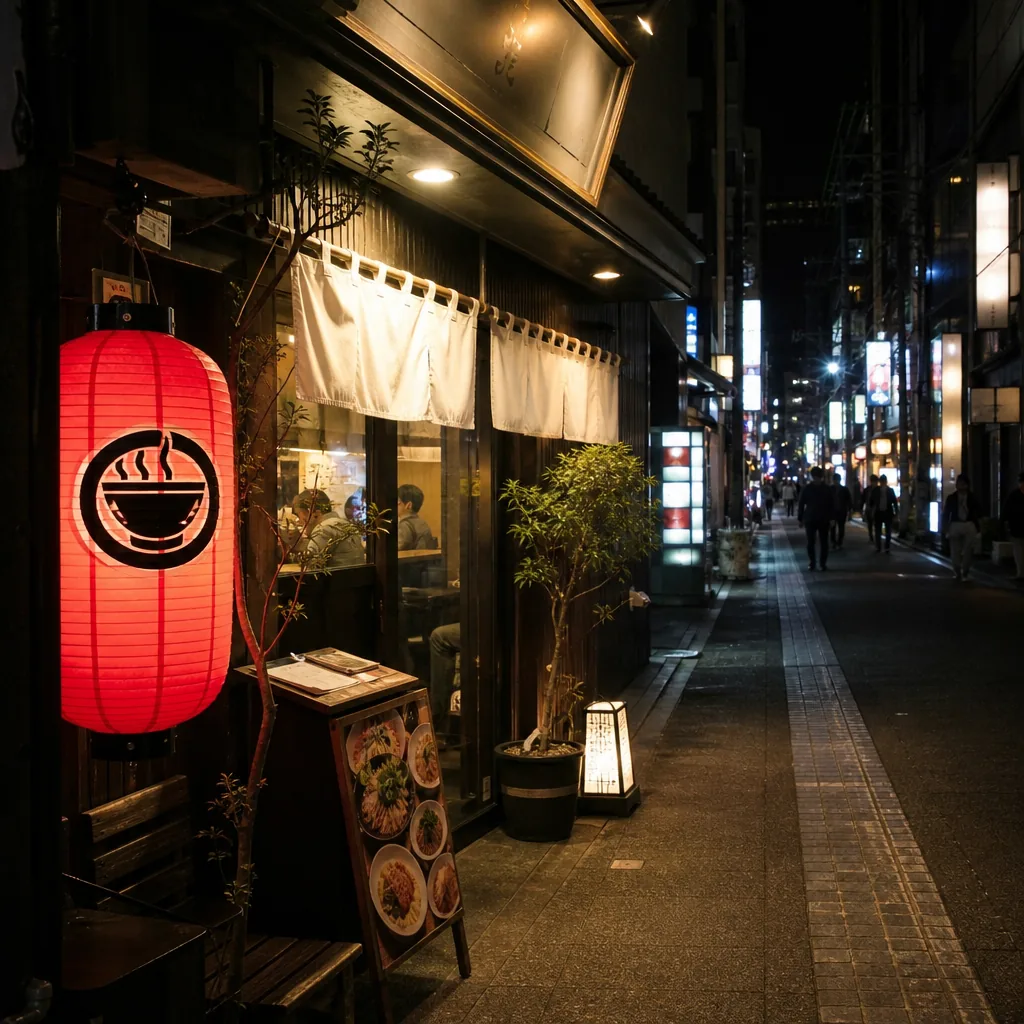
Looking for halal ramen in Kyoto after 10 p.m.? Here’s where to check, which areas are most practical, and how to verify hours and halal status.
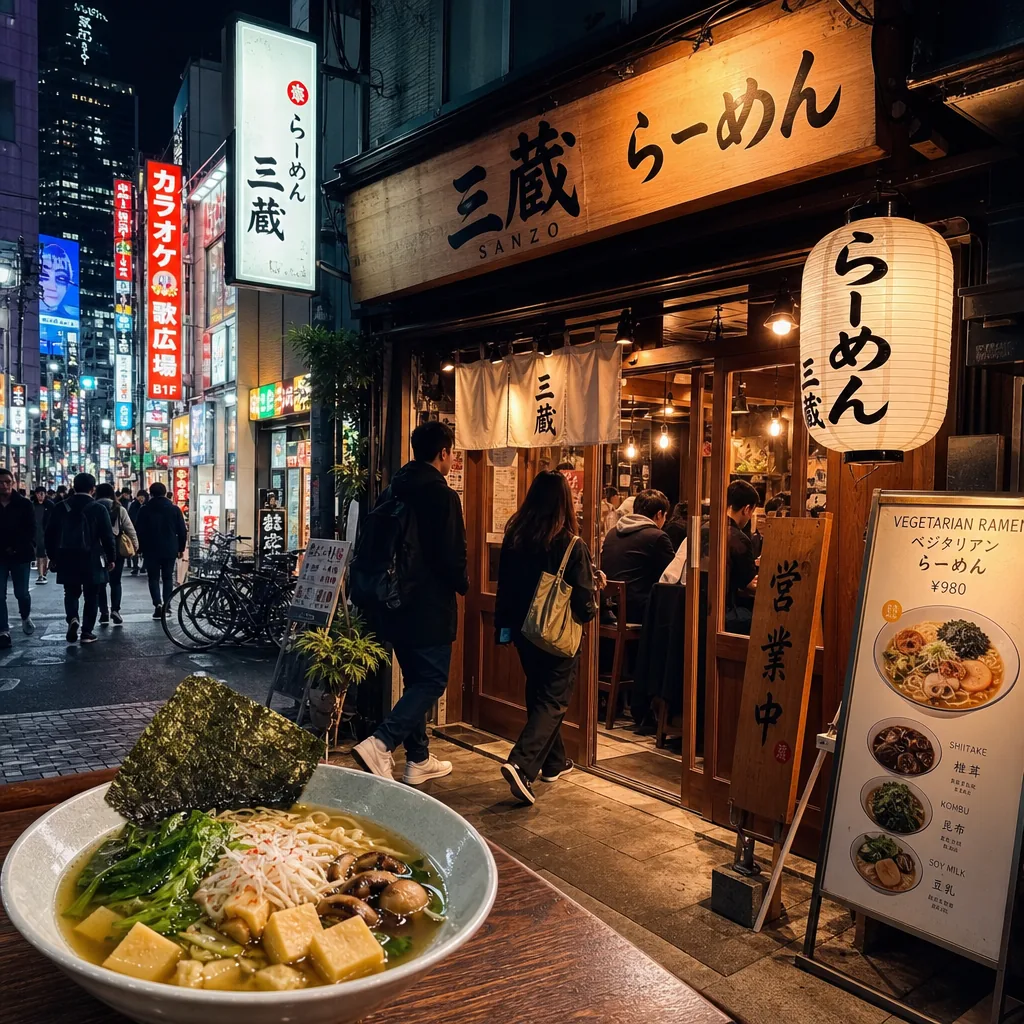
Find late-night vegetarian ramen in Tokyo by focusing on Shibuya, Shinjuku, and Roppongi, then verify broth, hours, and vegan menu details.