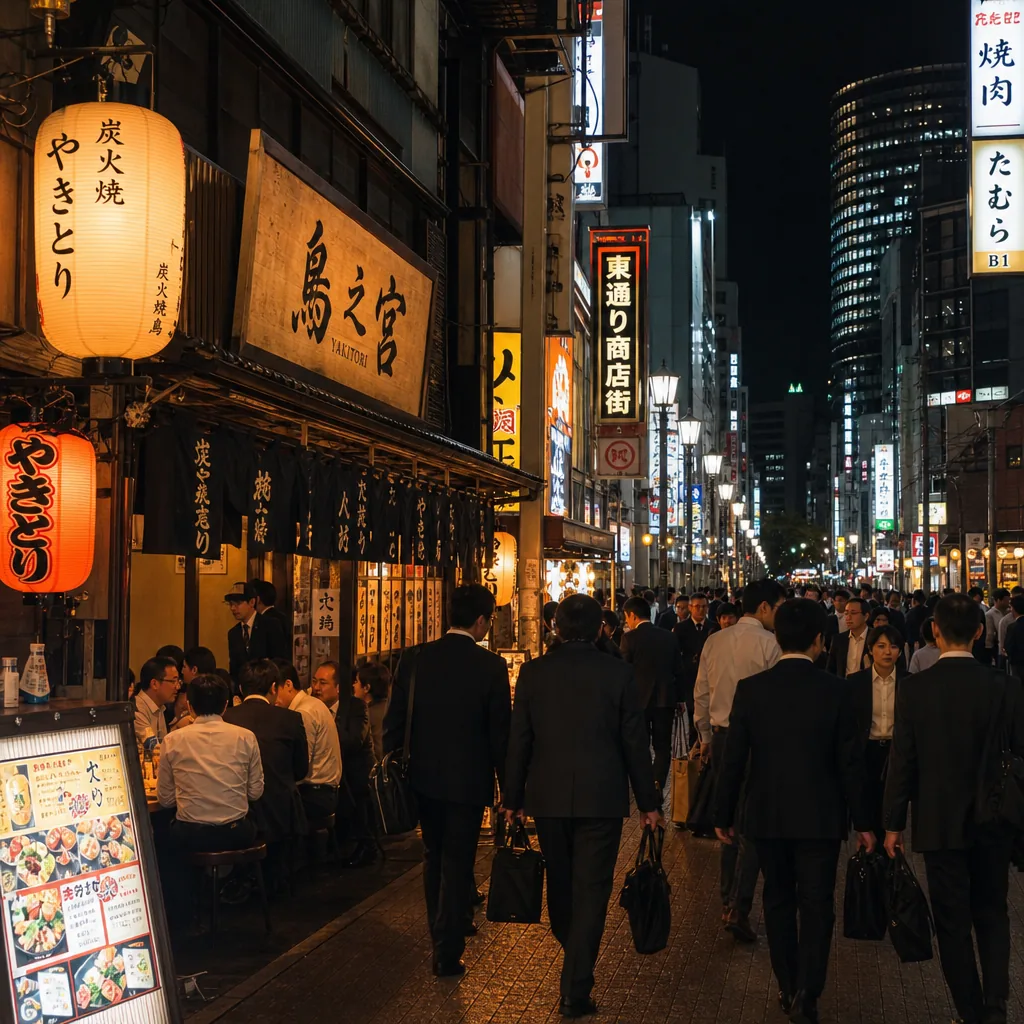
Where can I find english-friendly yakitori in Osaka after work?
Find English-friendly yakitori in Osaka after work by targeting Umeda, Namba, and Honmachi, plus booking sites and multilingual menus.
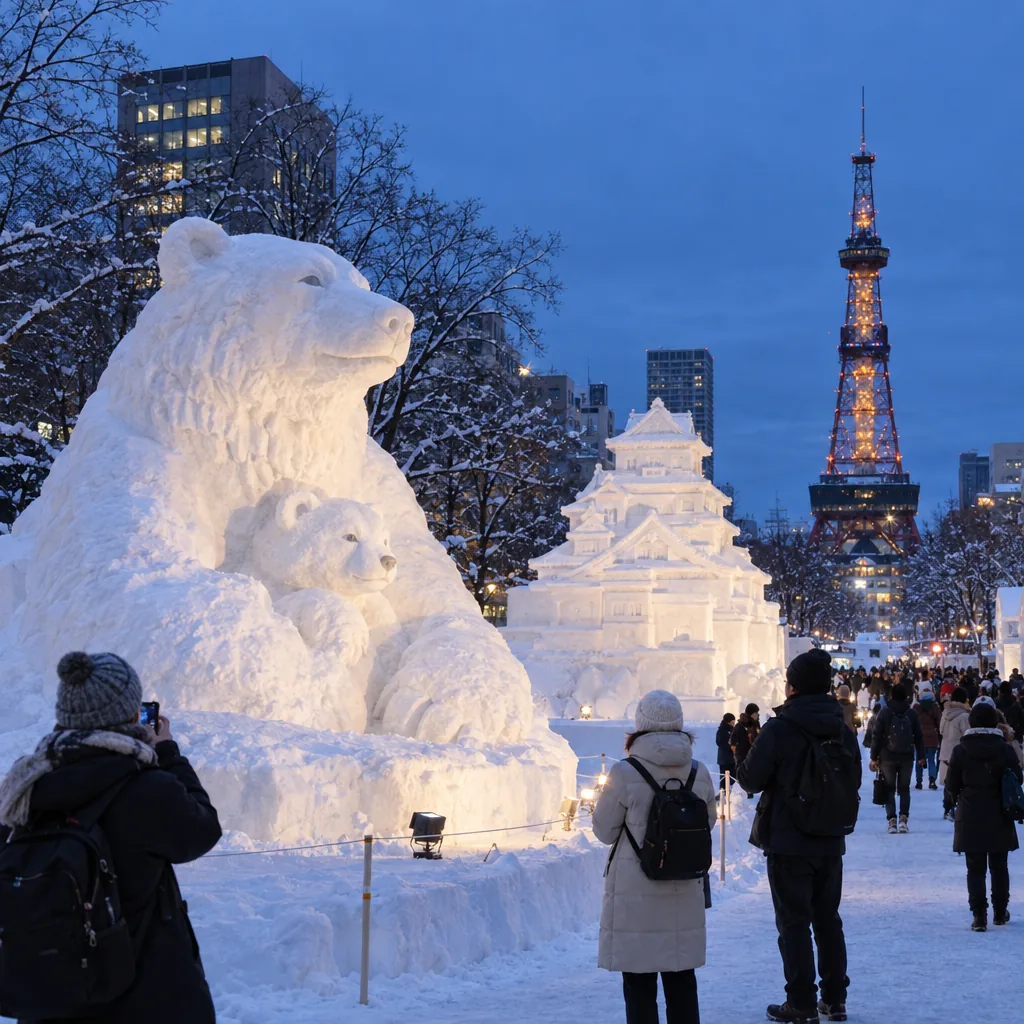
First-time visitors should plan around the Sapporo Snow Festival’s three different experiences: large snow sculptures at Odori Park, ice sculptures in Susukino, and winter activities at Tsudome. The festival usually takes place in early February, but check the official dates, site hours and transport arrangements for your travel year before booking. General admission is free; warm clothing, reliable footwear and a manageable route matter more than trying to see everything in one outing.[1][2]
Use the official Sapporo Snow Festival website as your starting point, rather than copying dates from an older itinerary. The event’s early-February timing is useful for initial planning, but individual displays, activity arrangements and operating hours can change between editions.[1][2]
Before committing to accommodation, check these details:
Arrange accommodation early where possible, and read cancellation terms before choosing a nonrefundable rate. For a short visit, accommodation near Odori, Susukino or Sapporo subway station can simplify your route. Leave some flexibility in your arrival-day plans in case winter weather delays your journey.
Odori Park is the best starting point for most first-time visitors. This central site is known for its large snow sculptures, with displays spread along the park. Start in daylight to appreciate carved details and the scale of the structures, then consider returning after dark for illuminated views. Check the current program rather than assuming every sculpture has projection mapping.[1][2]
Susukino is the ice-sculpture stop. Its displays offer a different experience from Odori’s snow constructions, making the two central sites a useful combination. Susukino is within walking distance of the Odori area, but allow extra time when pavements are crowded or icy.[1][2]
Tsudome is the activity-focused choice. The site is associated with snow slides and other winter play, making it worth considering if hands-on activities are your priority. Treat it as a separate excursion: its opening hours and access arrangements differ from the central sites.[1][2]
General admission to the festival sites is free, so you do not need an all-sites entrance ticket simply to see the sculptures. However, free admission does not mean every part of your day is free: budget separately for food, drinks, transport and any chargeable activities or services listed in the current program.[1][2]
Do not assume all three sites follow the same timetable. In particular, Tsudome’s activity schedule needs its own check, while evening visitors to Odori and Susukino should confirm illumination times. Save the official site information on your phone before leaving your accommodation.[1]
If a particular slide, display or performance is essential to your visit, check its individual conditions. Look for any published fees, participation restrictions and weather-related notices. Avoid building your entire day around an attraction mentioned only in a previous year’s article.
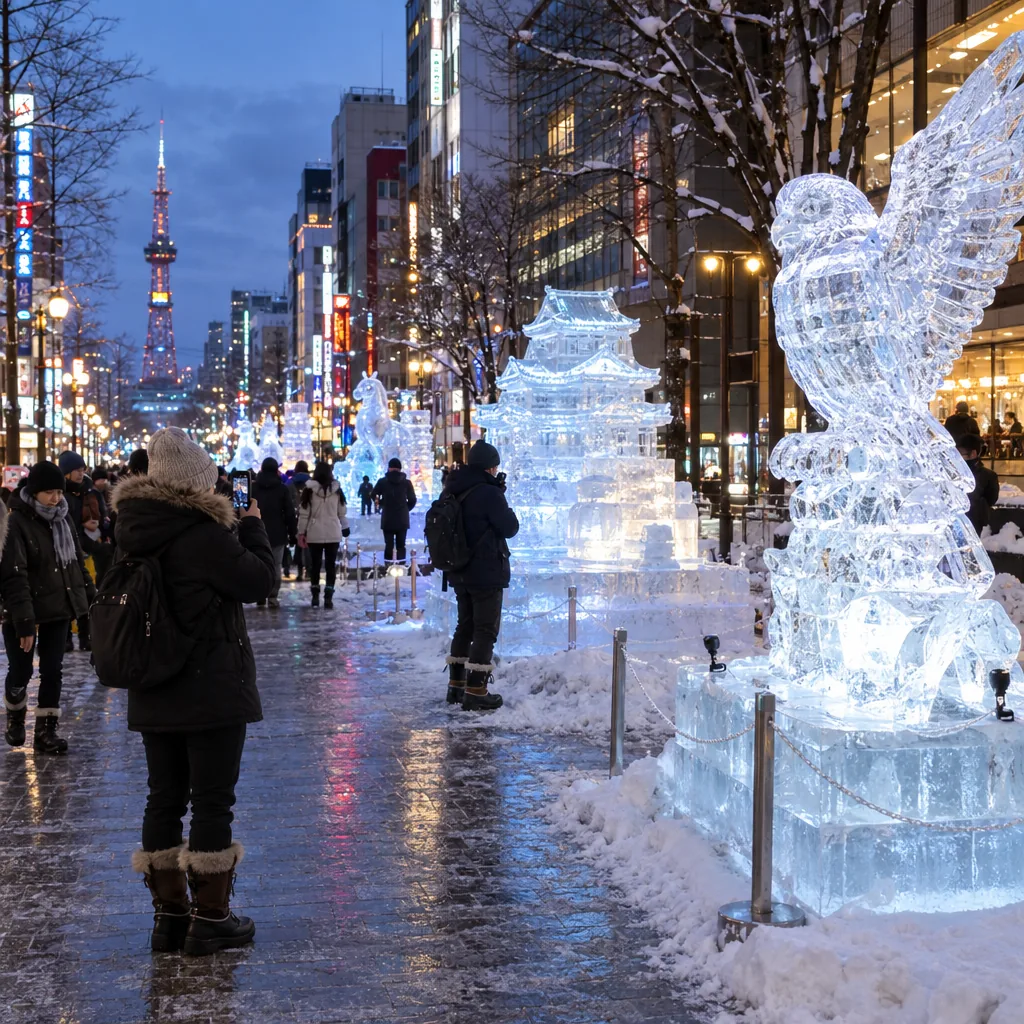
Sapporo’s subway is a practical way to connect your accommodation with the festival areas. Odori Station serves the main sculpture area and connects the Namboku, Tozai and Toho lines. Susukino Station, on the Namboku Line, serves the ice-sculpture district; it is one stop south of Odori.[3]
Walking between Odori and Susukino can work well, but take the subway instead if you are cold, tired or uncomfortable on ice. Check the Transportation Bureau’s current fare and ticket information before buying a pass: a day ticket is not automatically better value if you only expect to make a couple of journeys.[3]
For Tsudome, follow the current festival access guide rather than assuming you can walk there from the central displays. Check the recommended station, onward connection and return arrangements together. Any festival transport information should be verified for your edition, not borrowed from an old shuttle timetable.[1]
Dress for extended outdoor viewing, not just the short walk from a station. Sapporo’s winter conditions make warmth and traction important, especially when you spend time standing still to look at sculptures.[2]
Build indoor warming breaks into your route. If your feet become wet or you start feeling persistently cold, shorten the outing rather than pushing through another site.
For a short first visit, Odori and Susukino make a manageable core itinerary. Add Tsudome because its activities interest you—not because you feel obliged to complete all three sites.
CallButler is a multilingual concierge service that handles research, coordination, and bookings so you do not have to navigate language barriers or unfamiliar systems alone. If you need help related to What should first-time visitors know about Sapporo snow festival? or the tasks around it, our team can step in to manage the details and keep things moving smoothly.
Find English-friendly yakitori in Osaka after work by targeting Umeda, Namba, and Honmachi, plus booking sites and multilingual menus.
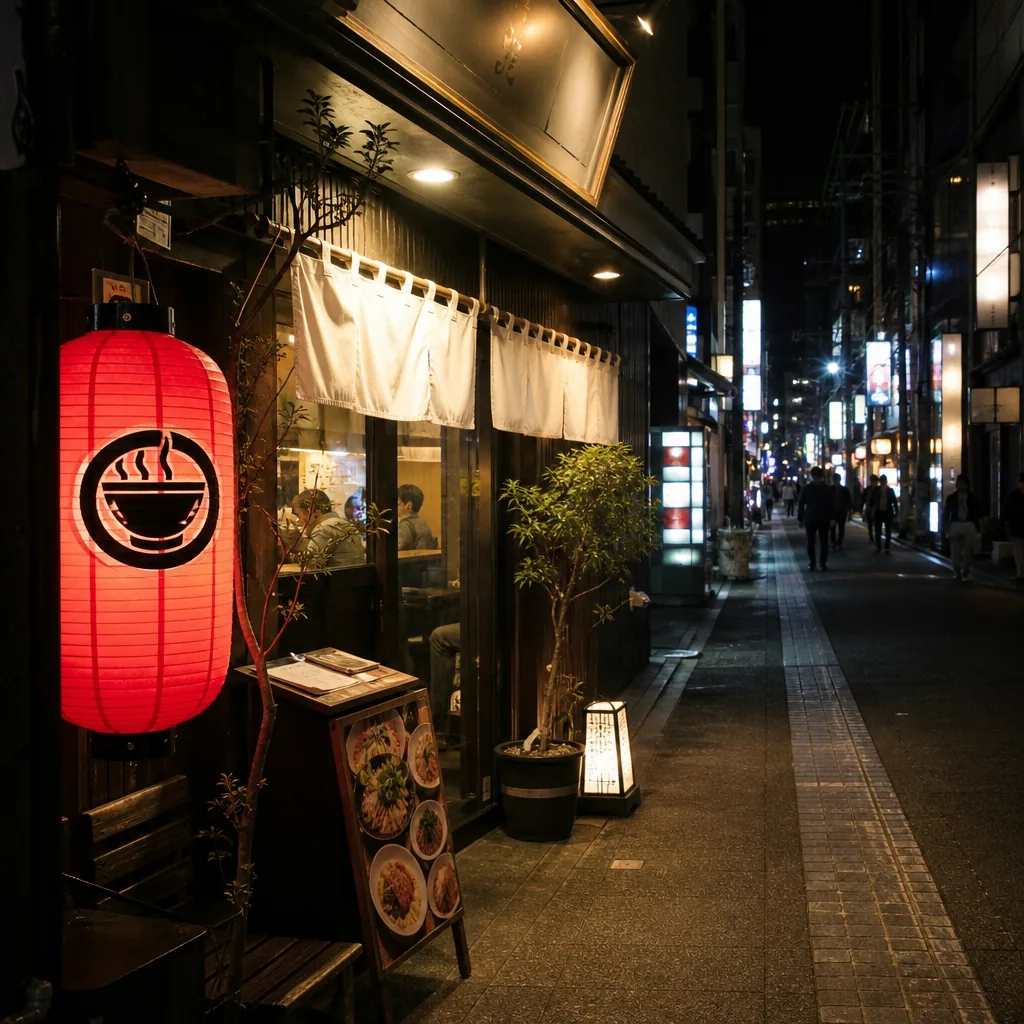
Looking for halal ramen in Kyoto after 10 p.m.? Here’s where to check, which areas are most practical, and how to verify hours and halal status.
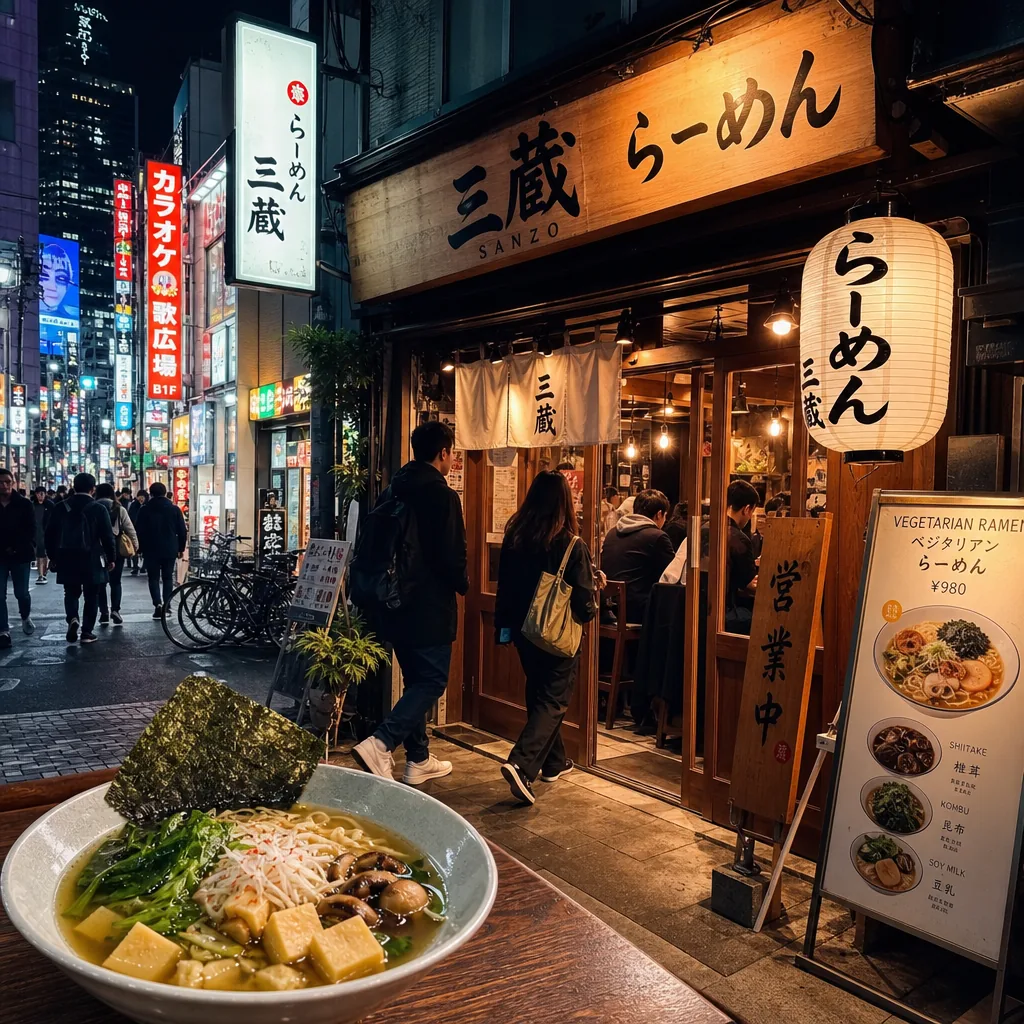
Find late-night vegetarian ramen in Tokyo by focusing on Shibuya, Shinjuku, and Roppongi, then verify broth, hours, and vegan menu details.