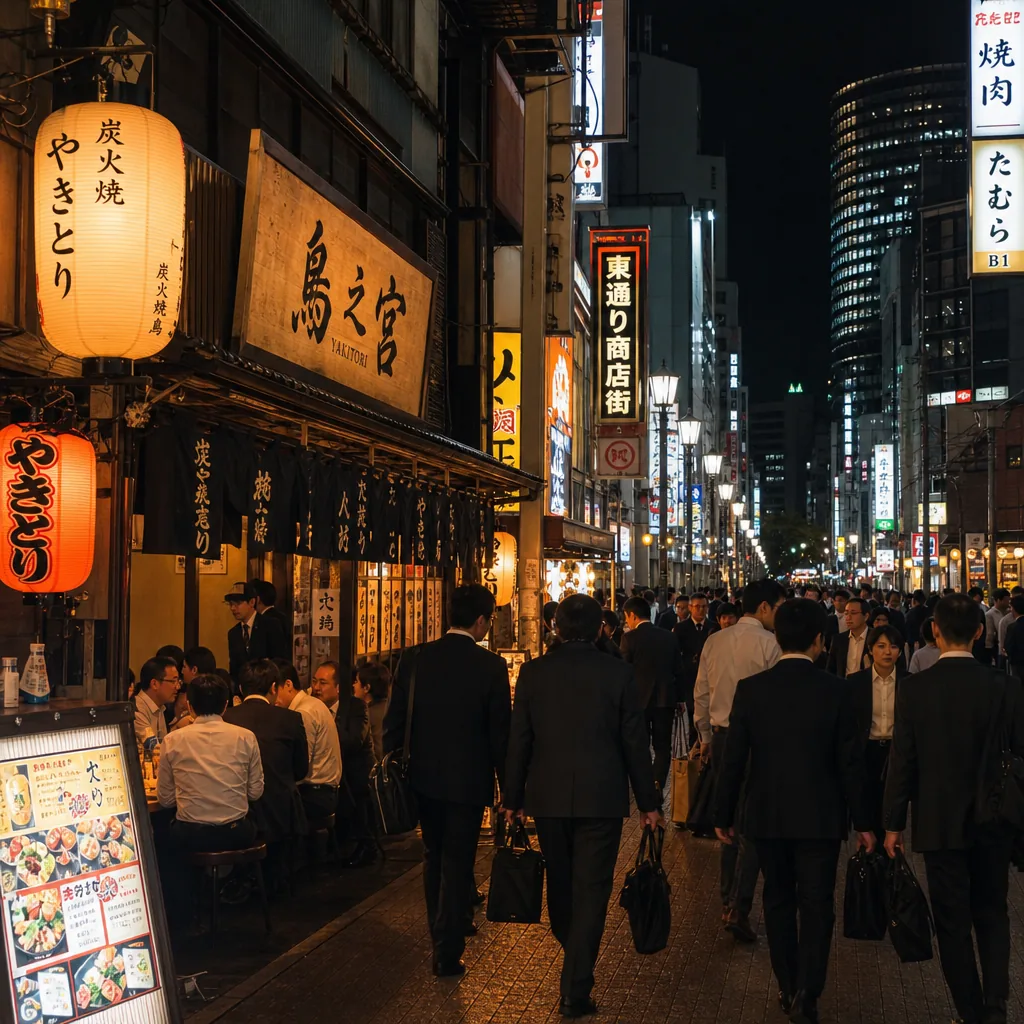
Where can I find english-friendly yakitori in Osaka after work?
Find English-friendly yakitori in Osaka after work by targeting Umeda, Namba, and Honmachi, plus booking sites and multilingual menus.
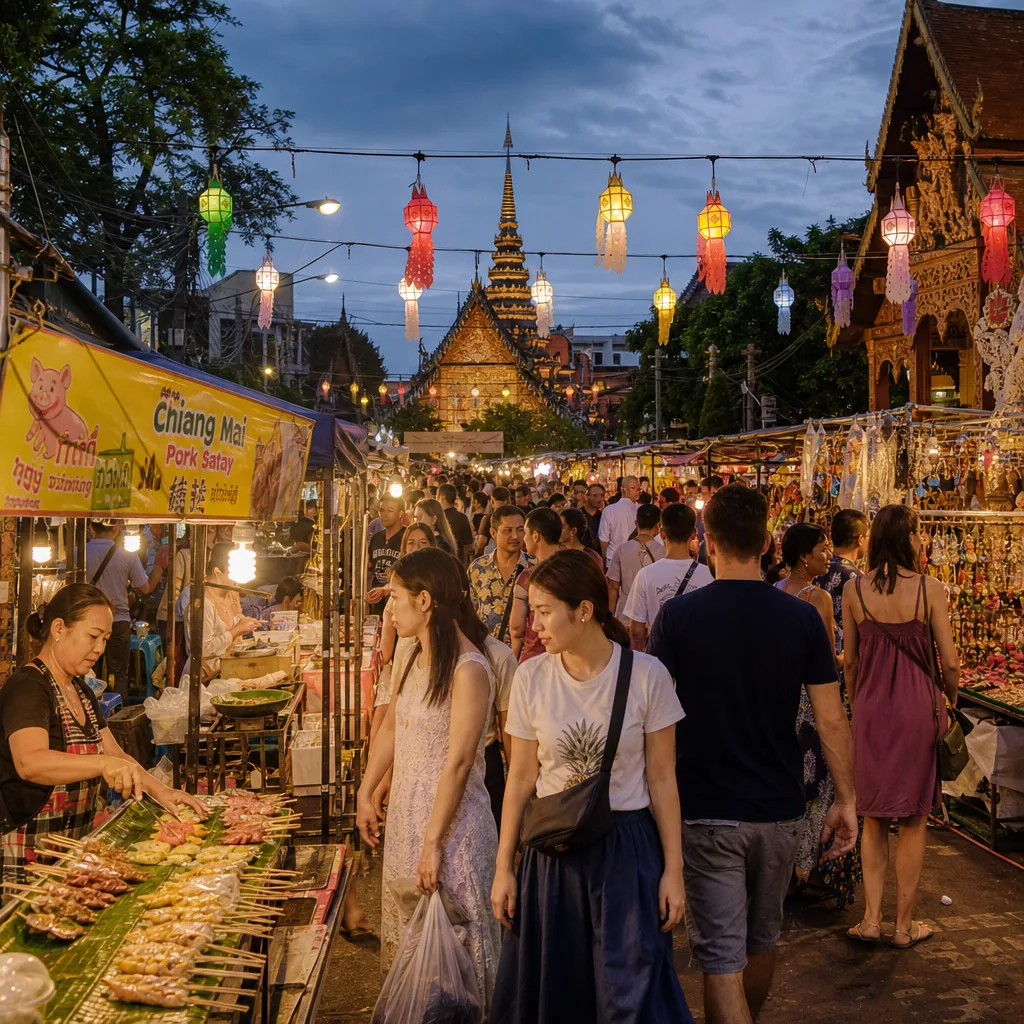
First-time visitors should know that Chiang Mai’s night markets are not one single attraction but a citywide schedule of different markets, and the biggest mistake is showing up on the wrong night. The safest plan is to check each market’s day and location in advance, bring cash, and arrive early enough to enjoy food and shopping before the crowds peak.
Chiang Mai is one of Thailand’s best cities for evening browsing because the markets mix local food, handicrafts, clothing, souvenirs, and casual performances in the same place [1][2]. The Tourism Authority of Thailand highlights Chiang Mai as a major visitor destination, and its night market listings show why: the city’s market scene is spread across multiple neighborhoods rather than concentrated in one fixed shopping street [1][2]. That variety is useful, but it also means timing matters more here than in many other cities.
If you are visiting for the first time, think of the night market scene as a weekly calendar. Some markets run every night, while others are weekend-only draws. The result is that you can have a great experience one evening and find a completely different atmosphere—or no market at all—on another.
The Chiang Mai Night Bazaar is the city’s best-known evening shopping area and one of the easiest places for first-timers to start [2]. It is an established night market zone rather than a one-night-a-week event, so it is a practical choice if you want a reliable option without having to plan around a specific weekend date [2].
The biggest crowd magnets, however, are the walking streets. The Sunday Walking Street on Ratchadamnoen Road is a major weekly market that reopened in 2022, and TAT describes it as a signature Chiang Mai experience [4]. The Saturday Walking Street on Wua Lai Road is another well-known weekend market and is often paired with Sunday as the classic “must-see” market combination for visitors [3]. Because these are limited-day events, checking the day before you go is essential [1][3][4].
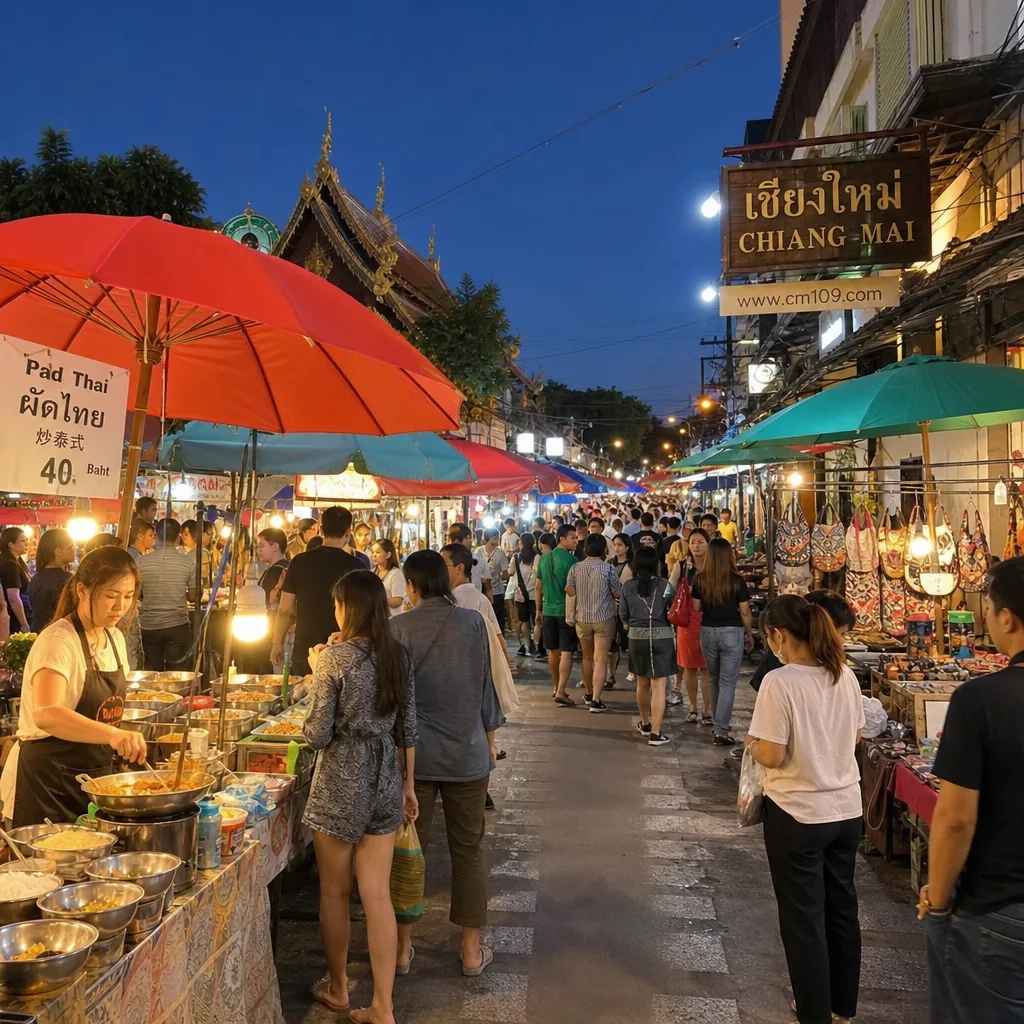
Chiang Mai night markets are good places to shop for handmade goods, clothing, souvenirs, and small gifts, but the strongest reason to go is the food [2][3]. Stalls commonly sell grilled skewers, noodle dishes, Northern Thai snacks, fruit, desserts, and drinks in a casual setting that makes it easy to sample several items in one evening [2][3].
For a first visit, it helps to prioritize a few categories:
If you want an efficient food stop, choose a market with multiple stalls rather than a single restaurant-style venue. That lets you compare prices and try different dishes without committing to one spot too quickly.
One of the most important things to know is that Chiang Mai’s most popular markets get crowded fast, especially on Saturday and Sunday evenings [3][4]. The Sunday Walking Street is especially busy because it is a city-center event on Ratchadamnoen Road, and local reporting and tourism listings both make clear that it is a major draw [3][4].
To make your visit easier, arrive earlier in the evening rather than waiting until the market is at its busiest. An early arrival gives you a better chance to walk comfortably, choose food without long waits, and browse before traffic around the market thickens. This matters most near the Night Bazaar and the weekend walking streets, where congestion and limited parking are common concerns [2][3].
Practical timing tips for first-timers include:
Cash is still widely useful at Chiang Mai night markets, especially at smaller food and craft stalls, so it is smart to bring enough baht for snacks, drinks, and small purchases [3]. Some vendors may accept card or digital payment, but visitors should not assume it will be available everywhere.
When bargaining is appropriate, keep it light and polite. Night markets in Chiang Mai are friendly public spaces, not hard-sell bazaars, and respectful behavior goes a long way. The same is true when taking photos: ask before photographing vendors or their goods, especially if you are standing close to a stall or focusing on a person rather than the market itself. That simple courtesy helps keep interactions positive and avoids unnecessary awkwardness.
For safety, the usual city sense applies: keep valuables close, watch your belongings in dense crowds, and stay aware when crossing market roads. The city’s provincial and tourism listings both emphasize planning around the market location and schedule, which is especially helpful if you are unfamiliar with the area [1][5].
If you only have one evening, pick based on what you want most. The Night Bazaar is the easiest all-around option for casual shopping and food [2]. Saturday and Sunday walking streets are better if you want the fullest atmosphere, more local craft stalls, and a classic Chiang Mai weekend experience [3][4].
A simple first-timer strategy looks like this:
In Chiang Mai, the best night market experience comes from matching the market to the night. If you do that, you will spend less time searching and more time eating, browsing, and enjoying one of the city’s most memorable evening traditions.
CallButler is a multilingual concierge service that handles research, coordination, and bookings so you do not have to navigate language barriers or unfamiliar systems alone. If you need help related to What should first-time visitors know about Chiang Mai night markets? or the tasks around it, our team can step in to manage the details and keep things moving smoothly.
Find English-friendly yakitori in Osaka after work by targeting Umeda, Namba, and Honmachi, plus booking sites and multilingual menus.
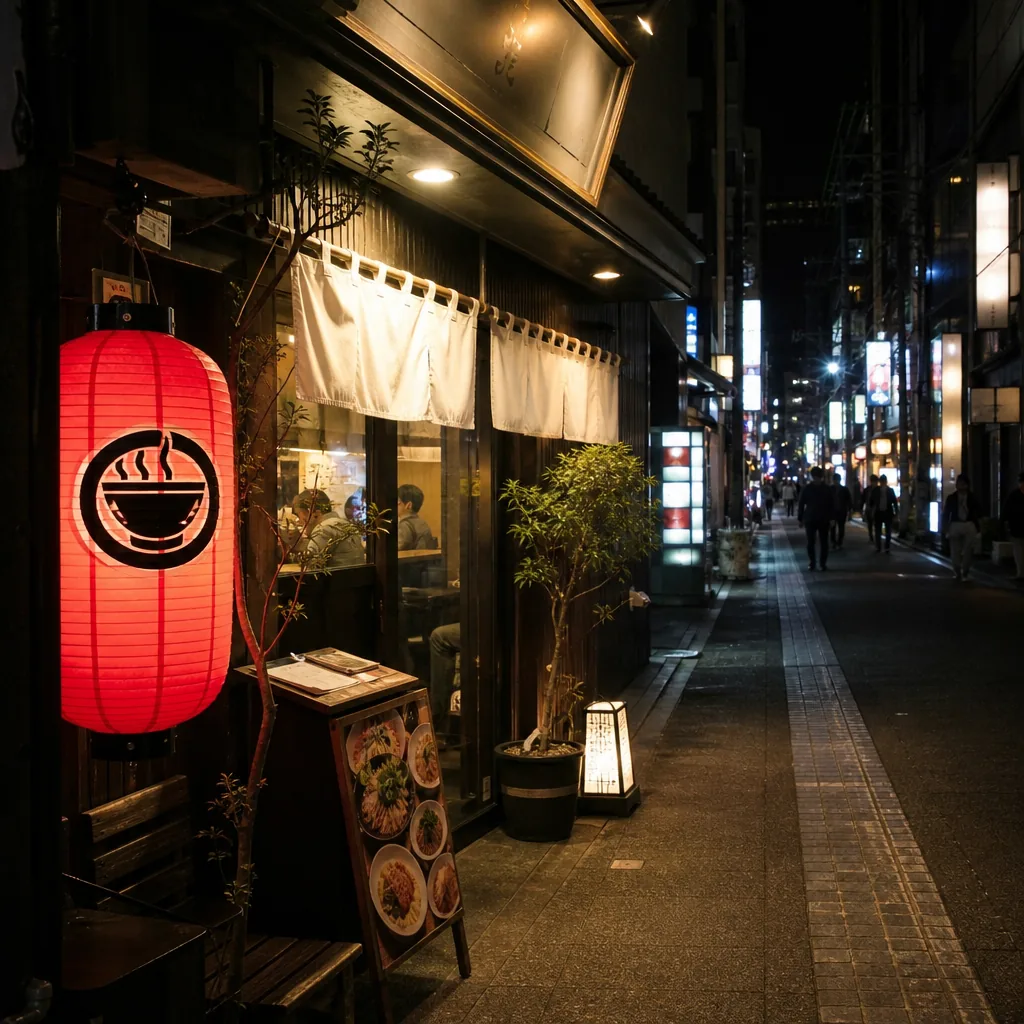
Looking for halal ramen in Kyoto after 10 p.m.? Here’s where to check, which areas are most practical, and how to verify hours and halal status.
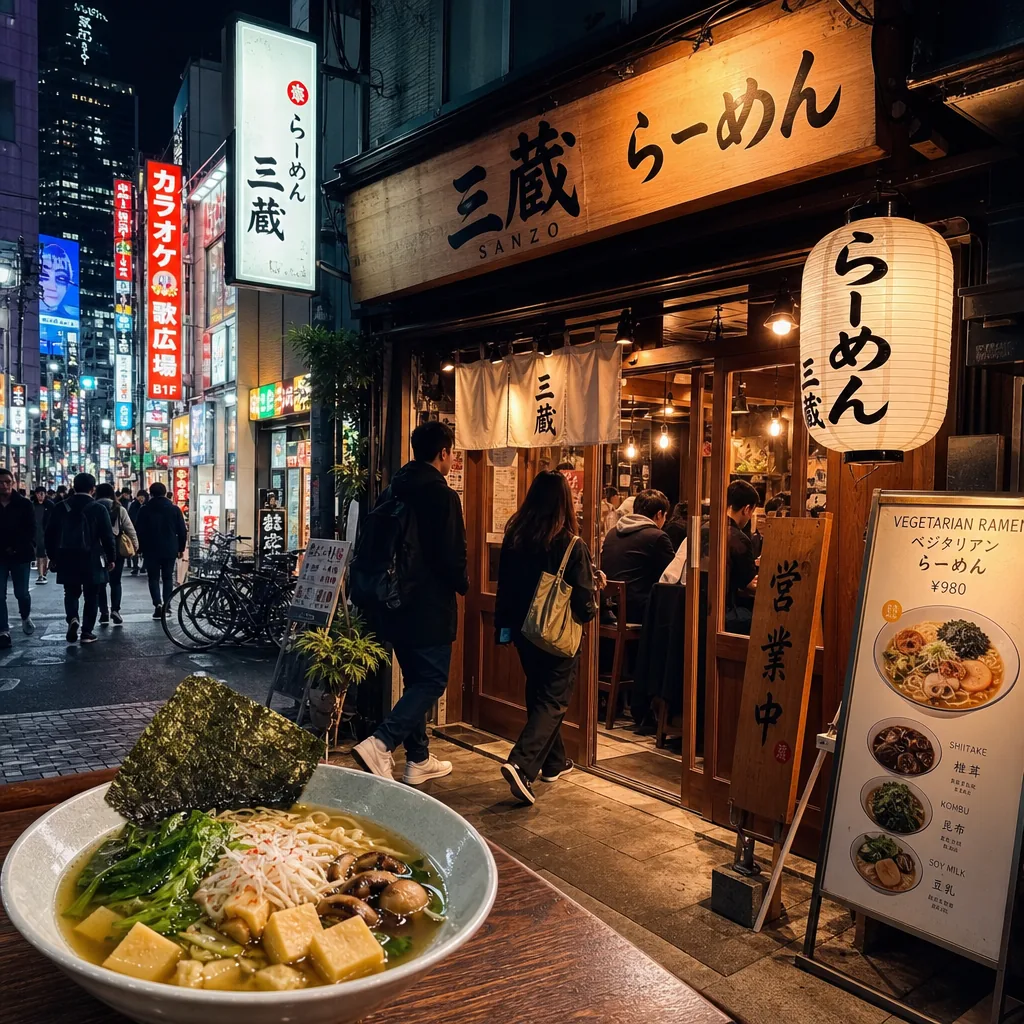
Find late-night vegetarian ramen in Tokyo by focusing on Shibuya, Shinjuku, and Roppongi, then verify broth, hours, and vegan menu details.