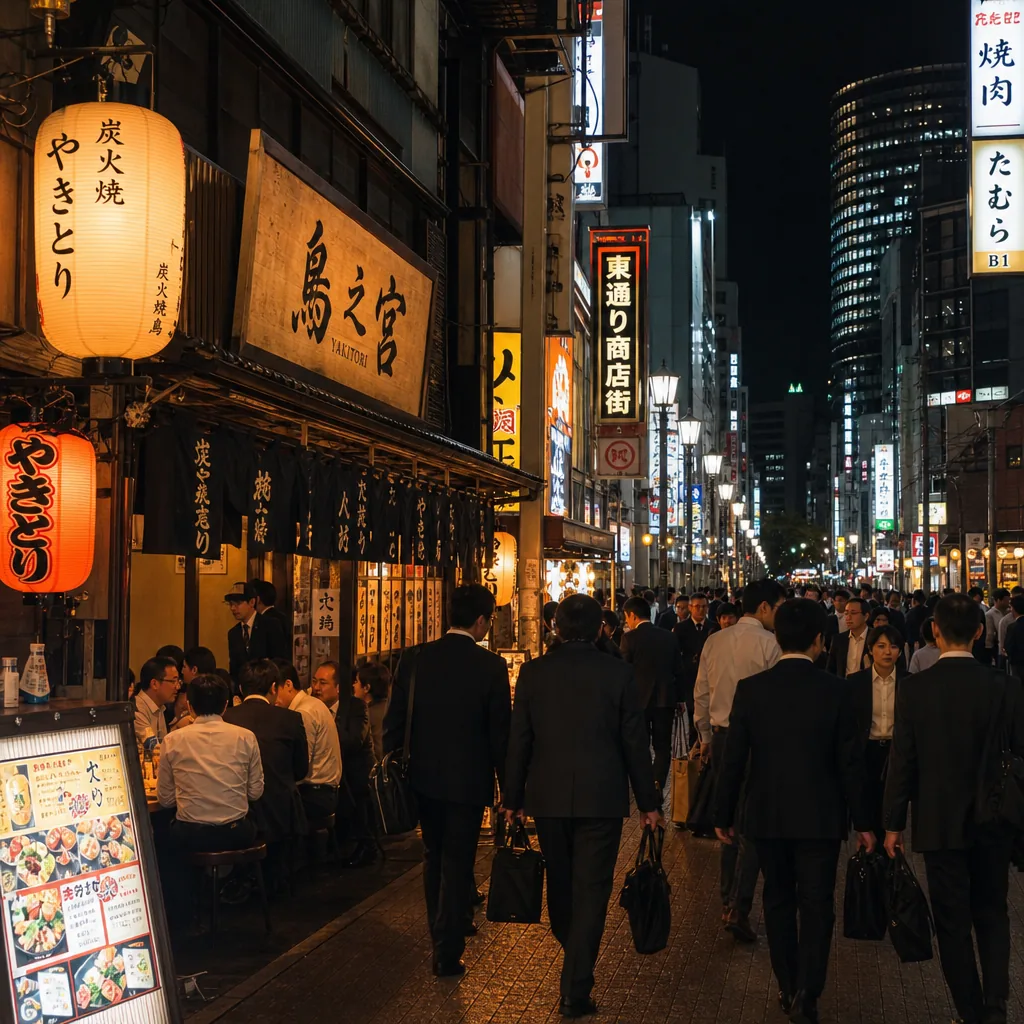
Where can I find english-friendly yakitori in Osaka after work?
Find English-friendly yakitori in Osaka after work by targeting Umeda, Namba, and Honmachi, plus booking sites and multilingual menus.
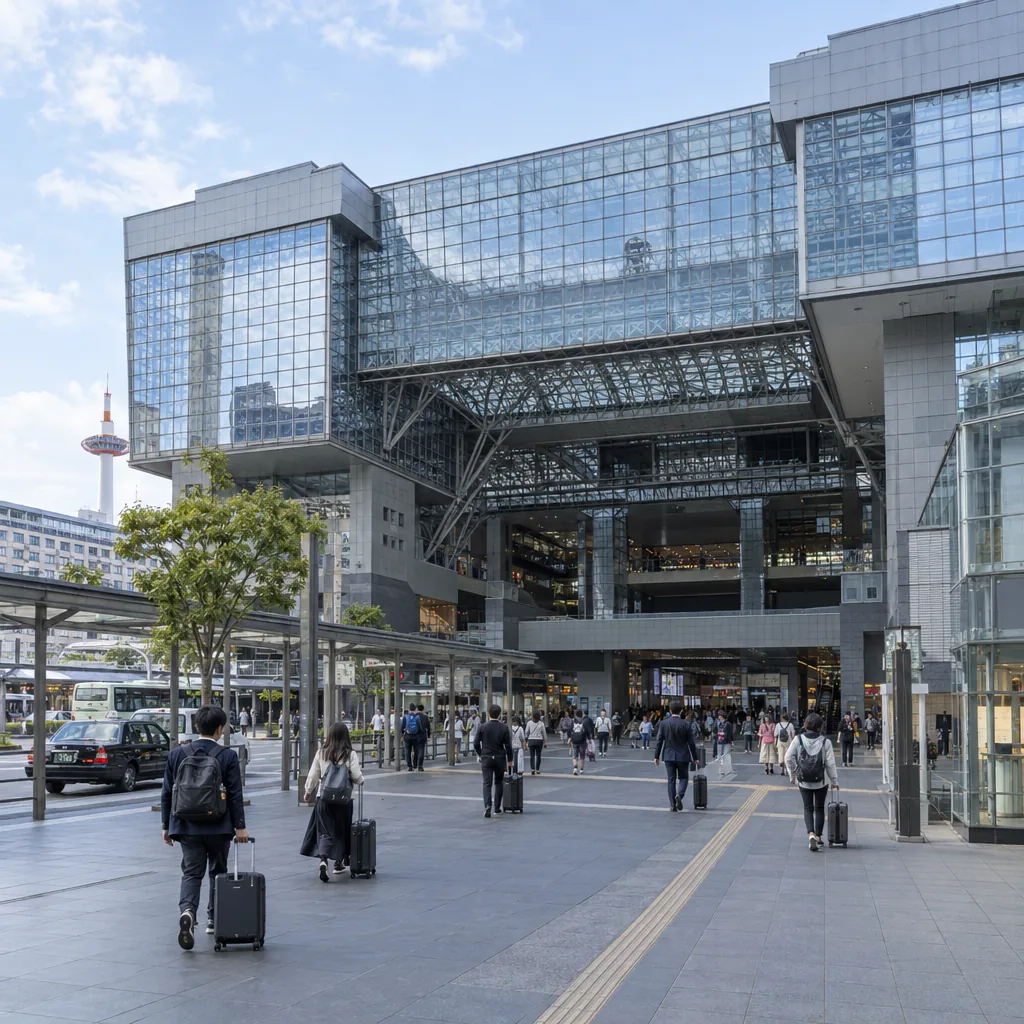
First-time travelers should treat Kyoto Station as several transport systems inside one large shopping and dining complex: identify your exit, railway operator and ticket gate before moving on. Plan luggage storage before sightseeing, and check your onward route rather than assuming every attraction is a short walk or a direct bus ride away. [1][2][3][4][5]
The Karasuma side faces north toward Kyoto Tower and the main city-bus boarding area. The Hachijo side faces south. These names matter when choosing a hotel entrance, finding a pickup point or meeting someone: “outside Kyoto Station” is not a sufficiently precise instruction. [1][4]
Before arrival, check which side your accommodation recommends. For a meeting, agree on the side and a named landmark or clearly identified entrance. If someone is waiting near Kyoto Tower while you are outside the Hachijo side, you are on opposite sides of the station. Use the station building’s floor maps to locate the north–south pedestrian passage rather than entering a railway gate simply to cross the building. [1]
Kyoto Station serves JR conventional trains, the Tokaido Shinkansen, Kintetsu Railway and the Kyoto Municipal Subway’s Karasuma Line. Their ticket gates are not interchangeable, and entering the station building does not mean you have entered the paid area for your train. [1][2][3][4]
An ordinary transport IC card is useful for city buses and the subway, but its stored-value balance alone is not a Shinkansen ticket. You need the appropriate ticket or a compatible booking service with the required arrangements completed. Before approaching a gate, check exactly how your booking tells you to board. [3][4]
Choose transport using your destination’s nearest station or stop, not just its neighborhood name. Kyoto’s attractions are spread out; a Kyoto address does not automatically mean walking distance from Kyoto Station. Compare the whole journey, including the final walk. [4][5]
If taking a city bus, confirm the route and boarding point before joining a queue on the Karasuma side. The municipal transport guide is useful for checking bus and subway options together. [4]
Kyoto’s official visitor guidance encourages travelers to avoid taking large luggage onto crowded public transport. If sightseeing before hotel check-in, investigate station storage or a luggage-delivery service first. Do not build a tight itinerary around finding an empty locker of exactly the right size. [1][5]
Use the station building’s facility maps to locate coin lockers and elevators. With a wheelchair, stroller or heavy suitcase, identify an elevator-based route before following signs toward the nearest staircase. The shortest route on foot may not be the easiest accessible route. [1]
When storing a bag, save its exact location and check any collection conditions displayed at the facility. Include the return trip to storage in your departure plan, rather than allowing only enough time to reach the station entrance.
Kyoto Tourist Information Center, also called Kyo Navi, is on the station building’s second floor near the north–south pedestrian passage. It is a useful stop for confirming sightseeing routes and obtaining visitor information before heading into the city. [5]
The station building also contains extensive dining and shopping facilities. Before choosing somewhere to eat, check its floor and relationship to your departure gate: a restaurant inside the wider complex is not necessarily close to your platform. For a meeting, share the venue name and floor, not simply “the station restaurants.” Consult the official directory for current options. [1]
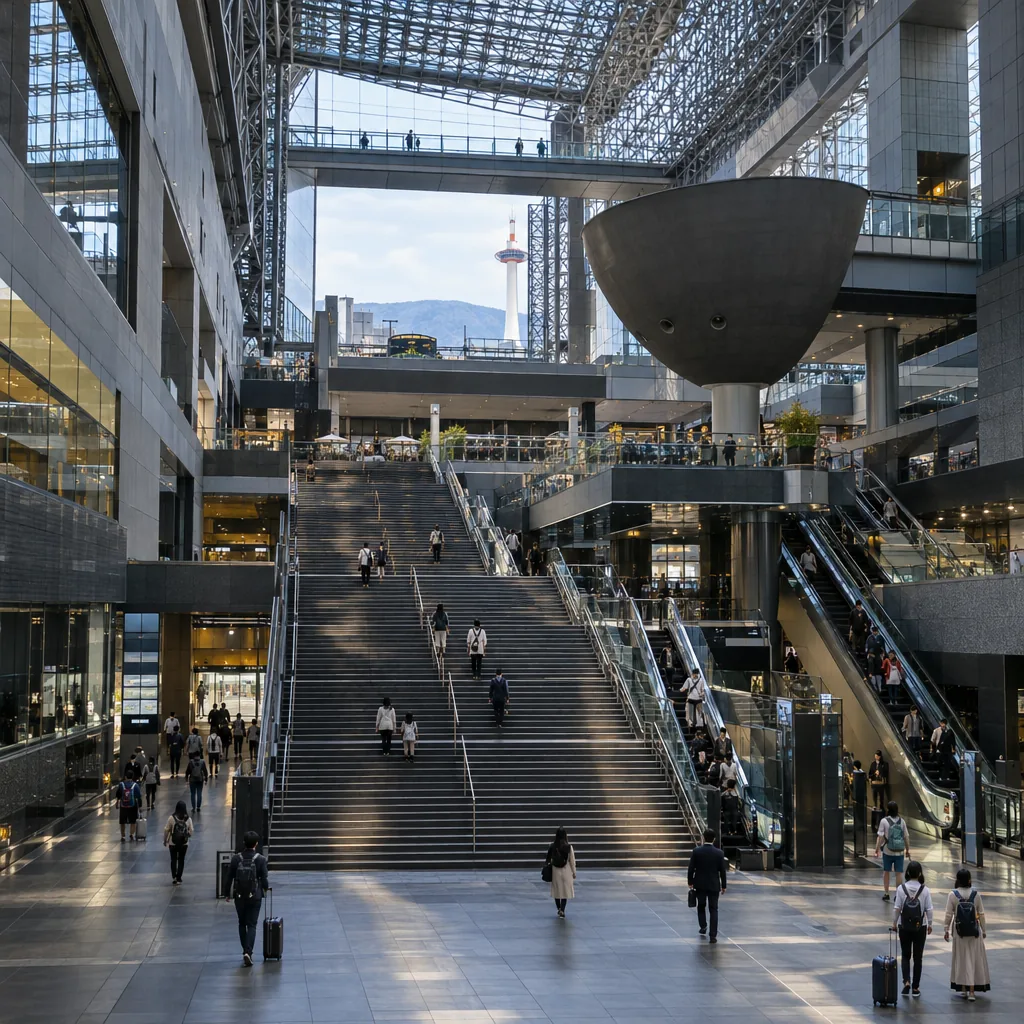
The Grand Stairway and elevated public spaces make the station itself worth exploring if time permits. Check current access information and leave a margin for returning through the building, especially if you still need to collect bags or buy tickets. [1]
Before leaving your hotel or final attraction, make one last check:
That preparation is more useful than memorizing the entire complex: know your next connection, follow its specific signs and ask for help before entering an uncertain gate. [1][2][3]
CallButler is a multilingual concierge service that handles research, coordination, and bookings so you do not have to navigate language barriers or unfamiliar systems alone. If you need help related to What should first-time travelers know before visiting Kyoto Station? or the tasks around it, our team can step in to manage the details and keep things moving smoothly.
Find English-friendly yakitori in Osaka after work by targeting Umeda, Namba, and Honmachi, plus booking sites and multilingual menus.
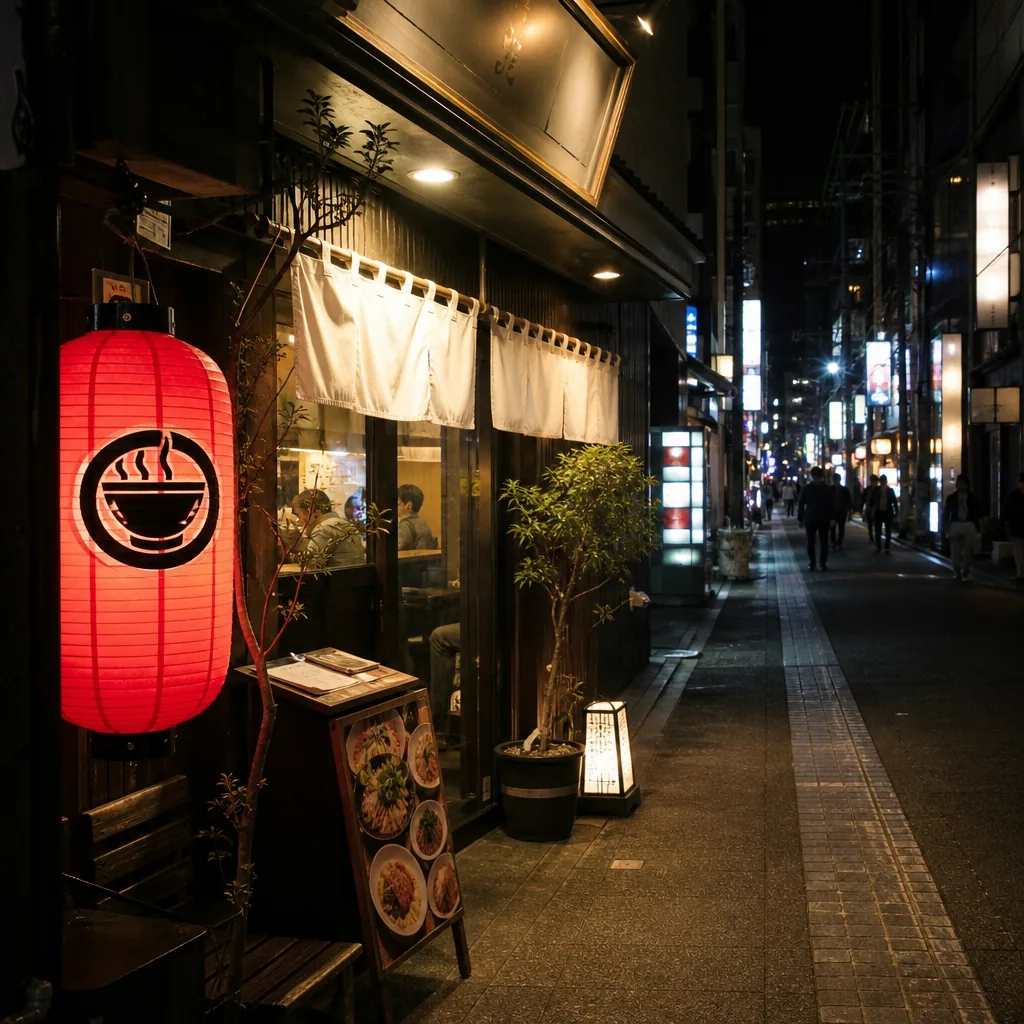
Looking for halal ramen in Kyoto after 10 p.m.? Here’s where to check, which areas are most practical, and how to verify hours and halal status.
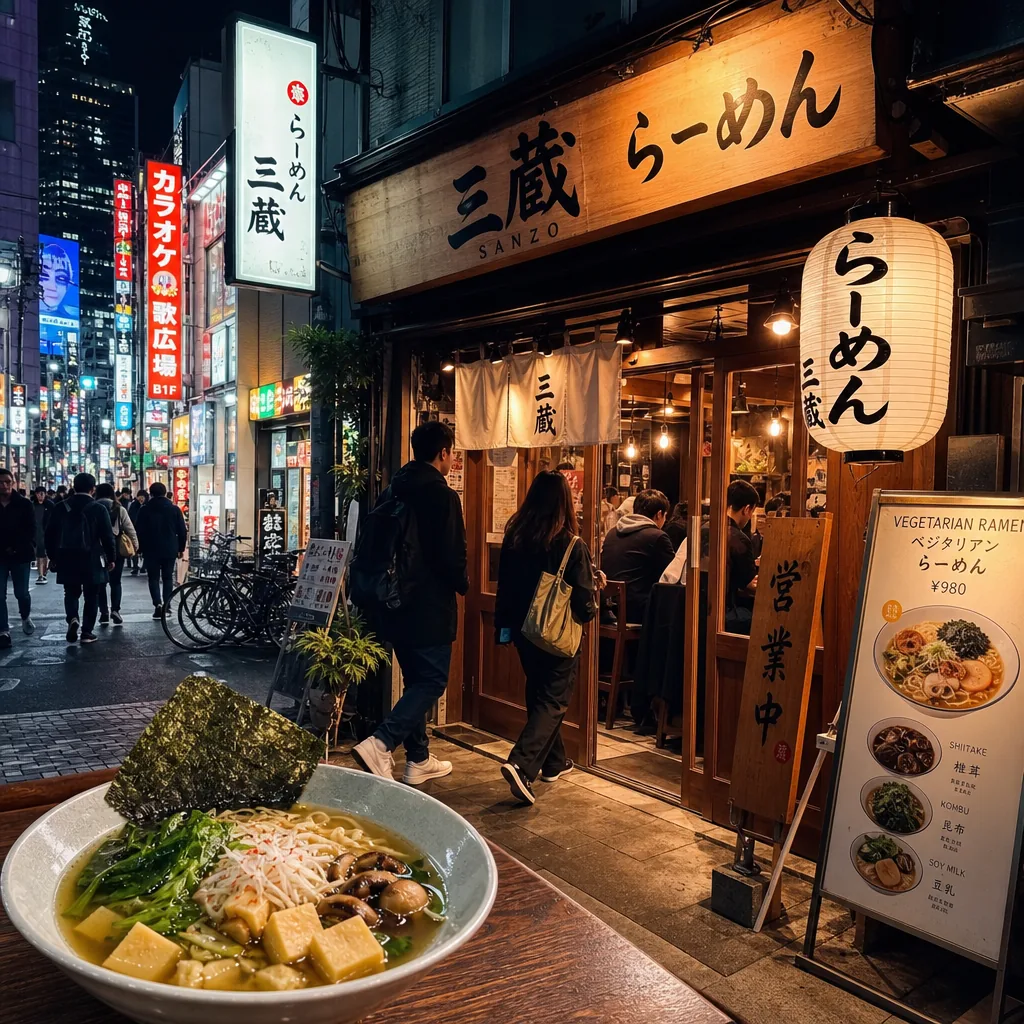
Find late-night vegetarian ramen in Tokyo by focusing on Shibuya, Shinjuku, and Roppongi, then verify broth, hours, and vegan menu details.