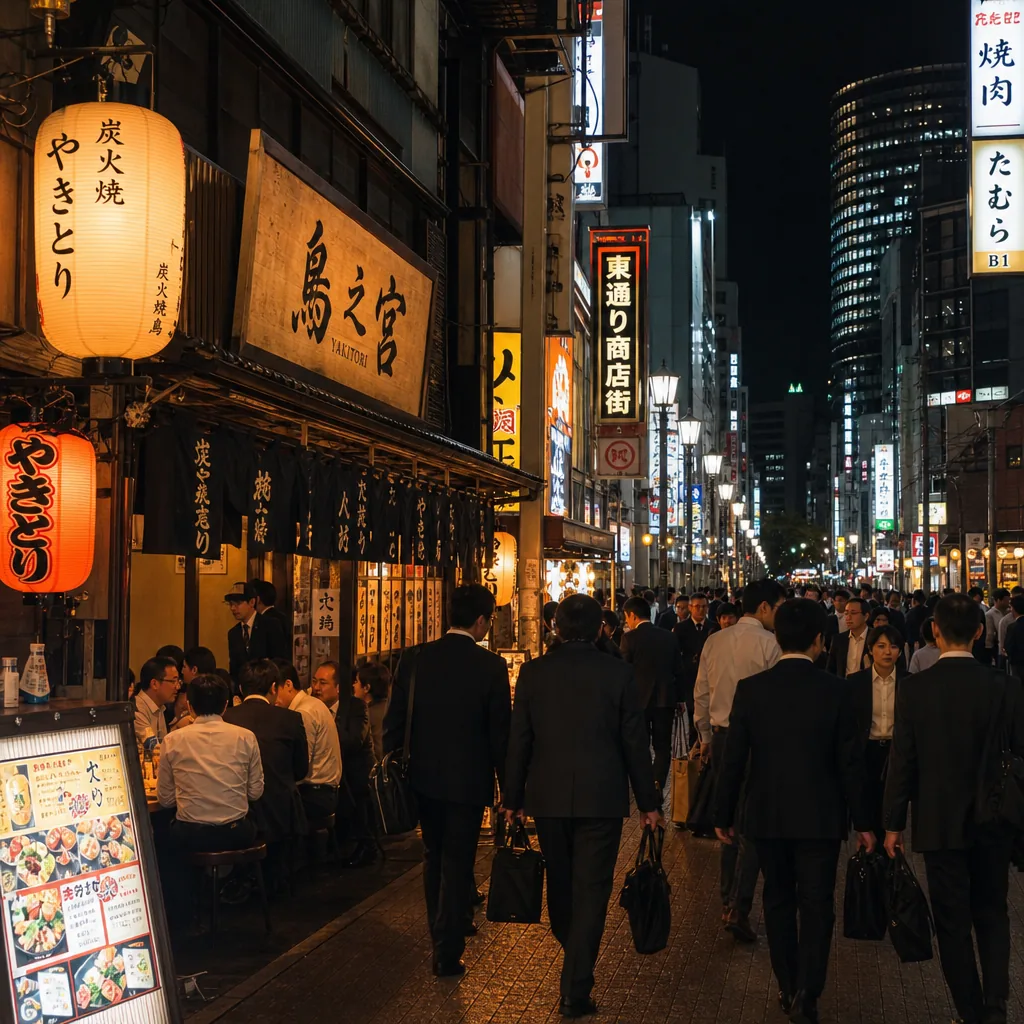
Where can I find english-friendly yakitori in Osaka after work?
Find English-friendly yakitori in Osaka after work by targeting Umeda, Namba, and Honmachi, plus booking sites and multilingual menus.
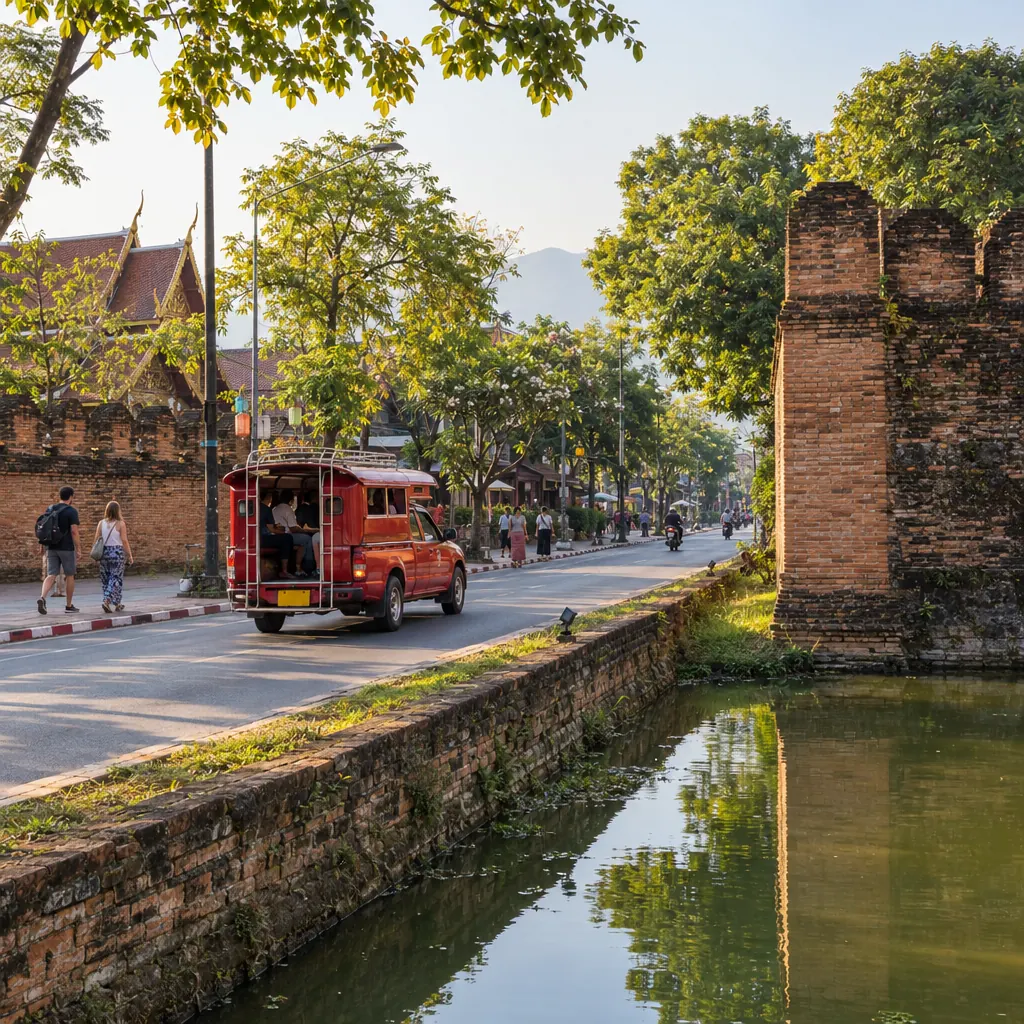
First-time travelers to Chiang Mai should plan around weather and air quality, check Thailand’s entry requirements, and choose a convenient base rather than pack every day with sightseeing. Start with Old City temples and northern Thai food, learn the basics of local transport and temple etiquette, and save a separate outing for the mountain temple of Wat Phra That Doi Suthep.[1]
November through February generally offers cooler conditions and is a popular visiting period. Expect hotter weather as the dry season progresses; the rainy season broadly runs from May through October. These are planning patterns, not guarantees: leave room to move outdoor sightseeing around the forecast.[1]
Air quality needs its own check. Smoke and elevated PM2.5 can affect Chiang Mai in the late dry season, often around February–April, but conditions vary by day and year. Check the Pollution Control Department’s Air4Thai service before booking outdoor-heavy days and again each morning. Do not assume a mountain viewpoint will have clear views simply because the weather looks sunny.[4]
Most non-Thai travelers entering Thailand must complete the free Thailand Digital Arrival Card, or TDAC. Use the Immigration Bureau’s official website and submit it within the permitted three-day window before arrival, following the dates shown there. The requirement applies to arrivals by air, land and sea, subject to listed exceptions.[2]
The TDAC is not a visa. Check your passport’s visa or visa-exemption eligibility separately through official Thai immigration or consular information before departure. Have your passport, travel details and Chiang Mai accommodation address ready when completing the form, and keep the confirmation accessible. Avoid paying an intermediary for a form that the official service provides free.[2]
Choose accommodation around the activities you will actually repeat, rather than the longest list of nearby attractions. Chiang Mai’s historic temples, shopping areas and evening markets offer different starting points for a first visit.[1]
Before booking, check the property’s exact map location and recent comments about noise. A neighborhood name alone does not tell you whether your room faces a busy road or whether the places you want to visit are comfortably walkable.
Chiang Mai International Airport publishes official transport information through Airports of Thailand. Check it shortly before arrival rather than relying on an old blog’s transfer price. Before accepting a ride, confirm the pickup location, destination and either the fare or how it will be calculated.[3]
Red songthaews, the shared pickup-style vehicles seen around Chiang Mai, are a familiar local option. Do not assume every vehicle follows a fixed route like a city bus: tell the driver your destination and agree on the price before boarding. Keep your accommodation’s map pin and address available to show the driver.[1]
Walk within compact sightseeing clusters, but use transport between more distant neighborhoods. Allow extra time for heat, uneven pavements and busy crossings. Trying to walk every connection can turn an otherwise relaxed day into an exhausting one.
At Wat Phra Singh, Wat Chedi Luang and other temples, wear clothing that covers shoulders and knees. Remove shoes where required, follow posted photography rules and avoid pointing your feet toward Buddha images. These are active religious places, so keep your voice low and give worshippers space.[1]
Ask permission before photographing people, including monks. A light layer is useful for covering up, but check your full outfit before leaving your accommodation rather than assuming a scarf solves every dress requirement.
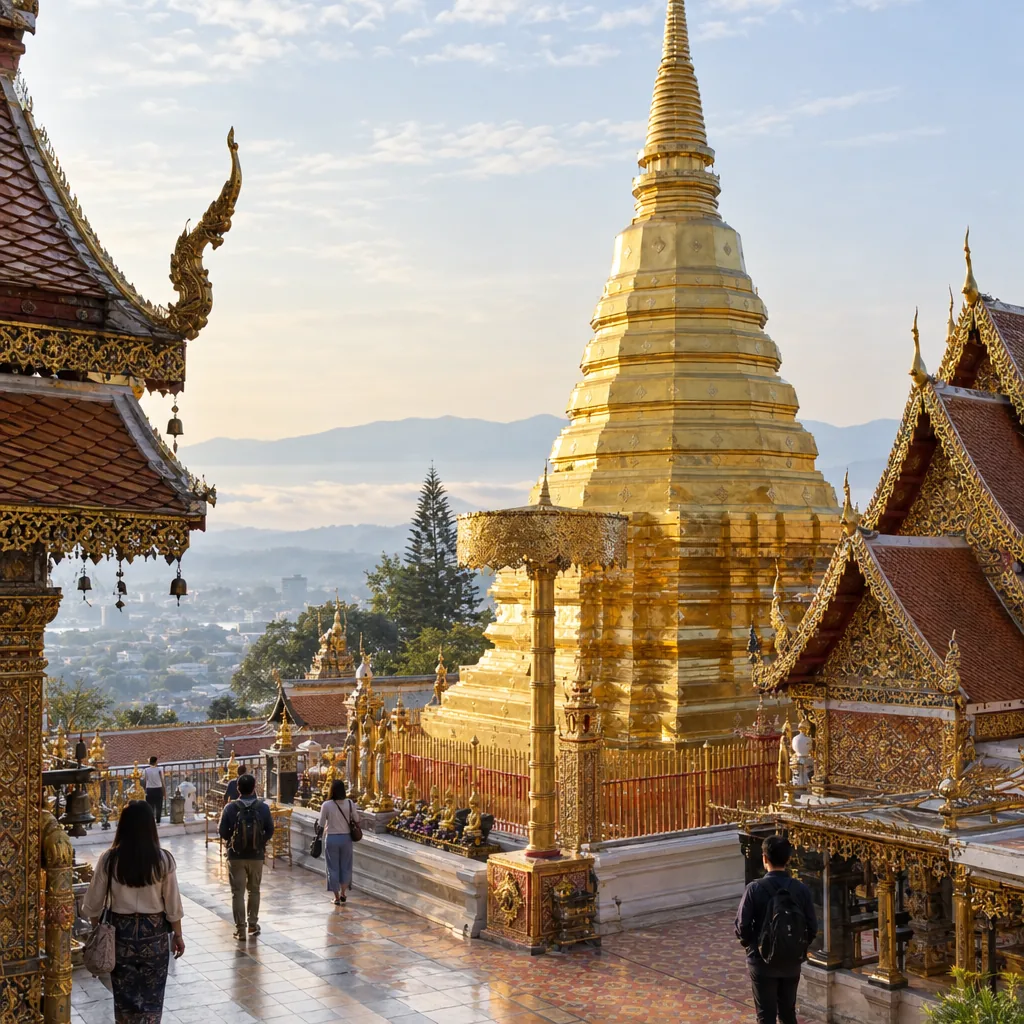
Wat Phra That Doi Suthep is a mountain excursion, not another Old City stop. Allow separate travel time and check weather and Air4Thai before going, especially if views are your main reason for visiting.[1][4]
Try khao soi, a curry noodle dish, and sai ua, a seasoned northern Thai sausage. Chiang Mai’s food is a reason to leave gaps between sightseeing stops rather than treating meals as an afterthought.[1]
Ask about spice levels and ingredients before ordering. Do not assume a vegetable-looking dish is vegetarian or that a kitchen can safely accommodate an allergy; explain your needs clearly and choose another option if the answer is uncertain.
Carry some Thai baht for small food stalls, markets and local transport. Ask about card acceptance before ordering or buying. A displayed Thai QR-payment code does not automatically mean your overseas banking app can use it, so keep a backup payment method.
Check current opening arrangements and market schedules before setting out. Keeping one flexible block in your itinerary makes it easier to respond to rain, smoke or simply finding somewhere you want to linger.
CallButler is a multilingual concierge service that handles research, coordination, and bookings so you do not have to navigate language barriers or unfamiliar systems alone. If you need help related to What should first-time travelers know before visiting Chiang Mai? or the tasks around it, our team can step in to manage the details and keep things moving smoothly.
Find English-friendly yakitori in Osaka after work by targeting Umeda, Namba, and Honmachi, plus booking sites and multilingual menus.
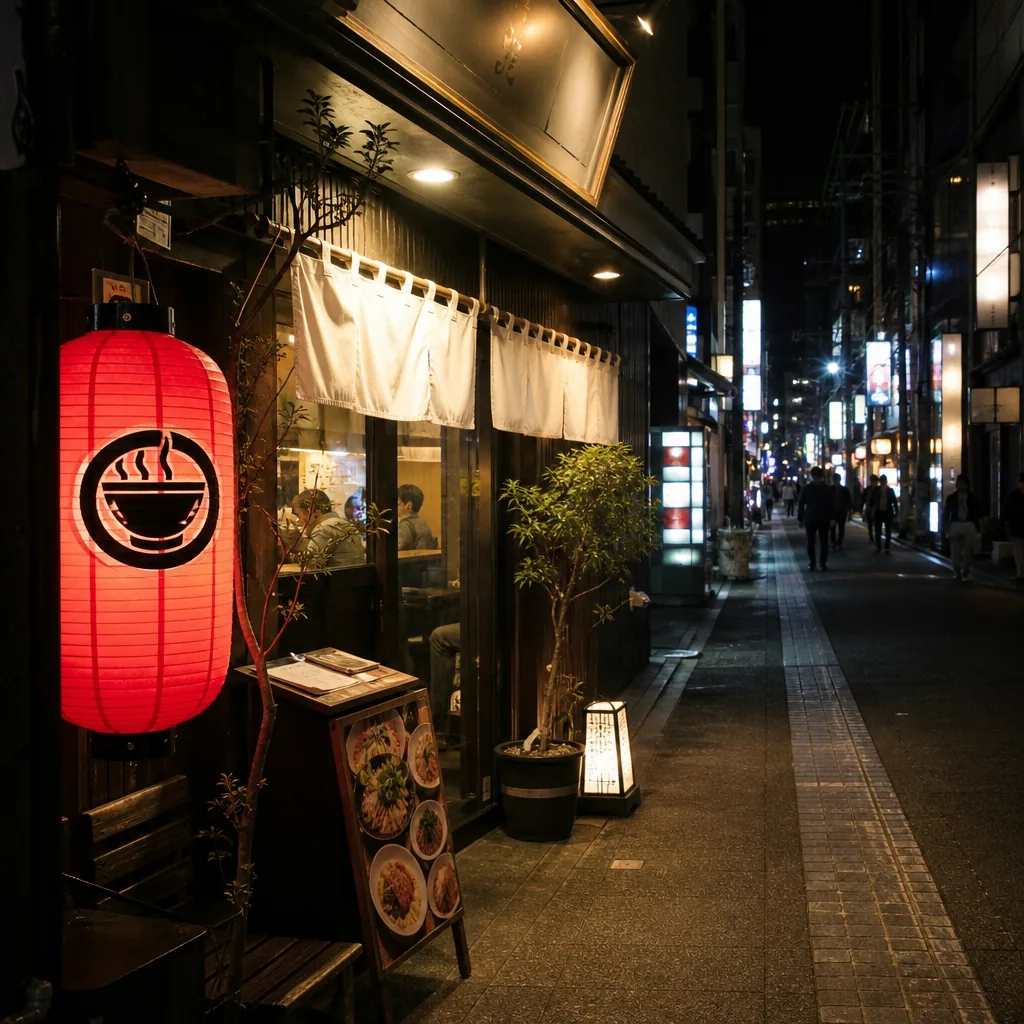
Looking for halal ramen in Kyoto after 10 p.m.? Here’s where to check, which areas are most practical, and how to verify hours and halal status.
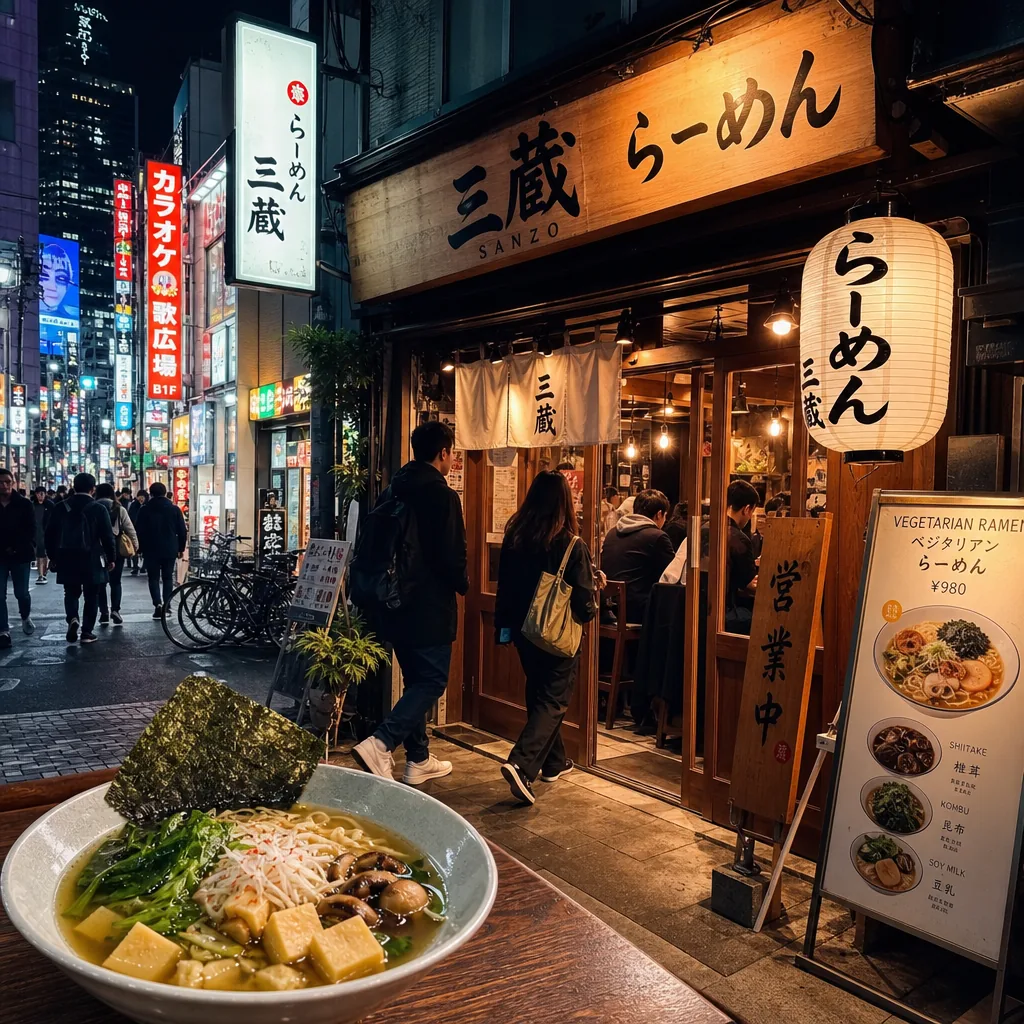
Find late-night vegetarian ramen in Tokyo by focusing on Shibuya, Shinjuku, and Roppongi, then verify broth, hours, and vegan menu details.