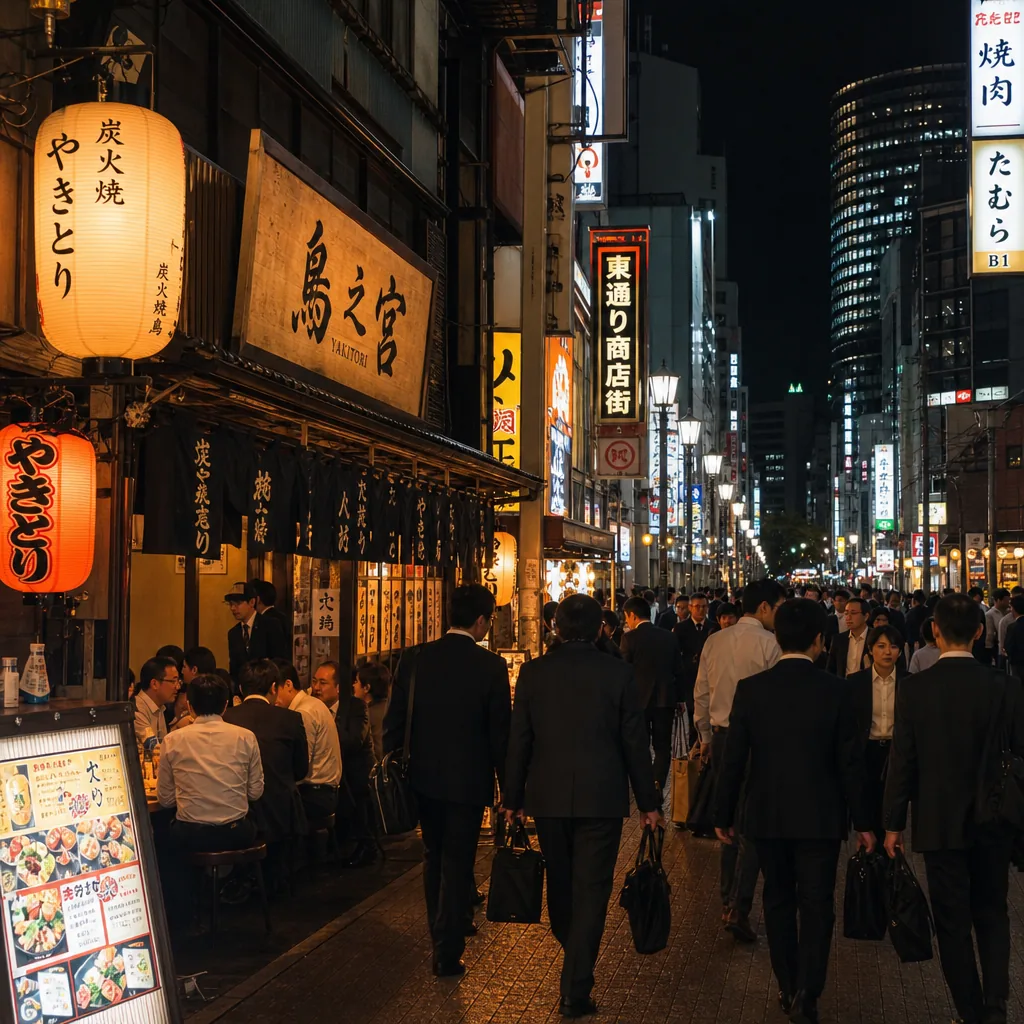
Where can I find english-friendly yakitori in Osaka after work?
Find English-friendly yakitori in Osaka after work by targeting Umeda, Namba, and Honmachi, plus booking sites and multilingual menus.
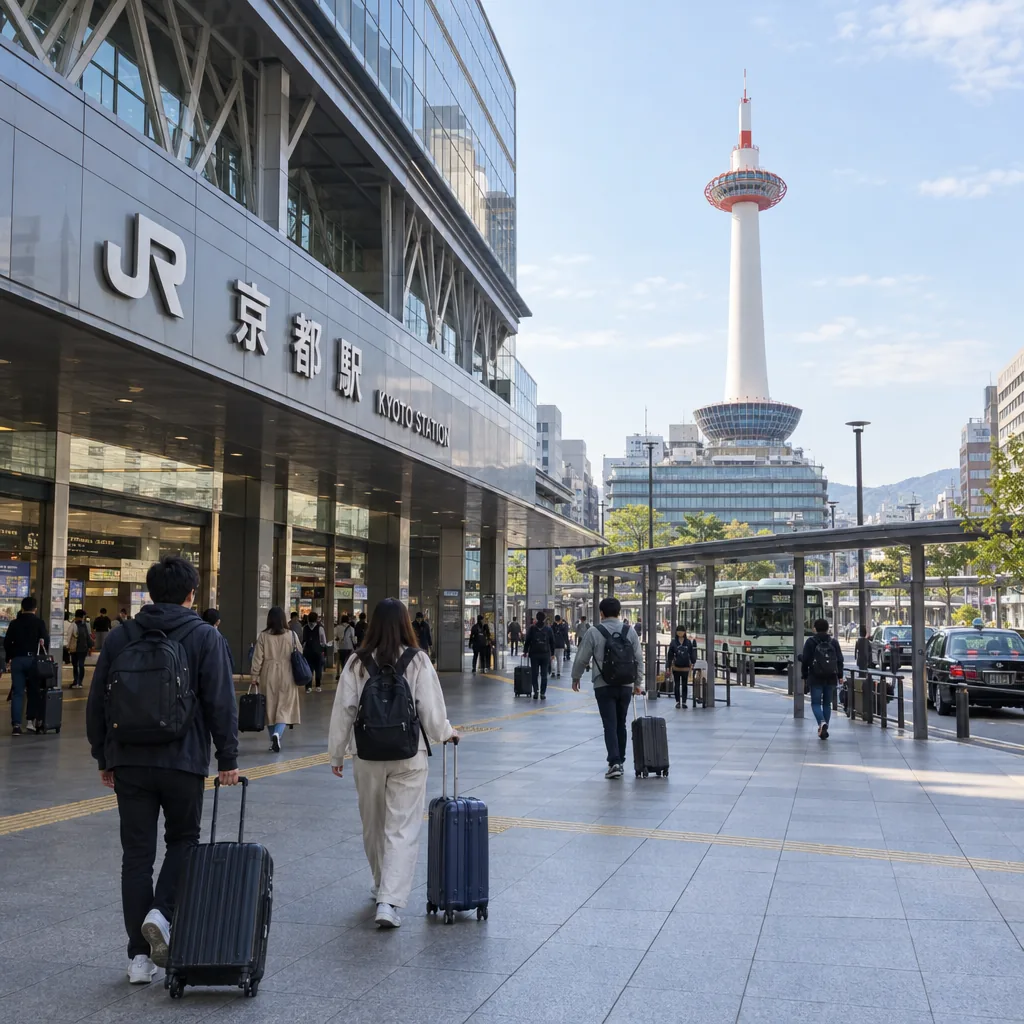
Kyoto Station hotels are a practical choice for first-time travelers who want straightforward arrivals and convenient rail connections, but choosing the right side of the station matters. Compare the actual route to the hotel, luggage arrangements and room specifications—not just the advertised distance—and expect transport journeys to Kyoto’s main sightseeing districts.
Yes, particularly if your plans involve several train journeys. Kyoto Station brings together JR services, the Tokaido Shinkansen, Kintetsu Railway and the Kyoto Municipal Subway Karasuma Line, making the area useful for travelers who prioritize transport connections. The official station map is a better starting point than a hotel search map because it shows how the different railway facilities fit together. [1]
The trade-off is atmosphere and sightseeing access. This is a busy transport district, not the same location as Gion or the traditional sightseeing streets of Higashiyama. Choose it because it simplifies your itinerary, rather than because you expect every famous sight outside your door. Before booking, map two or three journeys you actually intend to make.
The north side is generally described as the Karasuma or Kyoto Tower side. It faces the main station forecourt and a major concentration of city-bus boarding points. If you expect to use buses, check the relevant boarding location against your hotel’s entrance rather than assuming every north-side property is equally convenient. [1][4]
The south side is the Hachijo side, with the Shinkansen facilities toward this part of the station complex. A hotel here can simplify arrival with luggage, but convenience still depends on the gate you use and the pedestrian route onward. “Near Kyoto Station” does not tell you which side you will need. [1]
Kyoto Station is a large, multilevel complex. A short straight-line distance can conceal an inconvenient route involving a different exit, a road crossing or a search for a lift. With suitcases, the useful measurement is the complete walk from your arrival gate to the hotel entrance—not the distance between two map pins. [1]
Two hotels illustrate different access arrangements. Hotel Granvia Kyoto is situated within the Kyoto Station building; its official access page provides directions for reaching the hotel. Miyako Hotel Kyoto Hachijo is opposite the station’s Hachijo side, with its own approach shown on the hotel’s access page. These are location examples, not a ranking: being inside the station and being across from it involve different arrival routes. [2][3]
Save the hotel’s access instructions and street address before traveling. If you need step-free access, check lift locations on the station map and ask the hotel which route it recommends with luggage. Do not assume the shortest-looking path is the easiest one. [1]
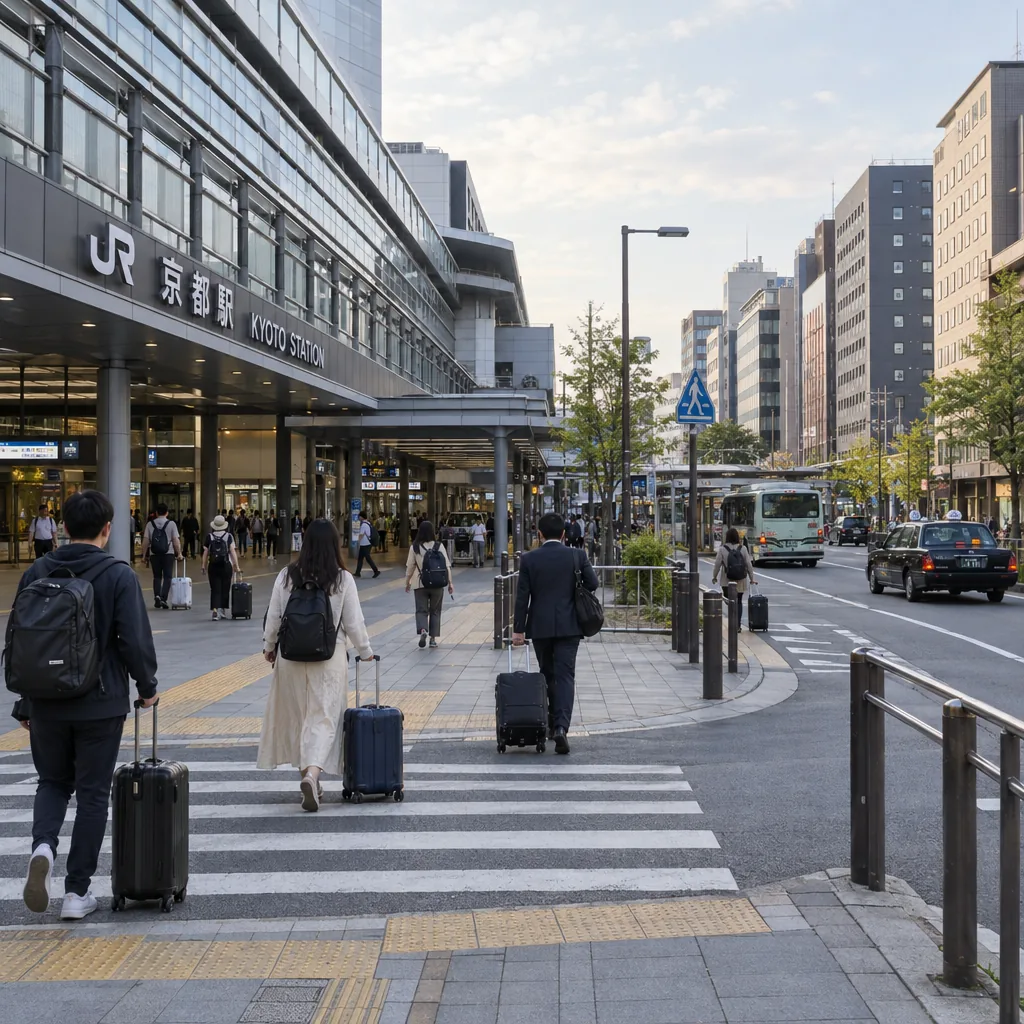
Plan sightseeing journeys individually. The Karasuma subway line runs north–south through central Kyoto, but it is not a direct connection to every sightseeing area. Other journeys may involve a different railway, a transfer, a bus or a walk. Kyoto City’s official Bus & Subway Information Guide provides route maps and ticket information for planning these trips. [4]
For example, distinguish between reaching a useful transport stop and reaching your actual destination in Higashiyama. Include the final walk when comparing routes. Likewise, a north-side hotel may put you nearer the main bus forecourt, but you still need to identify the correct service and boarding point. [4]
Build one realistic sightseeing day before choosing the hotel. Note your departure point, any transfer and the final walking leg. This gives you a more meaningful comparison than a booking platform’s general location score.
Separate luggage planning from check-in planning. Ask whether your hotel accepts bags before check-in and after check-out, whether storage costs extra, and whether size or collection-time restrictions apply. Treat these as questions to confirm, not benefits automatically included with a station-area booking.
Kyoto’s official Hands Free Travel website lists luggage-storage and delivery options. Use it to identify a specific service, then check that operator’s opening hours, accepted luggage, availability and delivery conditions. A service listing does not mean every bag can be delivered to every hotel on the same day. [5]
For an arrival-day sightseeing plan, confirm the bag drop first and leave time for collection. If delivery is essential, verify both the operator’s conditions and the hotel’s willingness to receive the bags before committing to the arrangement.
Once the location works, compare the actual room and booking terms. Use this final checklist:
The best Kyoto Station hotel for your first visit is the one whose access, room and policies match your plans—not necessarily the one advertised as closest.
CallButler is a multilingual concierge service that handles research, coordination, and bookings so you do not have to navigate language barriers or unfamiliar systems alone. If you need help related to What should first-time travelers know about Kyoto station area hotels? or the tasks around it, our team can step in to manage the details and keep things moving smoothly.
Find English-friendly yakitori in Osaka after work by targeting Umeda, Namba, and Honmachi, plus booking sites and multilingual menus.
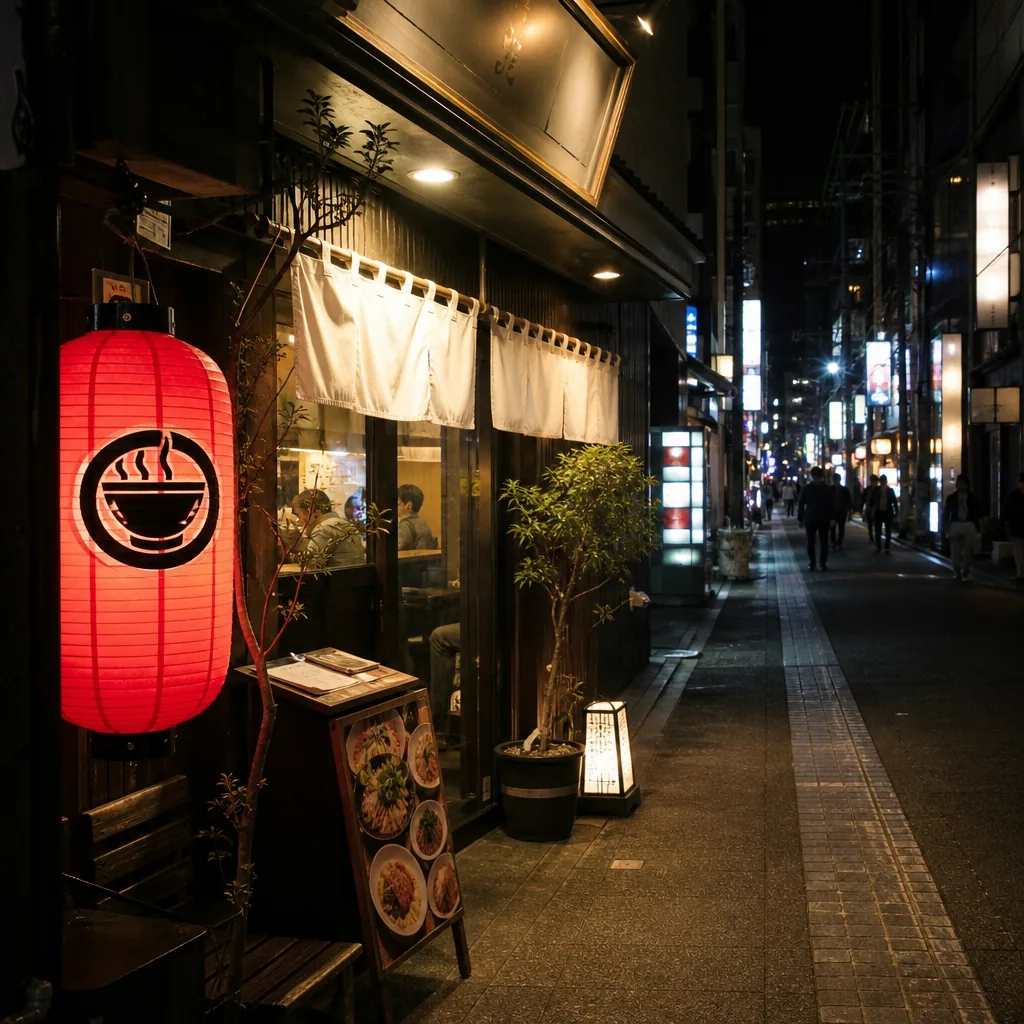
Looking for halal ramen in Kyoto after 10 p.m.? Here’s where to check, which areas are most practical, and how to verify hours and halal status.
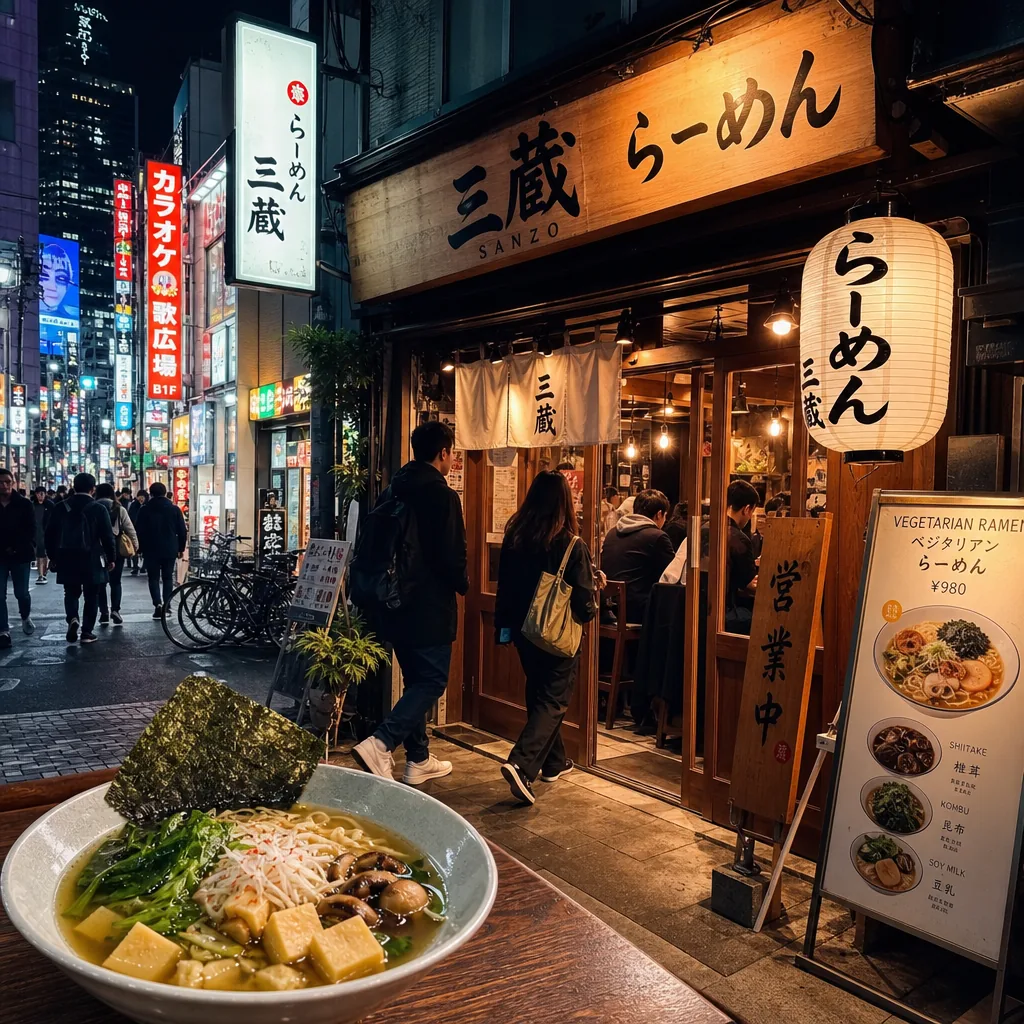
Find late-night vegetarian ramen in Tokyo by focusing on Shibuya, Shinjuku, and Roppongi, then verify broth, hours, and vegan menu details.