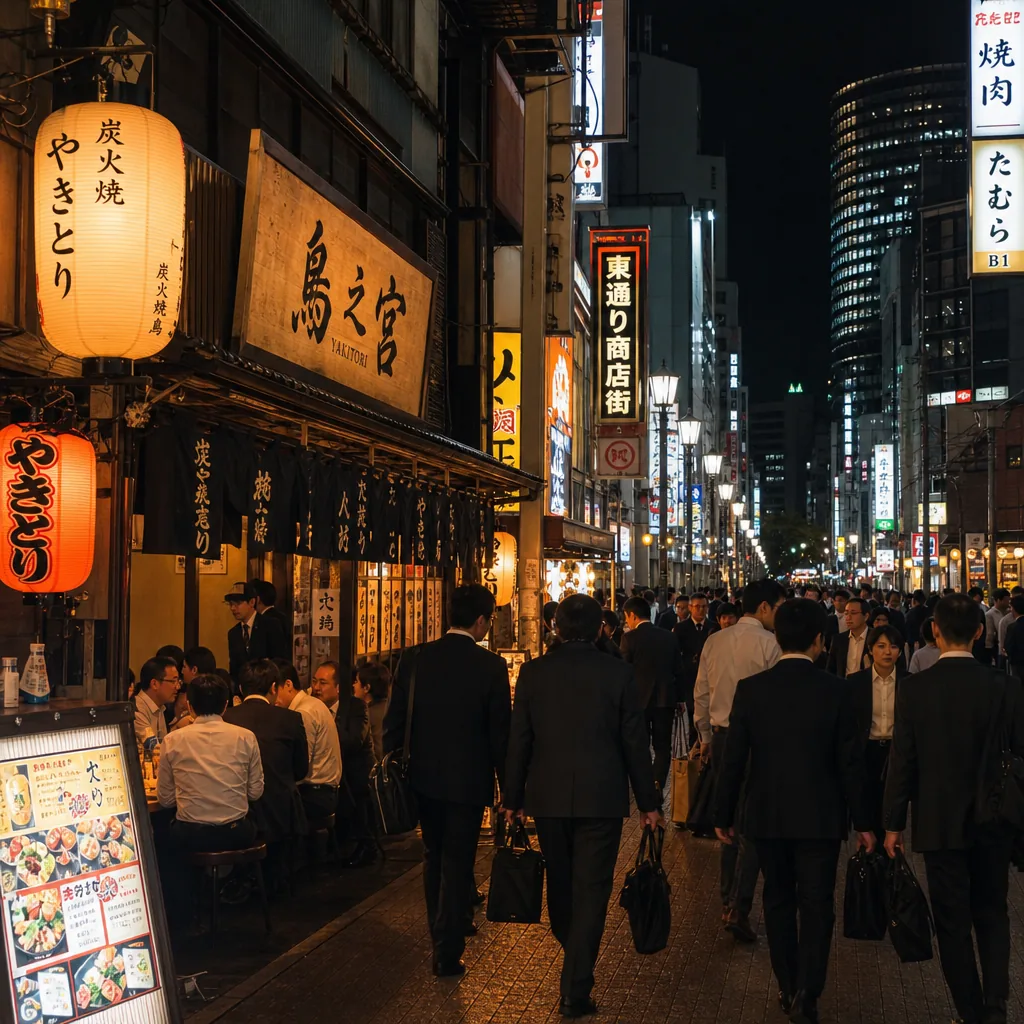
Where can I find english-friendly yakitori in Osaka after work?
Find English-friendly yakitori in Osaka after work by targeting Umeda, Namba, and Honmachi, plus booking sites and multilingual menus.
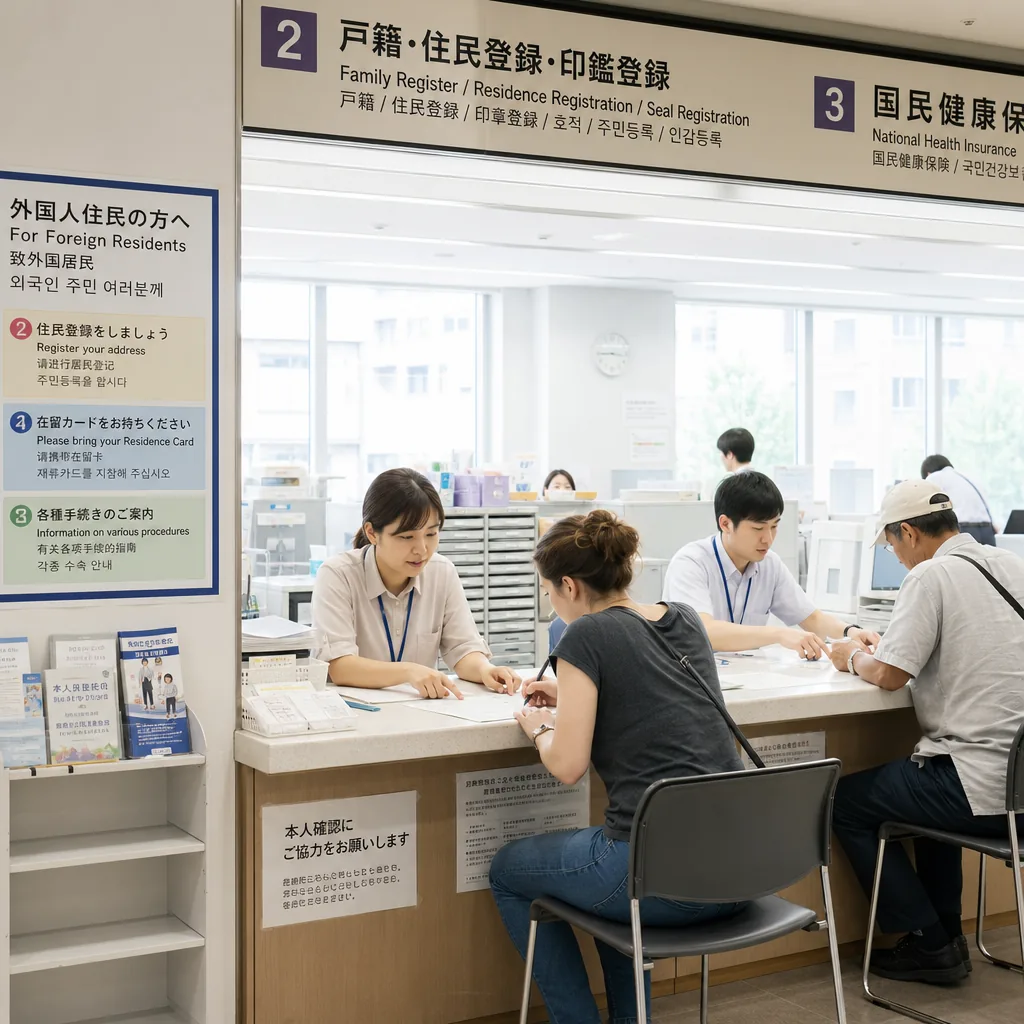
If you have just moved to Tokyo, the answer is yes: your ward office is usually where you handle the most important day-to-day paperwork, starting with resident registration and address changes. The key is to act quickly, because many notifications must be filed within 14 days of moving, and the exact documents can vary a little by ward [1][2].
In Tokyo, the ward office is the local administrative counter for many procedures that affect expats’ daily lives. Even though the rules come from national law, the ward is often where you submit or update records for your address, My Number information, National Health Insurance, and some family-related benefits [1][2][3][4].
For example, Shinjuku City’s foreign-language guidance separates resident registry procedures from other services and points users to the relevant counter for each task [5]. That is typical across Tokyo wards: one building may handle several different systems, but not always at the same desk.
The most common task is resident registration. The Ministry of Internal Affairs and Communications explains that resident registration records are the basis for many local services, and moving in, out, or within a municipality requires a notification [2]. Tokyo’s guidance states that moving procedures should be completed within 14 days of the move date [1].
Typical procedures include:
My Number matters because the Tokyo Metropolitan Government notes that My Number cards and notification cards are linked to resident records, so an address change should be reported promptly to keep your information current [3].
At minimum, bring your residence card, passport, and any My Number card or notification card you have. Tokyo ward offices often ask for proof connected to the move, such as a moving-out certificate when applicable, and some procedures may also require a seal if you use one [1][3][5].
For resident registration, timing is important. Tokyo’s resident-registration guidance says to notify the ward office within 14 days after moving in, moving out, or changing addresses within the city [1]. If you miss that window, you may be asked to return with additional explanations or documents, which can slow down access to insurance, school, or other follow-up procedures.
National Health Insurance is another common filing. The Japan National Health Insurance Association explains that the system is managed locally and covers people who are not enrolled in employer insurance [4]. In practice, that means many expats working freelance, studying, or between jobs need to enroll or update their coverage at the ward office soon after their residence status changes.
Preparation matters because ward offices are efficient, but they are not set up for guesswork. Before you go, check your specific ward’s English or multilingual website, confirm the opening hours, and print any forms you can complete in advance. Shinjuku City’s foreign-language pages are a good example of how wards publish separate guidance for moving, insurance, and other procedures [5].
Bring all original documents plus copies if the ward requests them. If a family member is moving with you, collect everyone’s residence cards and any papers showing the family relationship, because wards may need these for household registration or child-related benefits [1][5].
It also helps to know which counter you need. Many Tokyo ward offices have separate sections for resident registry, health insurance, pension, child allowances, and tax-related paperwork. Arriving with the correct forms reduces the chance of being sent from one window to another.
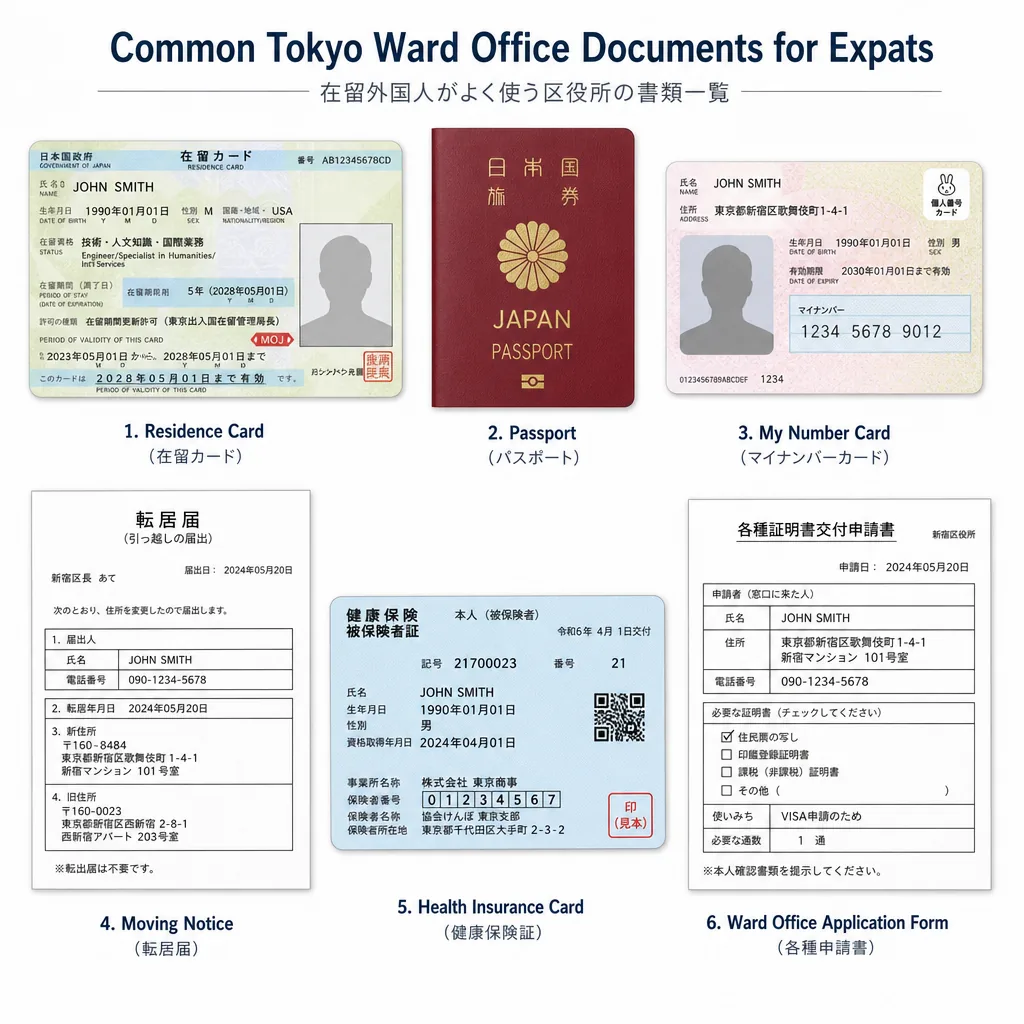
The most common problem is incomplete documentation. Because the exact request can differ by ward and by procedure, a document accepted in one office may not be enough in another [1][5]. For example, a ward may accept one form of move-related proof for resident registration but ask for an additional paper when you enroll in National Health Insurance.
Another frequent issue is missing the deadline. If your address changes and you delay resident registration, your My Number details may also become outdated, since those records are connected [3]. The safest approach is to handle the ward-office visit soon after moving, not after you have settled in completely.
Proxy filing can help when you are busy, but it is not automatic. Wards often require a signed authorization form and copies of identification for both the applicant and the proxy. If you are sending a spouse, roommate, or employer representative, confirm the ward’s rules in advance rather than assuming they can submit papers on your behalf.
Start with your ward’s official website. Tokyo Metropolitan Government provides English guidance on resident registration and My Number procedures, while individual wards such as Shinjuku City publish foreign-language pages that explain where to file moving-related paperwork [1][3][5].
If you are unsure where to begin, look for the section labeled “resident registration,” “moving procedures,” “My Number,” or “National Health Insurance.” Those are the most common entry points for new residents. If your ward has multilingual pages, use them, but remember that the local counter still has final responsibility for processing your documents [1][5].
For most expats, the practical rule is simple: visit your ward office early, bring more documents than you think you need, and treat every address change as something that should be reported immediately. In Tokyo, that habit prevents a lot of follow-up trips and keeps your resident record, insurance, and My Number information aligned [1][2][3][4].
CallButler is a multilingual concierge service that handles research, coordination, and bookings so you do not have to navigate language barriers or unfamiliar systems alone. If you need help related to What should expats know about Tokyo ward office paperwork? or the tasks around it, our team can step in to manage the details and keep things moving smoothly.
Find English-friendly yakitori in Osaka after work by targeting Umeda, Namba, and Honmachi, plus booking sites and multilingual menus.
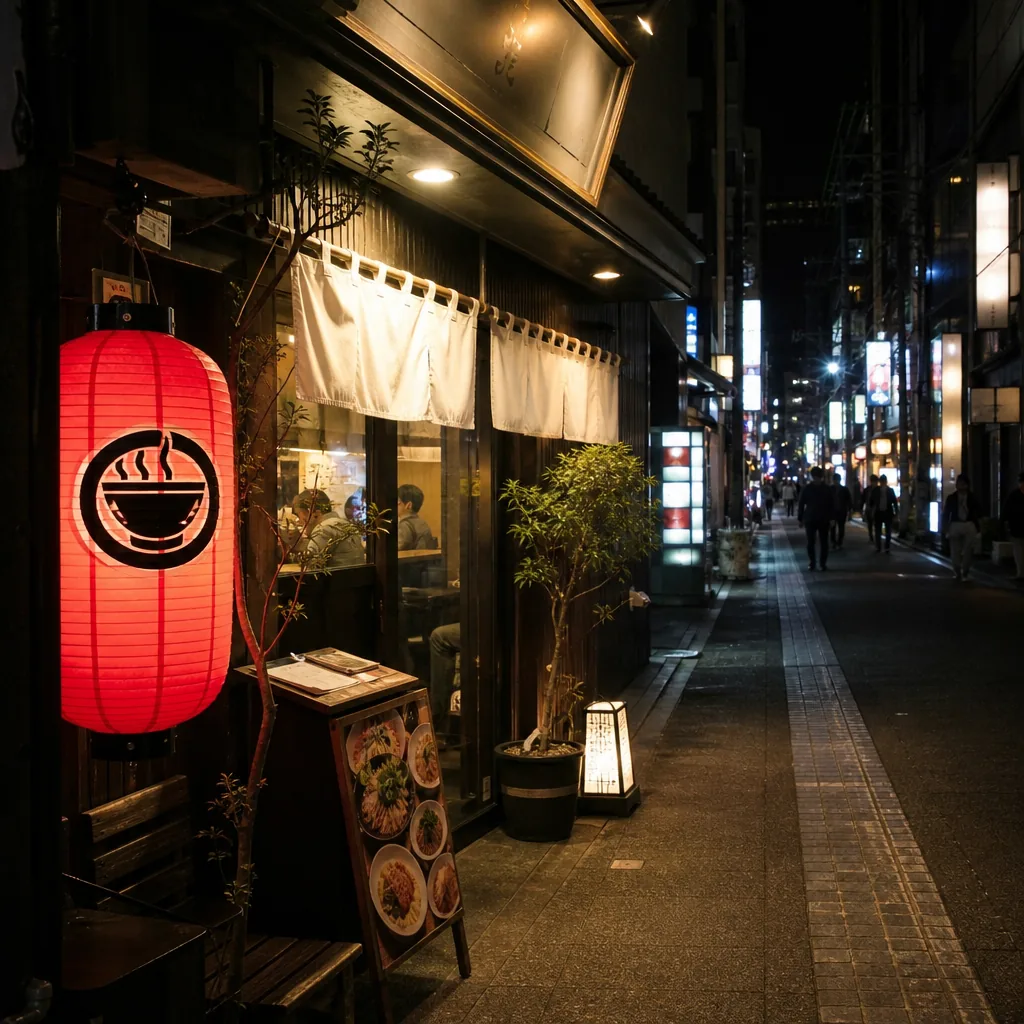
Looking for halal ramen in Kyoto after 10 p.m.? Here’s where to check, which areas are most practical, and how to verify hours and halal status.
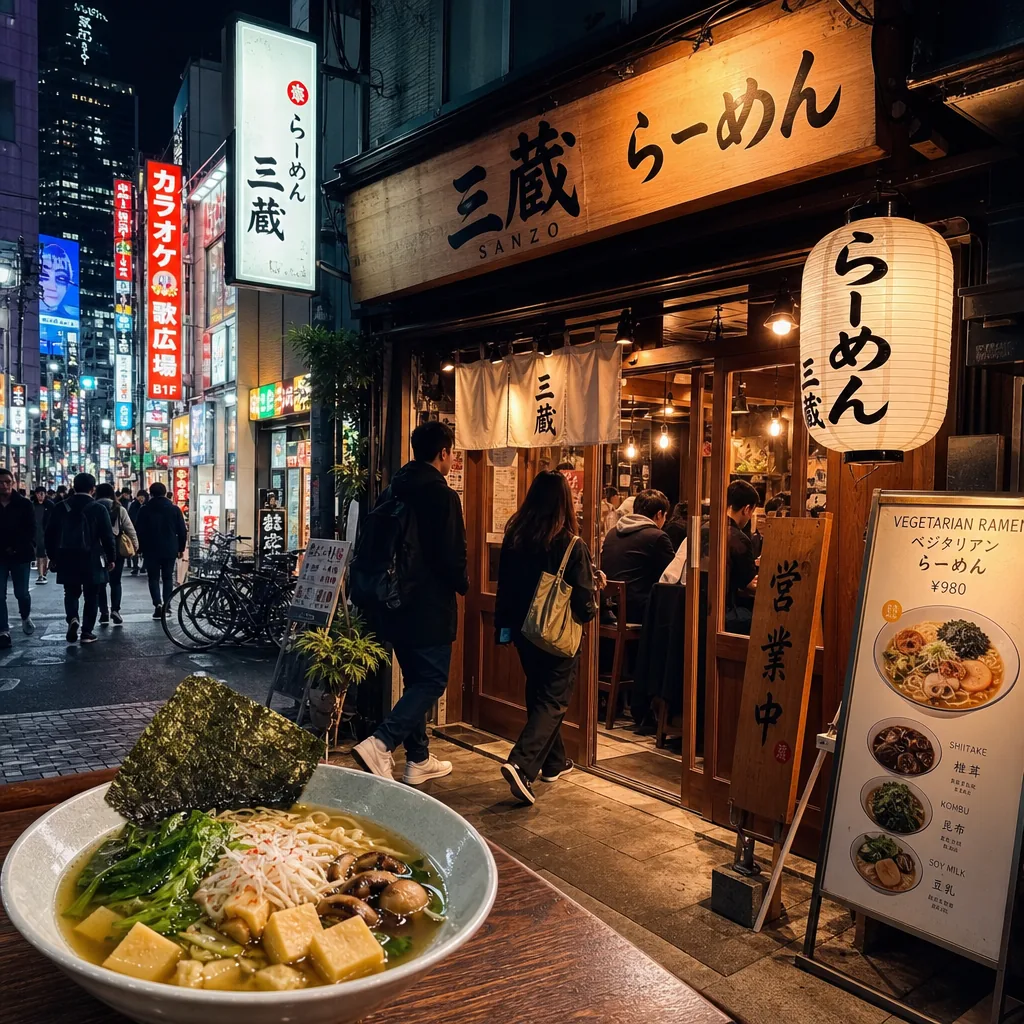
Find late-night vegetarian ramen in Tokyo by focusing on Shibuya, Shinjuku, and Roppongi, then verify broth, hours, and vegan menu details.