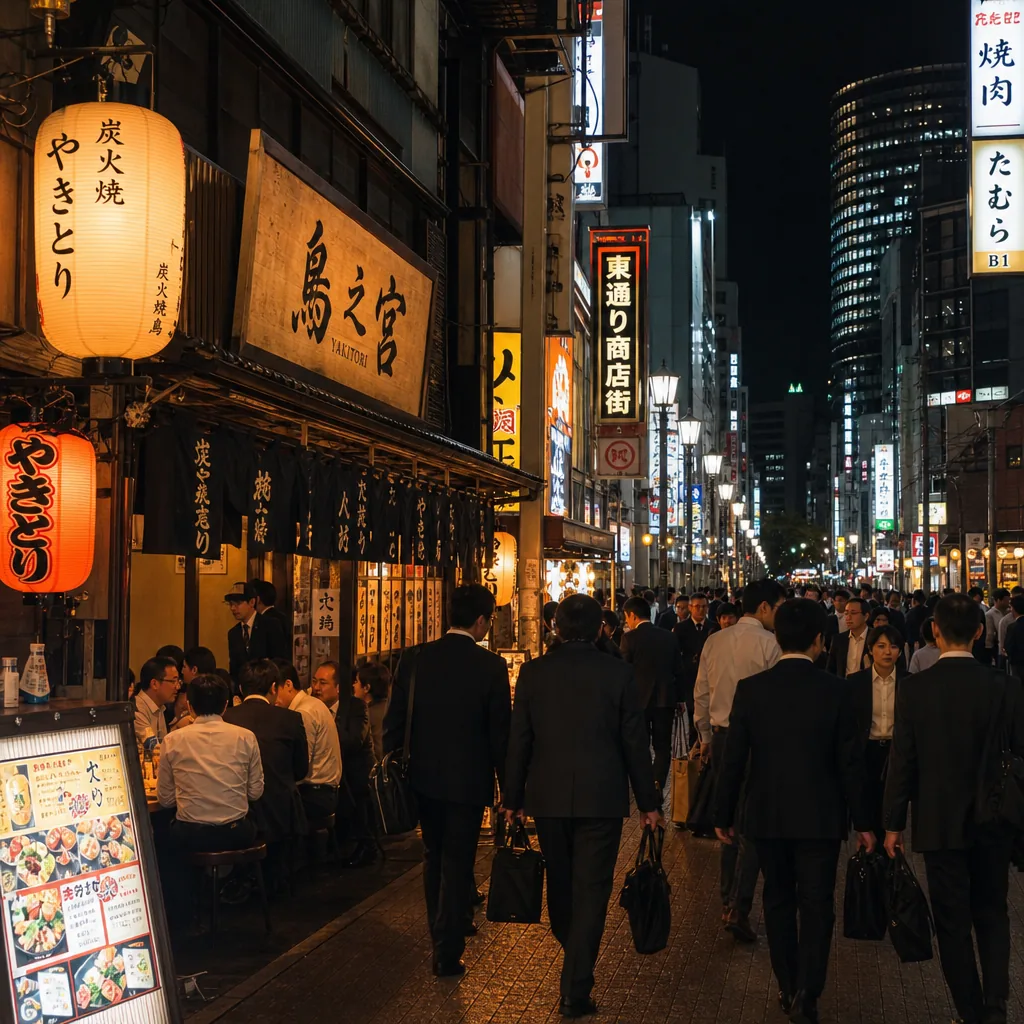
Where can I find english-friendly yakitori in Osaka after work?
Find English-friendly yakitori in Osaka after work by targeting Umeda, Namba, and Honmachi, plus booking sites and multilingual menus.
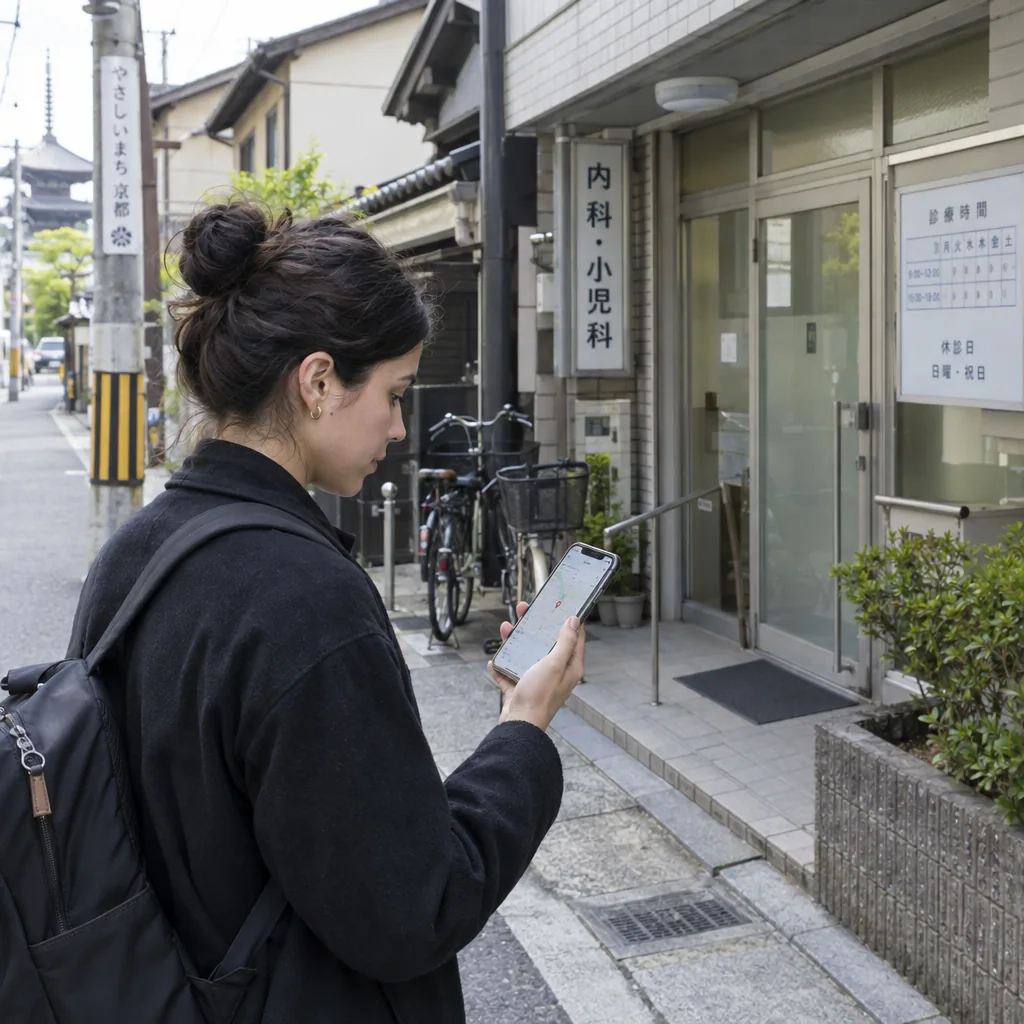
Expats looking for English-speaking clinics in Kyoto should start with Japan’s official Medical Information Net (NAVII) and JNTO’s medical-institution search, then contact shortlisted clinics directly. Confirm that the right doctor can consult in English, whether you need an appointment, and how the clinic handles your insurance; an English website alone does not guarantee English service throughout your visit. [1][2]
NAVII, operated by the Ministry of Health, Labour and Welfare, lets you search for medical institutions and review information such as specialties, consultation hours and supported languages. Search for Kyoto City rather than relying on a broad prefecture-level result, and check each institution’s address before planning your journey. [1]
JNTO’s medical-institution search is another official starting point. Although its guidance is aimed at visitors, residents can use the directory to identify possibilities and then verify the arrangements directly. Kyoto Prefecture includes locations outside Kyoto City, so a result labeled “Kyoto” is not necessarily a convenient neighborhood option. [2]
Treat directory entries as a shortlist, not a promise of immediate English-language care. A doctor may speak English while reception staff do not, or English consultations may depend on the doctor’s schedule. Ask specifically about the consultation you need, rather than simply asking whether the clinic “has English.” [1][2]
A useful message is: “I am a new patient living in Kyoto. I have [symptoms] and would like an appointment on [date]. I need an English-speaking doctor and have [Japanese public health insurance/private insurance/no insurance]. Can you see me, and what should I bring?”
Keep the reply or write down the instructions. If the clinic cannot provide the language support you need, continue searching before making the trip.
For a routine, non-emergency problem, look first for a neighborhood clinic with the appropriate specialty. This gives you a practical starting point without assuming that a large hospital is the easiest place for a first consultation. JNTO’s guidance explains the distinction between clinics and larger medical institutions, including the role of referrals. [2]
Kyoto University Hospital is a major specialist hospital, not simply an English-speaking walk-in clinic. Before attending, read its official patient information and check the relevant department’s appointment, referral and international-patient procedures. An English-language hospital website should not be interpreted as confirmation that you can arrive without arrangements and receive an English consultation that day. [4]
If you already have a referral, tell the receiving institution when booking and ask how to submit it. If you do not, ask whether one is required and whether attending without one affects the charges. [2][4]
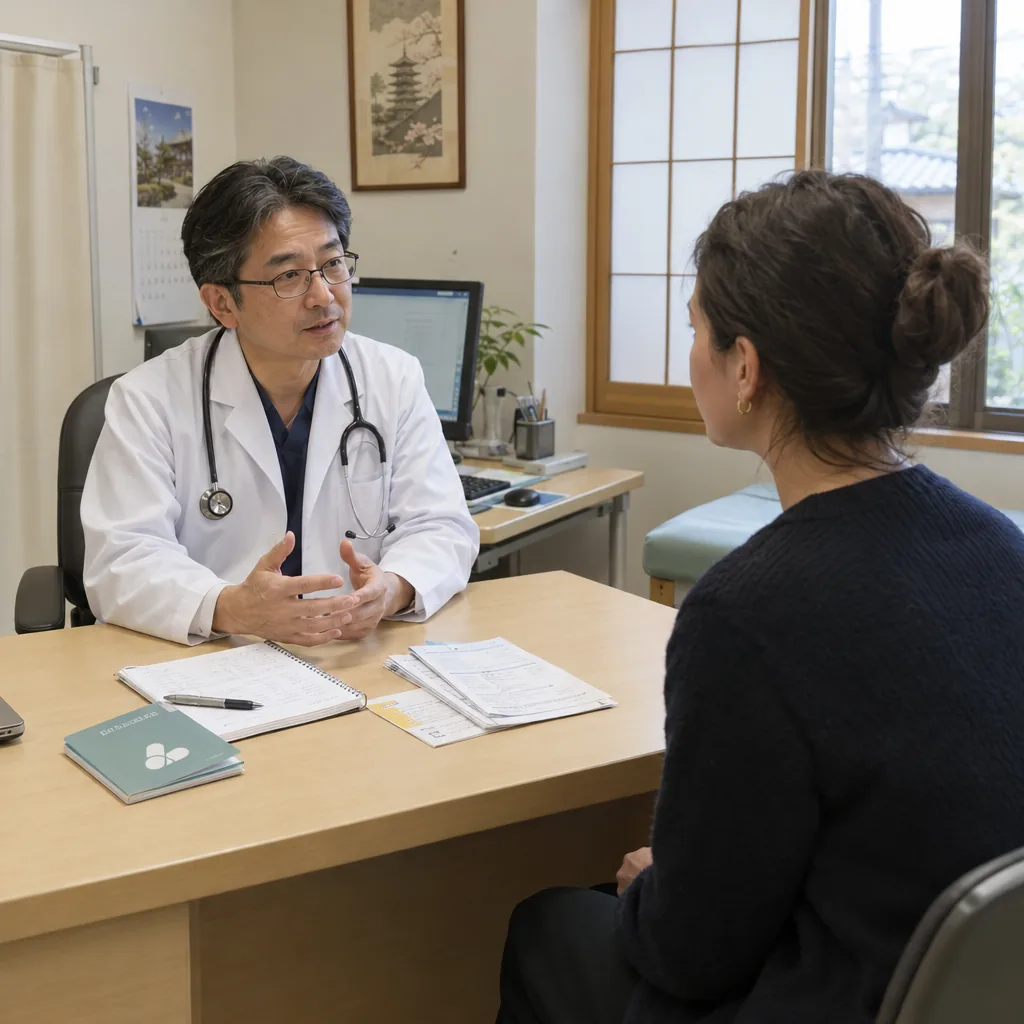
For many working-age patients enrolled in Japanese public health insurance, the usual patient share for covered treatment is 30%. Age, income and treatment type can change that share, and services outside insurance coverage are charged separately. Do not treat the 30% figure as a universal price estimate. [2]
Prepare these items before leaving home:
Tell the clinic which insurance you hold. Travel or international insurance does not automatically mean the clinic will bill your insurer directly: ask whether you must pay first and request reimbursement yourself. Confirm payment methods and request any receipts or documents your insurer requires. [2]
The Kyoto City International Foundation’s multilingual website is a useful local resource for living information and consultation services. Its information also covers kokoka Kyoto International Community House, giving residents a named local starting point when they need help understanding which support service to approach. [3]
Explain your actual difficulty: finding a suitable institution, understanding booking instructions or identifying language assistance. Ask what help is available and whether advance arrangements are necessary. Do not assume that contacting the foundation guarantees a medical interpreter for every appointment. [3]
For a medical emergency in Kyoto, call 119 for an ambulance rather than continuing an online clinic search. Give your location and describe what has happened as clearly as possible. JNTO’s emergency guidance explains ambulance access and seeking medical assistance. [2]
For a problem needing prompt attention that is not an emergency, check current opening hours and telephone the institution before traveling. Ordinary clinic hours are not evidence of emergency-service availability, and an English-language listing does not guarantee an English-speaking clinician is on duty. [1][2]
CallButler is a multilingual concierge service that handles research, coordination, and bookings so you do not have to navigate language barriers or unfamiliar systems alone. If you need help related to What should expats know about finding English clinics in Kyoto? or the tasks around it, our team can step in to manage the details and keep things moving smoothly.
Find English-friendly yakitori in Osaka after work by targeting Umeda, Namba, and Honmachi, plus booking sites and multilingual menus.
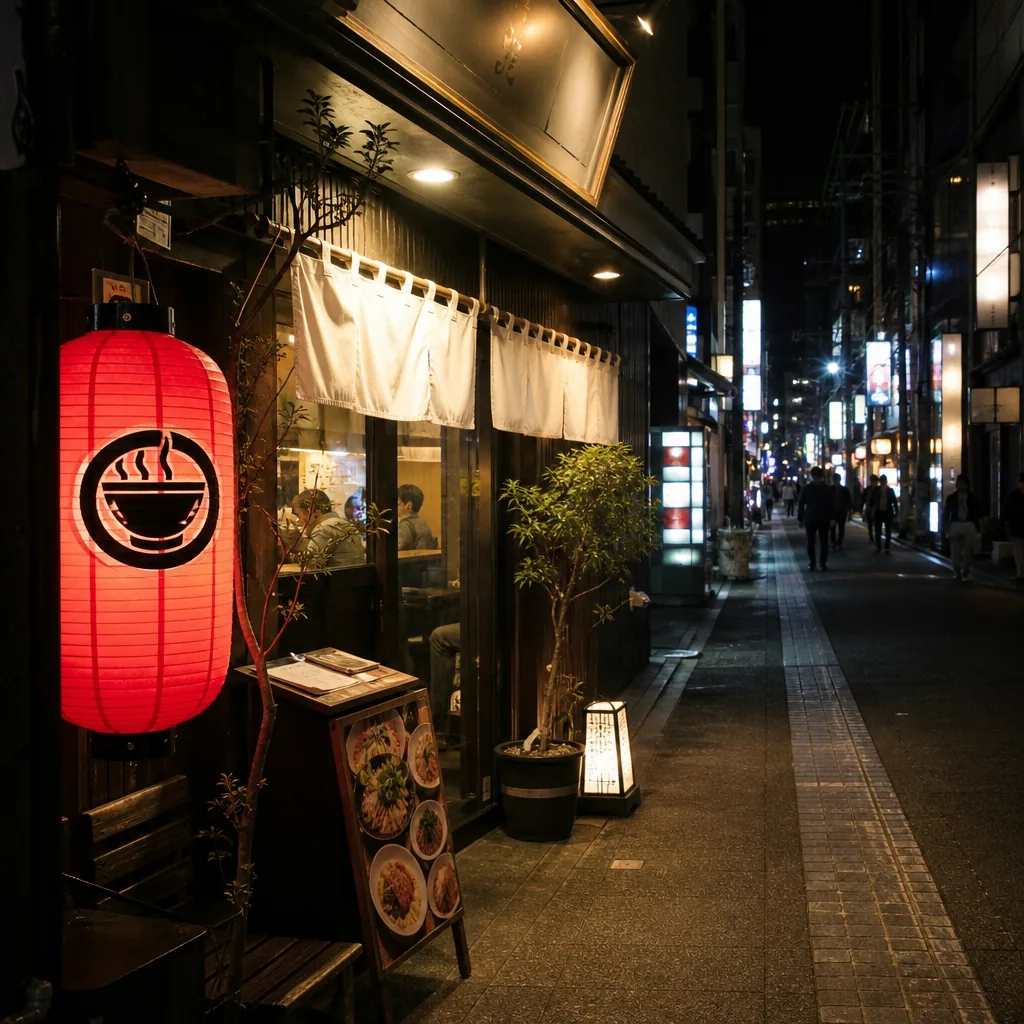
Looking for halal ramen in Kyoto after 10 p.m.? Here’s where to check, which areas are most practical, and how to verify hours and halal status.
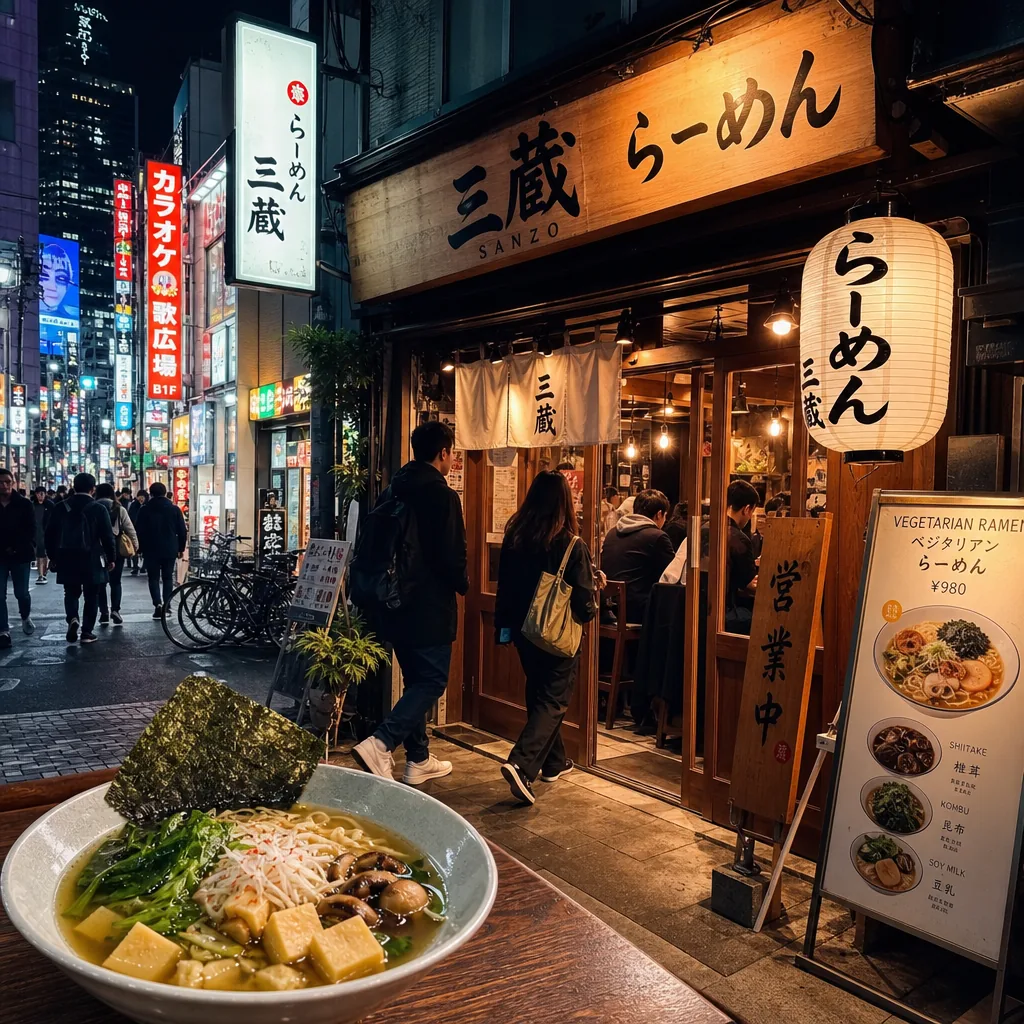
Find late-night vegetarian ramen in Tokyo by focusing on Shibuya, Shinjuku, and Roppongi, then verify broth, hours, and vegan menu details.