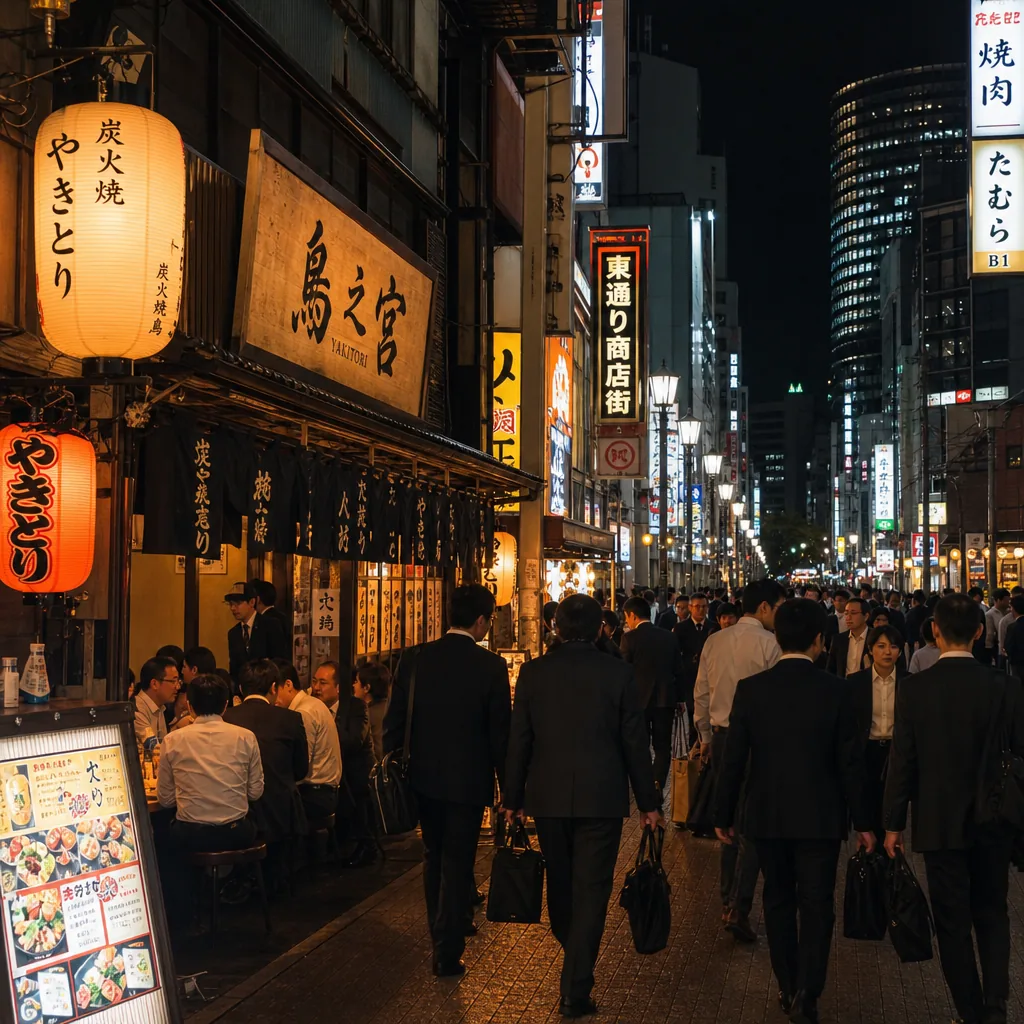
Where can I find english-friendly yakitori in Osaka after work?
Find English-friendly yakitori in Osaka after work by targeting Umeda, Namba, and Honmachi, plus booking sites and multilingual menus.
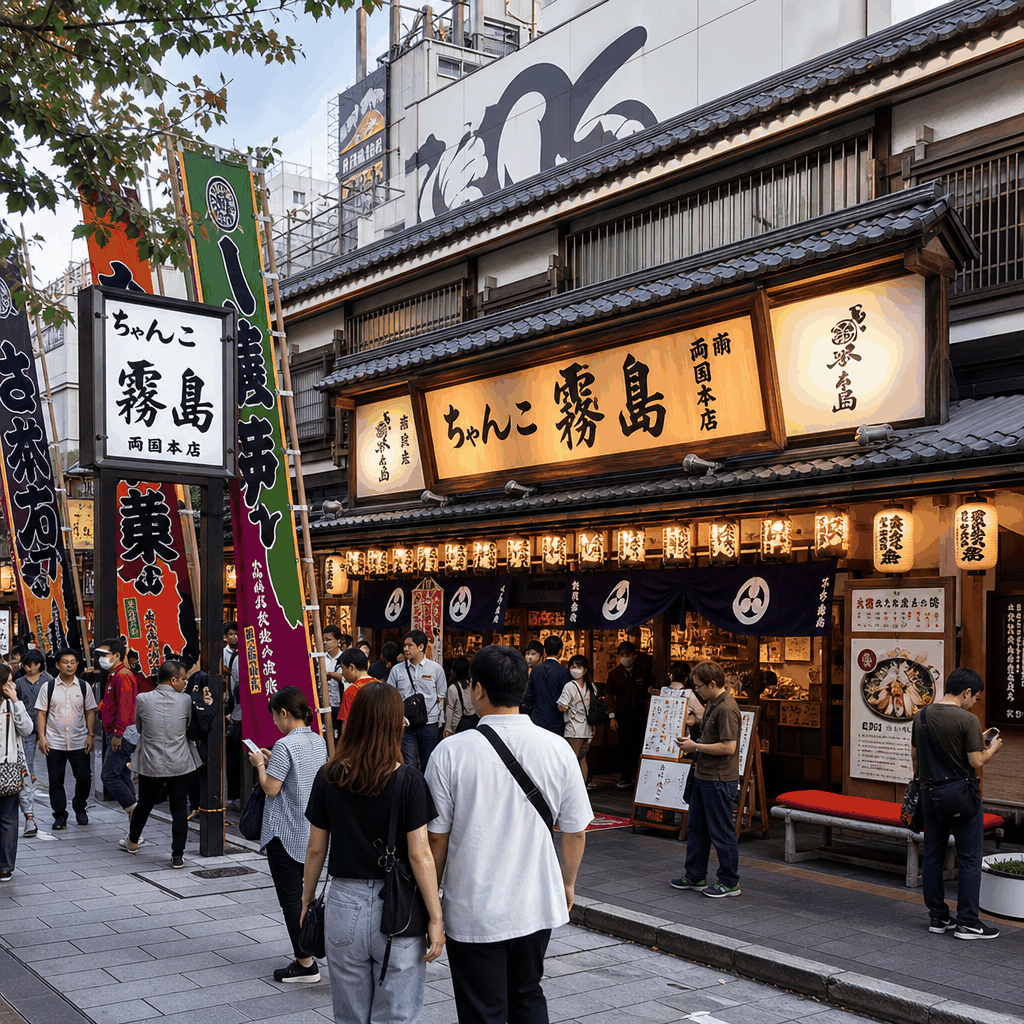
If you are attending a sumo tournament in Tokyo, start with chanko nabe: the hearty hot pot most closely associated with sumo culture in Ryogoku, the city’s historic sumo district [1][2]. Around Ryogoku Kokugikan, Tokyo’s main sumo arena, you can also eat classic local dishes like Edo-style tempura, soba, and tonkatsu, then finish the day with simple sweets or street snacks nearby [1][3][4].
Ryogoku is the most practical place to eat before or after a tournament because it is built around sumo. Tokyo’s official tourism site identifies Ryogoku as the home area of Ryogoku Kokugikan, and local guides in Sumida City and the Ryogoku area highlight restaurants, shops, and souvenirs tied to sumo culture [1][2][3].
That matters for food planning because you can keep your whole day within a small walkable area. Instead of treating the arena visit as a separate stop, you can turn it into a food outing centered on Ryogoku Station, the Kokugikan, and the neighborhood streets around them [1][2].
For visitors, the main advantage is choice. You will find the most sumo-linked dish in Tokyo, plus foods that fit a tournament schedule: something filling before the bouts, something light between sessions, and something comforting afterward [1][4].
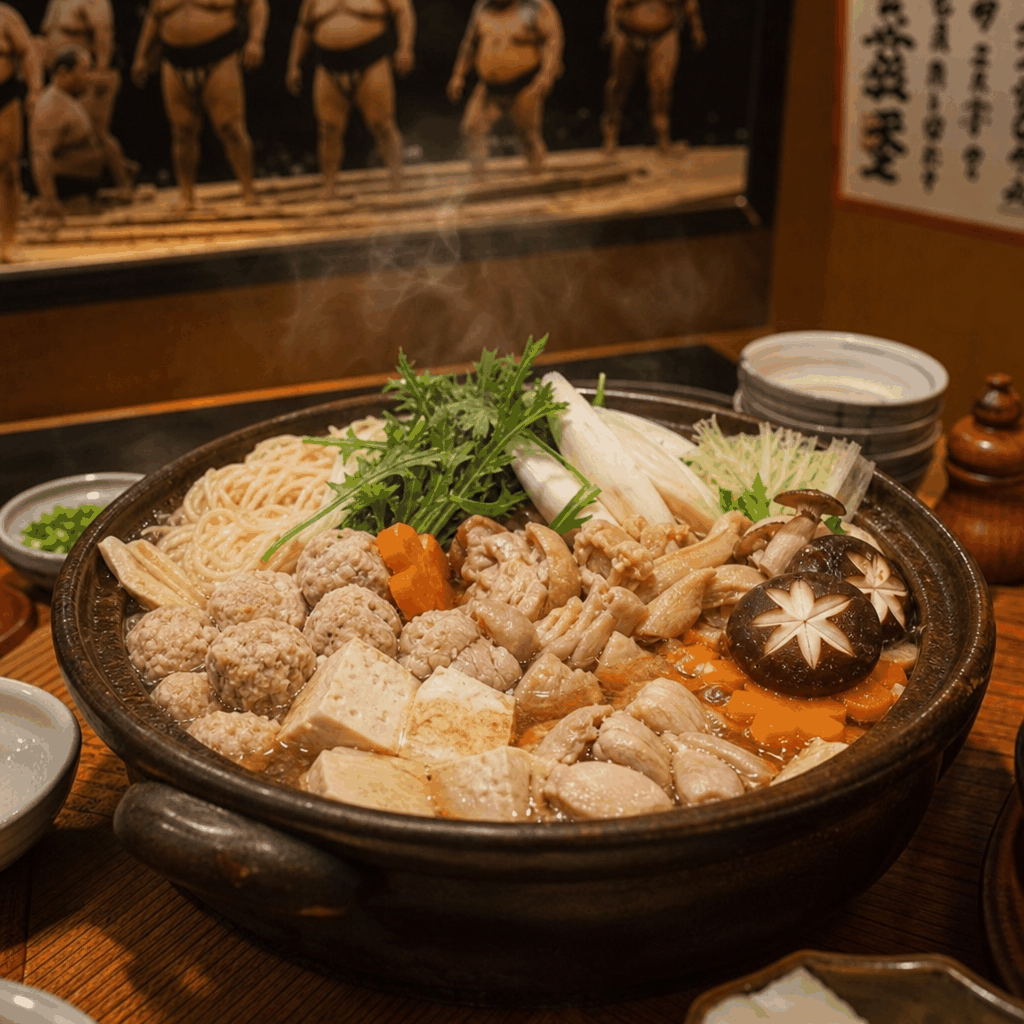
Chanko nabe is the dish most people should try first near a sumo tournament. It is strongly linked to stable life because it is economical, easy to share, and can feed many people at once; however, it is not a legally fixed “sumo-only” recipe or a single official menu [2][5].
In practice, chanko nabe is a broad category of hot pot, and restaurants in Ryogoku specialize in their own versions [2][3]. Some places serve rich chicken-based broths with vegetables, tofu, and noodles, while others offer seafood or mixed ingredient pots. The appeal is the same: a large, satisfying meal that fits the atmosphere of a sumo day [2][5].
Good options are concentrated around the arena area, so it is easy to eat chanko without a long detour. The Ryogoku area guide and Sumida tourism materials both point visitors toward sumo-related dining around the district [2][3]. If you want the most authentic-feeling meal of the trip, make this your dinner after the final matches.
Chanko may be the headline, but Ryogoku is also a convenient place to sample other Tokyo comfort foods. Tokyo’s tourism guidance describes the city as a place where classic dishes such as tempura, soba, and tonkatsu remain easy to find, and those same foods are natural choices near the sumo arena [4].
Here is how to think about them during a tournament day:
These foods are useful because they balance the richness of chanko. If you spend the whole afternoon watching matches, you may want a lunch that is satisfying but not as heavy as a full hot pot. A soba shop or tempura meal can do that job well [4].
Named places in the Ryogoku area are worth keeping on your map too. Ryogoku Kokugikan is the anchor, and the surrounding Ryogoku and Sumida tourism guides are built around the idea that visitors can combine the arena with eating and shopping in the same district [1][2][3].
After a rich meal, smaller snacks make sense. Tokyo’s food scene includes classic sweets and casual bites, and around Ryogoku they work best as a pre-match or between-bouts pause rather than a full meal [4].
Look for simple options such as:
The point is not to overplan every bite. A sumo tournament day is long, and Ryogoku’s compact layout makes it easy to pick up a snack without losing time. That is especially useful if you want to stay in the neighborhood instead of traveling across Tokyo for each meal [1][2].
The easiest food plan is to match your meals to the tournament schedule. A practical Tokyo sumo day might look like this:
If you only have one meal to spare, make it dinner. That is when chanko nabe feels most rewarding, and the neighborhood atmosphere around the sumo district makes the meal feel connected to the event [2][3]. If you have more time, build around the arena rather than away from it; Tokyo’s official tourism guidance and local Ryogoku resources both show that this area is one of the simplest bases for mixing sumo viewing with food exploration [1][2][3].
In short, the best local food near a sumo tournament in Tokyo is chanko nabe, but the smartest Tokyo food experience includes a little more. Combine chanko with Edo-style tempura, soba, or tonkatsu, and use Ryogoku’s compact layout to eat well without rushing [1][2][4][5]. That is the most direct way to turn a tournament visit into a memorable Tokyo meal day.
CallButler is a multilingual concierge service that handles research, coordination, and bookings so you do not have to navigate language barriers or unfamiliar systems alone. If you need help related to What local foods should I try near a sumo tournament in Tokyo? or the tasks around it, our team can step in to manage the details and keep things moving smoothly.
Find English-friendly yakitori in Osaka after work by targeting Umeda, Namba, and Honmachi, plus booking sites and multilingual menus.
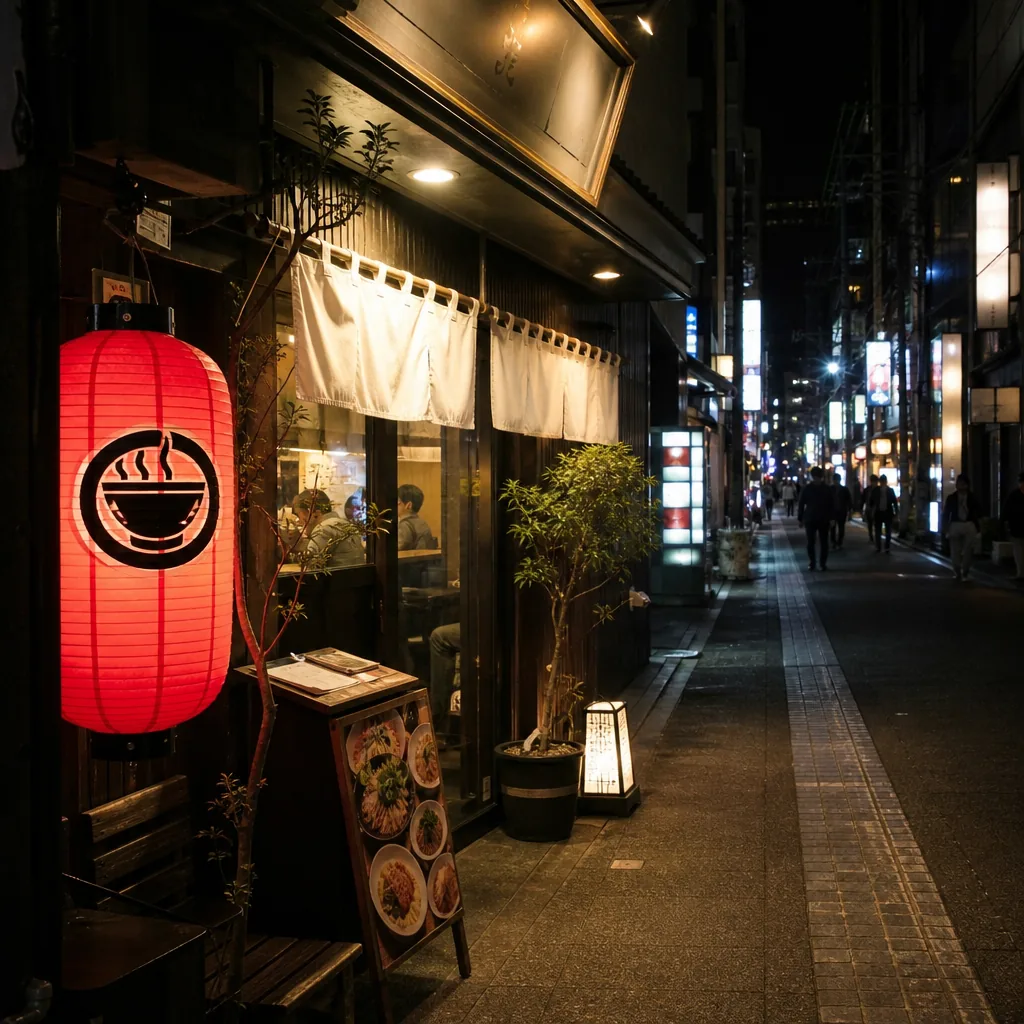
Looking for halal ramen in Kyoto after 10 p.m.? Here’s where to check, which areas are most practical, and how to verify hours and halal status.
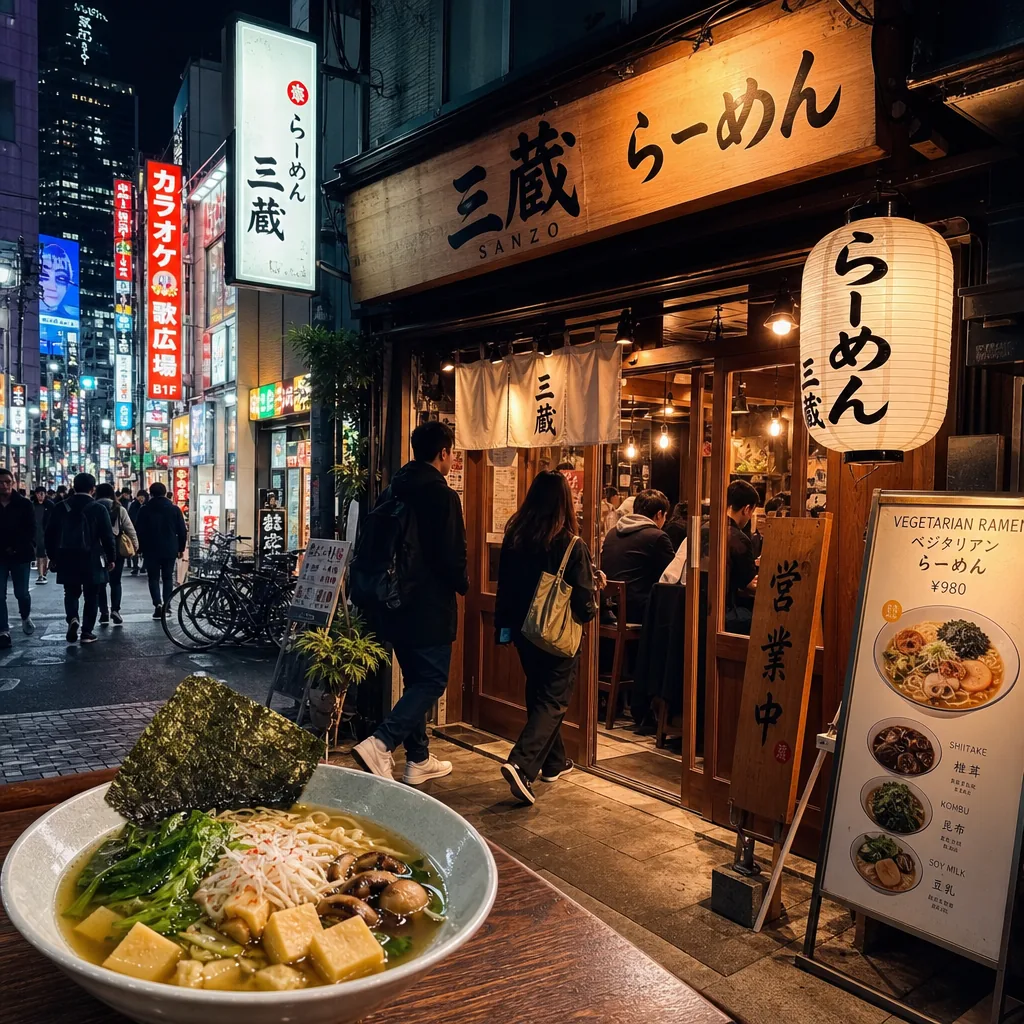
Find late-night vegetarian ramen in Tokyo by focusing on Shibuya, Shinjuku, and Roppongi, then verify broth, hours, and vegan menu details.