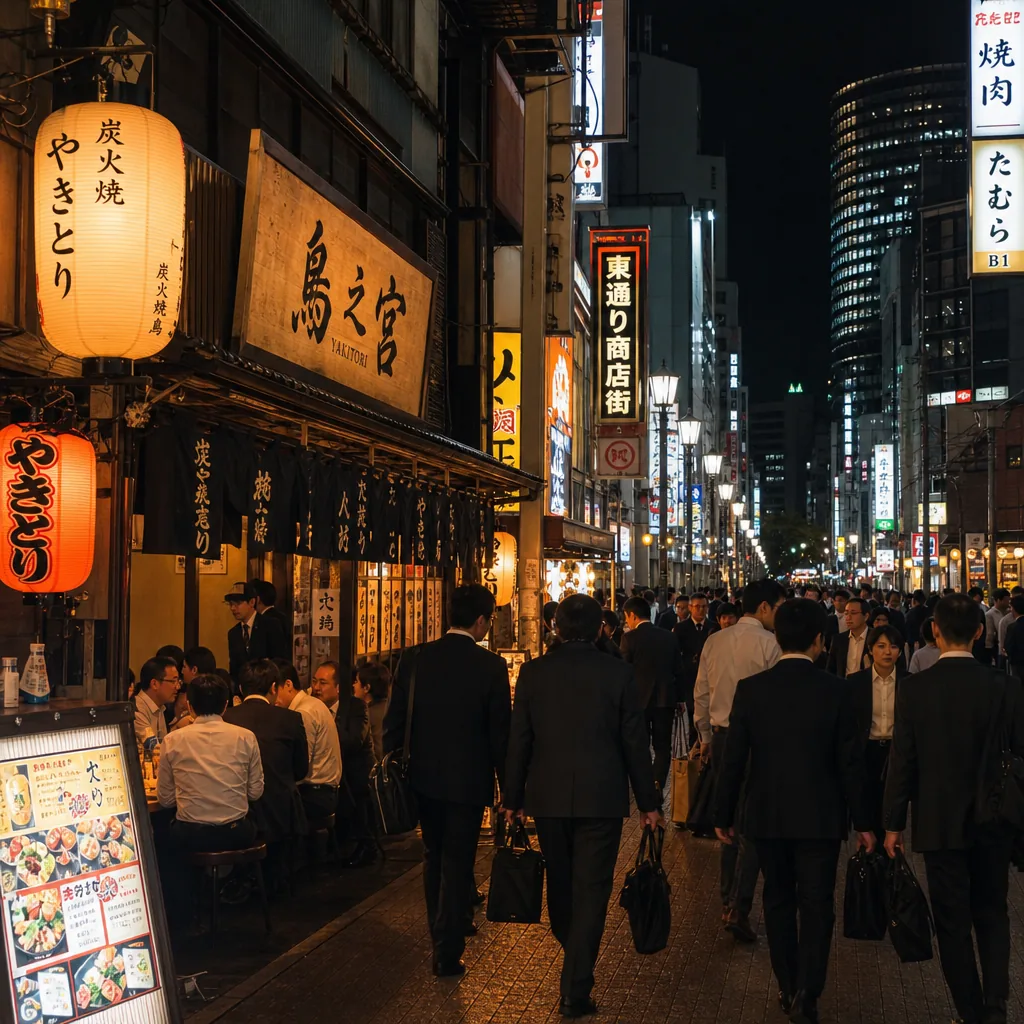
Where can I find english-friendly yakitori in Osaka after work?
Find English-friendly yakitori in Osaka after work by targeting Umeda, Namba, and Honmachi, plus booking sites and multilingual menus.
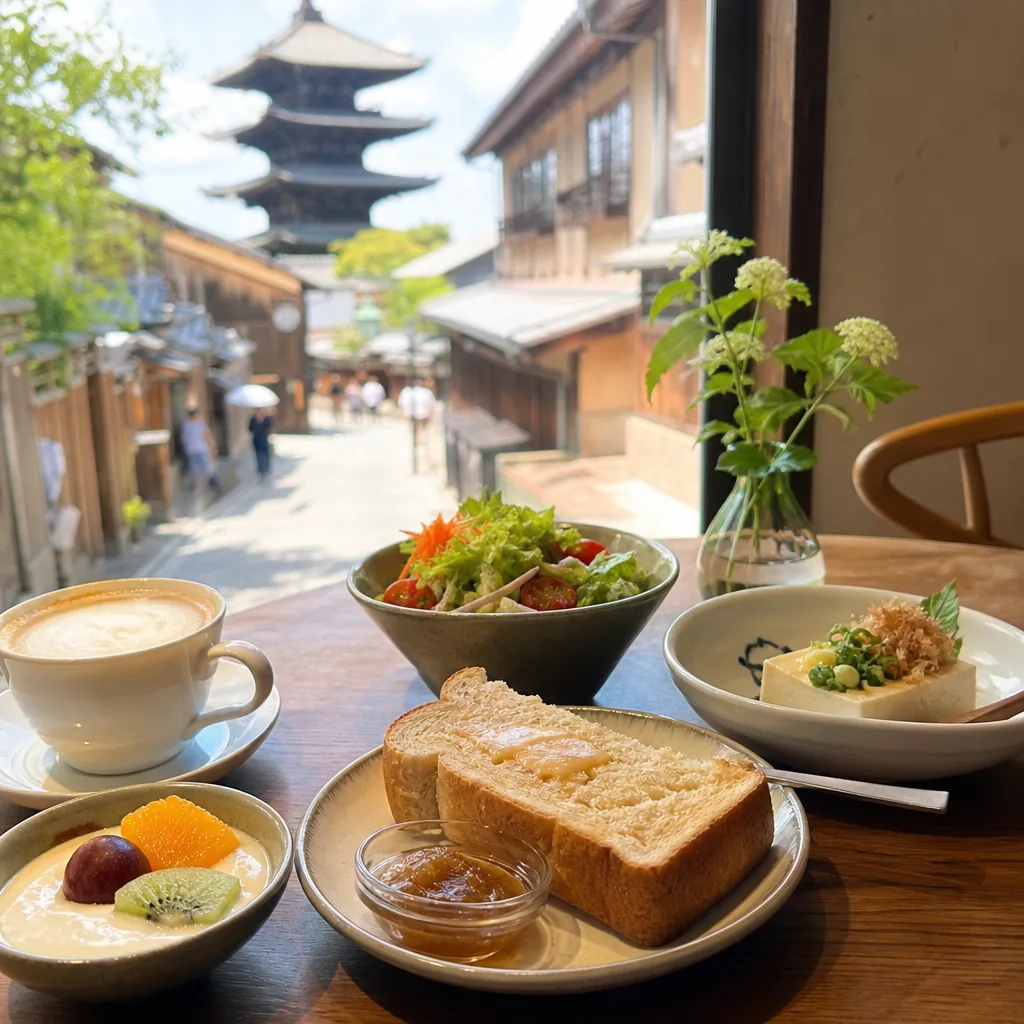
The easiest way to get a vegetarian breakfast in Kyoto is to choose a café, bakery, or hotel breakfast that clearly labels vegetarian or vegan options before you go. That approach is more reliable than assuming a traditional Japanese breakfast will be meat-free, because many set meals use fish-based dashi even when they look vegetarian [1][3].
Kyoto is one of the easiest cities in Japan for plant-based eating because local tourism resources actively promote vegetarian and vegan dining, especially in areas popular with visitors [1][4]. The Kyoto City Tourism Association and Kyoto’s official travel materials both point travelers toward restaurants and cafés that can handle vegetarian requests, which is a useful sign if you want a low-stress breakfast [1][2].
This matters because breakfast in Japan is often not “vegetarian by default.” A rice-and-miso-style meal can still include bonito stock, and a simple-looking side dish may be seasoned with fish broth. In Kyoto, the solution is not to avoid Japanese food entirely, but to start with places that already state what they serve [3].
Three practical examples of breakfast-friendly places in Kyoto are %26#x2014; not because every branch is identical, but because these venue types are common in central Kyoto and easier to verify in advance: café listings in the Kyoto city center, plant-based spots highlighted in Kyoto’s vegetarian guides, and hotels or ryokan that publish breakfast plans ahead of time [1][2][5].
If you want the simplest possible answer, choose one of these three routes:
For breakfast, cafés and bakeries are often the least complicated choice because the menu is usually short and visible, and many places label items directly as vegetarian or vegan. Kyoto’s official and tourism-backed plant-based resources exist precisely because visitors are looking for these easy-to-identify options [1][4].
Hotels can be even easier if your room plan already includes breakfast. Some ryokan and temple stays in Kyoto offer vegetarian meals as part of a reserved stay, but these are usually not walk-in options and may need advance notice [3]. In other words, if you are staying overnight and breakfast matters, ask before booking instead of hoping to improvise in the morning.
The most common mistake is thinking that “no meat” automatically means vegetarian. In Japanese cooking, dashi is a major flavor base, and it often contains bonito or dried fish. That means miso soup, simmered vegetables, omelets, and even some rice dishes may still contain fish stock [3].
Be especially careful with these breakfast items:
That is why café menus with explicit labels are so helpful. A place that says “vegetarian” or “vegan” is much safer than guessing from the ingredients you can see [1][3]. 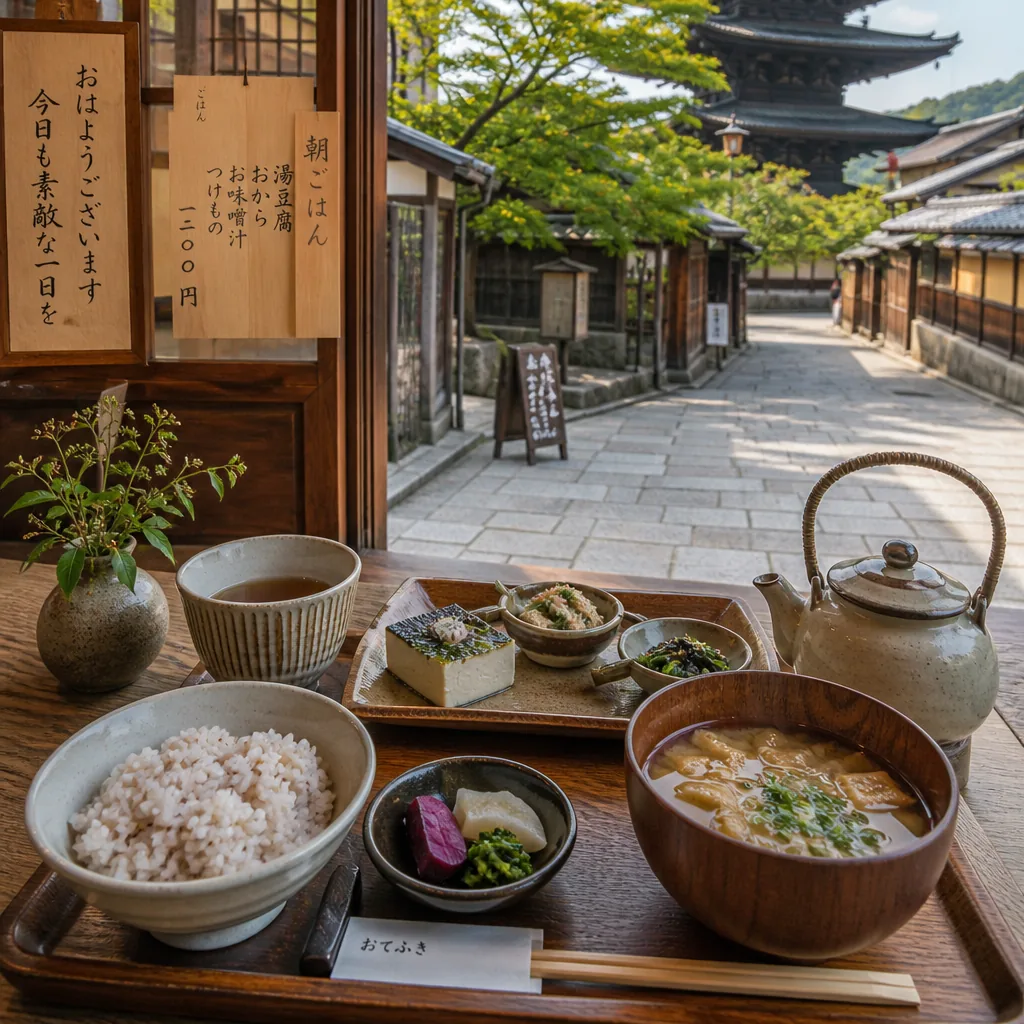
If the menu is not completely clear, ask directly about the ingredients. The most important question is whether the dish contains dashi, bonito flakes, fish sauce, or meat broth. Kyoto’s tourism guidance on vegetarian and vegan dining stresses advance checking, because ingredient lists are not always obvious from the dish name alone [1][4].
Useful ways to confirm before breakfast:
For travelers who are staying in Kyoto only briefly, this advance checking is the biggest time-saver. It prevents morning detours and keeps you from relying on chance, especially in busy sightseeing districts where many breakfasts are designed for a general Japanese audience rather than vegetarians [1][2].
Kyoto’s best breakfast hunting grounds are the neighborhoods where tourist services, cafés, and hotels are concentrated. Central Kyoto is the easiest place to start because you can reach several breakfast-friendly venues without a long commute [2][5].
Good areas to target include:
These neighborhoods are practical because they align with the kinds of restaurants and cafés that Kyoto’s tourism and Michelin listings surface for visitors [1][5]. You do not need to search the whole city; starting in the center usually gives you the highest chance of finding a clearly labeled vegetarian breakfast quickly.
If you want a quieter or more traditional experience, some temple lodging and ryokan in Kyoto can include vegetarian meals. This is a good option if breakfast is part of the room package, because it removes the need to search each morning [3].
Still, these stays work best when booked with breakfast specified in advance. Unlike a café, they are not usually the easiest last-minute answer. They are better viewed as a planned solution for travelers who want a guaranteed vegetarian breakfast and are willing to reserve ahead.
For most visitors, the most practical strategy is simple: pick a café or bakery for the first morning, then use hotel or temple breakfast only if it is clearly confirmed during booking. That balances convenience, certainty, and the chance to enjoy Kyoto’s plant-based dining scene without making breakfast a daily project [1][2][4].
So if you are wondering what to do in the morning, the answer is straightforward: in Kyoto, start with a clearly labeled café, bakery, or hotel breakfast, and verify the ingredients the night before. That is the easiest way to get a vegetarian breakfast with the least guesswork.
CallButler is a multilingual concierge service that handles research, coordination, and bookings so you do not have to navigate language barriers or unfamiliar systems alone. If you need help related to What is the easiest way to get a vegetarian breakfast in Kyoto? or the tasks around it, our team can step in to manage the details and keep things moving smoothly.
Find English-friendly yakitori in Osaka after work by targeting Umeda, Namba, and Honmachi, plus booking sites and multilingual menus.
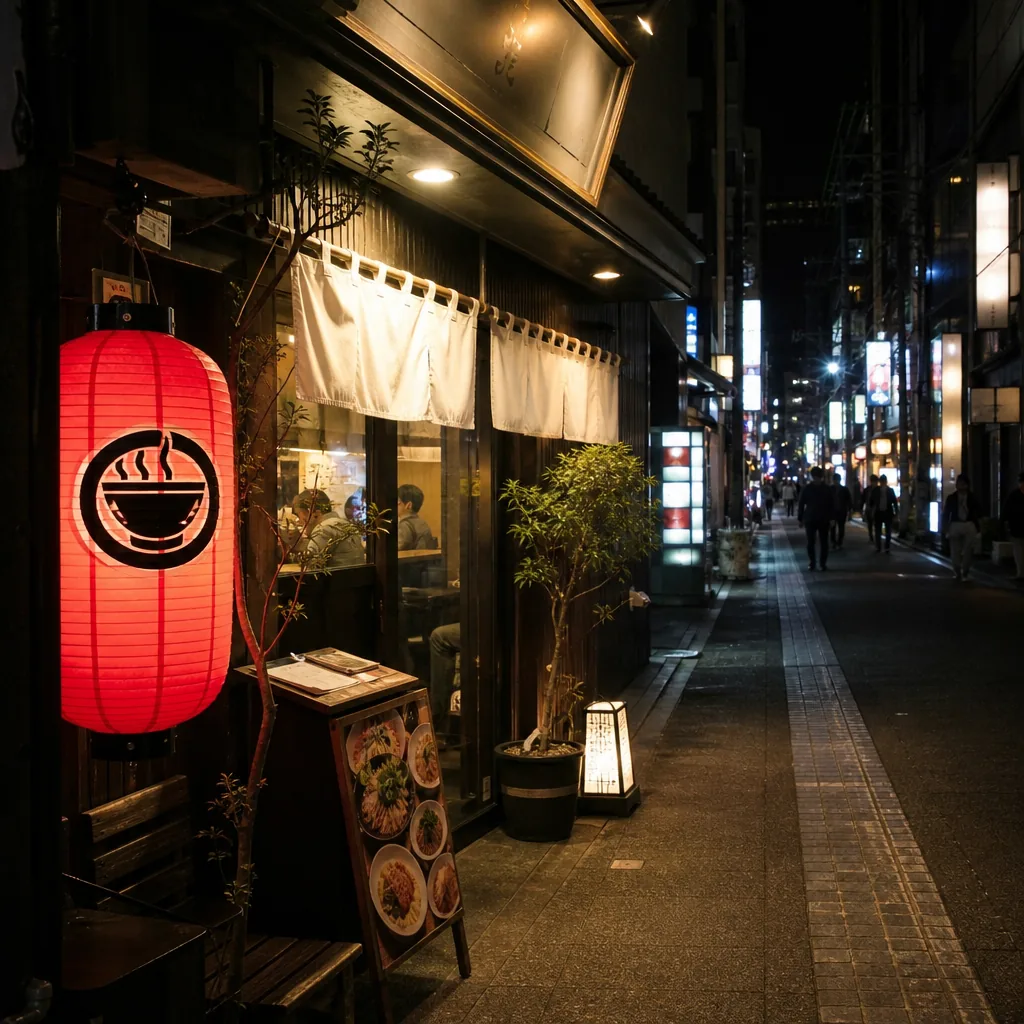
Looking for halal ramen in Kyoto after 10 p.m.? Here’s where to check, which areas are most practical, and how to verify hours and halal status.
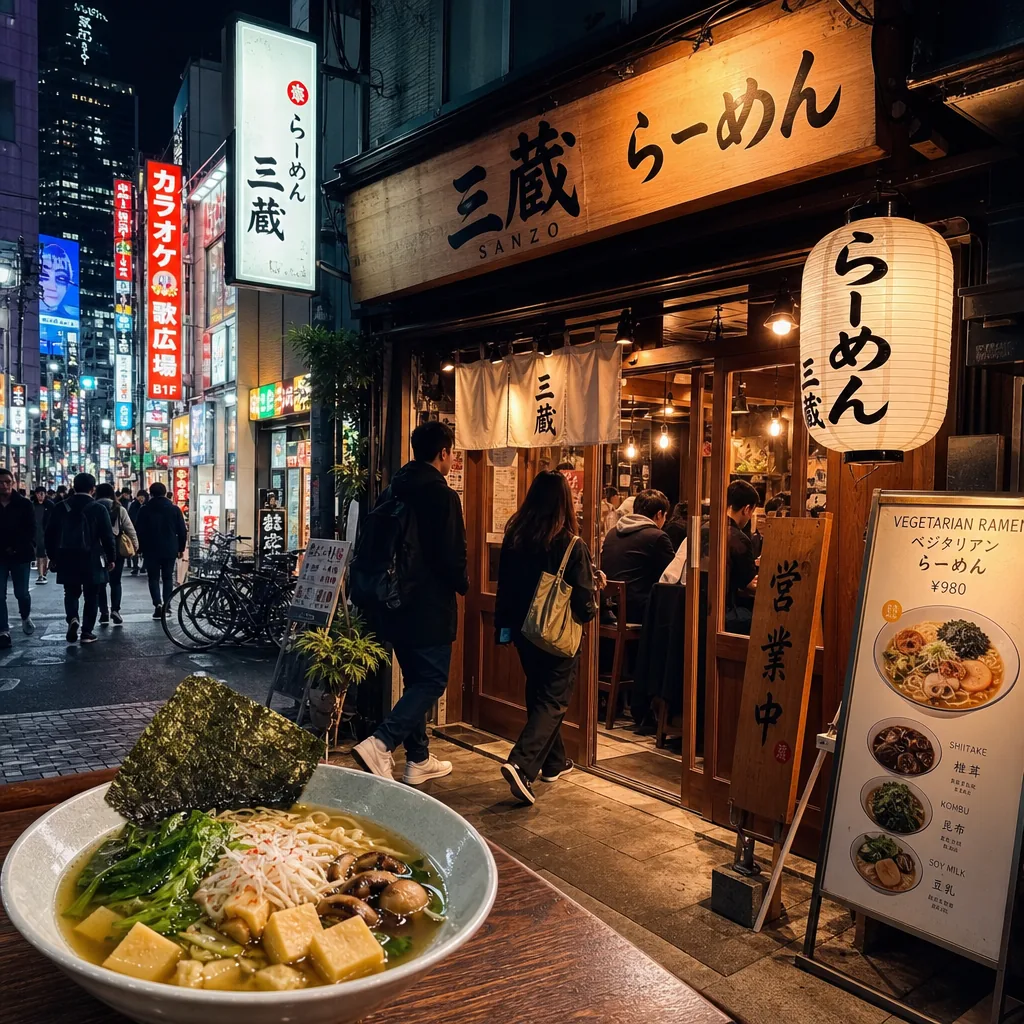
Find late-night vegetarian ramen in Tokyo by focusing on Shibuya, Shinjuku, and Roppongi, then verify broth, hours, and vegan menu details.