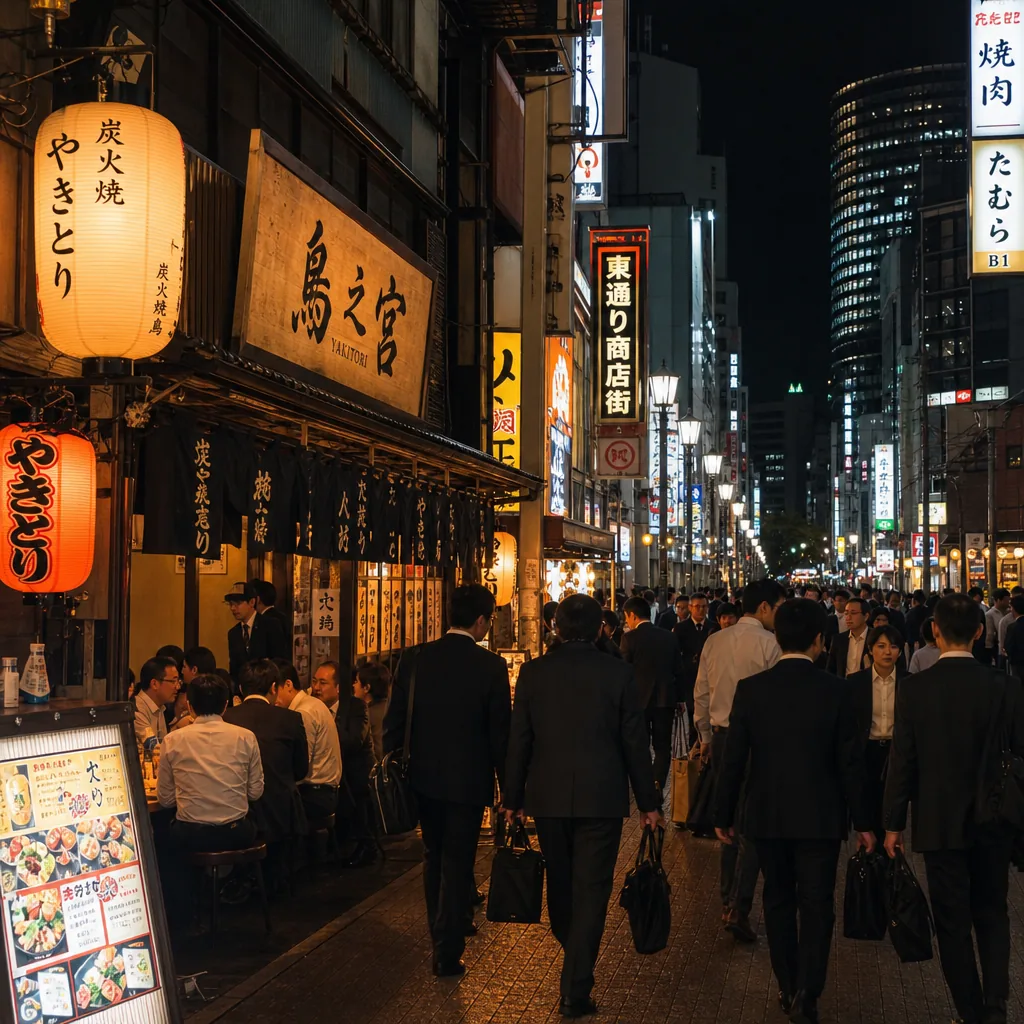
Where can I find english-friendly yakitori in Osaka after work?
Find English-friendly yakitori in Osaka after work by targeting Umeda, Namba, and Honmachi, plus booking sites and multilingual menus.
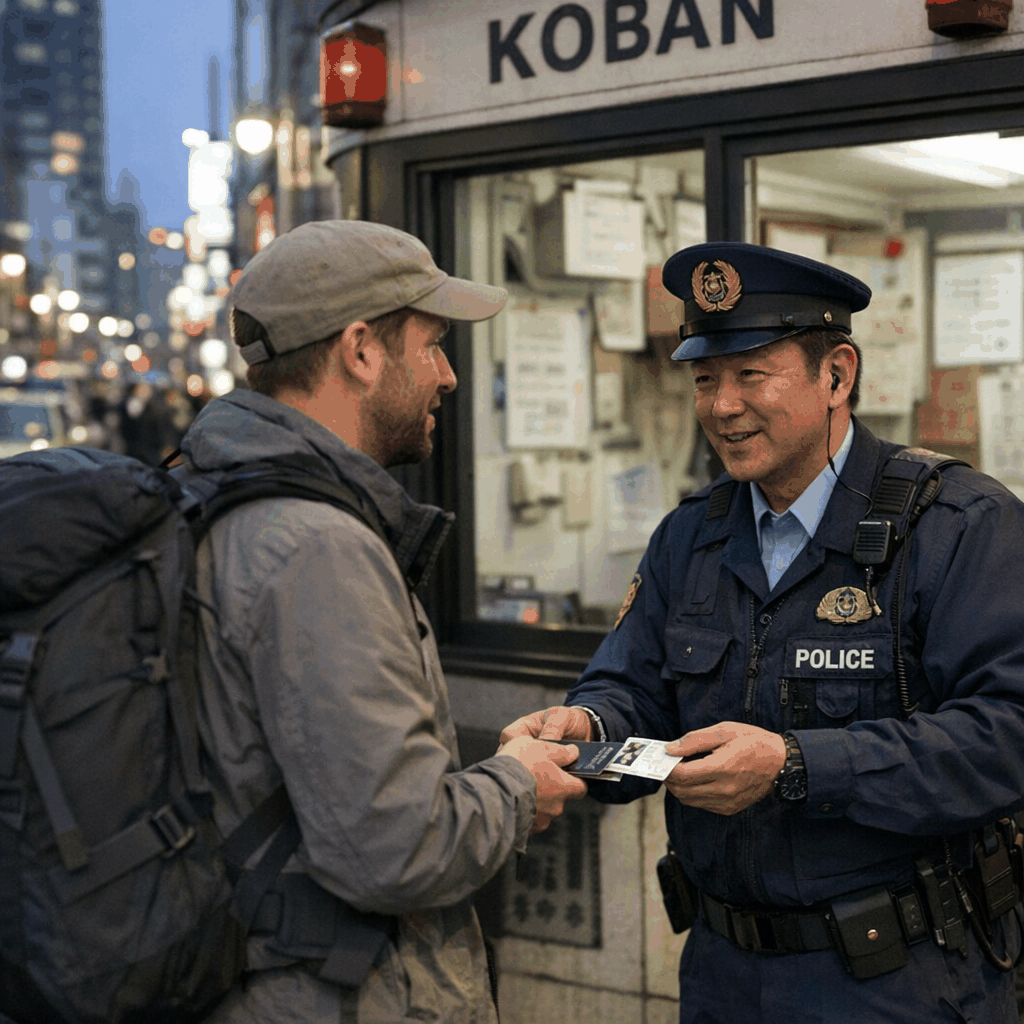
If you lose your passport in Tokyo, act immediately: retrace your steps, report the loss at the nearest koban or police station and get a written report, then contact your country's embassy or consulate in Tokyo to apply for an emergency passport or travel document. If you hold a Japanese residence card, notify the Immigration Services Agency as well to protect your status and speed up replacement steps [3][1][2].
Start by retracing exactly where you were in the last few hours. In Tokyo, many passports and wallets turn up at nearby koban (police boxes) or lost-and-found counters in stations and commercial buildings; check with staff where you last exited (for example, busy hubs in Shinjuku, Shibuya or Tokyo Station) and ask a koban for assistance [3][4].
Whether you find nothing or discover theft, go to a koban or the nearest police station and make an official report. Tokyo Metropolitan Police and the National Police Agency advise reporting lost or stolen passports promptly; embassies commonly require a police report or reference number before issuing emergency documents [4][3].
Contact your country's embassy or nearest consulate in Tokyo immediately to report the loss and to make an appointment. Embassies keep specific instructions for replacing passports — for example, the U.S. Embassy & Consulates in Japan provides guidance on replacement and emergency travel documents; the UK government likewise explains steps for lost or stolen passports abroad [1][5].
Prepare the documents the embassy lists; typical (but embassy-specific) requirements include a police report, proof of identity, passport photos, your flight itinerary, completed application forms and fees. Bring any photocopies or digital copies of your lost passport if you have them — these can shorten processing [1][5].
If you hold a zairyū card (residence card), bring it when you file the police report and take it to immigration if it was lost or stolen. The Immigration Services Agency of Japan (ISA) provides instructions on reporting lost residence cards and on reissuing or replacing residency documentation — follow ISA guidance and bring any evidence of your legal status when visiting your embassy [2].
Many embassies issue emergency travel documents or limited-validity passports that allow you to return home; acceptance by airlines is common but confirm with the carrier before travel. Embassy guidance (for example, from the U.S. Embassy and GOV.UK) explains when an ETD can be issued and what supporting documents are needed [1][5].
After reporting and contacting your embassy, also secure finances and identity: cancel or freeze credit cards, monitor bank accounts, and set up alerts. While these steps are general security practice, the Tokyo police and embassies advise swift reporting to limit misuse of documents [3][1].
Once resolved, take time to prepare for future contingencies: keep a scanned copy of your passport in a secure cloud location, store a paper photocopy separately from the passport, and note embassy contact details for Tokyo (for example, your embassy’s Tokyo address and emergency line) so you can move quickly if needed [1][5].
Key Tokyo contacts to know: Tokyo Metropolitan Police Department for local reporting, the National Police Agency for broader lost/stolen guidance, your country’s embassy or consulate in Tokyo, and the Immigration Services Agency of Japan for residence-card issues [4][3][1][2].
CallButler is a multilingual concierge service that handles research, coordination, and bookings so you do not have to navigate language barriers or unfamiliar systems alone. If you need help related to What immediate steps should I take for a lost passport in Tokyo? or the tasks around it, our team can step in to manage the details and keep things moving smoothly.
Find English-friendly yakitori in Osaka after work by targeting Umeda, Namba, and Honmachi, plus booking sites and multilingual menus.
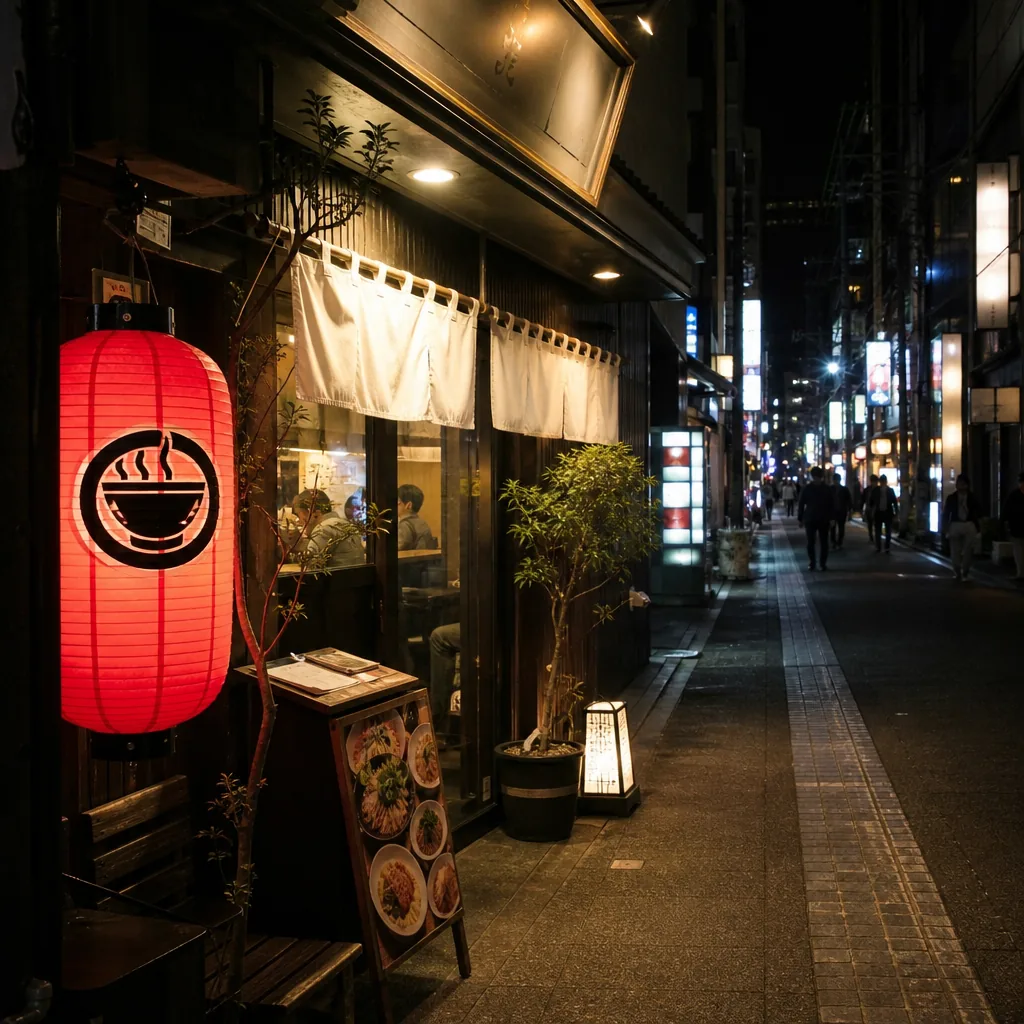
Looking for halal ramen in Kyoto after 10 p.m.? Here’s where to check, which areas are most practical, and how to verify hours and halal status.
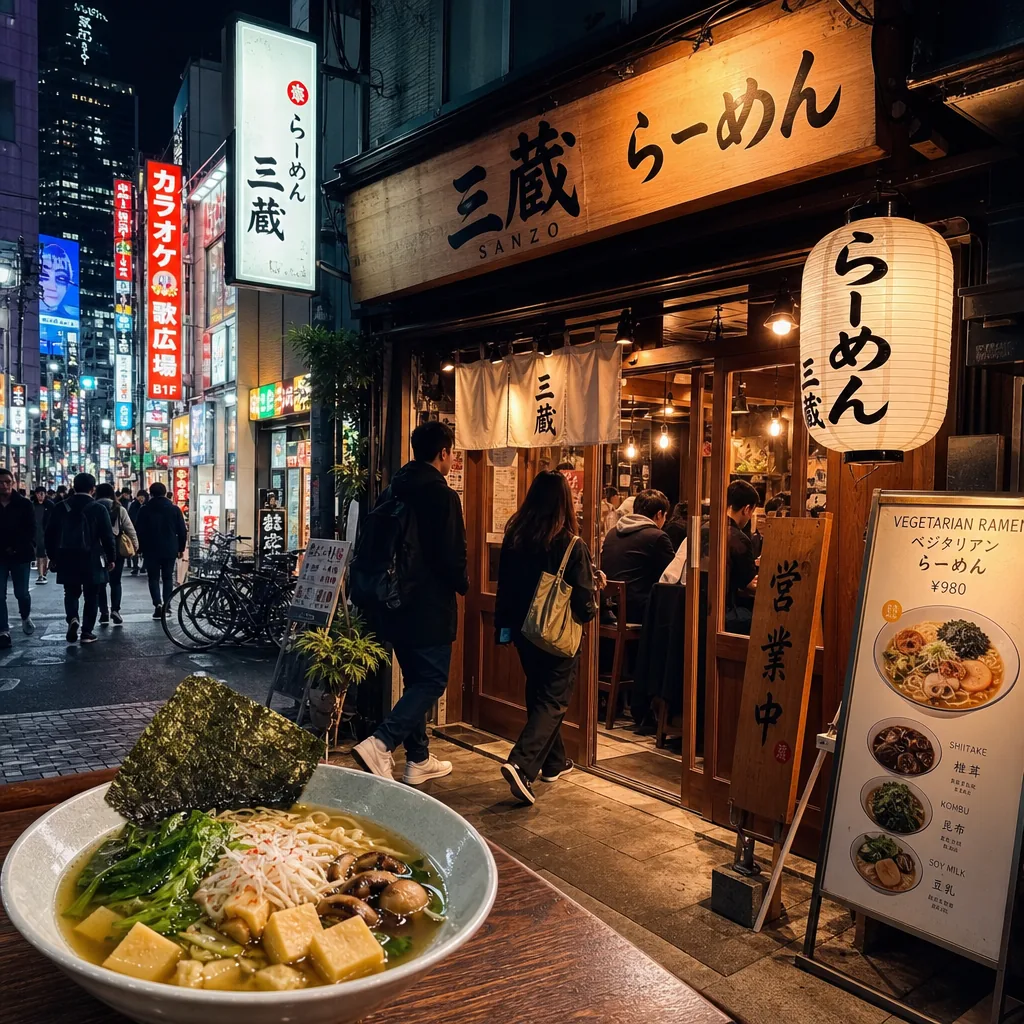
Find late-night vegetarian ramen in Tokyo by focusing on Shibuya, Shinjuku, and Roppongi, then verify broth, hours, and vegan menu details.