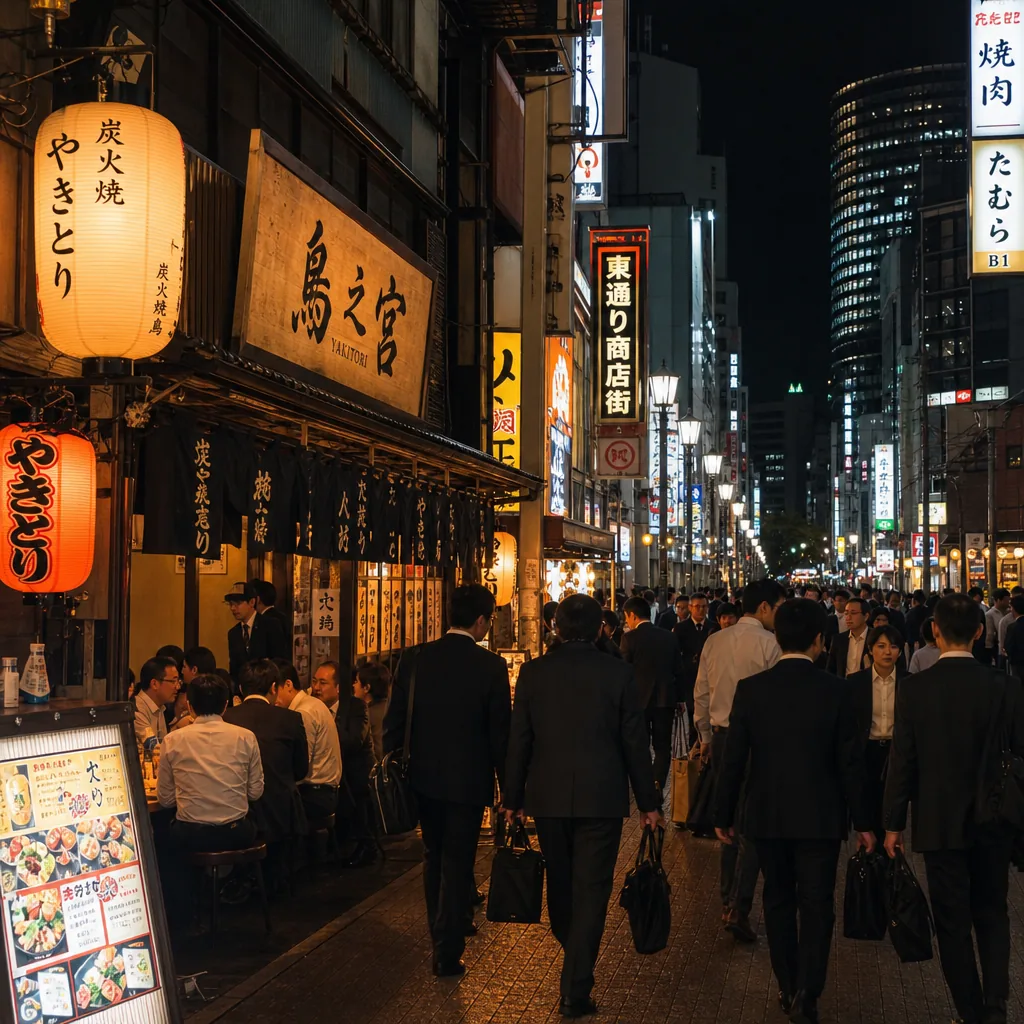
Where can I find english-friendly yakitori in Osaka after work?
Find English-friendly yakitori in Osaka after work by targeting Umeda, Namba, and Honmachi, plus booking sites and multilingual menus.
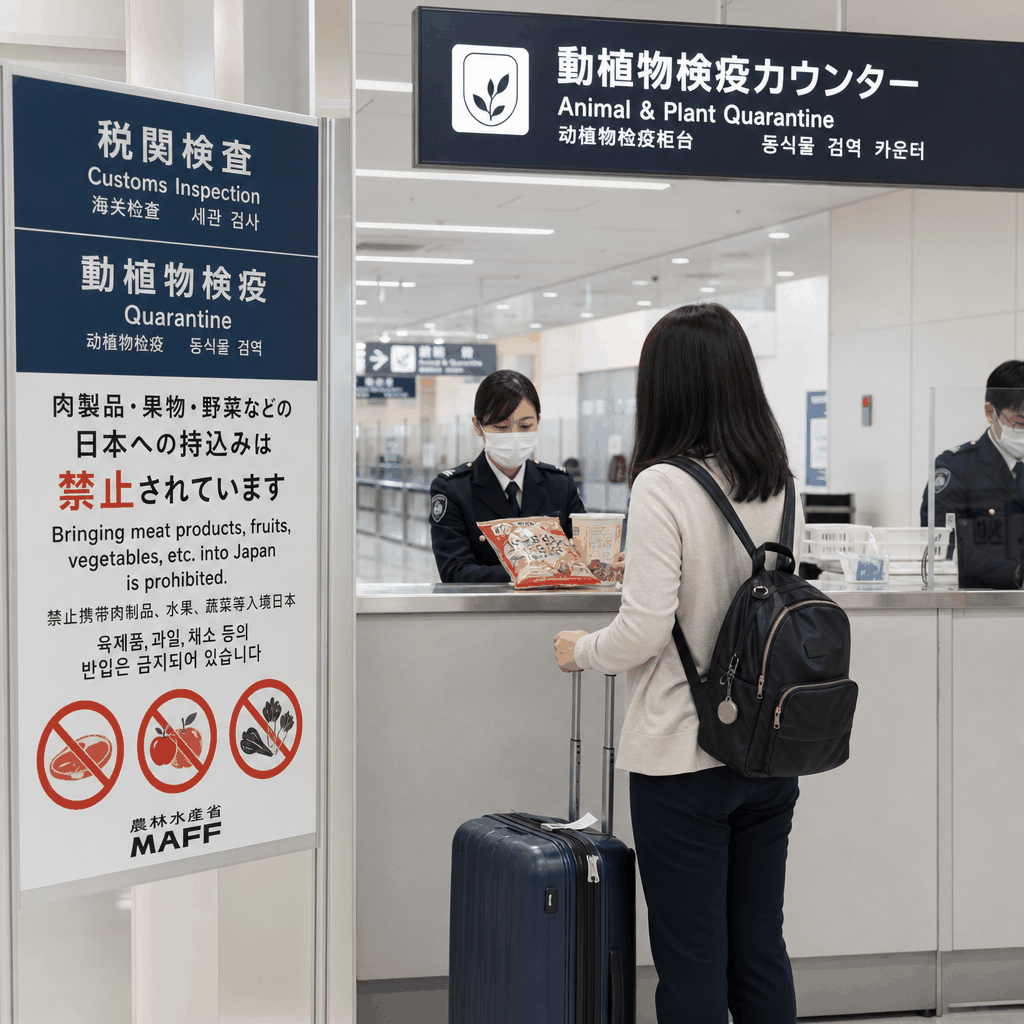
At Tokyo’s Narita and Haneda airports, the short answer is: fresh fruits, vegetables, seeds, live plants, meat, and many meat-based or animal-derived foods are tightly restricted, and some are outright banned unless they meet Japan’s quarantine rules. Japan’s Ministry of Agriculture, Forestry and Fisheries (MAFF) says these checks are meant to stop plant pests and animal diseases before they enter the country [1][2].
Tokyo’s main international gateways, Narita and Haneda, apply Japan’s national quarantine rules to arriving baggage, shipments, and other imports [3][4]. In practice, that means customs and quarantine officers may inspect food items separately from general customs screening, especially if you are carrying anything fresh, homemade, unpackaged, or unclear in ingredients [3][4][5].
The most sensitive categories are plant material and animal products. MAFF warns travelers not to bring in prohibited items without declaration, and Japan Customs notes that some goods may be seized, destroyed, or refused entry if they violate import rules [1][5].
If you are flying into Tokyo, the safest assumption is that fresh or raw foods from overseas are not automatically allowed. MAFF’s plant quarantine guidance says many fruits, vegetables, herbs, seeds, and live plants require inspection and, in some cases, a phytosanitary certificate from the exporting country [1]. That includes common items such as fresh apples, citrus, leafy herbs, and flower bulbs when they are imported as plant material [1].
Animal products are even more tightly controlled. MAFF’s Animal Quarantine Service says travelers should not bring in meat, meat products, or items that contain meat unless they meet the required conditions [2]. That includes fresh meat, sausages, ham, jerky, and many prepared foods with unclear meat ingredients [2]. Japan Customs also highlights meat and processed meat products among the items travelers must check carefully before arrival [5].
For many travelers, the biggest surprise is that packaged food is not automatically safe. A biscuit or instant meal may still be flagged if it contains meat extracts, gelatin of uncertain origin, milk, egg, or other animal-derived ingredients that trigger inspection [2][5].
Plant quarantine and animal quarantine are handled separately because they protect against different threats. Plant rules focus on insects, fungi, and plant diseases that can spread through produce, soil, seeds, and nursery stock [1]. Animal rules are designed to prevent diseases affecting livestock and wildlife, which is why meat products and some animal-derived foods are scrutinized so closely [2].
That distinction matters at Tokyo airports. A traveler bringing dried flowers or seeds may face plant quarantine issues, while someone carrying a vacuum-packed pork snack may be sent to animal quarantine instead [1][2][3][4]. In both cases, the item can be refused if the required documentation is missing.
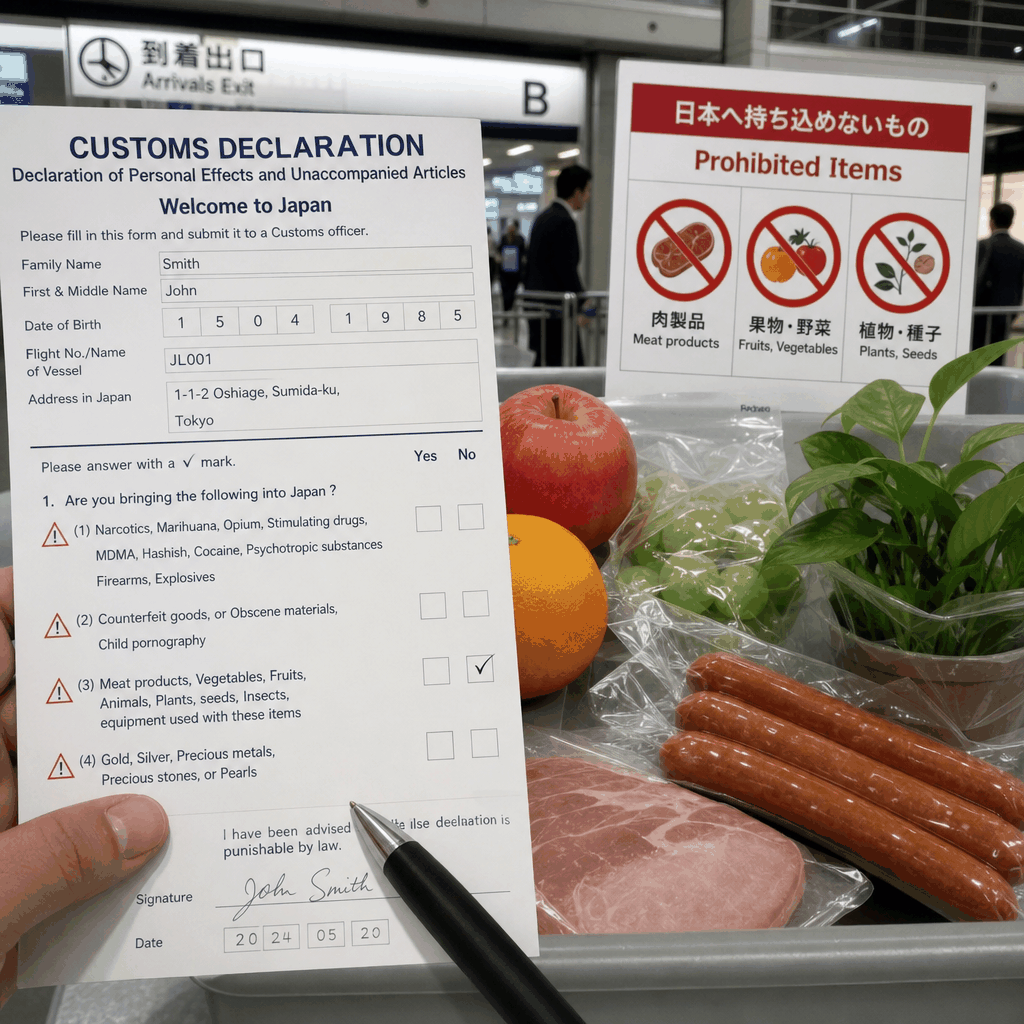
At Narita Airport, quarantine guidance directs arriving passengers to declare regulated items and follow the instructions of inspection counters before leaving the arrival area [3]. Haneda Airport gives the same basic message: check quarantine requirements in advance, because some goods need declaration even if they are only part of your baggage [4].
Not every snack is a problem. Commercially manufactured, shelf-stable foods are often easier to bring into Tokyo, provided they do not contain restricted ingredients and are allowed under customs rules [5]. Examples usually include sealed candy, plain crackers, chocolate, tea bags, and other processed non-meat items, but you still need to read labels carefully [5].
If you want the lowest-risk options, choose foods that are clearly packaged, factory-sealed, and ingredient-labeled in a language you can verify. Avoid anything with fresh produce, meat, broth, stock, or animal extract unless you have already confirmed it is allowed [2][5].
The most reliable approach is to check Japan’s official guidance before you leave for Narita or Haneda. MAFF’s plant quarantine pages explain which plant products need inspection, while the Animal Quarantine Service explains the rules for meat and other animal products [1][2]. Japan Customs also publishes a passenger summary page that helps travelers understand what can be brought into the country [5].
If your trip is coming soon, use these practical checks:
Tokyo is very traveler-friendly, but its airport quarantine system is strict for a reason. If you are bringing food into the city, the safest rule is simple: fresh plant items and meat products are the most likely to be banned or delayed, while sealed commercial snacks are usually the easiest to clear after ingredient checks [1][2][3][4][5].
CallButler is a multilingual concierge service that handles research, coordination, and bookings so you do not have to navigate language barriers or unfamiliar systems alone. If you need help related to What food items are banned by Japan customs at Tokyo airports? or the tasks around it, our team can step in to manage the details and keep things moving smoothly.
Find English-friendly yakitori in Osaka after work by targeting Umeda, Namba, and Honmachi, plus booking sites and multilingual menus.
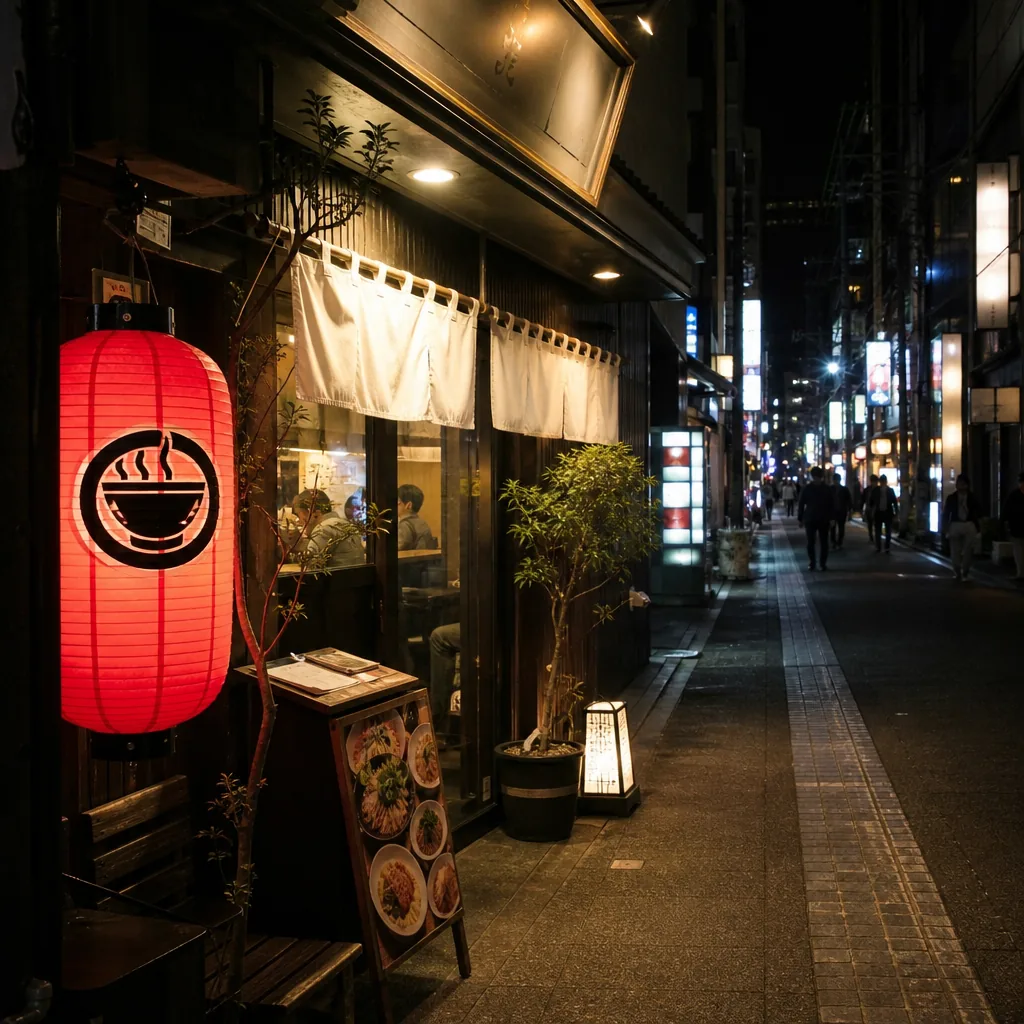
Looking for halal ramen in Kyoto after 10 p.m.? Here’s where to check, which areas are most practical, and how to verify hours and halal status.
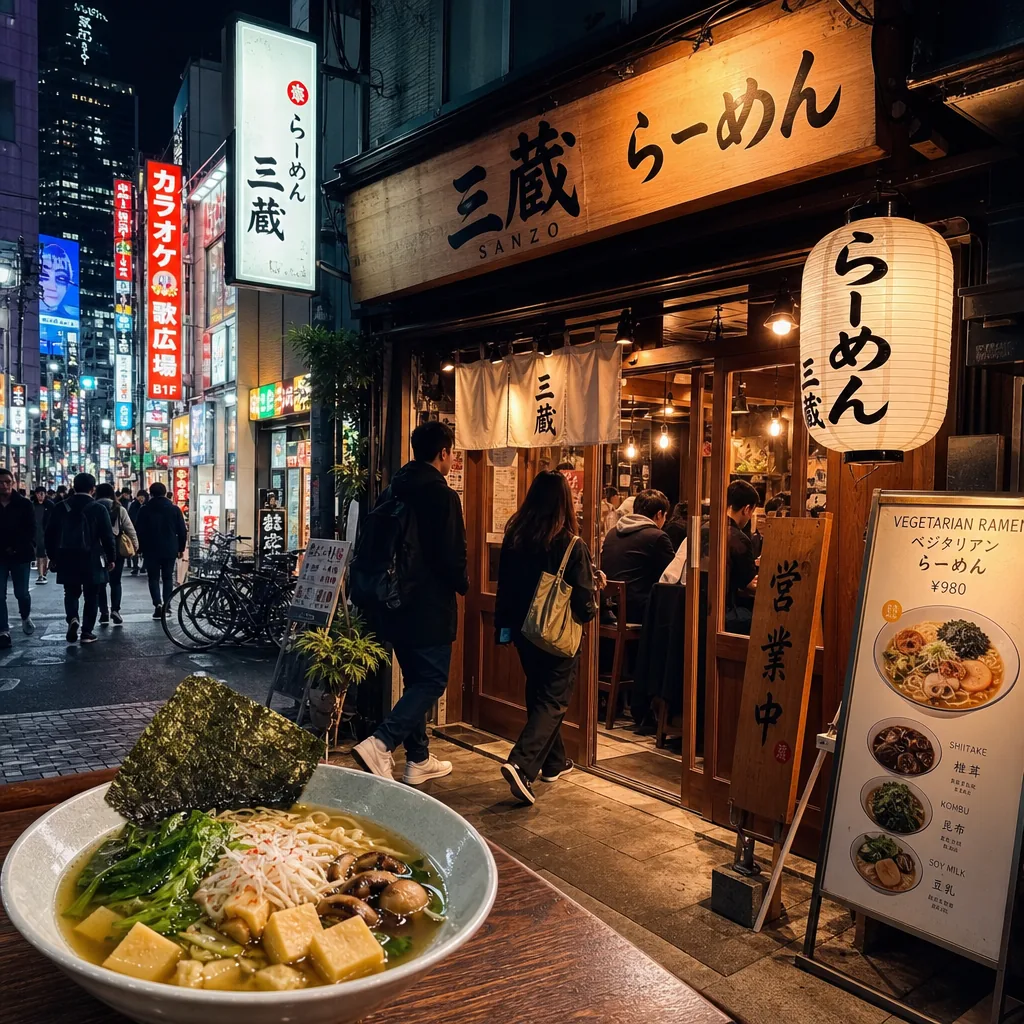
Find late-night vegetarian ramen in Tokyo by focusing on Shibuya, Shinjuku, and Roppongi, then verify broth, hours, and vegan menu details.