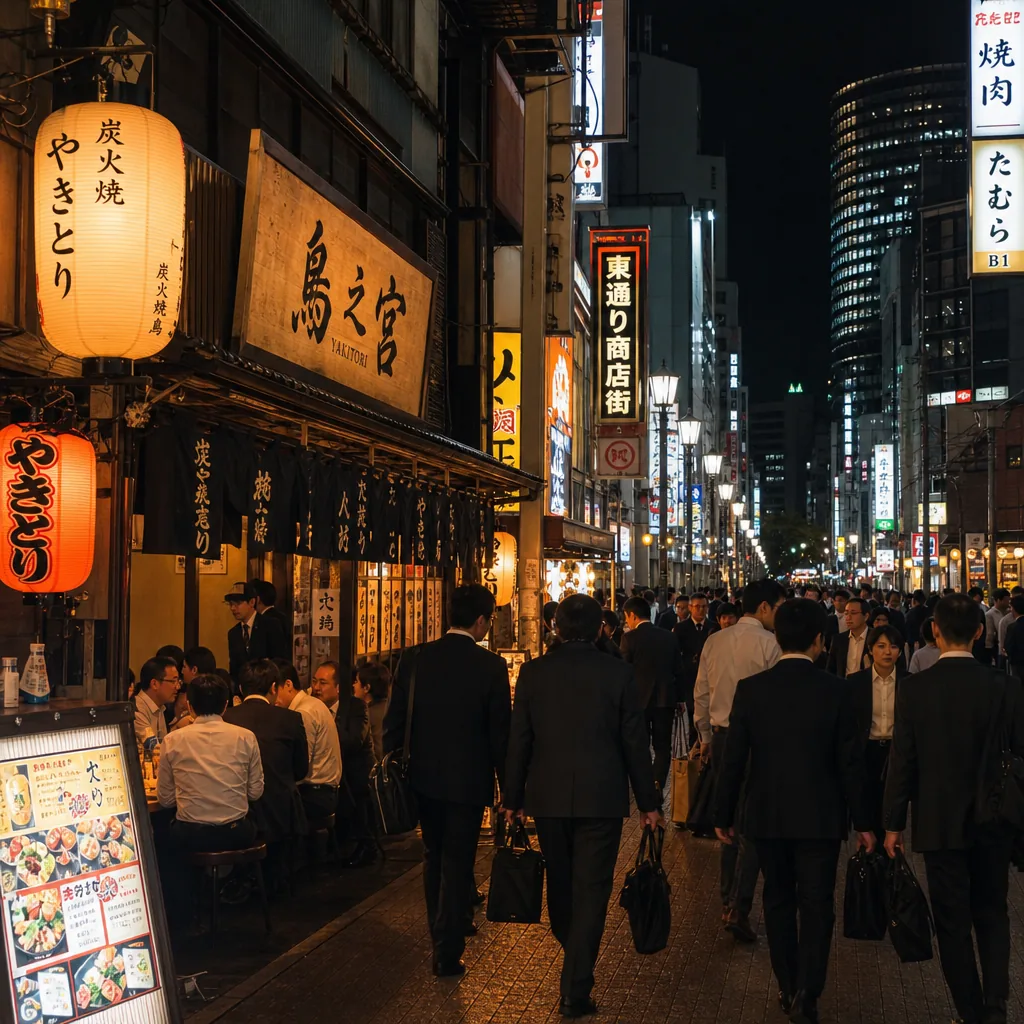
Where can I find english-friendly yakitori in Osaka after work?
Find English-friendly yakitori in Osaka after work by targeting Umeda, Namba, and Honmachi, plus booking sites and multilingual menus.
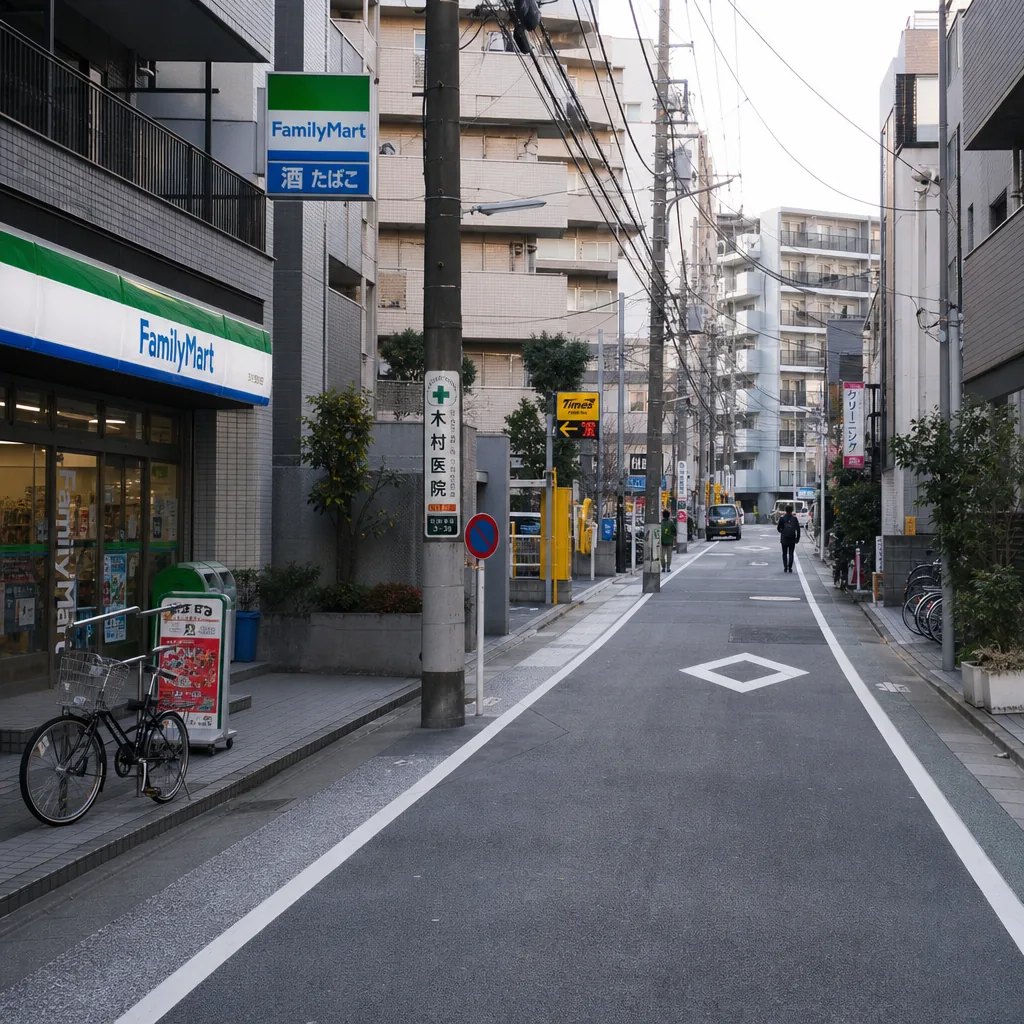
The best Tokyo neighborhoods for furnished monthly rentals are the ones that match your commute, budget, and daily routine. In practice, Shinjuku, Shibuya, Minato, Chiyoda, Ueno, and Asakusa are among the strongest options because Tokyo’s dense rail network makes many districts workable if you stay near a station [1][2].
Tokyo is unusually well suited to monthly stays because the city is built around rail access rather than a single downtown core. The Tokyo Metropolitan Government’s tourism overview emphasizes the city’s extensive transport network, and the Tokyo Metro map shows how many major areas are connected by frequent subway lines [1][2]. That means you can often choose a neighborhood based on lifestyle instead of only trying to live next to one office district.
For furnished monthly rentals, this is especially useful. A unit in one part of the city may still give you fast access to business centers, shopping, and cultural areas if you are near a major station. That is why neighborhoods with strong interchange stations, reliable rail links, and everyday services tend to perform best for short-to-medium stays.
The strongest Tokyo neighborhoods for furnished monthly rentals usually fall into three practical categories: central business hubs, upscale central wards, and lower-cost areas with solid transit. The right choice depends less on the “best” district overall and more on the kind of stay you need.
These areas stand out because they combine rail access, services, and housing options in a city where station proximity often matters more than street-level distance.
Shinjuku is one of the best all-around bases for a furnished monthly rental. Shinjuku Station is one of Tokyo’s largest transport hubs, and the surrounding area offers a deep range of shopping, restaurants, and services, which is helpful if you are settling in quickly [4]. The Shinjuku City government also provides foreign-language information for residents and visitors, reflecting the ward’s long-standing international use [4].
Shibuya is a strong fit if you want a central, lively neighborhood with excellent rail connections. The area works well for people who want quick access to nightlife, creative industries, and multiple transit lines. Because the district is in demand, furnished units can be competitive, so booking early matters more here than in less central wards [1][2].
Minato is often one of the best choices for expats and business travelers. The ward includes international business areas, embassies, and upscale residential pockets, and the Minato City website provides English-language local information for residents [5]. If you need a polished area with straightforward access to central Tokyo, Minato is often worth the higher price [5].
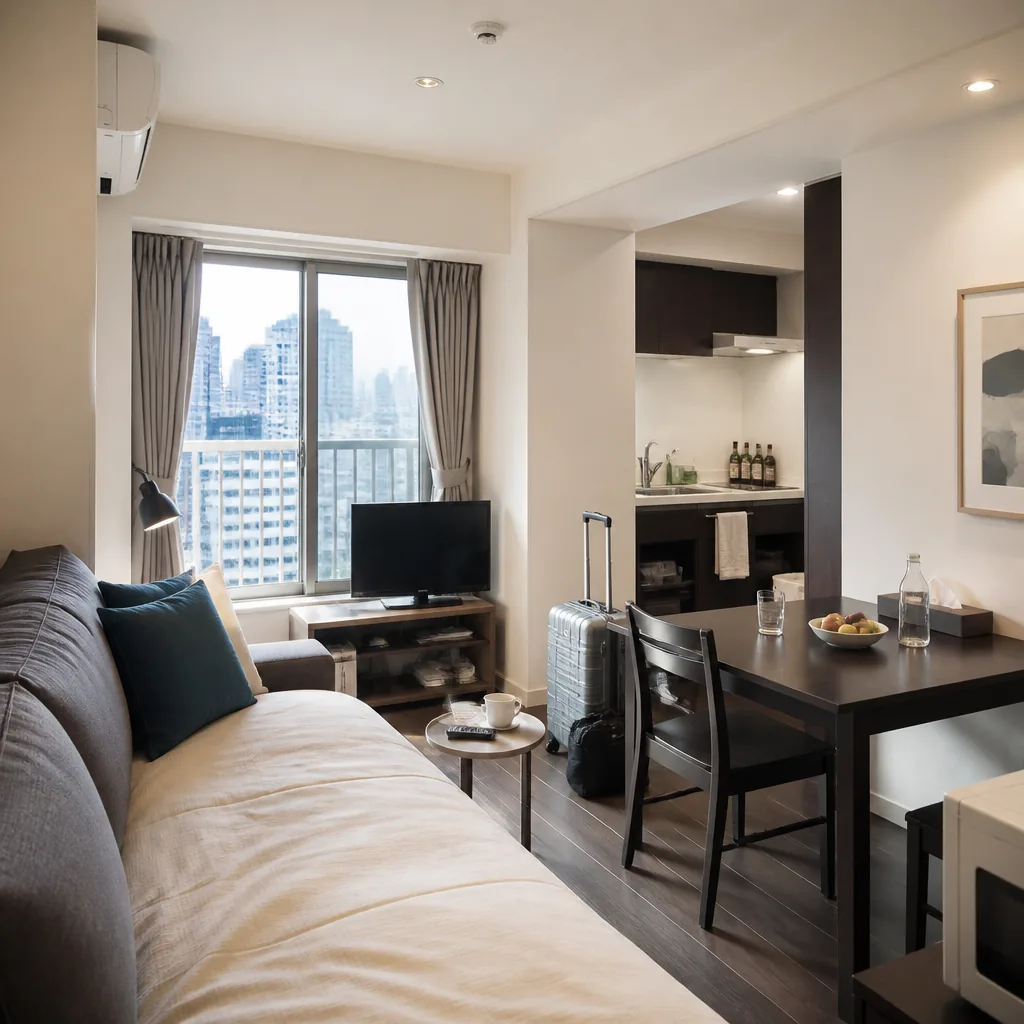
Chiyoda is attractive for travelers who want to be as central as possible. Tokyo Station sits on the edge of Chiyoda and is one of the city’s most important rail gateways, with JR East highlighting the area’s role as a major access point to business, shopping, and intercity travel [3]. This makes Chiyoda especially useful if you plan to move around the city frequently or take day trips by train [3].
The trade-off is that rental stock can be limited and prices are usually higher than in outer districts. In many cases, furnished monthly units in Chiyoda are best suited to travelers who prioritize convenience over space. If you are only in Tokyo for a few weeks and want minimal commuting friction, that premium can still make sense [3].
Nearby central wards can offer a similar feel: quieter streets, strong transit, and quick access to office districts. For a monthly stay, this combination is often ideal if your schedule is office-heavy and you do not need a nightlife-centered neighborhood.
Ueno is a practical choice when you want more value without sacrificing mobility. The area has strong train access and easy links to other parts of Tokyo, making it a smart base for travelers who plan to spend more time out of the apartment than inside it [1][2]. Ueno is also a useful jumping-off point for museums, parks, and local shopping, which helps during longer stays.
Asakusa is another common budget-conscious option. It has a more traditional atmosphere than many central business districts, but it still connects well to the rest of the city through the Tokyo Metro network and other rail lines [2]. For renters who want a more residential, less intense environment, Asakusa can be a good compromise between cost and access.
These neighborhoods are especially attractive if your top priority is value. Compared with Shinjuku, Shibuya, or Minato, you may find more manageable monthly rates while still staying within a practical commuting radius of central Tokyo.
When choosing a furnished monthly rental in Tokyo, start with the station rather than the neighborhood name. A smaller or less famous area near a major rail line can be more convenient than a trendy district that requires a long walk. Tokyo’s dense rail system means a property near a reliable station often matters more than being in the city’s most famous address [1][2].
Price and centrality usually move together in Tokyo. The more central and convenient the ward, the more likely furnished monthly units will be limited and expensive. If budget is tight, it is often smarter to save money on the apartment and spend it on a faster rail connection.
First, book early in high-demand neighborhoods. Central wards with strong rail access tend to fill quickly, especially for furnished units. Second, verify exactly what “furnished” includes. Monthly rentals may differ on bedding, kitchen tools, Wi-Fi, and cleaning frequency, so ask for a written inventory before paying.
Third, think about the length of stay. If you are staying only a few weeks, a central area like Shinjuku, Shibuya, or Chiyoda can save time. If you are staying longer, a slightly less central neighborhood with better value may be a better fit, especially if it still connects cleanly to the subway or JR lines [1][2].
Finally, compare at least three areas before committing. In Tokyo, the “best” monthly rental neighborhood is usually the one that gives you the easiest daily life, not just the lowest headline price. For many renters, that means choosing a place near the station they will use most often, then balancing that with the kind of neighborhood they want to live in.
CallButler is a multilingual concierge service that handles research, coordination, and bookings so you do not have to navigate language barriers or unfamiliar systems alone. If you need help related to What are the best Tokyo neighborhoods for furnished monthly rentals? or the tasks around it, our team can step in to manage the details and keep things moving smoothly.
Find English-friendly yakitori in Osaka after work by targeting Umeda, Namba, and Honmachi, plus booking sites and multilingual menus.
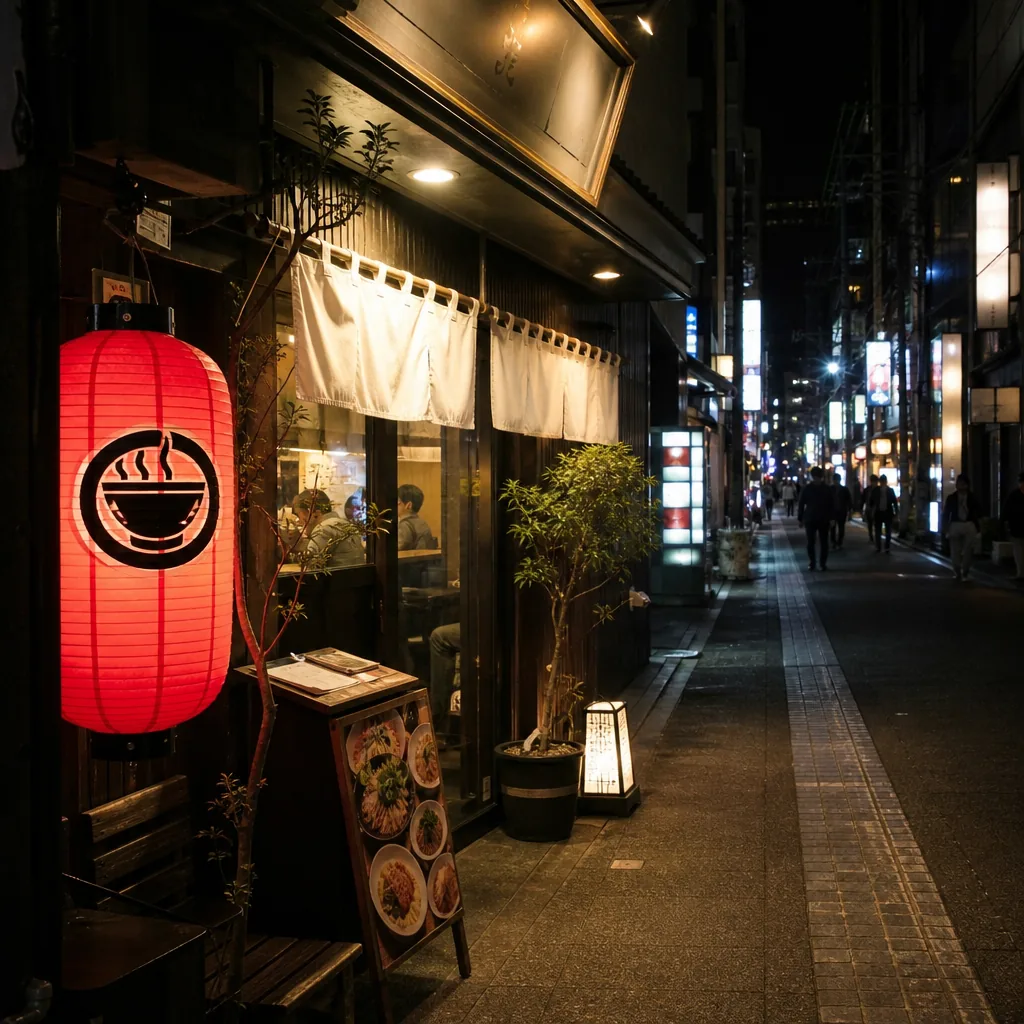
Looking for halal ramen in Kyoto after 10 p.m.? Here’s where to check, which areas are most practical, and how to verify hours and halal status.
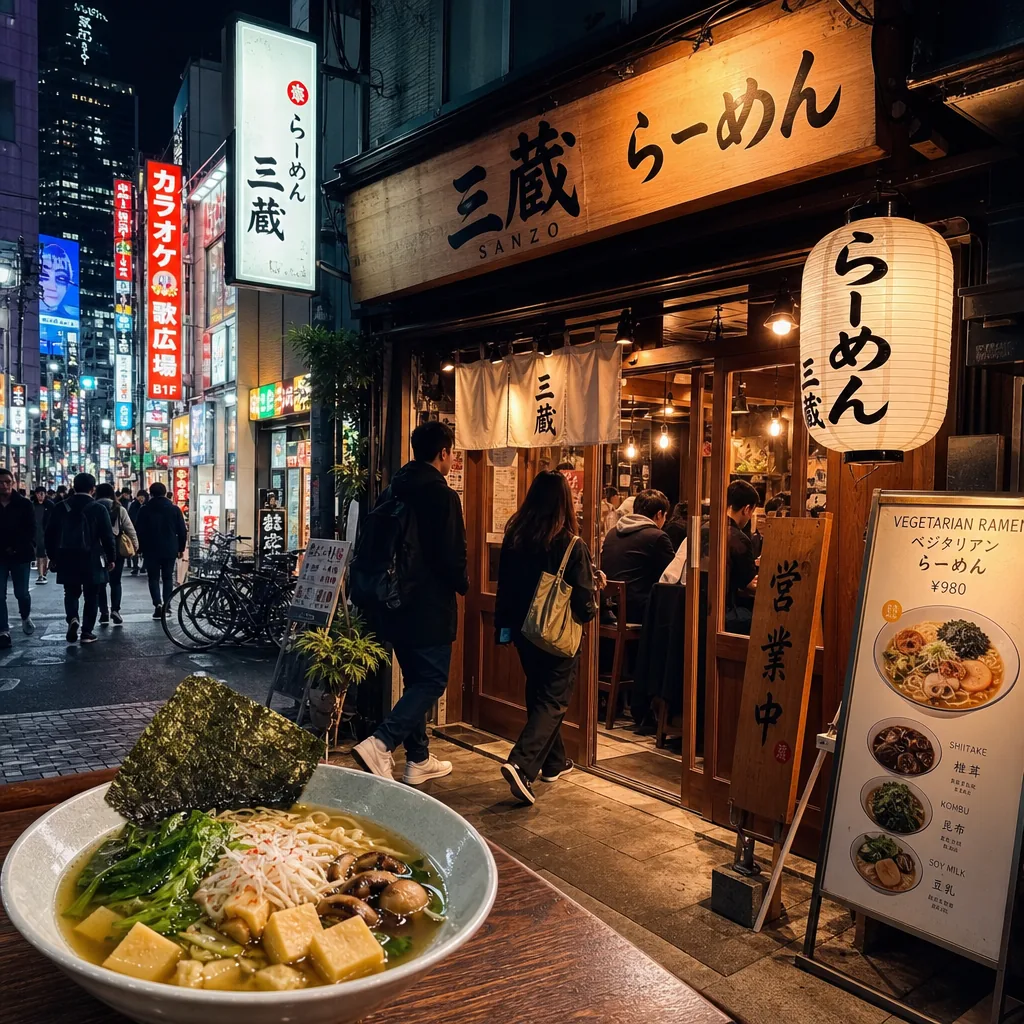
Find late-night vegetarian ramen in Tokyo by focusing on Shibuya, Shinjuku, and Roppongi, then verify broth, hours, and vegan menu details.