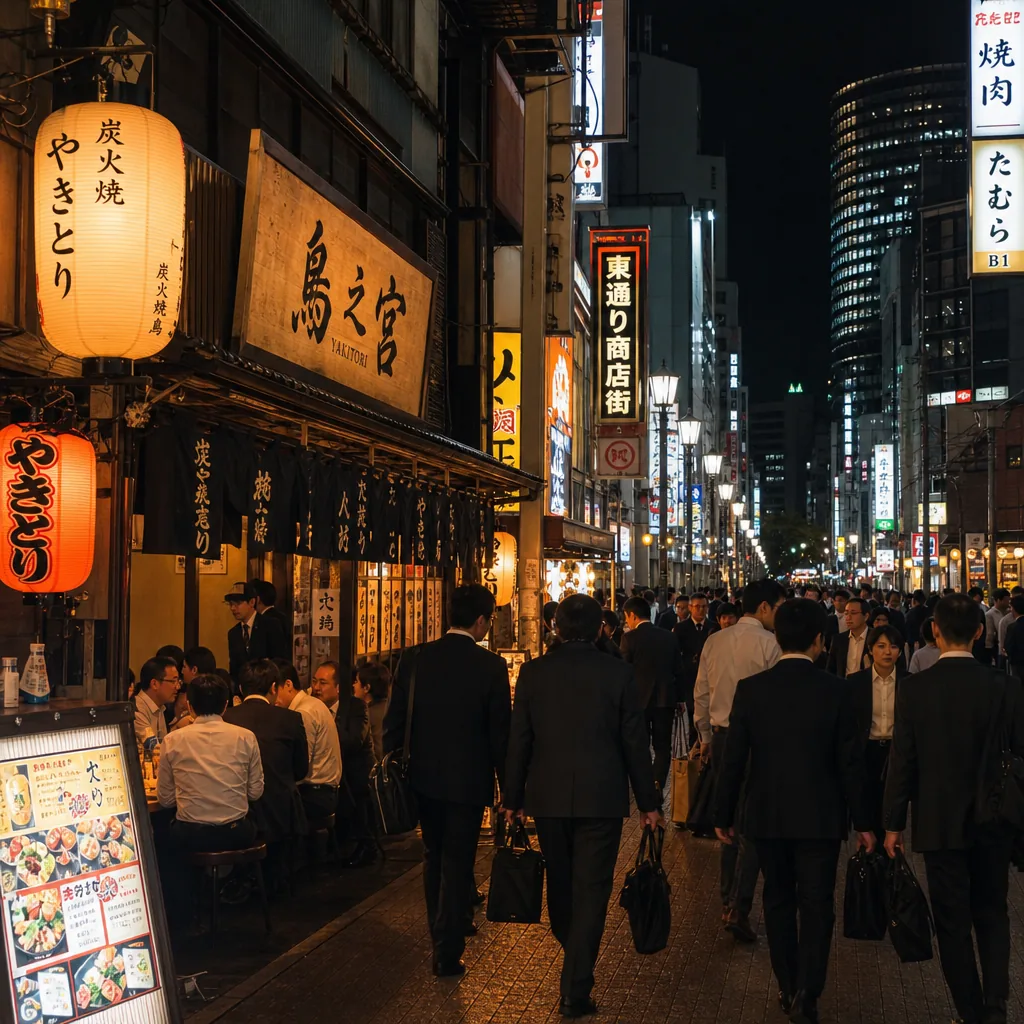
Where can I find english-friendly yakitori in Osaka after work?
Find English-friendly yakitori in Osaka after work by targeting Umeda, Namba, and Honmachi, plus booking sites and multilingual menus.
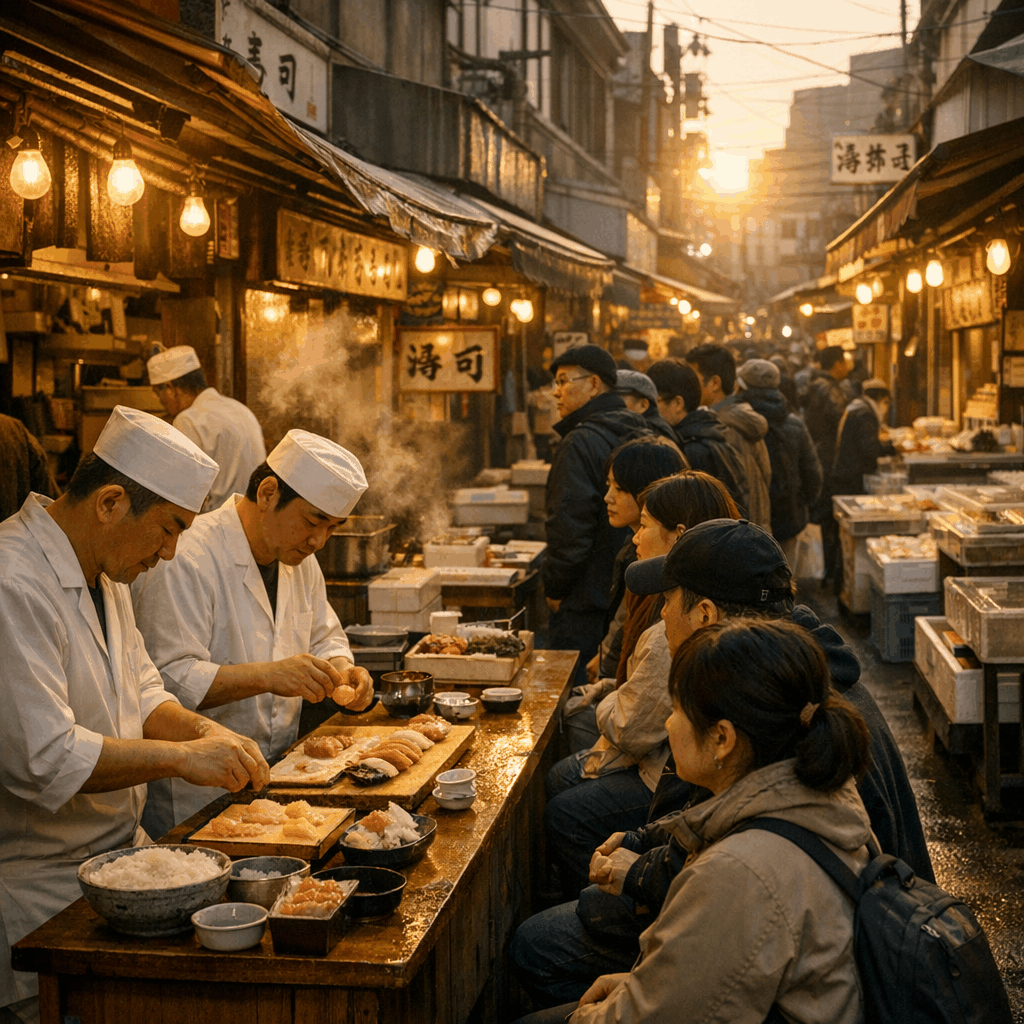
Yes — the best hours at Tsukiji Outer Market in Tokyo are early morning (roughly 5:00–9:30) for freshly made sushi and kaisendon, with a secondary busy window around 11:00–13:00 for late-morning/lunch crowds. Remember the inner wholesale tuna auction moved to Toyosu in 2018, so focus on Tsukiji's outer lanes for restaurants, stalls and street eats [1][4][5].
Since October 2018 the wholesale auction and inner market operations moved to Toyosu Market; Tsukiji's outer market (Tsukiji Jogai) remains the lively cluster of restaurants, retail stalls and food vendors that visitors come to for breakfasts and snacks [4][5][1]. The official Tsukiji Outer Market site and Tokyo tourism pages describe the area as a compact network of lanes packed with sushi counters, seafood wholesalers, and specialty shops clustered in the Tsukiji neighborhood of Chuo City [1][2].
Most outer-market shops open early — typically between about 5:00 and 6:00 a.m. — and begin closing by early afternoon, often around 13:00–15:00. Plan for two realistic windows: the breakfast rush (about 5:00–9:30) and a second lunch window (about 11:00–13:00) when shoppers return; many stalls will sell out earlier in the day so arriving early is safest [1][2][3].
Focus on items that highlight Tsukiji’s strengths: fresh raw seafood, quick grilled bites and market-made snacks. Consistently recommended specialties include:
Head straight for well-known small sushi counters and long-standing vendors early in the morning if you want a sit-down experience; Japan Guide highlights tiny counters such as Sushi Dai and Daiwa Sushi as examples of places that regularly attract long queues for top-quality nigiri [3]. Start at the main thoroughfares of Tsukiji Outer Market to sample tamagoyaki stalls and grilled seafood, then work into narrower lanes for specialty sashimi and prepared-food shops [1][2].
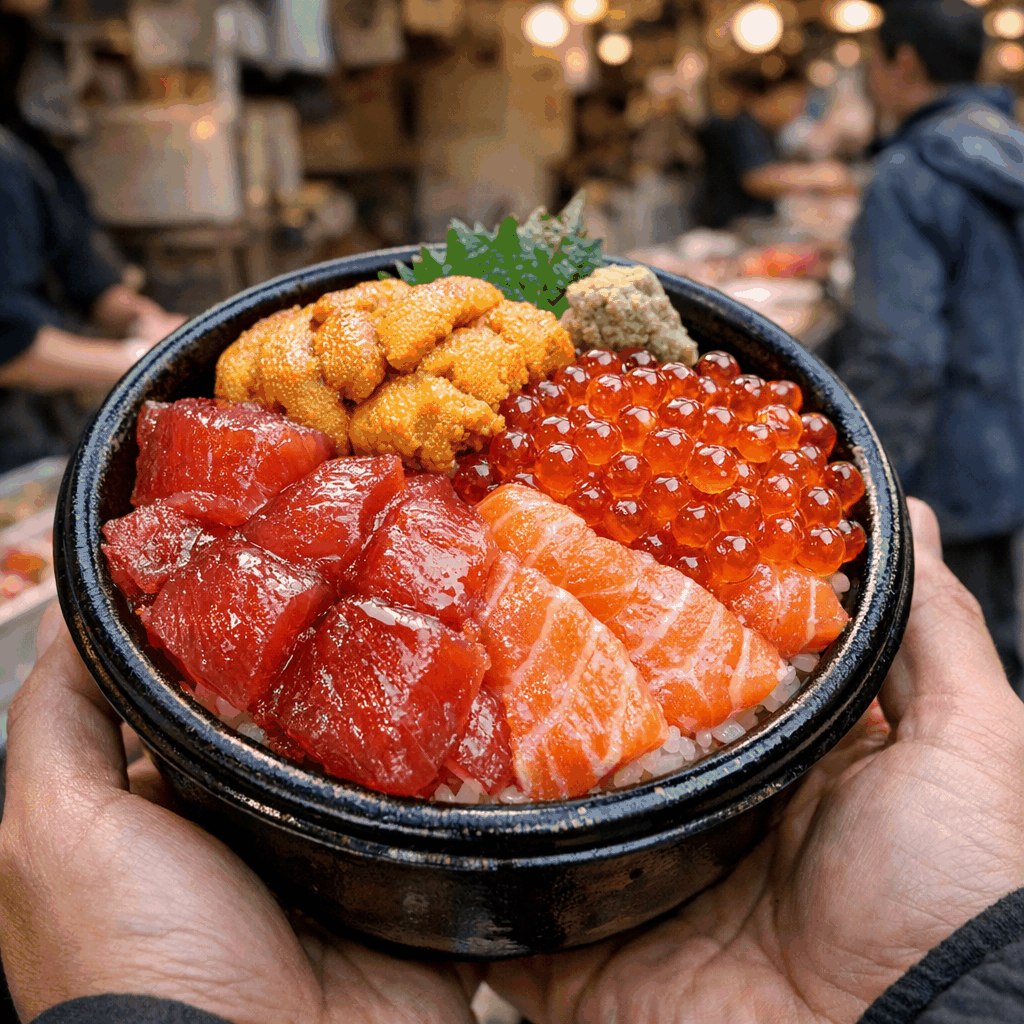
If your priority is watching the wholesale tuna auction, plan a visit to Toyosu Market in Koto — the auction and wholesale functions moved there in 2018 and Toyosu has designated visitor areas and schedules for auction viewing [4][5]. For dining and street-sampling, return to Tsukiji Outer Market, which remains the best place in Tokyo for a market-food morning [1][2][5].
By basing your schedule on the 5:00–9:30 and 11:00–13:00 windows, prioritizing specific counters early, carrying cash, and checking closure days, you’ll get the most authentic Tsukiji eating experience in Tokyo while avoiding the common pitfalls visitors face [1][2][3][4][5].
CallButler is a multilingual concierge service that handles research, coordination, and bookings so you do not have to navigate language barriers or unfamiliar systems alone. If you need help related to What are the best hours and eats at Tsukiji Market in Tokyo? or the tasks around it, our team can step in to manage the details and keep things moving smoothly.
Find English-friendly yakitori in Osaka after work by targeting Umeda, Namba, and Honmachi, plus booking sites and multilingual menus.
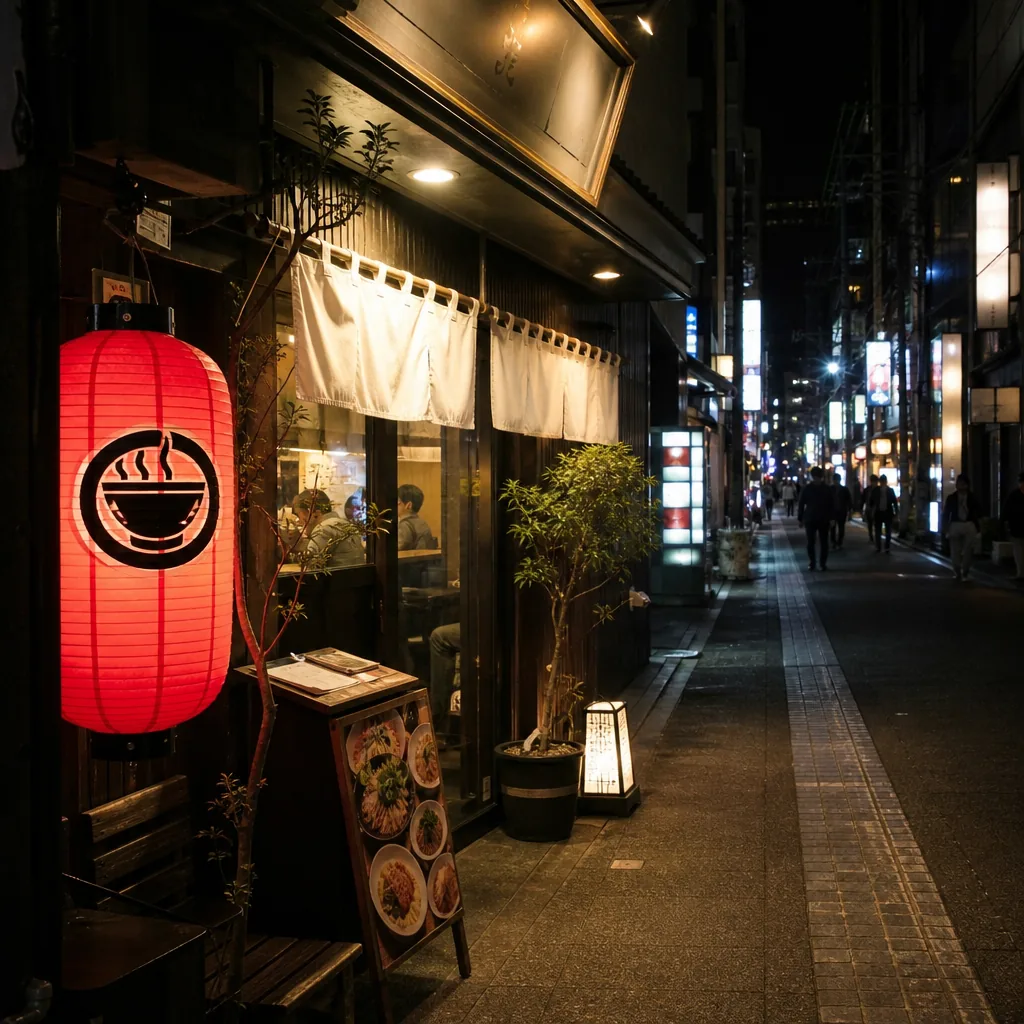
Looking for halal ramen in Kyoto after 10 p.m.? Here’s where to check, which areas are most practical, and how to verify hours and halal status.
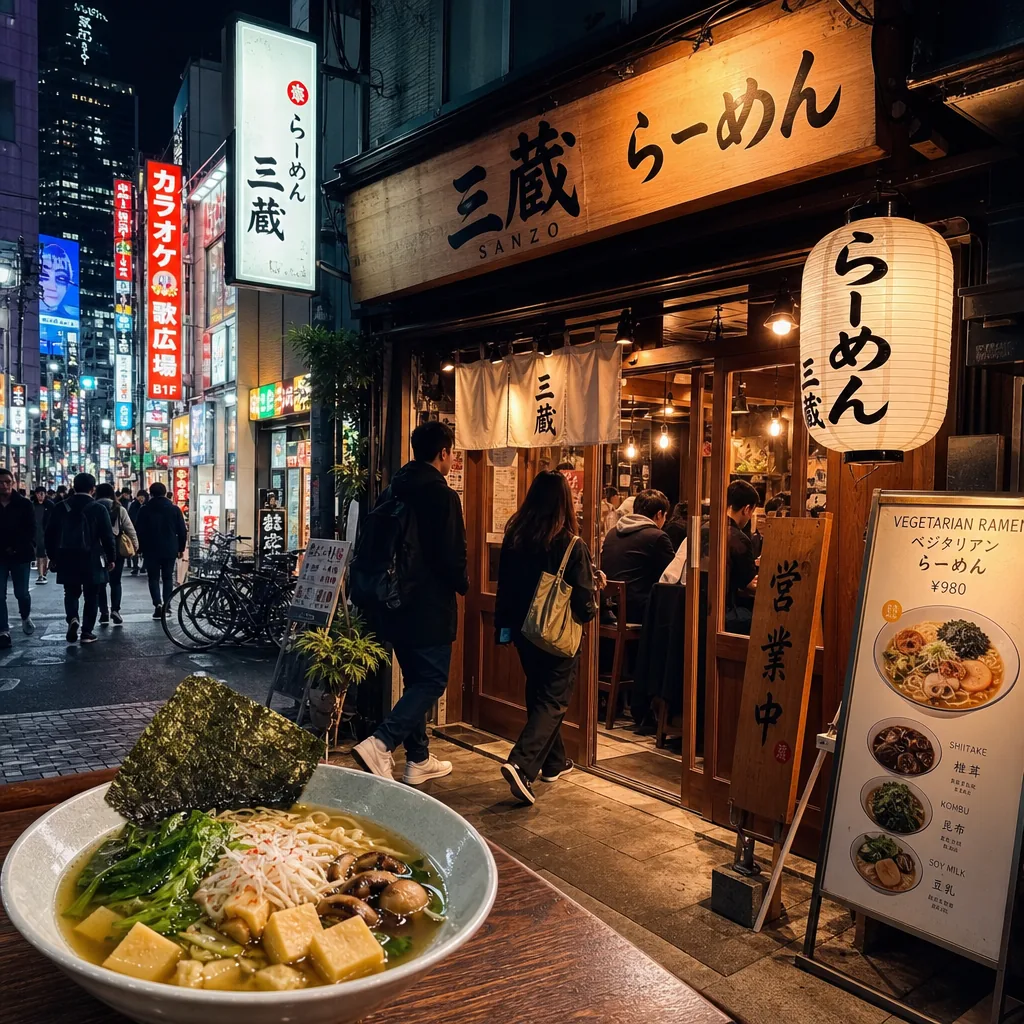
Find late-night vegetarian ramen in Tokyo by focusing on Shibuya, Shinjuku, and Roppongi, then verify broth, hours, and vegan menu details.