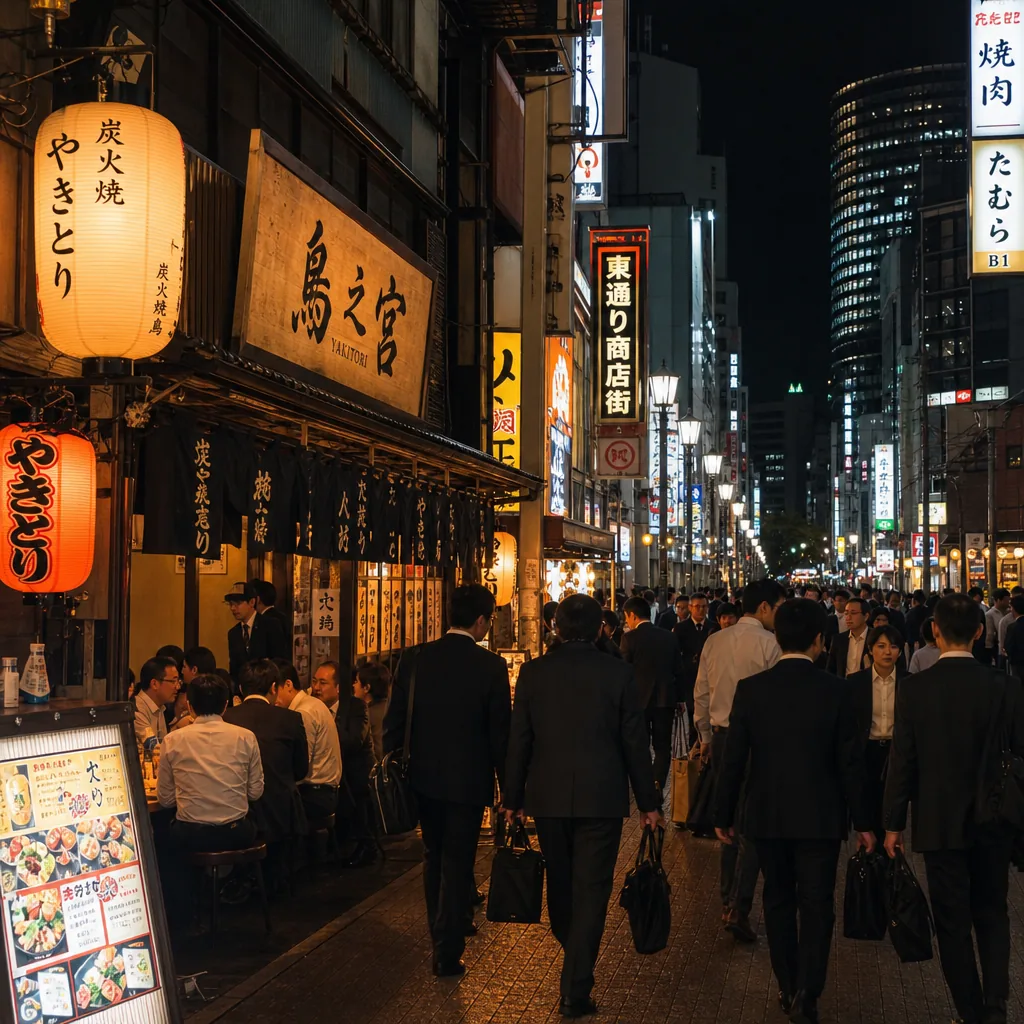
Where can I find english-friendly yakitori in Osaka after work?
Find English-friendly yakitori in Osaka after work by targeting Umeda, Namba, and Honmachi, plus booking sites and multilingual menus.
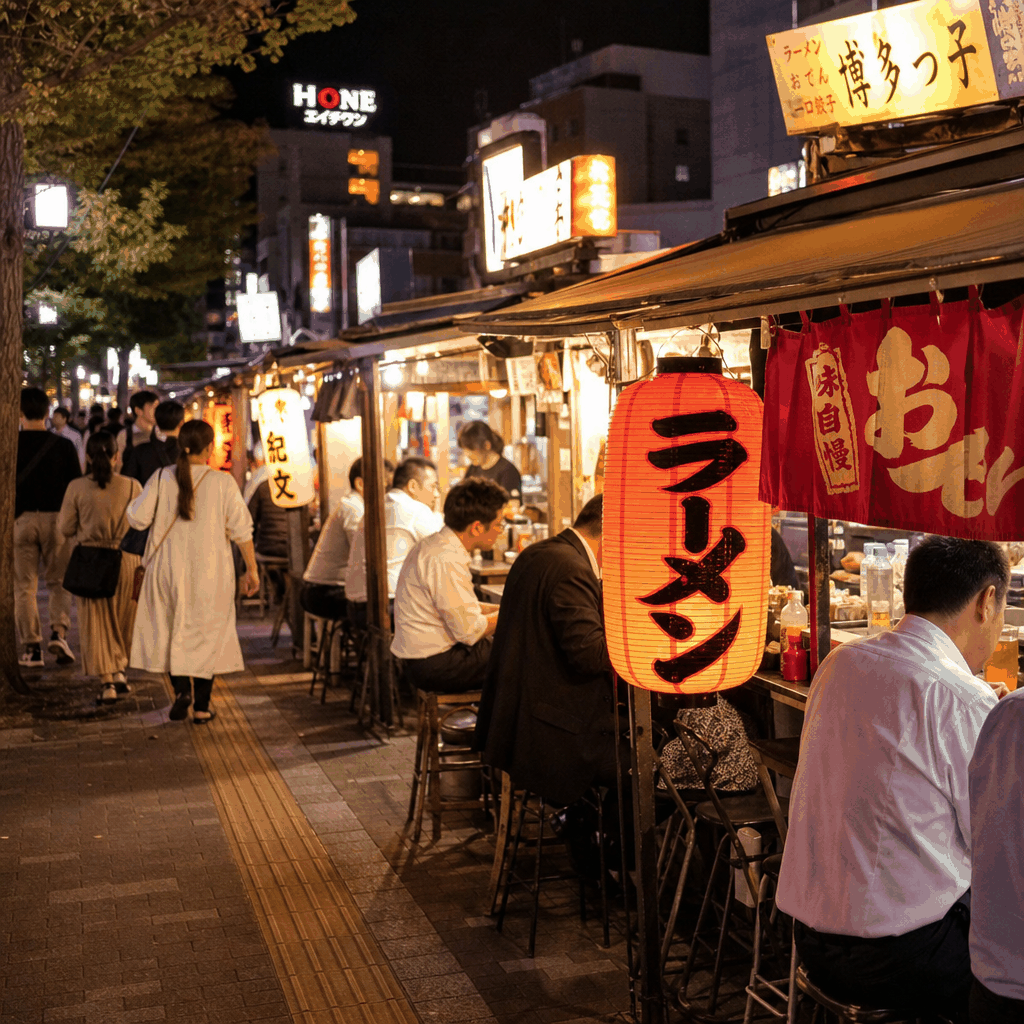
Yes—visiting Fukuoka’s yatai is straightforward if you go in the evening, sit down when a seat opens, and order with a menu, pointing, or a few simple Japanese phrases. The easiest approach is to focus on busy, well-known areas such as Nakasu, Tenjin, and Nagahama, where the city officially highlights yatai as a signature nighttime experience [1][3][4].
Yatai are small open-air food stalls that set up for dinner and late-night service, and Fukuoka is the city most closely associated with them in Japan [1][3]. The official Fukuoka City Tourism Guide points visitors to major yatai areas including Nakasu, Tenjin, and Nagahama [1]. If you want a first-time experience, these neighborhoods are the most practical places to start because they are central and already known to visitors [1][4].
Tenjin is especially convenient because it is Fukuoka’s main shopping and business district, so it is easy to combine a yatai visit with an evening walk or shopping stop [4]. Nakasu is another famous option, with the city’s tourism materials describing yatai as part of the area’s nightlife identity [1]. Nagahama is also strongly associated with yatai culture and is one of the names most often linked to the city’s stall scene [1][2].
Yatai generally open in the evening, and the city notes that operating days and hours can vary by stall [1]. That means the safest plan is to arrive around dinner time rather than very late, especially if you want your pick of seats and dishes. Some stalls may close when they sell out, so there is no guarantee that a specific stall will stay open until the end of the night [1].
For a first visit, choose a stall that already has a few customers but is not completely packed. That usually gives you the best balance: the place is popular enough to feel lively, but not so crowded that you will wait a long time for a seat. Because seating is limited, patience matters—many yatai are compact, so it is normal to wait until a space opens rather than crowd the counter [1][2].
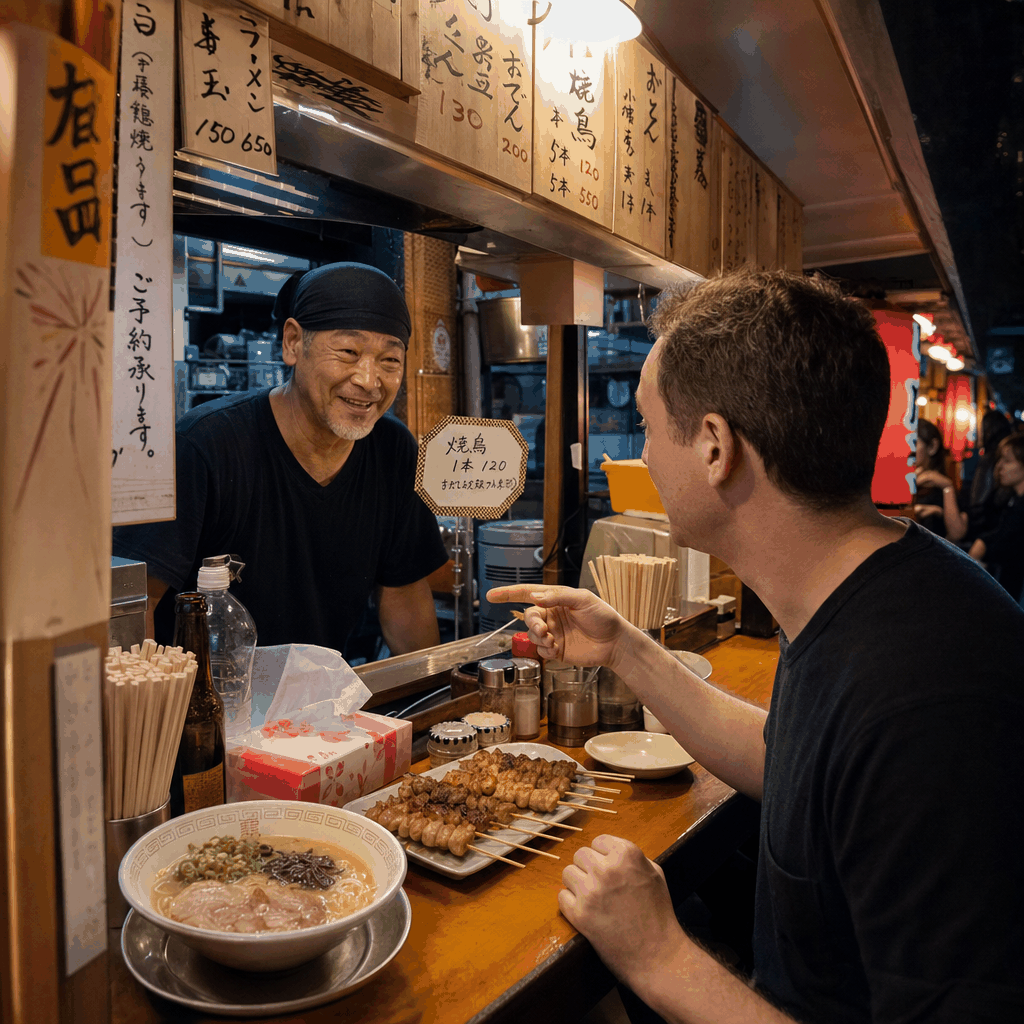
Ordering at a yatai is usually informal. You sit down, check the menu if one is available, and then point to items or say a simple order to the staff [1][2]. English menus are not guaranteed, so the most useful approach is to keep your first order simple and readable. The staff are used to dealing with visitors in compact, busy spaces, so short phrases and pointing are perfectly normal.
Useful phrases include:
If you feel unsure, start by ordering one drink and one signature dish, then add more once you have settled in. That is a comfortable way to eat in a small stall without feeling rushed.
Cash is the most reliable way to pay at yatai, and smaller stalls may prefer or only accept cash [1][2]. Bring enough yen for your meal plus drinks so you do not need to leave in the middle of service. Since space is tight, keep your bag close to your body and avoid spreading items across the counter.
In compact stalls, etiquette makes a real difference. Do not block the aisle, wait your turn for seats, and keep your voice low enough not to overwhelm the small space. The official tourism guidance also reflects the fact that yatai are small, local operations, so respectful behavior helps everyone enjoy the experience [1]. If you want to take photos, ask first instead of assuming it is okay, especially when staff are cooking or serving.
It also helps to avoid sitting for too long during peak hours if the stall is busy. Yatai are part of an informal dining culture, but they still depend on quick turnover because seating is limited [1][2]. A relaxed but considerate pace is the best fit.
Fukuoka yatai are especially known for Hakata ramen, yakitori, oden, gyoza, and other izakaya-style dishes [1][2][3]. If you want to taste the city’s signature food, Hakata ramen is the most iconic choice. The Japan National Tourism Organization also identifies Fukuoka as a major food destination, which makes yatai a practical way to sample local flavors in one sitting [3].
For a balanced first meal, try one noodle dish, one grilled item, and one lighter side. For example, ramen plus yakitori is a common combination, while oden works well if you want something warm and simple. If you are visiting with friends, sharing a few small dishes is often the easiest way to sample more without over-ordering.
The best strategy is not to try everything at once. Order one or two specialties, then decide whether you want more. Because some stalls may close when ingredients run out, a small but focused order is smarter than waiting too long to decide [1].
Fukuoka is a city where yatai are integrated into ordinary nightlife, so the biggest practical issues are usually crowds, cash, and timing—not complicated rules [1][3]. Still, there are a few things that will make your visit smoother. Go with enough cash, arrive before you are extremely hungry, and have a backup stall in mind in case your first choice is full or closed [1][2].
If you follow those basics, a yatai night in Fukuoka is usually relaxed rather than intimidating. The city’s official tourism resources make clear that yatai are meant to be approachable, local, and part of everyday Fukuoka life [1][3]. For an expat, that is the key takeaway: visit one of the main yatai areas, keep your order simple, and enjoy the atmosphere as much as the food.
CallButler is a multilingual concierge service that handles research, coordination, and bookings so you do not have to navigate language barriers or unfamiliar systems alone. If you need help related to How do I visit and order at Fukuoka yatai street stalls as an expat? or the tasks around it, our team can step in to manage the details and keep things moving smoothly.
Find English-friendly yakitori in Osaka after work by targeting Umeda, Namba, and Honmachi, plus booking sites and multilingual menus.
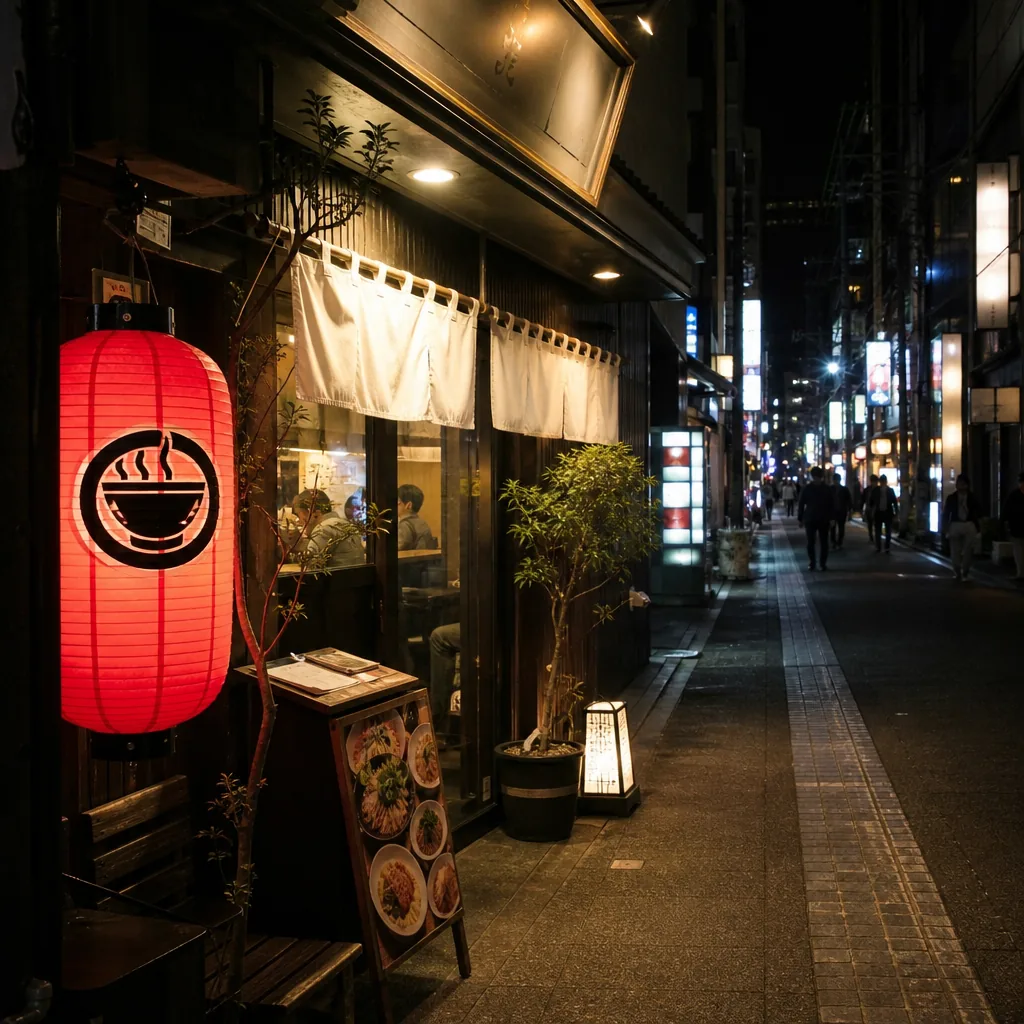
Looking for halal ramen in Kyoto after 10 p.m.? Here’s where to check, which areas are most practical, and how to verify hours and halal status.
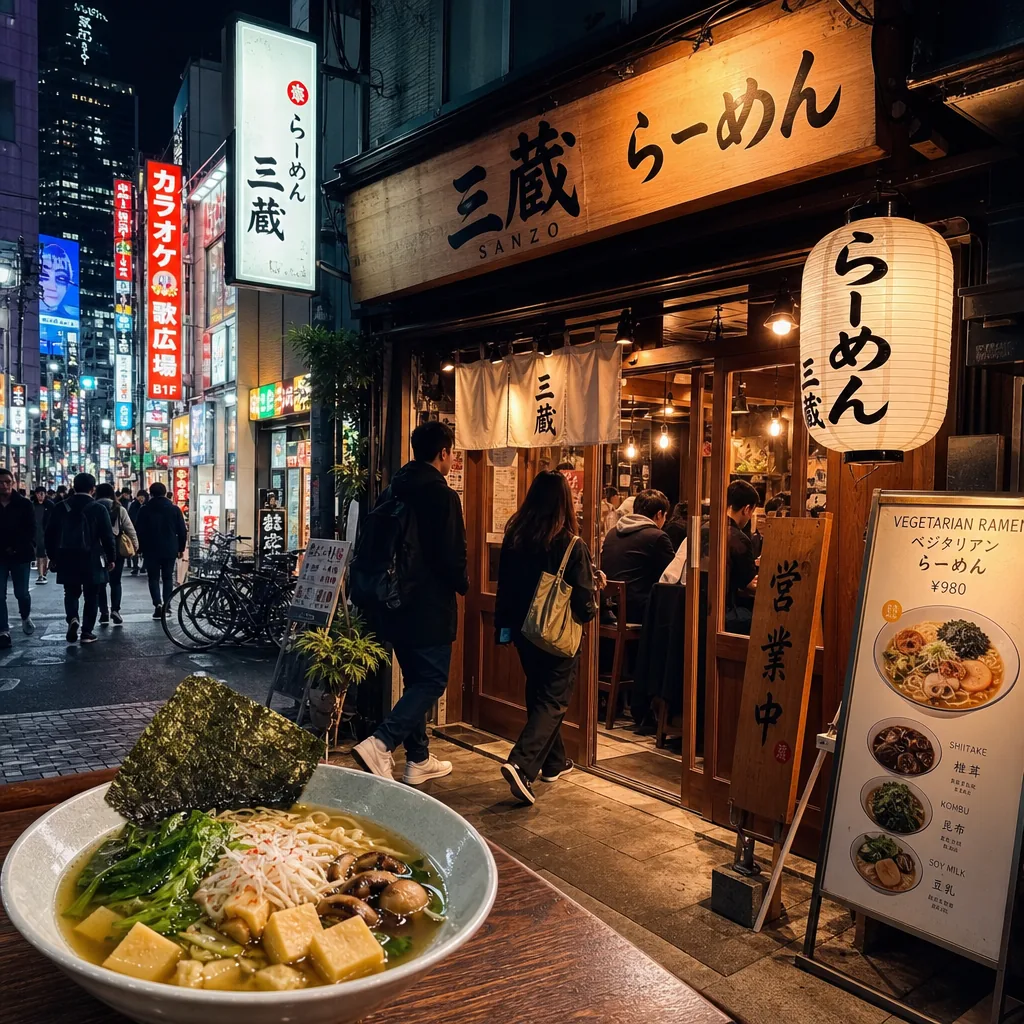
Find late-night vegetarian ramen in Tokyo by focusing on Shibuya, Shinjuku, and Roppongi, then verify broth, hours, and vegan menu details.