
Where can I find english-friendly yakitori in Osaka after work?
Find English-friendly yakitori in Osaka after work by targeting Umeda, Namba, and Honmachi, plus booking sites and multilingual menus.
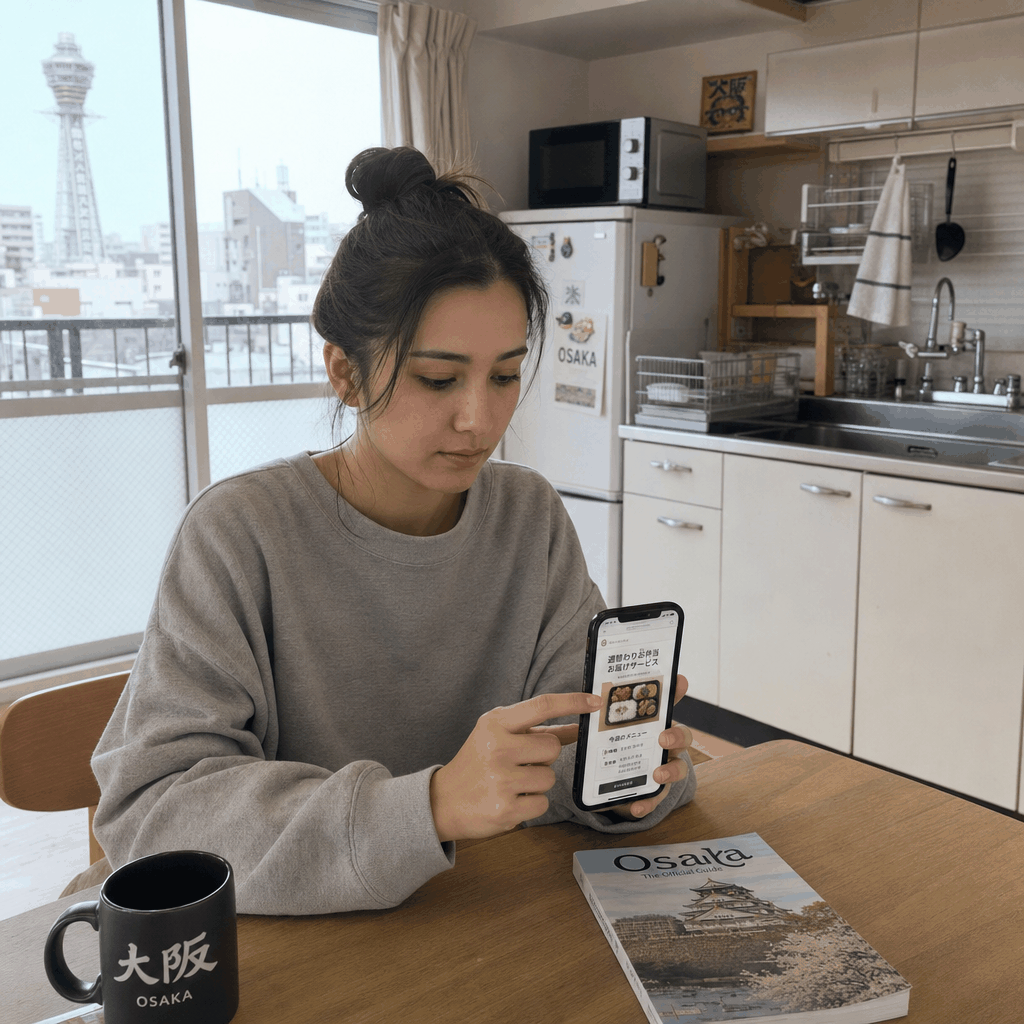
Yes—if you live in Osaka, you can usually subscribe to weekly bento delivery by checking your address first, then choosing a service that covers your ward or neighborhood. Many providers in Japan use postal-code or address checks, offer recurring orders or weekly plans, and let you start with a trial order before committing to regular delivery [3][4][5].
In Osaka, “weekly bento delivery” usually means a meal service that brings prepared lunches or dinners on a regular schedule, often once or several times per week. Some services are true subscriptions, while others let you place repeating orders after a trial period. For newcomers, the practical value is convenience: you can set a routine without shopping, cooking, or trying to find a restaurant each day.
Osaka is a large urban area with distinct neighborhoods, from Umeda and Namba to Tennoji and the bay area, so the most important question is not the city itself but whether the service reaches your specific address. Osaka City’s official website is the best starting point for ward and address information, while Osaka Info and JNTO both describe the city as a major area with dense transit and everyday services that make delivery-based living practical [1][2][6].
Most providers ask you to enter a postal code or full address before they show delivery availability. This is especially common for app-based delivery platforms and home-meal services, because coverage can change by building access, delivery zone, and operating hours [3][4][5].
If you are moving into a new apartment in Osaka, check delivery access in the following order:
For example, Wolt Osaka lets users check service availability by address and shop list before ordering, which is useful if you live in a central area such as Nishi, Chuo, or Kita ward and want quick access to multiple food options [4]. For a more traditional meal-service model, Musubi-bento is an Osaka local provider that presents meal delivery as a neighborhood-friendly service with online ordering [3].
The exact process varies, but most weekly bentos follow a similar pattern. First you choose a plan or meal type; then you enter your Osaka address, delivery date, and payment method; and finally you confirm whether you want a single trial order or an ongoing schedule [3][4][5].
Yayoiken’s delivery and takeout information is a good example of how Japanese chain restaurants often let customers order online or by app and then choose pickup or delivery, depending on the area and service model [5]. If you are new to Japan, that kind of interface can be easier than starting with a fully customized diet service.
Most services accept common cashless payment methods, including credit card, and some app-based services also use digital payment options. Before subscribing, confirm whether the charge is per order, weekly, or monthly, because the billing cycle can affect how easy it is to pause or cancel [3][4][5].
Delivery days are often fixed by route, not entirely by your preference. That means a service may only deliver on certain weekdays to your area in Osaka, especially if it uses reusable containers or a neighborhood run. Reusable packaging is common in some home-meal services, and certain providers require the containers to be returned or picked up after use; that detail should be checked before you subscribe [3].
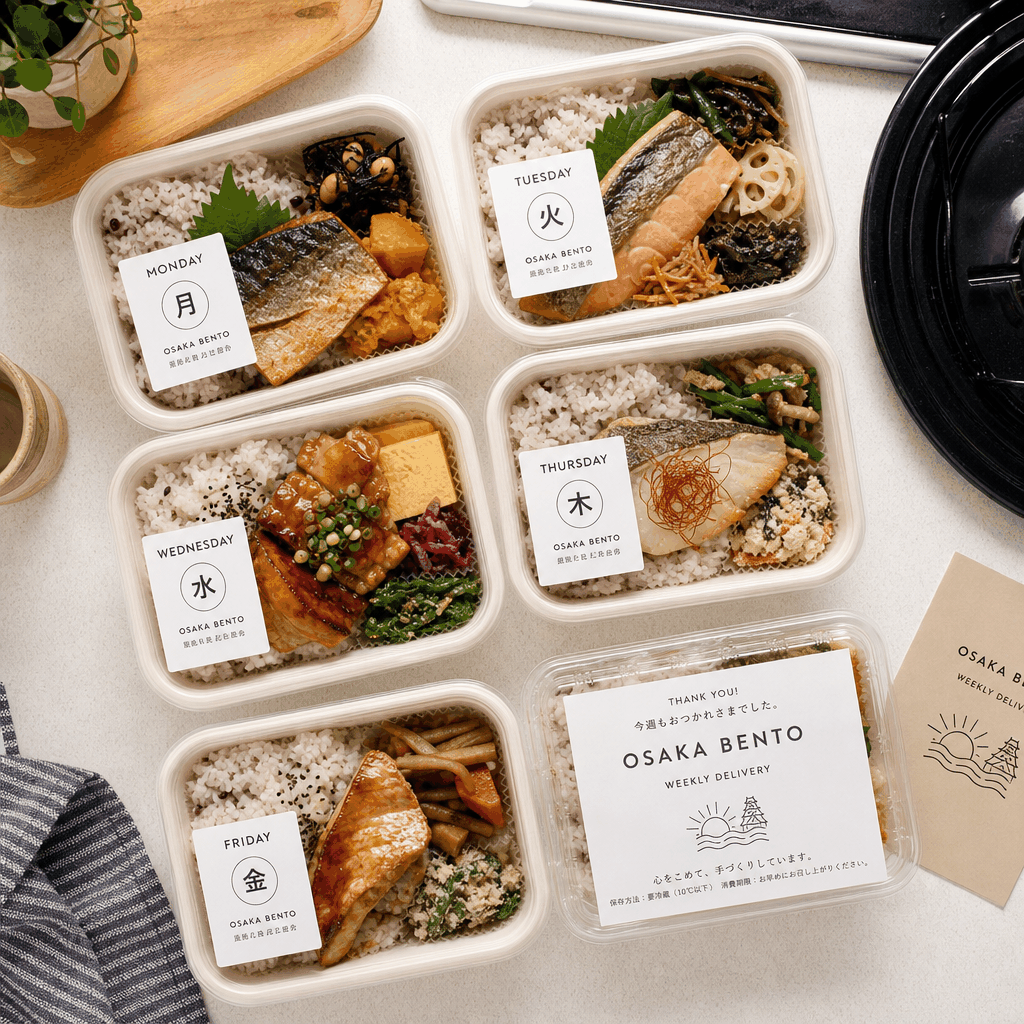
The best plan is the one that fits your routine, your building access, and your comfort with Japanese-language instructions. A newcomer in Osaka should prioritize clarity over variety at first. A simple weekly bento plan with a small number of choices is often easier than a large menu with many add-ons.
Use this checklist before subscribing:
For Osaka residents who want a broader range of food without long-term commitment, Wolt Osaka is useful for comparing restaurants and delivery options by address [4]. If you prefer a fixed meal routine, an Osaka-based provider like Musubi-bento may be a better starting point because it is already set up around local meal delivery [3]. If you want familiar restaurant-style bentos, Yayoiken’s delivery/takeout system is another practical option to compare [5].
Can I start with a one-time order? Yes. Many services let you place a trial order first, which is smart if you are still learning your schedule or do not know whether the taste and portion size will work for you [3][4][5].
Is Osaka-wide delivery guaranteed? No. Even within Osaka City, delivery can depend on the ward, street access, and the provider’s routing. Always verify the exact address rather than assuming the whole city is covered [1][3][4].
What should I prepare before ordering? Have your address, phone number, building name, preferred delivery day, and payment method ready. If you live in an apartment with a secure entrance, add delivery instructions so the driver can find you.
For newcomers, the easiest path is to start small: check coverage, compare one local service and one app-based service, place a trial order, and then move to a weekly plan only after you know the delivery timing and container rules. That approach keeps the process simple while still giving you a reliable bento routine in Osaka’s busy urban setting [3][4][5][6].
CallButler is a multilingual concierge service that handles research, coordination, and bookings so you do not have to navigate language barriers or unfamiliar systems alone. If you need help related to How do I subscribe to weekly bento delivery in Osaka as a newcomer? or the tasks around it, our team can step in to manage the details and keep things moving smoothly.
Find English-friendly yakitori in Osaka after work by targeting Umeda, Namba, and Honmachi, plus booking sites and multilingual menus.
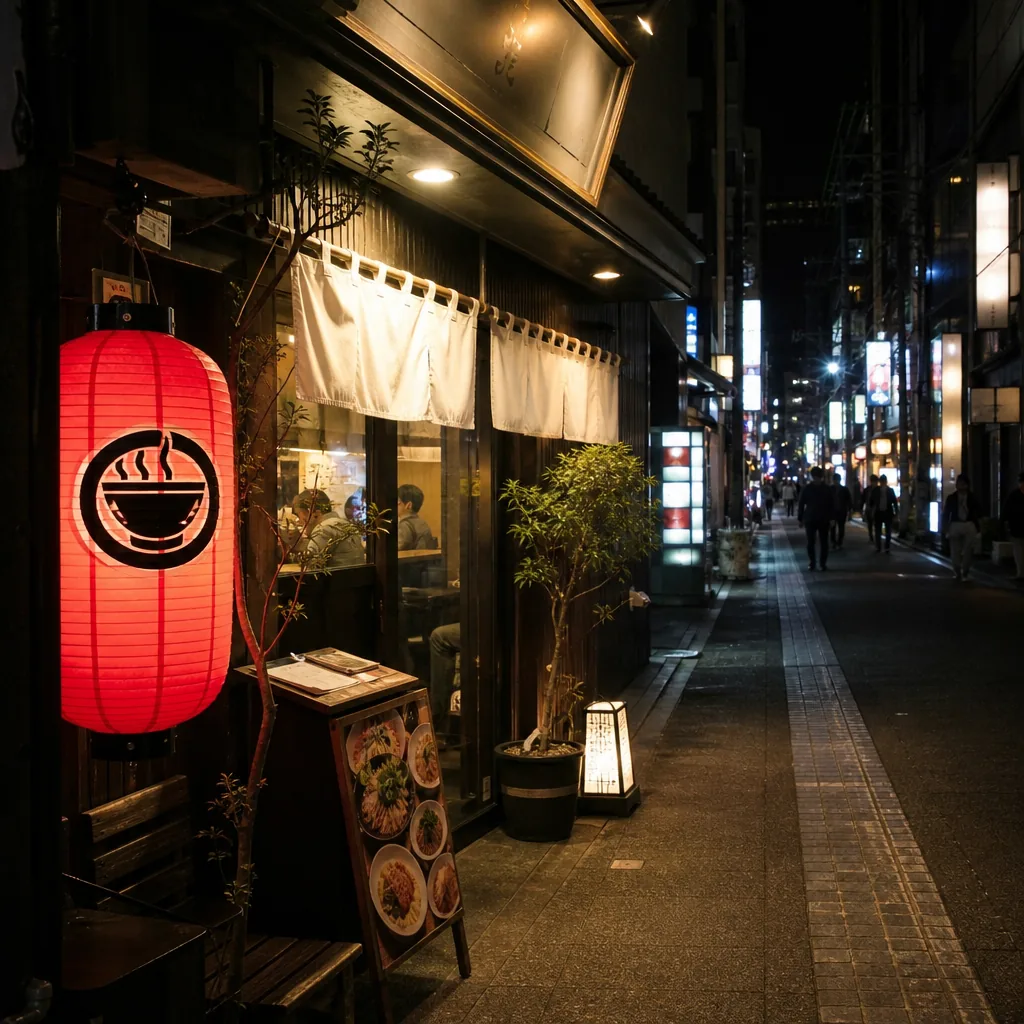
Looking for halal ramen in Kyoto after 10 p.m.? Here’s where to check, which areas are most practical, and how to verify hours and halal status.
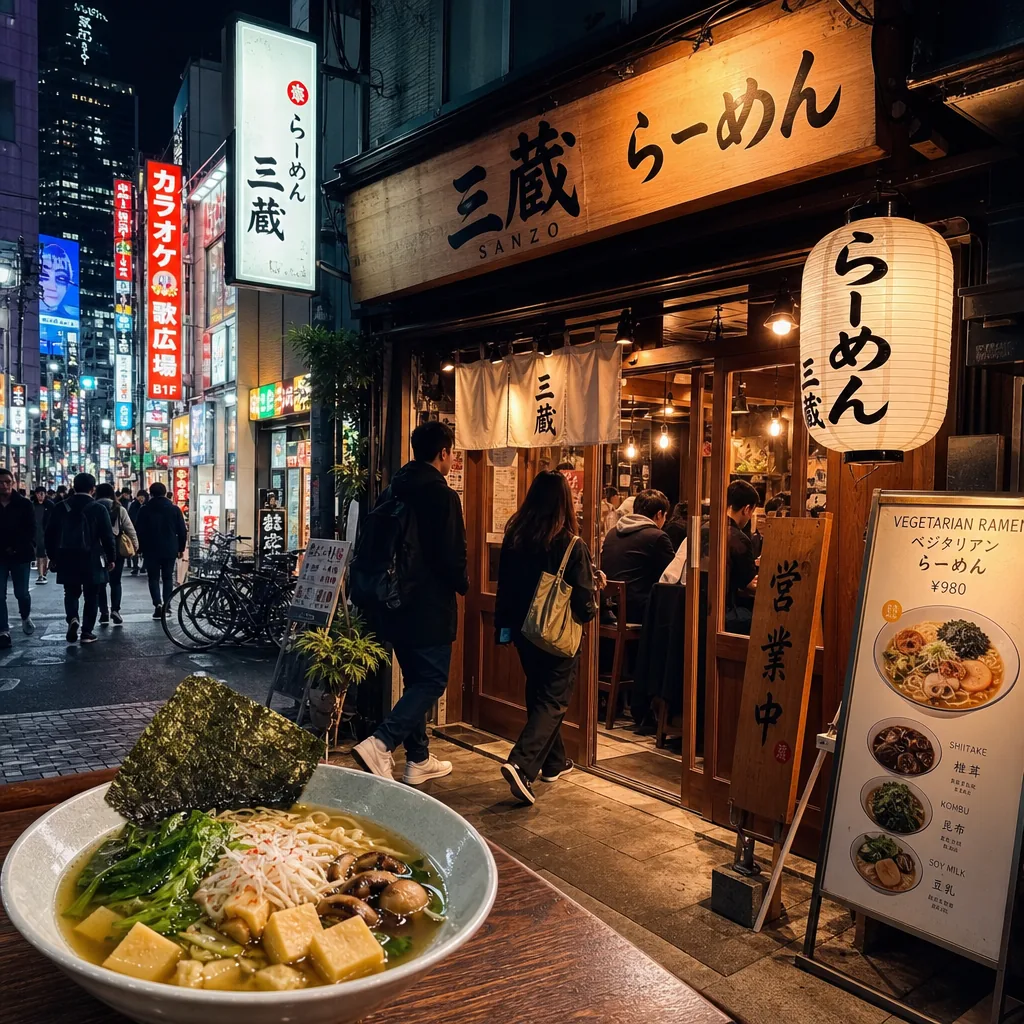
Find late-night vegetarian ramen in Tokyo by focusing on Shibuya, Shinjuku, and Roppongi, then verify broth, hours, and vegan menu details.