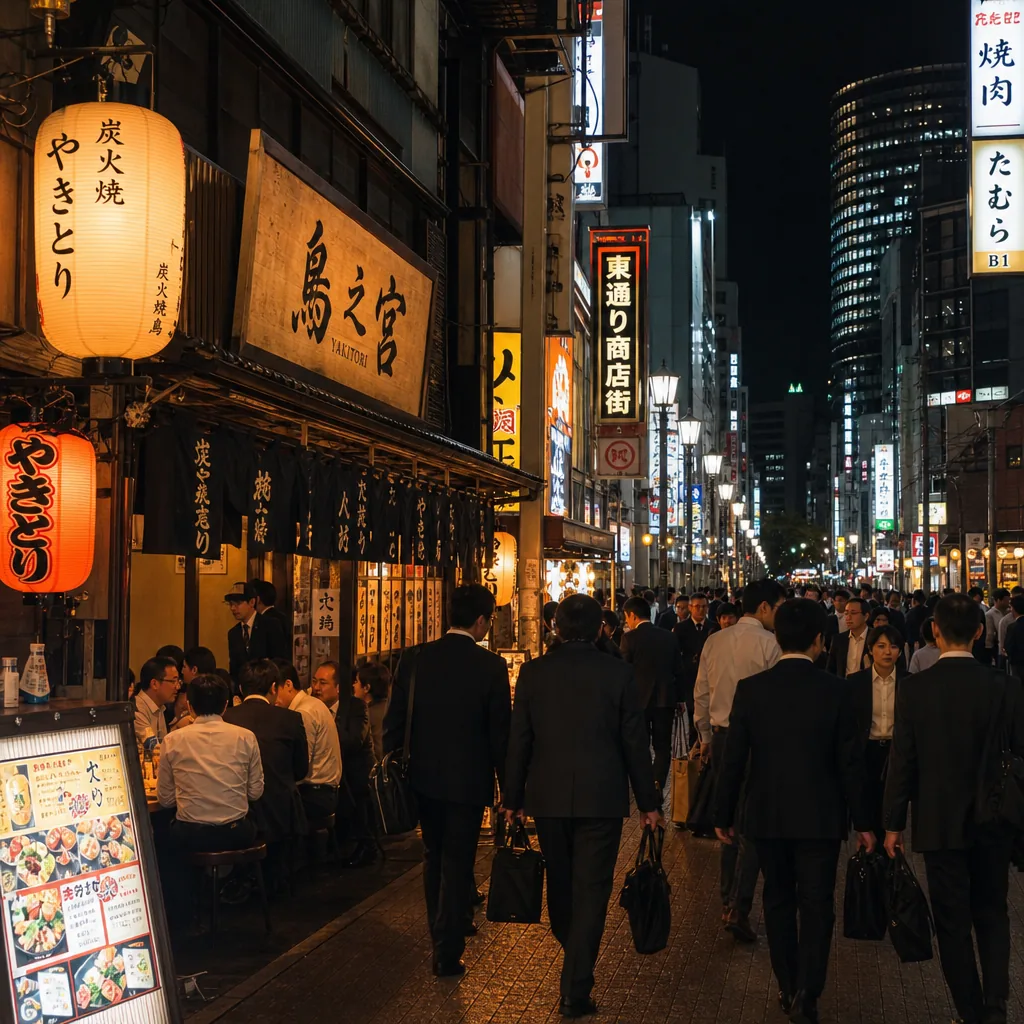
Where can I find english-friendly yakitori in Osaka after work?
Find English-friendly yakitori in Osaka after work by targeting Umeda, Namba, and Honmachi, plus booking sites and multilingual menus.
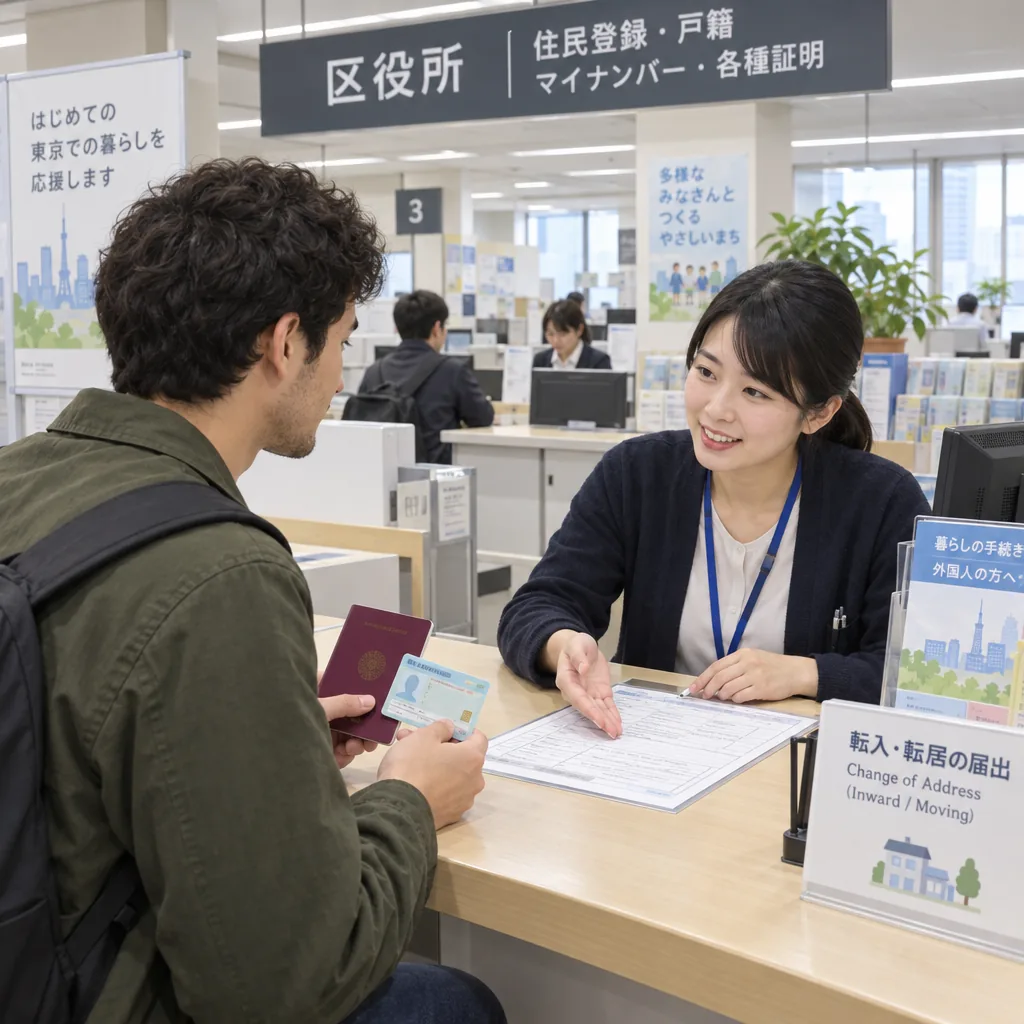
Register your Tokyo address at the ward or municipal office responsible for your new home, generally within 14 days after moving in. The procedure depends on whether you arrived from overseas, moved from another municipality, or changed addresses within the same municipality; eligible foreign residents can also update their residence-card address during this visit.[1]
Mid- to long-term foreign residents must notify their municipality within 14 days after establishing their place of residence. This is not automatically 14 days after entering Japan: the relevant date is when you establish the home you are registering.[1]
Ordinary tourists and other temporary visitors generally do not enter the resident registration system. Special permanent residents register using their special permanent resident certificate rather than a residence card. If you are unsure which rules apply, check your immigration status before gathering documents.[1]
Use the municipality responsible for your actual address. In Tokyo’s 23 special wards, that normally means the ward office or an authorized branch office—not the Tokyo Metropolitan Government headquarters. Elsewhere in Tokyo, use the relevant city, town, or village office.[1]
For a home in Shinjuku, start with Shinjuku City’s official foreign-resident information. Named municipal locations include Shinjuku City Office, Okubo Special Branch Office, and Yotsuya Special Branch Office. Check which location handles your particular notification before traveling; do not assume every branch can process every overseas-arrival or household-registration case.[3]
Your nearest office geographically is not necessarily the correct authority. Confirm the ward or municipality in your full new address first, then check that office’s document requirements and counter hours.[1][3]
For a conventional intermunicipal move, obtain the moving-out certificate from your previous municipality and bring it to the receiving office. Eligible My Number card procedures can remove the need for that paper certificate, but they do not remove the requirement to register at your new municipality.[1][2]
Use the receiving office’s checklist rather than relying solely on a general packing list. The documents depend on your previous address, household composition, and whether you apply personally or through a representative.[1][3]
If someone will apply for you, ask the office about authorization and identification requirements in advance. Family registrations deserve particular care: check which relationship documents and translations the receiving office requires before your visit.[1][3]
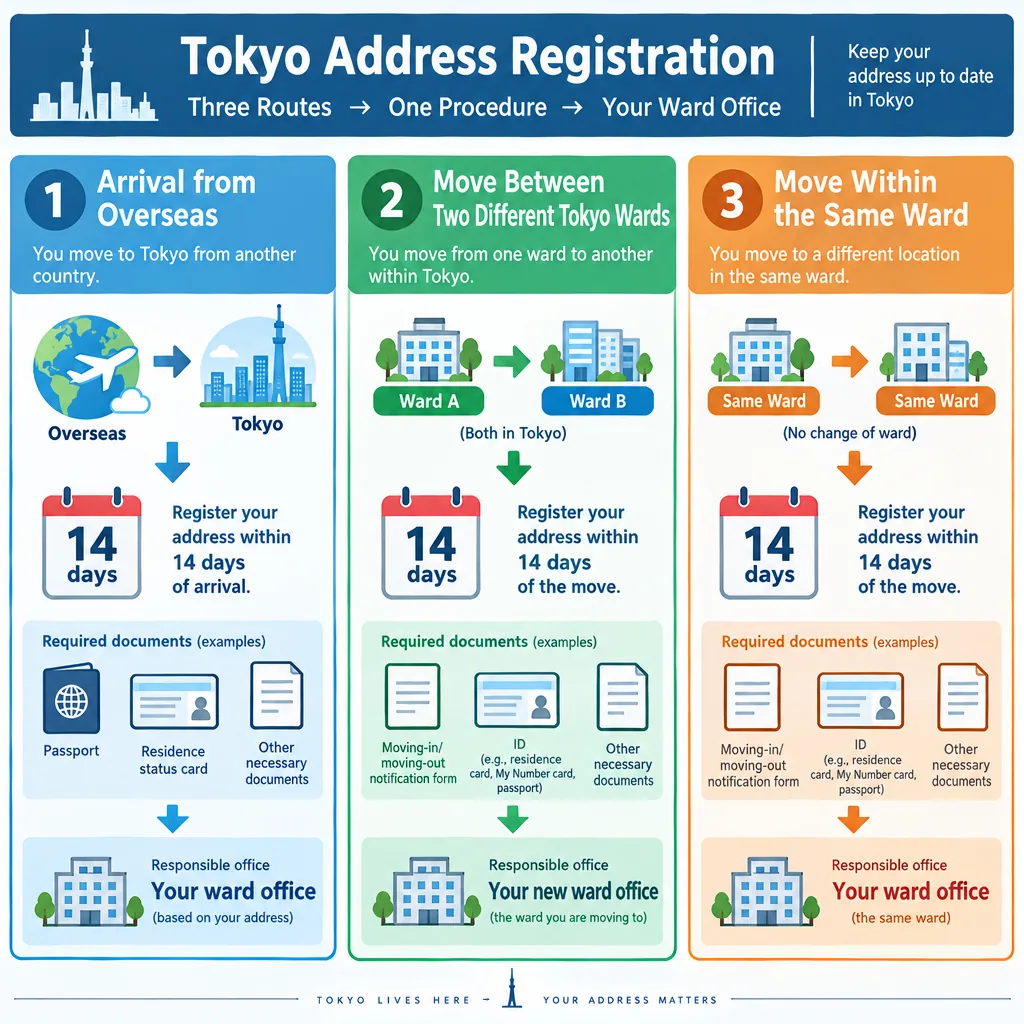
For eligible foreign residents, presenting the residence card during municipal address registration also fulfills the immigration address-notification requirement. A separate immigration-office visit is normally unnecessary for this address update. This does not replace unrelated immigration procedures, such as extending your period of stay.[1]
Eligible My Number cardholders can submit a moving-out notification through Mynaportal. The service also lets users notify the receiving municipality of a planned visit, but moving-in registration still requires attending the receiving office. An online visit notification does not complete registration.[2]
If you have a My Number card, arrange its address update during the municipal visit. Also ask whether the move requires National Health Insurance or other municipal-service procedures. Treat address registration as the starting point for checking these obligations, not proof that every related record has automatically changed.[1]
The most avoidable mistakes are visiting the wrong municipality, confusing a same-ward move with a move between wards, and assuming an online moving-out submission finishes everything. Before leaving home, confirm your procedure, documents, and counter location.[1][2]
For Shinjuku addresses, use Shinjuku City’s foreign-resident website for English-language guidance and local contact information. For broader explanations, the Immigration Services Agency’s multilingual living guide covers residence registration, while the Digital Agency explains the online moving service. If the deadline has already passed, contact the responsible municipal office promptly rather than delaying further.[1][2][3]
CallButler is a multilingual concierge service that handles research, coordination, and bookings so you do not have to navigate language barriers or unfamiliar systems alone. If you need help related to How do I register a Tokyo address after moving in? or the tasks around it, our team can step in to manage the details and keep things moving smoothly.
Find English-friendly yakitori in Osaka after work by targeting Umeda, Namba, and Honmachi, plus booking sites and multilingual menus.
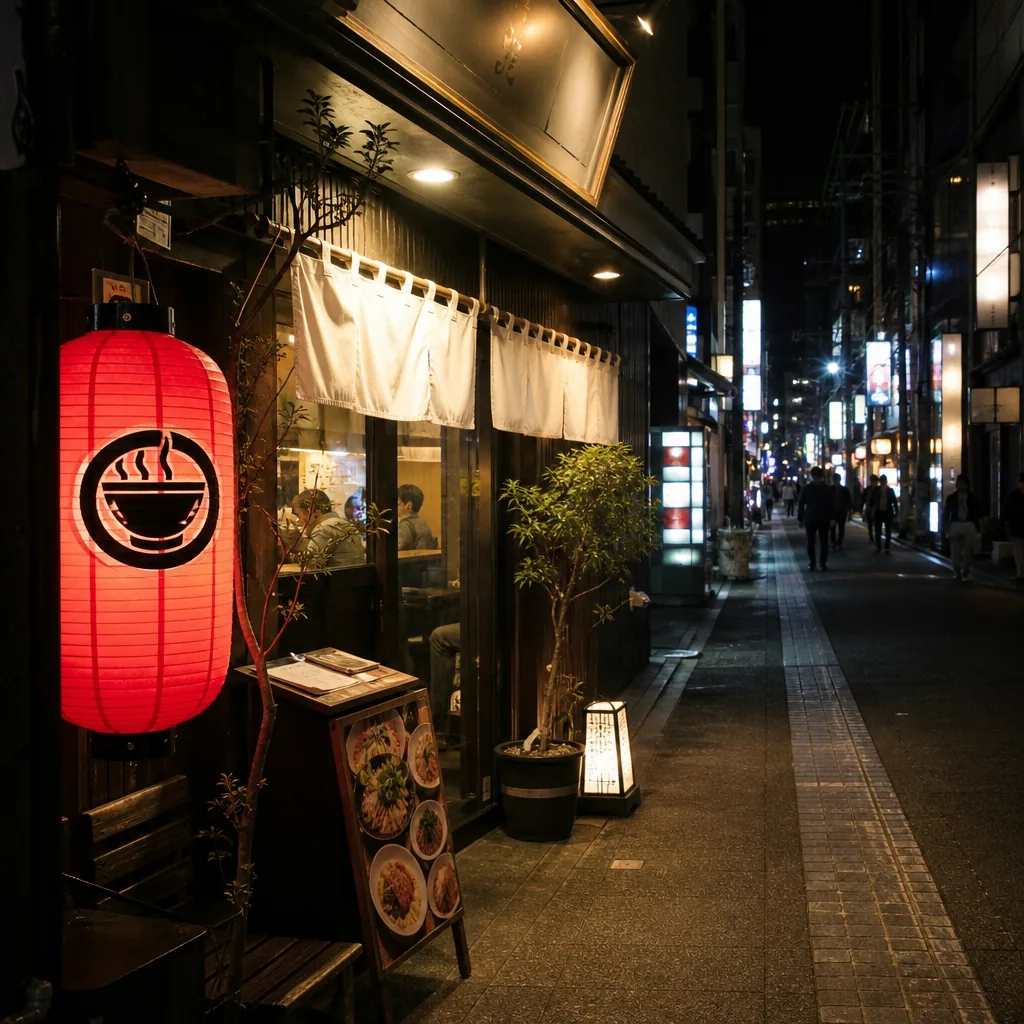
Looking for halal ramen in Kyoto after 10 p.m.? Here’s where to check, which areas are most practical, and how to verify hours and halal status.
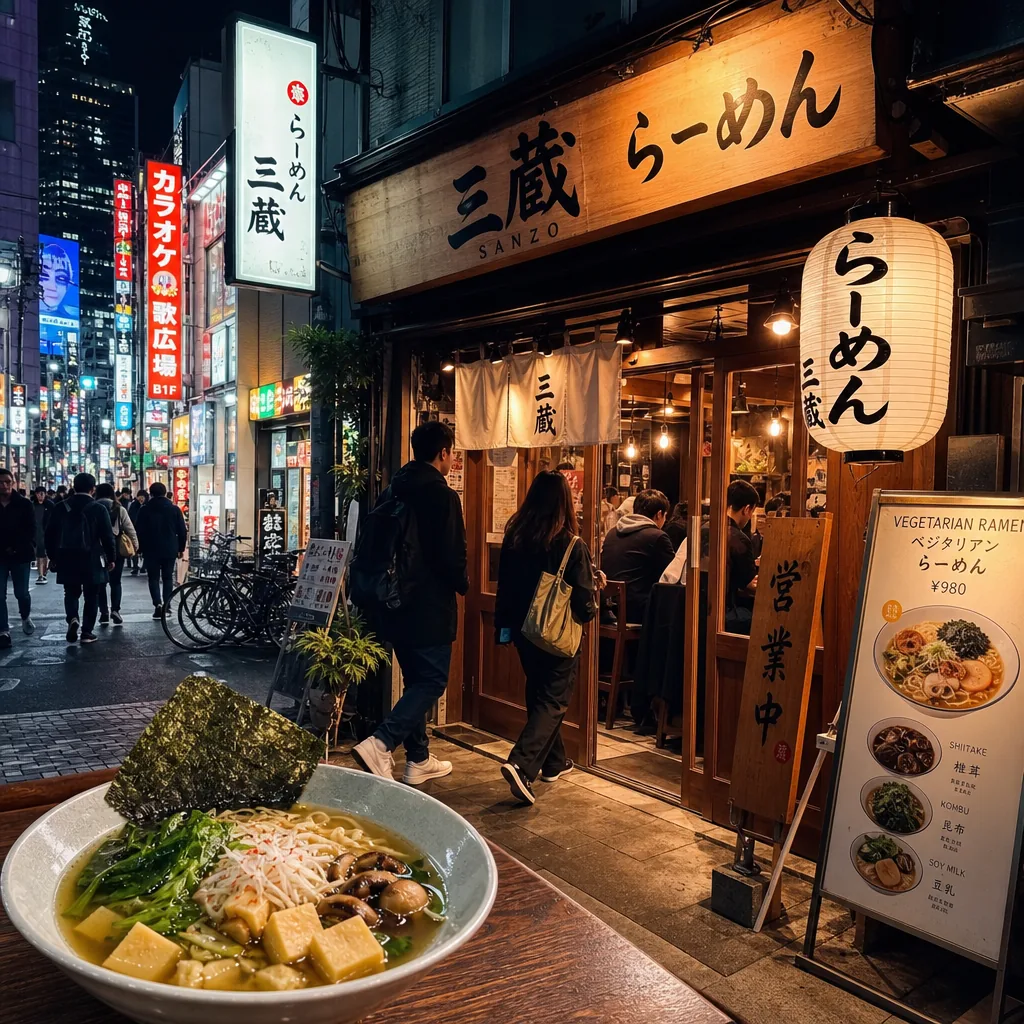
Find late-night vegetarian ramen in Tokyo by focusing on Shibuya, Shinjuku, and Roppongi, then verify broth, hours, and vegan menu details.