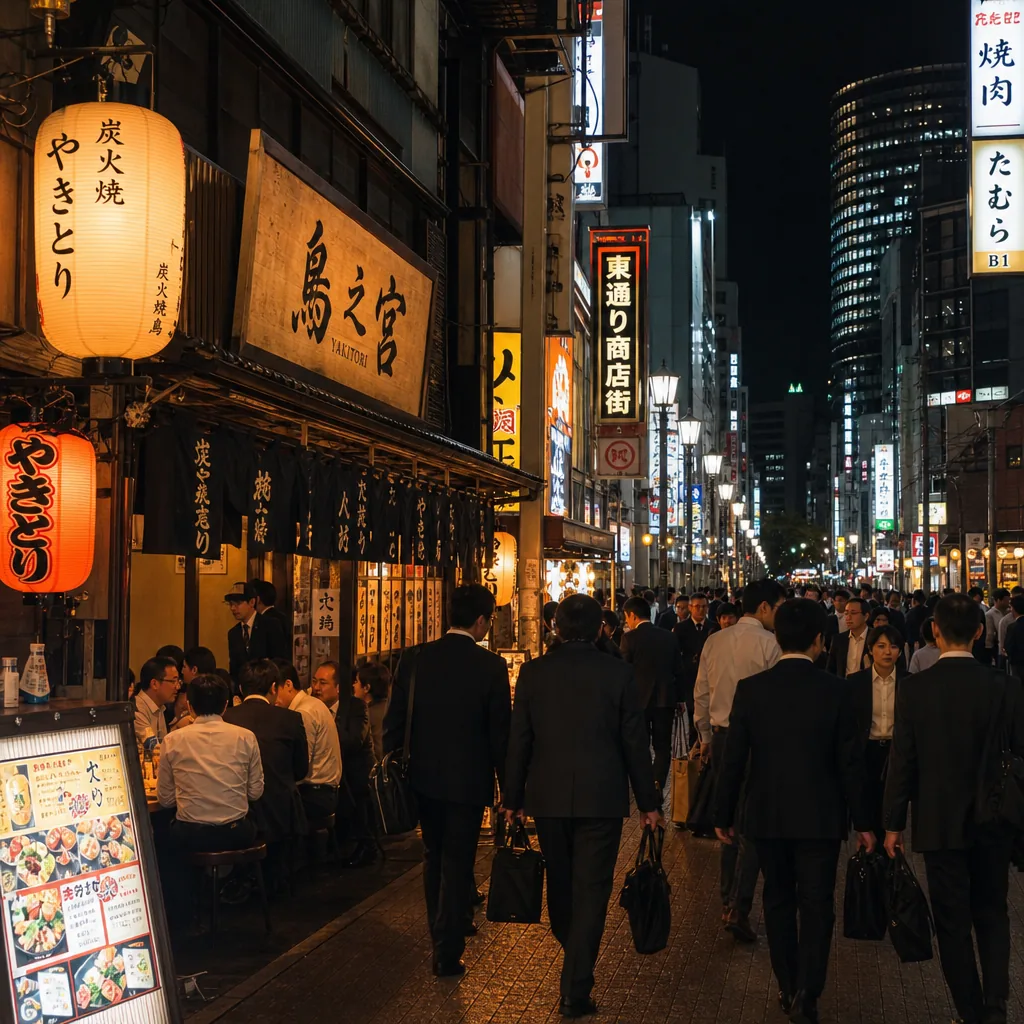
Where can I find english-friendly yakitori in Osaka after work?
Find English-friendly yakitori in Osaka after work by targeting Umeda, Namba, and Honmachi, plus booking sites and multilingual menus.

To find English-speaking pediatric care in Tokyo, start with Japan’s official Medical Information Net, then contact a listed facility to confirm that an English-speaking clinician can see your child on your intended date. Tokyo Medical and Surgical Clinic is one option to investigate for pediatric appointments, while the National Center for Child Health and Development is a specialist option whose appointment and referral requirements need checking first. [1][2][3]
The Ministry of Health, Labour and Welfare’s Medical Information Net, also called NAVII, provides an official starting point for finding medical facilities. Search within Tokyo, select pediatrics and review the available foreign-language information; the Japanese term for pediatrics is 小児科, which is useful when checking a clinic’s website or showing your request to someone helping you search. [1]
Build a shortlist rather than relying on the first result. Start near your accommodation, home or current location, then check each facility’s own website for contact details and appointment instructions. Traveling across Tokyo with a feverish child is difficult enough without discovering that the relevant doctor is unavailable.
Treat a directory’s language listing as a lead, not a promise that an English-speaking pediatrician is available at every appointment. Your final check should always be with the clinic itself.
When calling or emailing, make your request specific. State your child’s age, symptoms, when those symptoms began and whether you need English throughout the consultation. Ask whether the facility accepts new patients and treats children of that age; “English available” does not, by itself, answer either question.
A practical message is: “My child is three years old and has had a fever since yesterday evening. Are you accepting new pediatric patients, and can an English-speaking doctor see us today?” Add any symptoms that could affect how the clinic directs you, such as difficulty breathing or inability to drink.
Also ask whether English support comes directly from the clinician or through an interpreter. Confirm how to book, your arrival time and whether the clinic has separate instructions for children with fever or other potentially infectious symptoms. Do not assume that submitting an online inquiry means an appointment has been confirmed.
Tokyo Medical and Surgical Clinic, in Minato City, advertises English-language medical services, including pediatric care. It is a concrete option to contact when looking for an English-language appointment, but confirm the appropriate clinician, availability, your child’s age eligibility and payment arrangements directly. [2]
The National Center for Child Health and Development, in Setagaya City, provides specialist care for children. Check its international-patient guidance and the relevant department’s appointment and referral requirements before planning a visit. It should not be treated as a walk-in, English-speaking neighborhood clinic simply because it publishes information in English. [3]
The distinction matters: a routine childhood illness and an ongoing condition requiring specialist assessment may need different booking routes. If your child already has a diagnosis, describe it when contacting the facility and ask what referral letters, test results or treatment records are needed. Let the facility advise whether its service is appropriate.
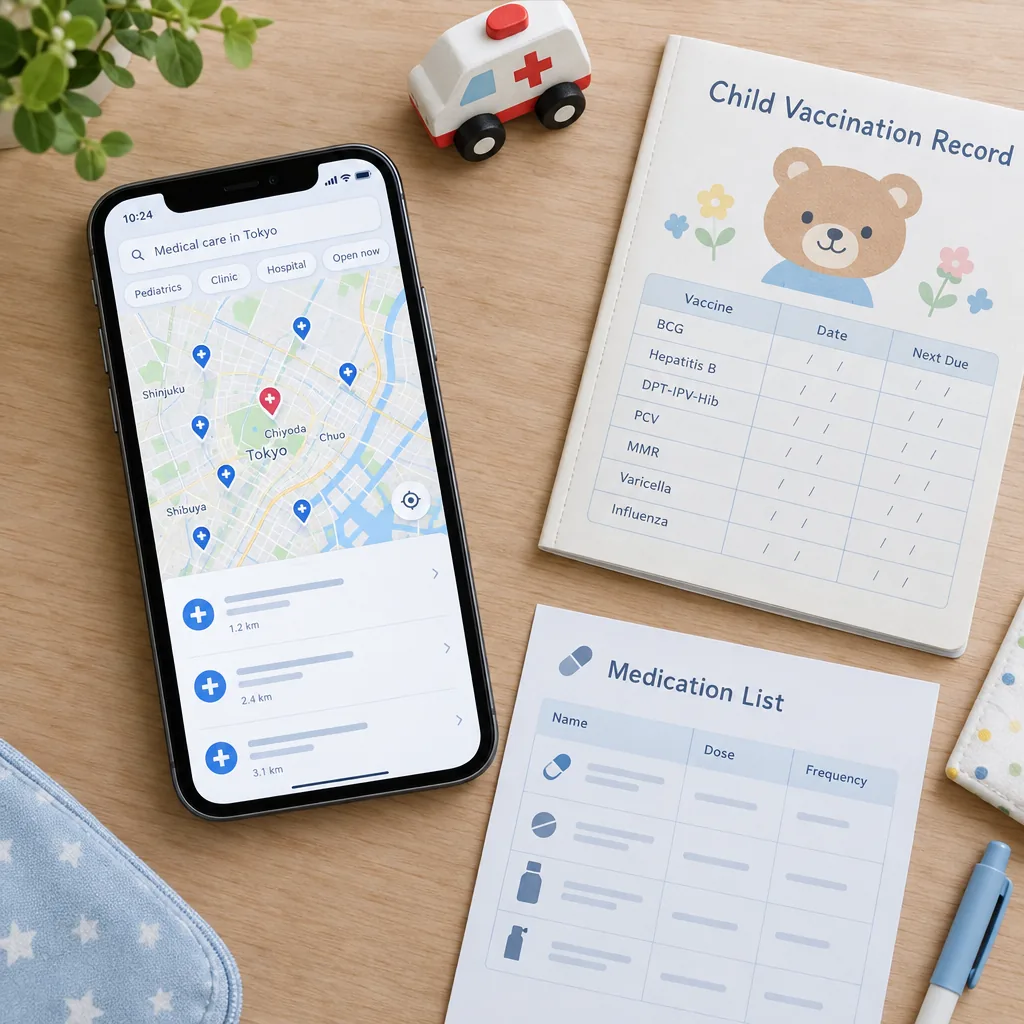
Ask about costs before confirming the appointment. English-language service does not establish whether Japanese public health insurance applies, whether particular services are self-pay or whether an overseas insurer can be billed directly. JNTO’s medical guide is a useful reference for understanding treatment access and payment considerations. [4]
Prepare your child’s identification, insurance eligibility documentation if applicable, medication list, allergy information and relevant vaccination or medical records. For young children, a maternal and child health handbook can help communicate medical history. Bring referral documents if the hospital requests them, and ask your insurer whether it needs a particular claim form or medical report.
For severe breathing difficulty, unconsciousness or another potentially life-threatening emergency, call 119 for an ambulance rather than waiting for a routine English-language appointment. JNTO’s visitor medical guide explains emergency access and seeking treatment. Give your Tokyo location clearly, including the building name and room number when relevant. [4]
For an urgent problem that does not appear life-threatening, contact the clinic before traveling and explain the symptoms. Ask whether it can assess your child promptly and what to do if it cannot. At a routine appointment, ask about after-hours arrangements so you are not researching them for the first time overnight.
Before setting off, reconfirm the appointment, clinician’s language, address, payment arrangements and required documents. Keep those details together on your phone: a verified appointment is more useful than a long list of clinics whose availability you have not checked.
CallButler is a multilingual concierge service that handles research, coordination, and bookings so you do not have to navigate language barriers or unfamiliar systems alone. If you need help related to How do I find English-speaking pediatric care in Tokyo? or the tasks around it, our team can step in to manage the details and keep things moving smoothly.
Find English-friendly yakitori in Osaka after work by targeting Umeda, Namba, and Honmachi, plus booking sites and multilingual menus.
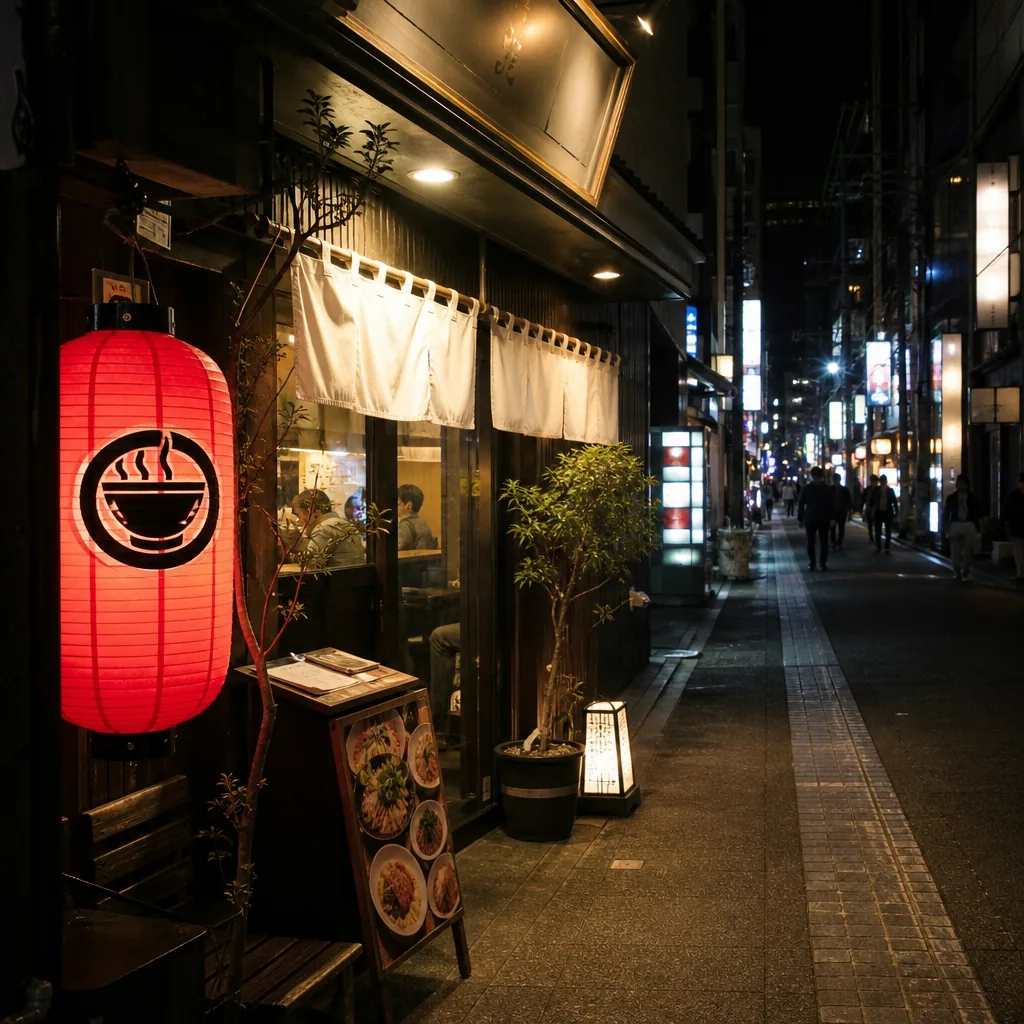
Looking for halal ramen in Kyoto after 10 p.m.? Here’s where to check, which areas are most practical, and how to verify hours and halal status.
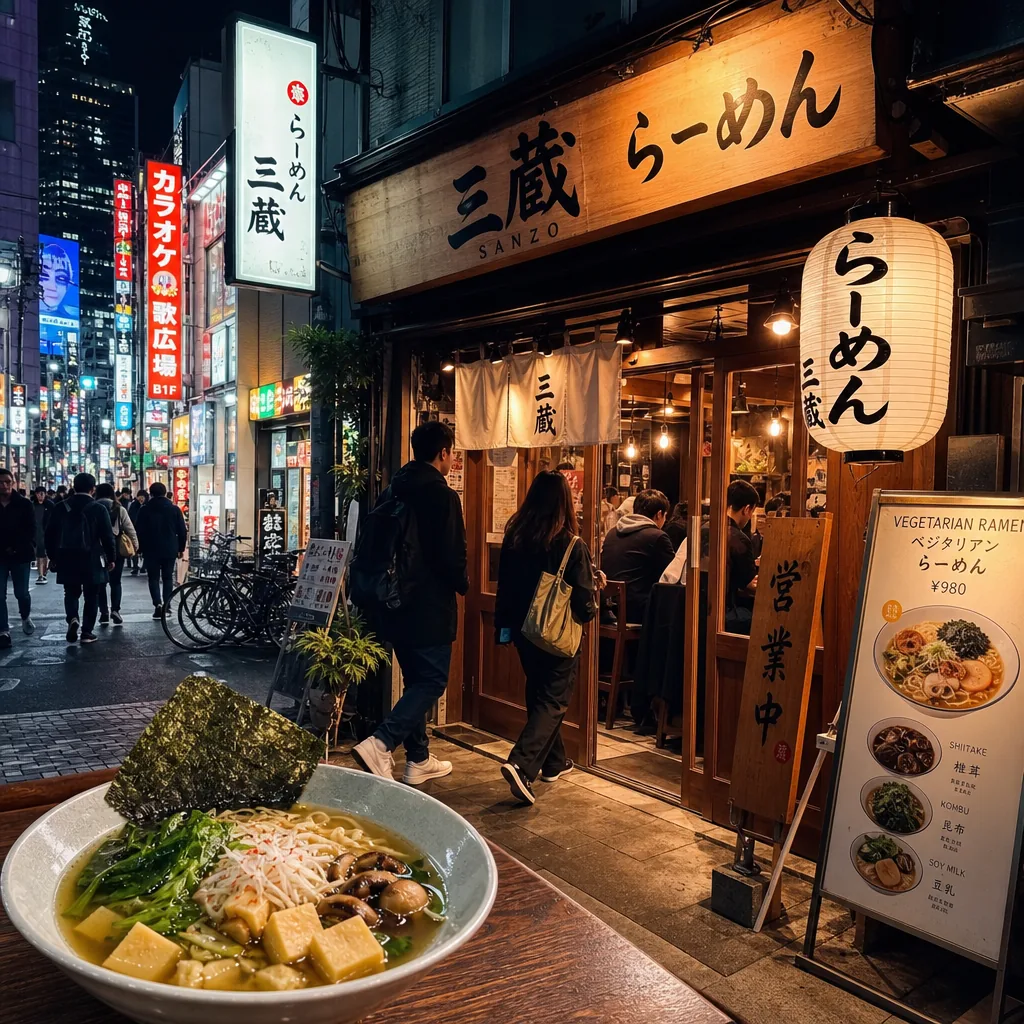
Find late-night vegetarian ramen in Tokyo by focusing on Shibuya, Shinjuku, and Roppongi, then verify broth, hours, and vegan menu details.