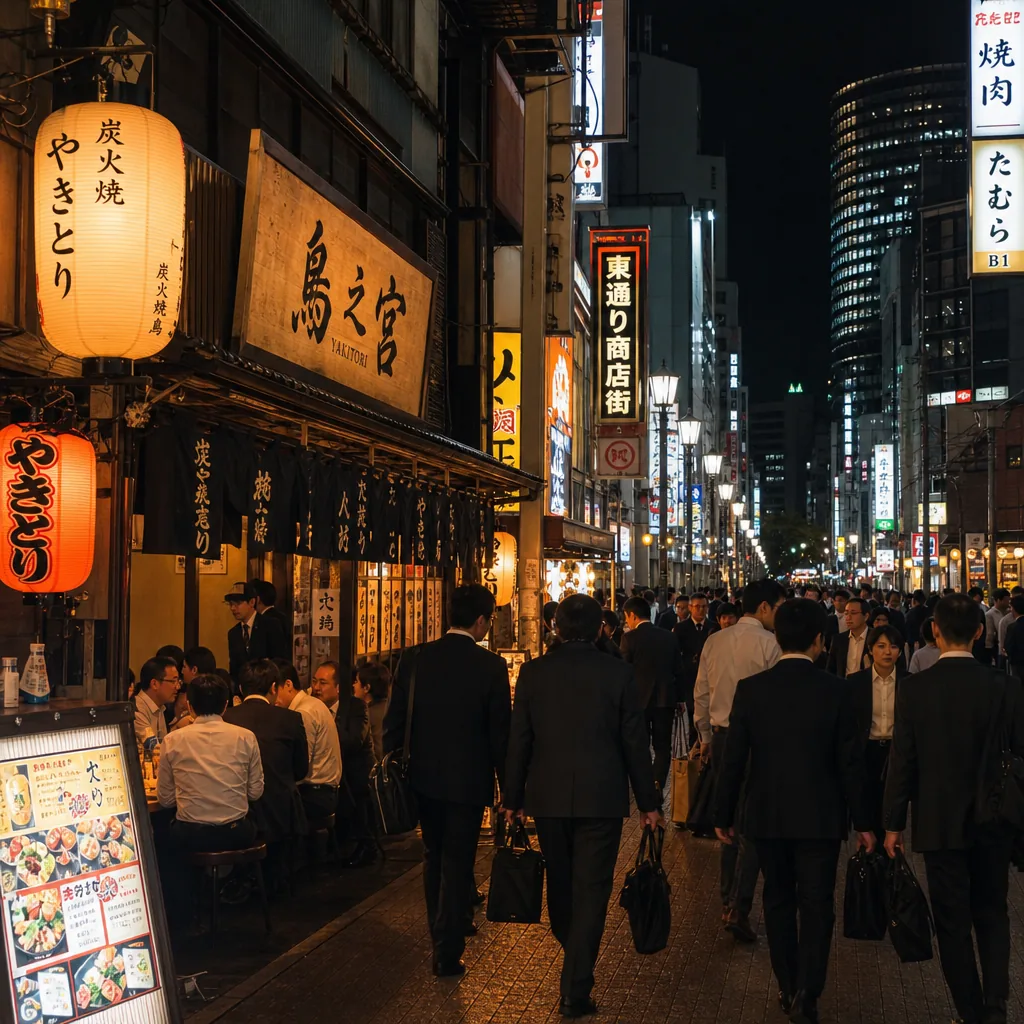
Where can I find english-friendly yakitori in Osaka after work?
Find English-friendly yakitori in Osaka after work by targeting Umeda, Namba, and Honmachi, plus booking sites and multilingual menus.
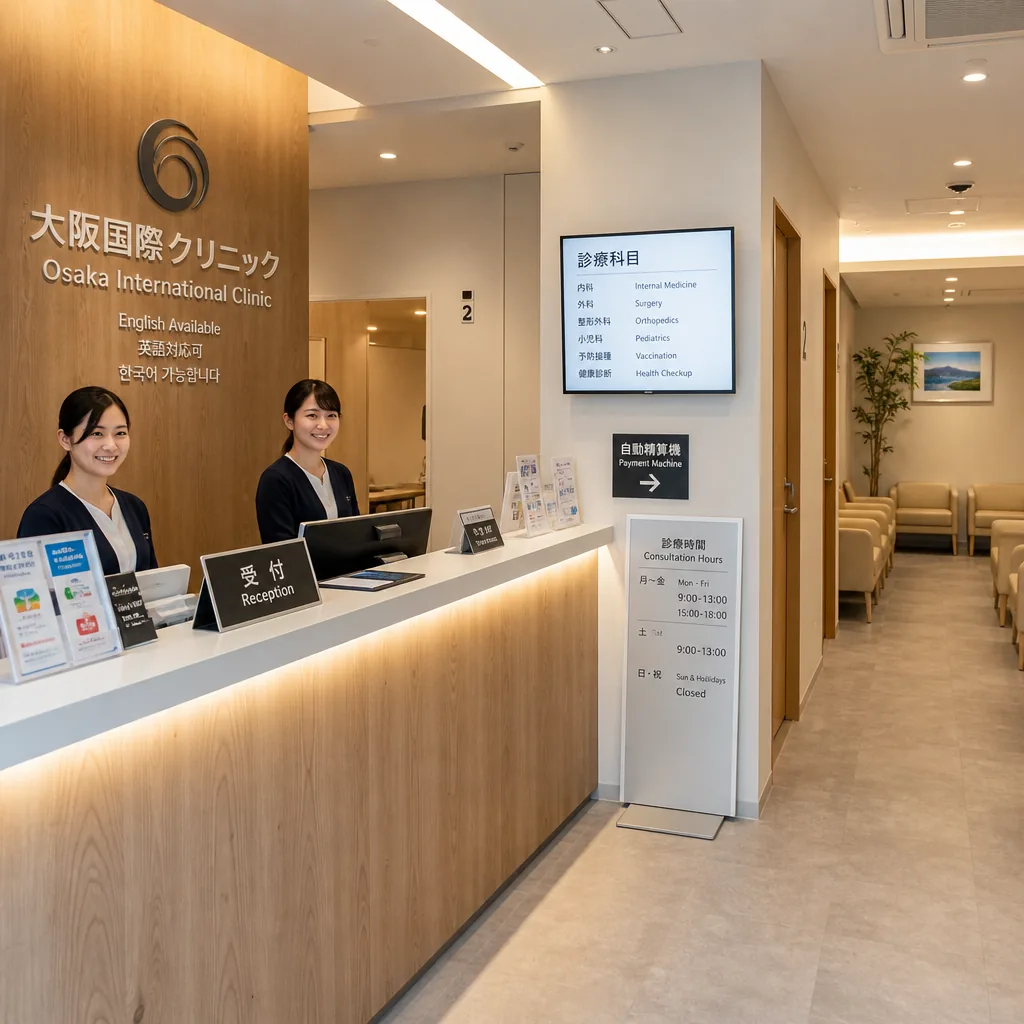
Yes—expats can find English-speaking clinics in Osaka most reliably by starting with official medical directories and multilingual support services, then confirming language availability by phone before visiting. In Osaka, English support can be partial rather than guaranteed, so checking the clinic’s specialty, interpreter access, and acceptance of new patients is essential [1][2][3].
Osaka has many medical facilities, but language support is uneven. A clinic may have English-speaking reception staff, online forms in English, or a doctor who can manage basic conversation, yet still not offer full consultation support for every department or every day of the week [1][3].
This matters most for pediatrics, dermatology, gynecology, orthopedics, and chronic-condition care, where explaining symptoms clearly and understanding follow-up instructions can affect your treatment. Public guidance from Osaka Prefecture and Osaka City both point residents toward official directories and multilingual information rather than relying on random search results [1][4].
Start with the Osaka Prefecture Medical Institution Information System. This official database lets you search for hospitals and clinics by area, department, and services, making it a practical first step if you need a clinic near your home or office in Osaka [1].
Osaka City also provides medical and health information for residents, including guidance on where to look for care and how to use local services [4]. If you live in neighborhoods such as Umeda, Namba, Tennoji, or Osaka Bay area, these city and prefectural resources help you narrow down nearby options instead of searching broadly across Kansai [1][4].
For broader foreign-resident support, the Osaka International House Foundation lists multilingual living and medical information for people living in the city and surrounding area. Its guidance is especially useful if you want healthcare information in English and are looking for support beyond a single clinic listing [2].
The Japan National Tourism Organization also explains how to find medical institutions in Japan and how to interpret language support claims. Its guide is useful for understanding terms such as interpreter assistance, multilingual forms, and English consultation availability [3].
Do not assume a clinic is fully English-friendly just because its website has some English text. Language support in Osaka can depend on the specific doctor, day, department, and whether an interpreter is available [1][3].
Call the clinic first and ask a few direct questions. If you can, confirm the same details by email or online booking form so you have a written record. This is especially important in larger districts such as Umeda or Shinsaibashi, where a clinic may be easy to reach but still not accept new patients in your language [1][3].
Ask about:
If you need ongoing care, ask whether follow-up visits can be handled in English before you book the first appointment. That small check can save time later, especially if you need repeated tests or medication changes [1][2][3].
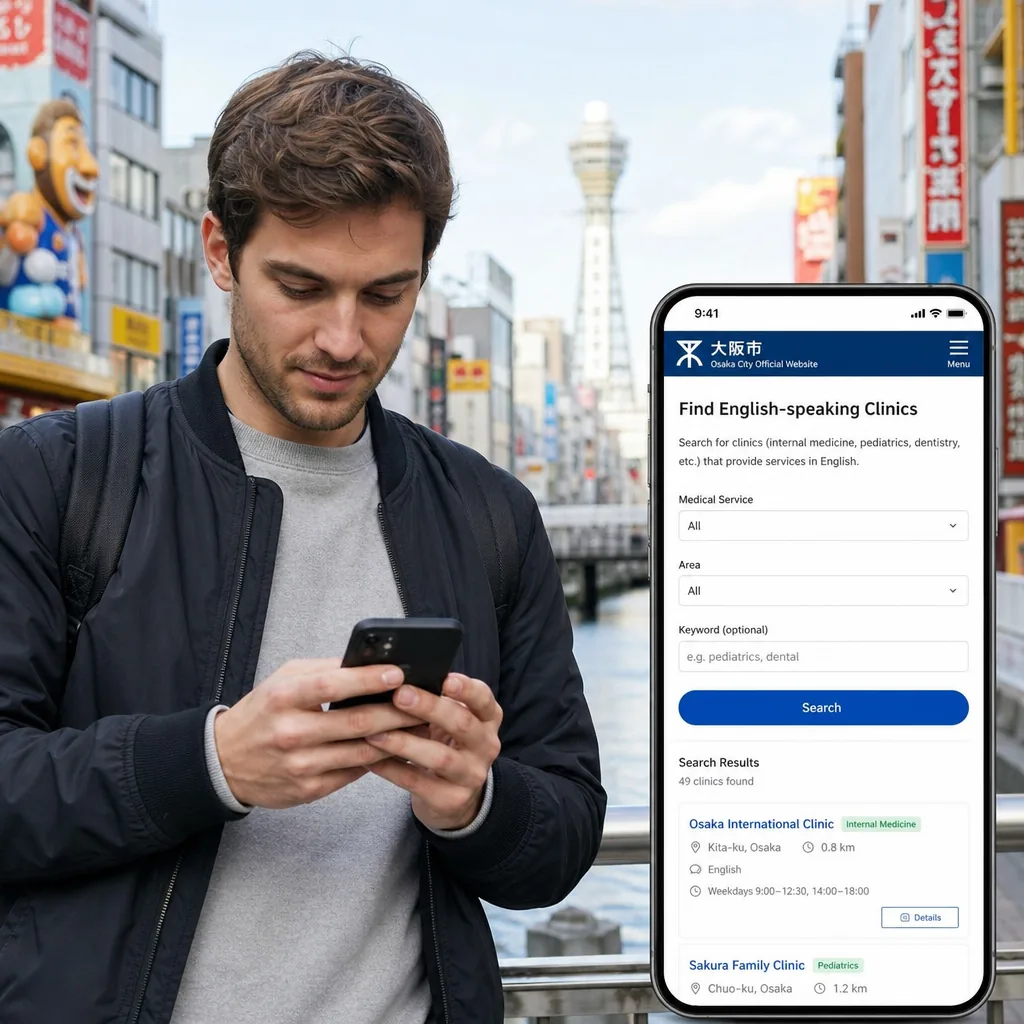
For urgent care outside normal business hours, it is better to use public emergency and night-time medical resources than to search for a general clinic at the last minute. Osaka City’s medical information page is the right starting point for local guidance, while Osaka Prefecture’s official system helps you identify nearby facilities in advance [1][4].
The JNTO guide also emphasizes checking how medical institutions handle language support and emergency access in Japan [3]. In real life, that means you should save contact details for a nearby general hospital, a clinic you have already verified, and any city or prefectural guidance pages before you need them.
If you live near major transit hubs such as Tennoji, Namba, or Osaka Station, map out at least one English-capable option near home and one farther away in case your regular clinic is closed. Osaka’s public information sources are more dependable than trying to find a first-time clinic late at night [1][4].
The simplest strategy is to build a small shortlist before you get sick. Use official directories, verify the phone number, and keep a note of the clinic’s department, closest station, and office hours [1][2][4].
When you visit, bring your health insurance card, passport or residence card if needed, and any list of current medications. If you can, write down your symptoms in simple English with timing, fever levels, pain location, or allergy history. That helps even if the consultation is only partially in English [3].
It is also smart to save the contact information for a second clinic in a different part of Osaka. A clinic in Kita, Chuo, or Tennoji may have better access on a different day or department, but availability can change, so a backup option reduces stress [1][2].
For expats settling in Osaka, the key is to use official information first and verify everything before showing up. Osaka Prefecture, Osaka City, Osaka International House Foundation, and JNTO all point to the same practical approach: search through trusted directories, confirm English support directly, and prepare for emergencies separately [1][2][3][4][5].
In short, the best way to find an English-speaking clinic in Osaka is not to depend on assumptions. Use the official tools, call ahead, and keep a backup plan ready—especially if you need specialist care or after-hours treatment [1][3][4].
CallButler is a multilingual concierge service that handles research, coordination, and bookings so you do not have to navigate language barriers or unfamiliar systems alone. If you need help related to How do I find English-speaking clinics in Osaka for expats? or the tasks around it, our team can step in to manage the details and keep things moving smoothly.
Find English-friendly yakitori in Osaka after work by targeting Umeda, Namba, and Honmachi, plus booking sites and multilingual menus.
Looking for halal ramen in Kyoto after 10 p.m.? Here’s where to check, which areas are most practical, and how to verify hours and halal status.
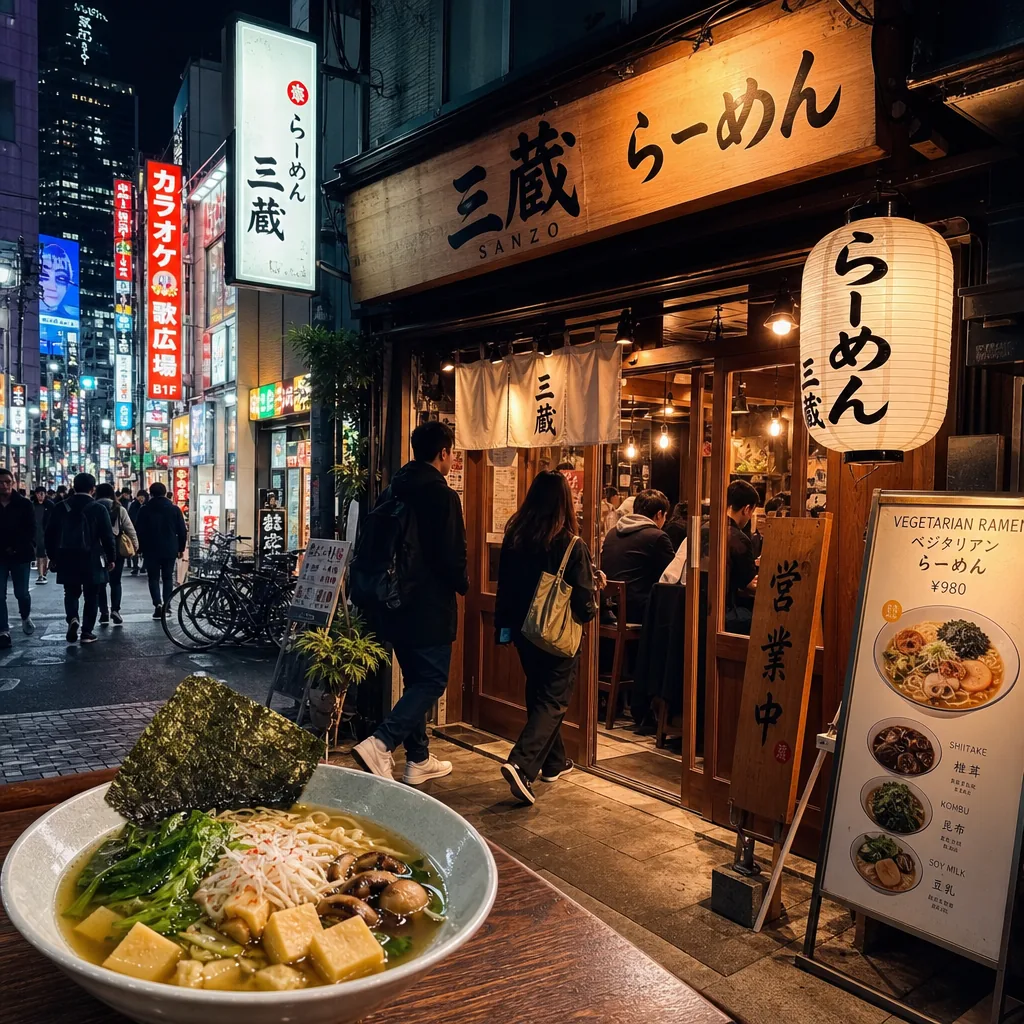
Find late-night vegetarian ramen in Tokyo by focusing on Shibuya, Shinjuku, and Roppongi, then verify broth, hours, and vegan menu details.