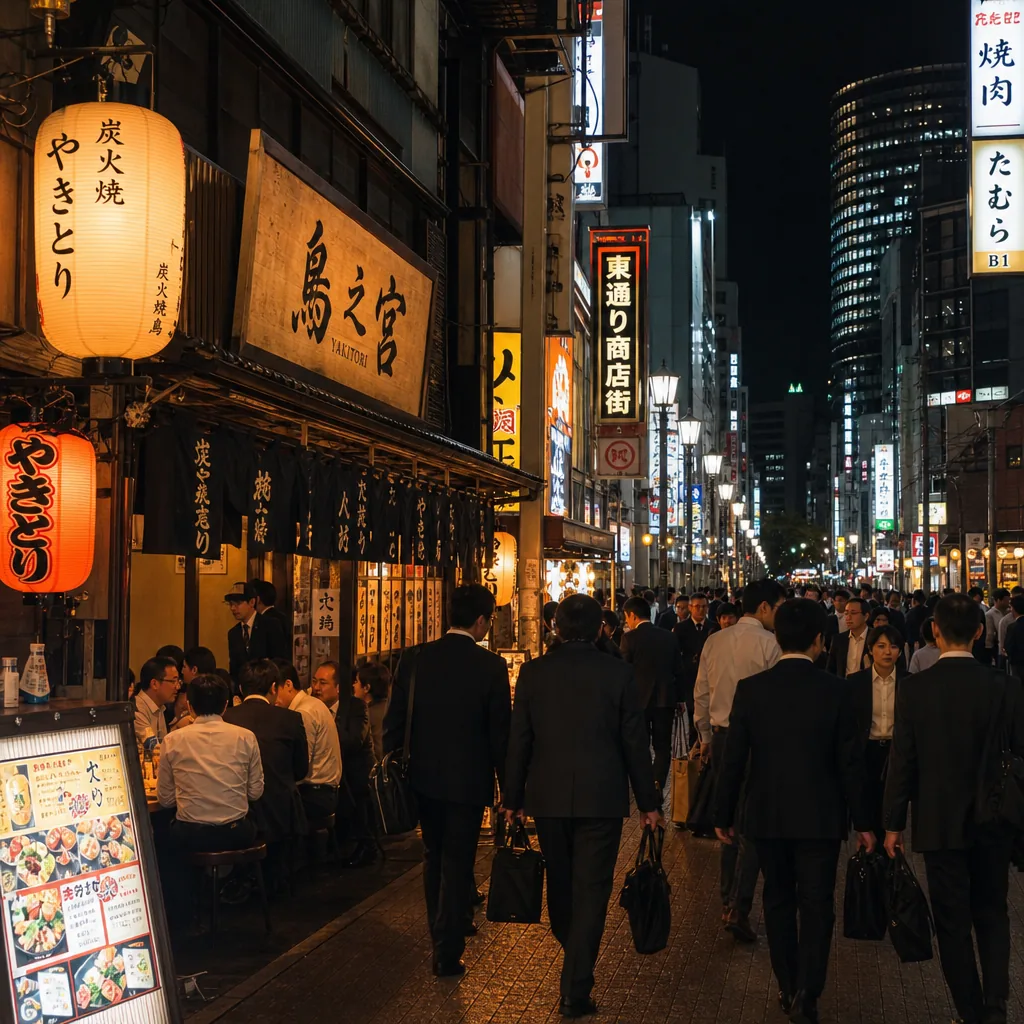
Where can I find english-friendly yakitori in Osaka after work?
Find English-friendly yakitori in Osaka after work by targeting Umeda, Namba, and Honmachi, plus booking sites and multilingual menus.
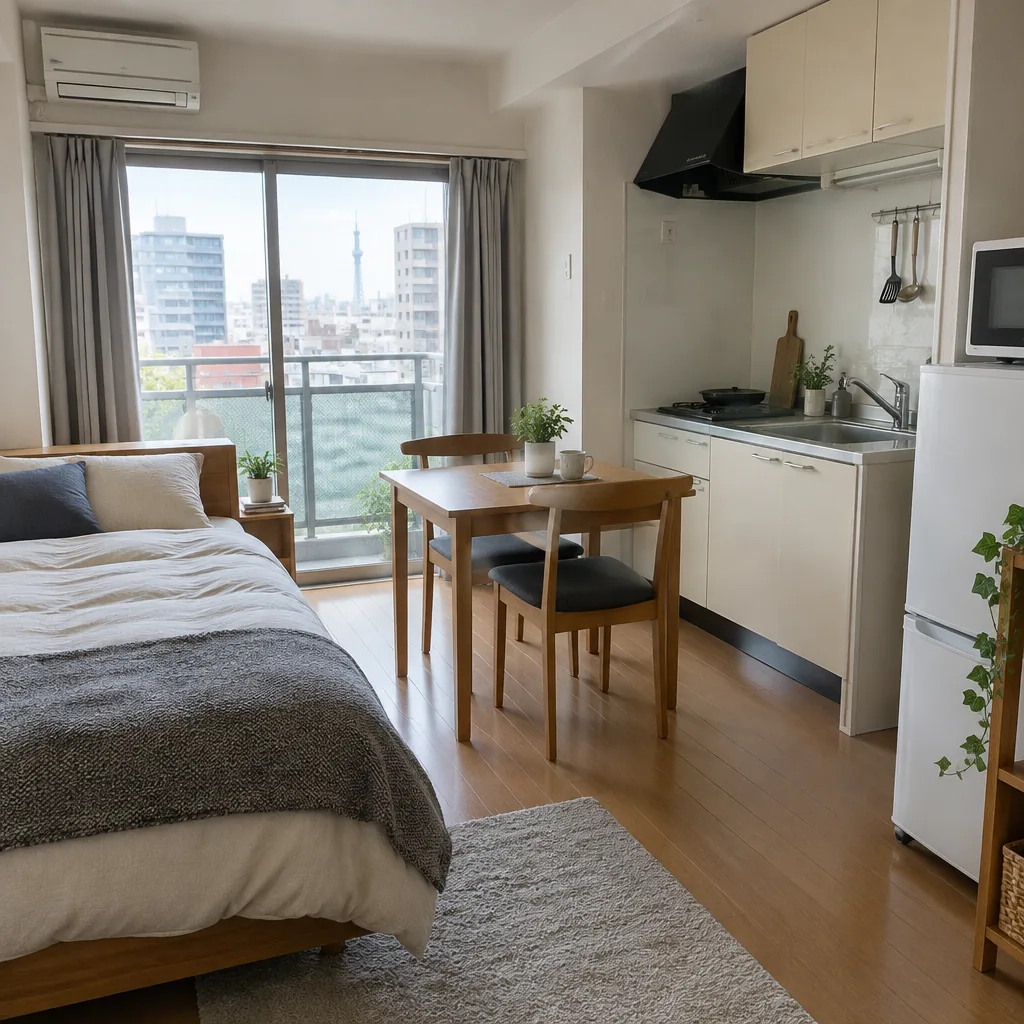
To find a Tokyo short-term apartment with no key money, start with furnished monthly rentals from operators such as SAKURA HOUSE and OAKHOUSE, then search specifically for 礼金なし, meaning “no key money.” Both operators advertise accommodation without key money, but their inventories include shared housing as well as apartments, so confirm the accommodation type and request a total price for your exact dates before paying.[1][2]
Key money, or 礼金 (reikin), is a non-refundable payment associated with some Japanese rental contracts. A listing marked 礼金なし or 礼金0円 removes that particular charge; it does not necessarily remove deposits, contract fees, cleaning charges, or other compulsory costs. SAKURA HOUSE and OAKHOUSE make no-key-money accommodation a useful starting point, rather than a guarantee that every listing has the same payment conditions.[1][2]
For a short stay, prioritize properties explicitly offered as monthly or short-term accommodation. Do not assume that a conventional rental becomes suitable simply because its key money is zero. You still need the permitted contract length, furnishing arrangements, and move-out conditions to match your plans.
SAKURA HOUSE advertises furnished accommodation in Tokyo without key money or a guarantor requirement. Its accommodation categories include apartments, share houses, and dormitories. Select apartments first if you want a self-contained home; a lower-priced bedroom elsewhere in the inventory may involve shared facilities.[1]
OAKHOUSE also advertises accommodation without key money and offers both apartments and shared housing. Start with its Tokyo inventory and apartment filters, then read each property's facilities and fee information. Do not assume that every search result is an entire apartment.[2]
Keep your search geographically useful. Try Shinjuku, Ikebukuro, and Ueno as named location keywords when checking the operators' Tokyo listings, rather than searching across the whole city without a station preference. These are search anchors, not a promise of available apartments: check the live inventory, nearest station, and listed walking distance for each candidate.[1][2]
Use 東京 マンスリーマンション 礼金なし to search for Tokyo monthly apartments without key money. Add your preferred station and 家具家電付き, meaning furniture and appliances included. Search results are only leads: verify every condition on the operator's own listing or in writing.
For example, try 新宿 マンスリーマンション 礼金なし 家具家電付き for a Shinjuku-focused search. Keep “apartment” as a separate verification step: a furnished private bedroom with shared facilities is not equivalent to a self-contained apartment.
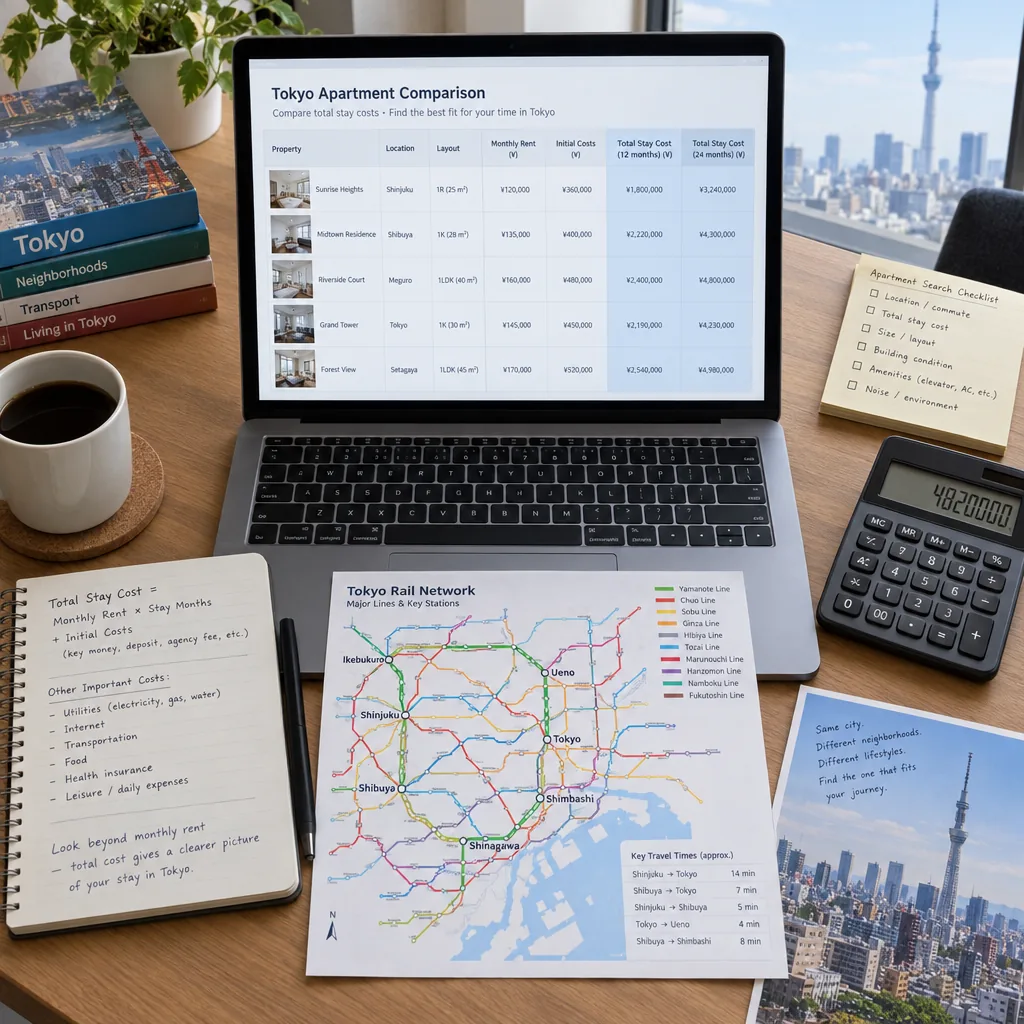
Ask each operator for a written quote covering identical arrival and departure dates. If your intended stay is six weeks, request a six-week total rather than comparing the headline monthly prices. Confirm whether charges are calculated daily, monthly, or in another billing increment; do not assume unused days are refundable.
Use one comparison sheet with these fields:
Compare both the cash required before move-in and the expected non-refundable total. Keep any potentially refundable deposit separate. An apartment with no key money can still cost more overall if its other mandatory charges are higher.
Send the same questions to every shortlisted operator. Ask them to confirm the specific unit, minimum stay, availability, and whether extensions require a new agreement. A monthly advertised rate does not establish that a shorter booking is allowed.
Before transferring money, confirm identification requirements, eligibility for your intended stay, accepted payment methods, and the check-in procedure. Obtain the cancellation schedule and move-out notice requirement in writing. If your departure date might change, ask what happens to prepaid rent and whether an extension is guaranteed or subject to availability.
Also request confirmation that your quoted apartment has its own kitchen, bathroom, and toilet. Check which appliances, bedding, and internet services are included rather than treating “furnished” as a complete inventory.
Pause if the advertiser will not identify the unit, explain mandatory charges, or supply written cancellation conditions. Treat pressure to pay before receiving a clear agreement as a reason to investigate further. Retain the listing, quotation, contract, correspondence, and payment records.
If a dispute develops, the National Consumer Affairs Center of Japan provides English-language consumer information and guidance on consultation services. Check the relevant service's eligibility, opening hours, and language support before relying on it.[3] Your strongest booking decision remains a verified private apartment, an acceptable contract, and a written total—not simply a “no key money” label.
CallButler is a multilingual concierge service that handles research, coordination, and bookings so you do not have to navigate language barriers or unfamiliar systems alone. If you need help related to How do I find a Tokyo short-term apartment with no key money? or the tasks around it, our team can step in to manage the details and keep things moving smoothly.
Find English-friendly yakitori in Osaka after work by targeting Umeda, Namba, and Honmachi, plus booking sites and multilingual menus.
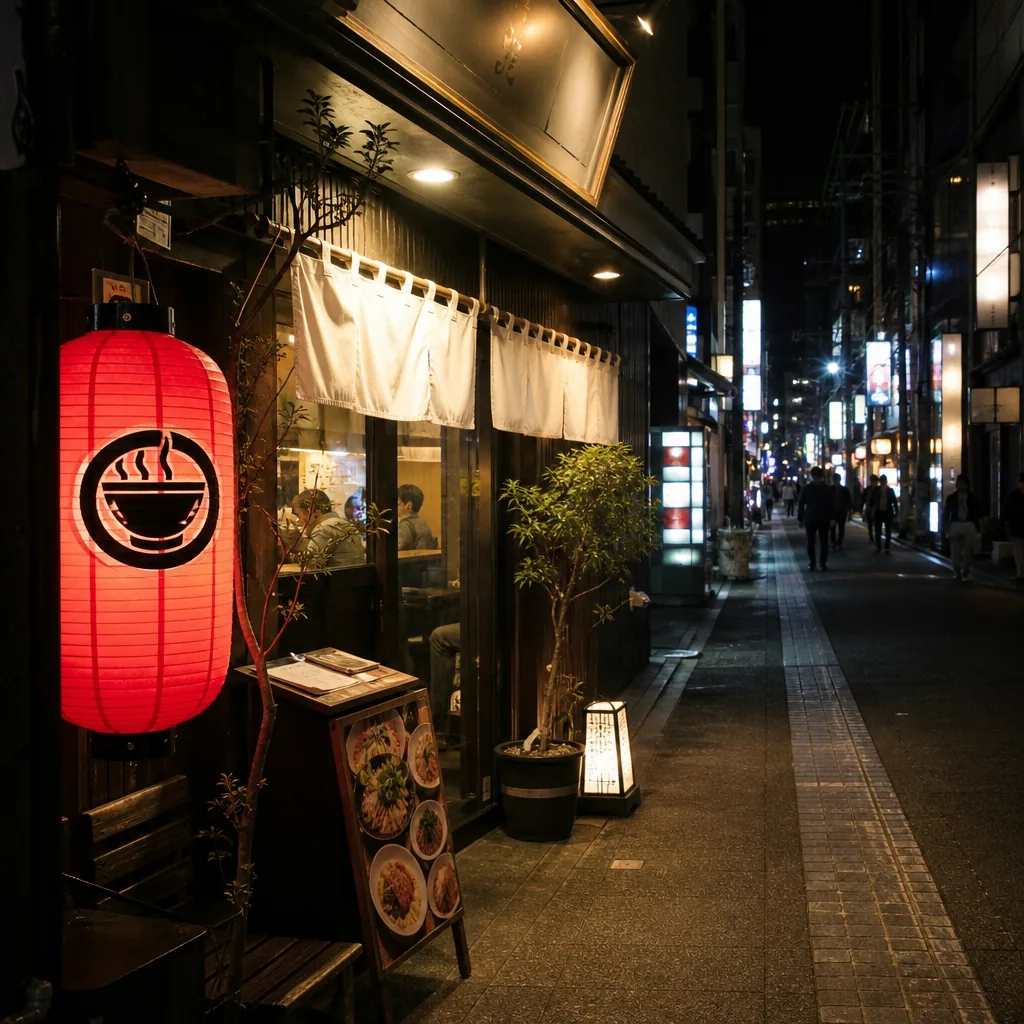
Looking for halal ramen in Kyoto after 10 p.m.? Here’s where to check, which areas are most practical, and how to verify hours and halal status.
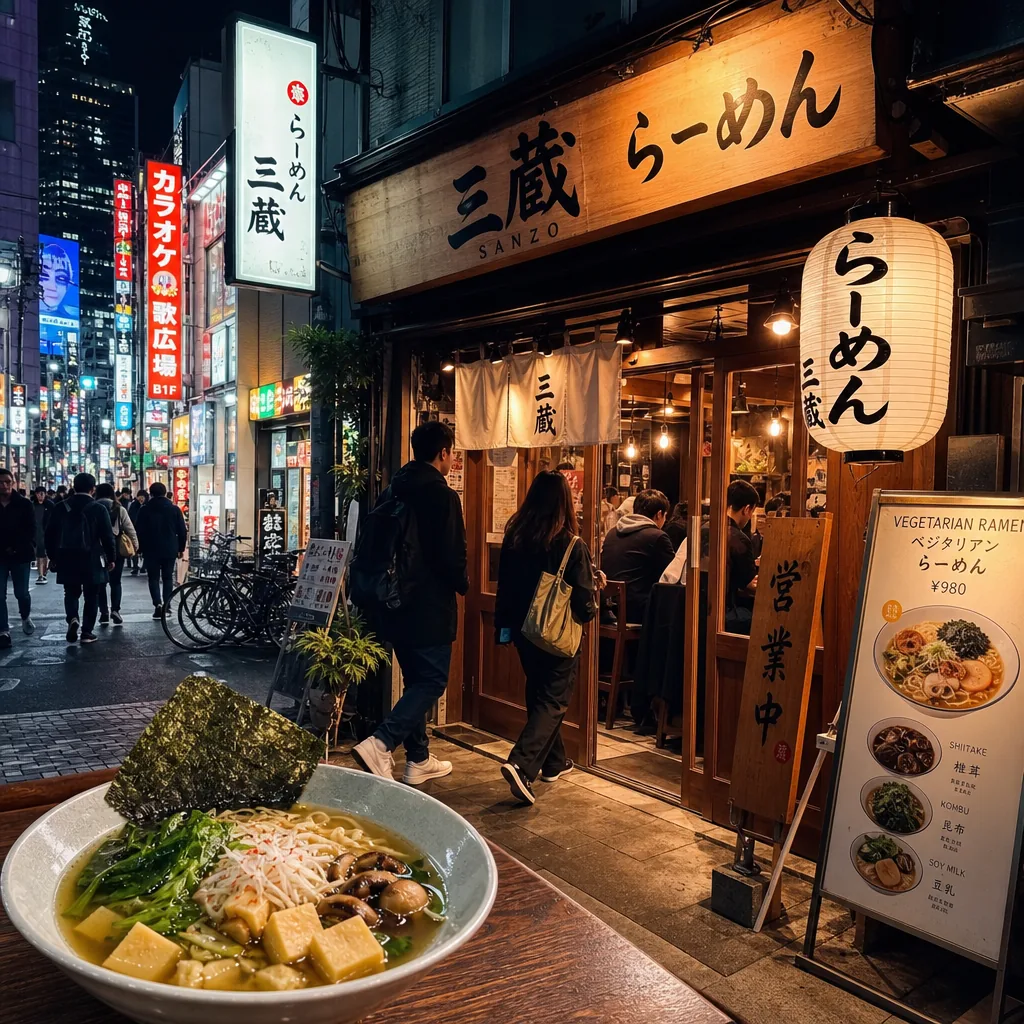
Find late-night vegetarian ramen in Tokyo by focusing on Shibuya, Shinjuku, and Roppongi, then verify broth, hours, and vegan menu details.