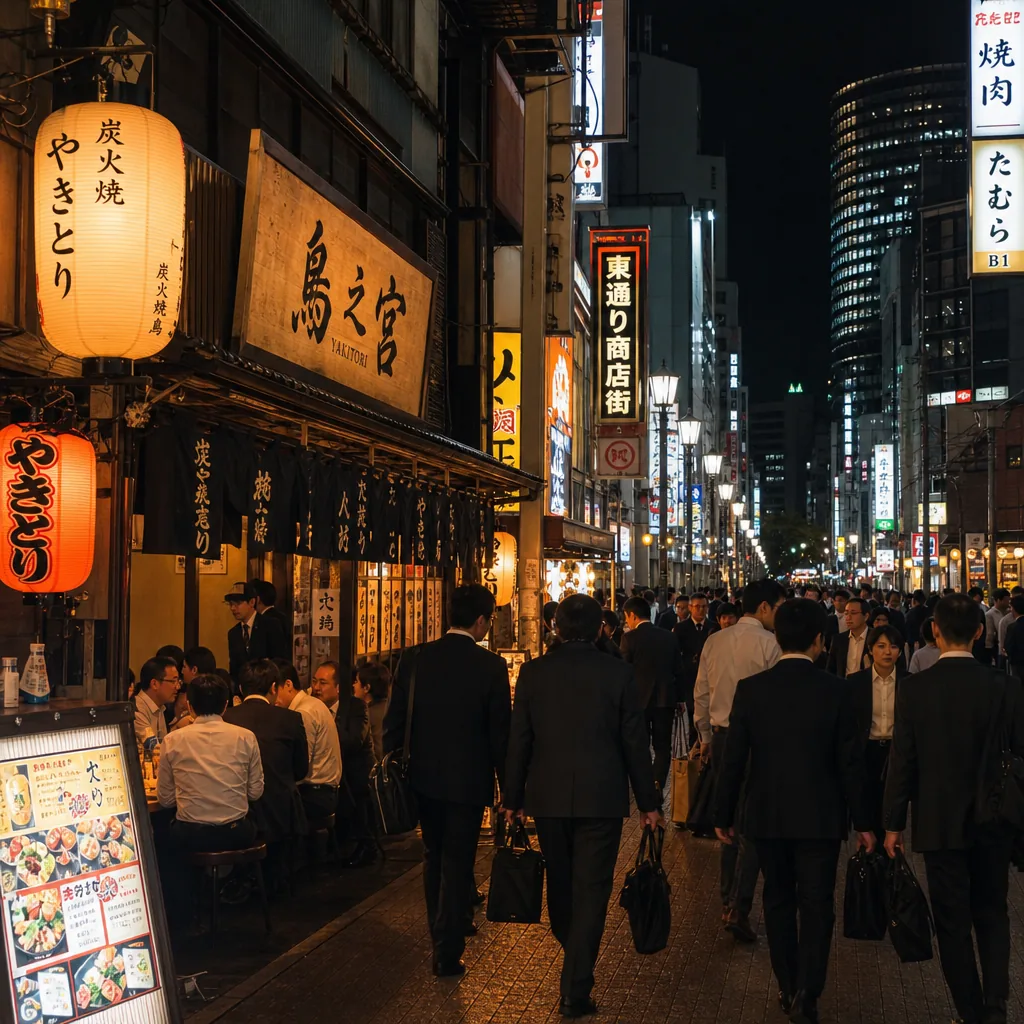
Where can I find english-friendly yakitori in Osaka after work?
Find English-friendly yakitori in Osaka after work by targeting Umeda, Namba, and Honmachi, plus booking sites and multilingual menus.
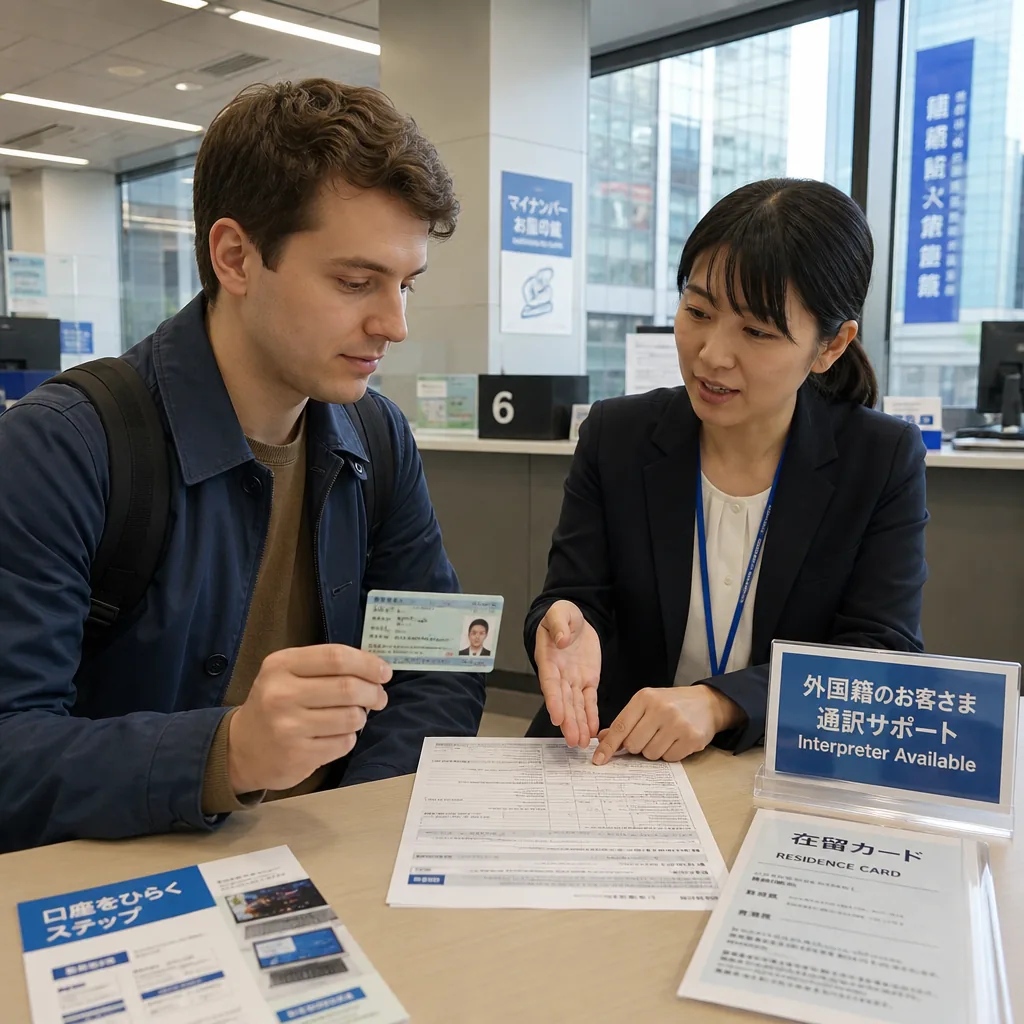
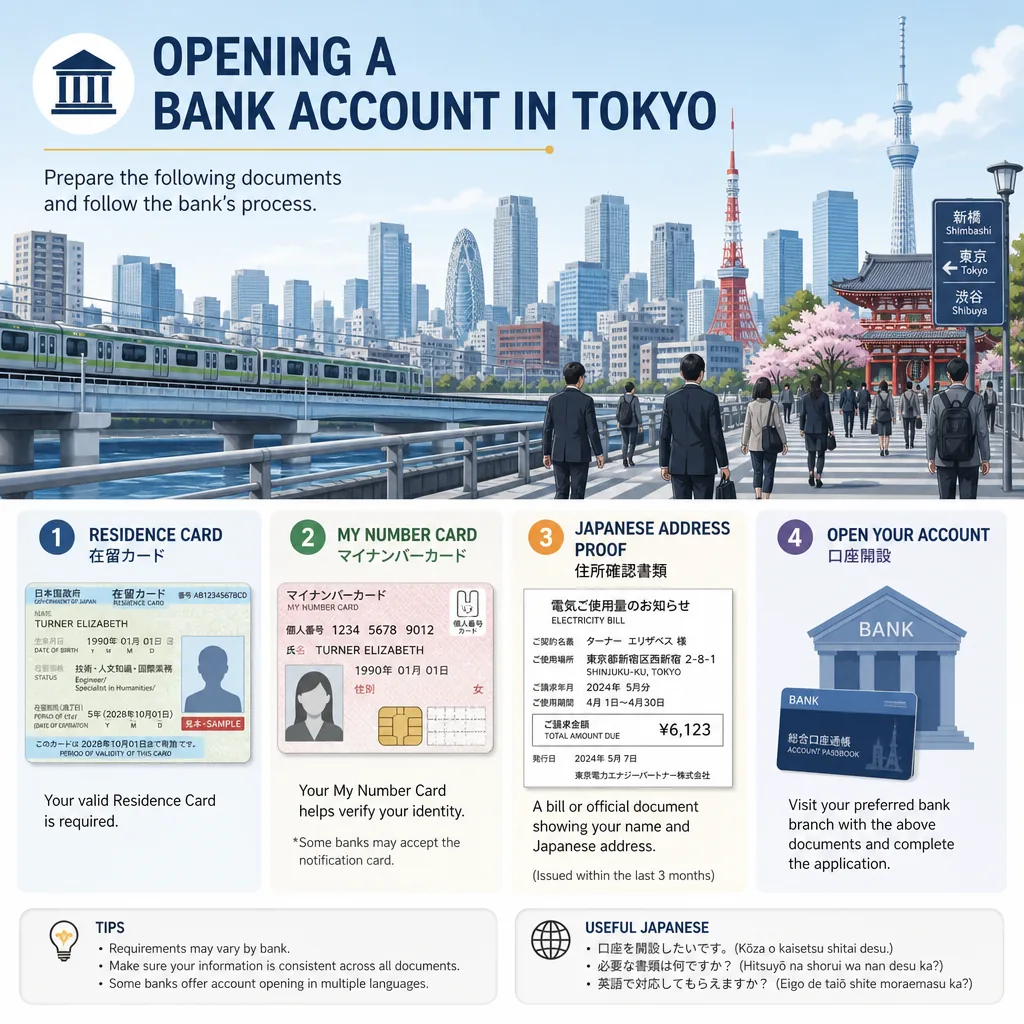
Yes—expats can open a bank account in Tokyo, but it usually takes the right documents and a branch visit, especially if you are newly arrived. In practice, most banks want a residence card, a Japanese address and phone number, and often a My Number document before they will open a personal account [1][2][3][4].
Tokyo banks follow Japan-wide rules, so the same core requirements appear again and again. Japan Post Bank says foreign nationals need identification and residency-related documents, and major banks such as MUFG, SMBC, and Mizuho all publish separate account-opening pages that emphasize in-person checks for many applicants [1][2][3][4].
For newcomers, the most common requirements are:
Some banks also restrict account opening for people who have just arrived. That means a newcomer may be told to wait until they have lived in Japan long enough to show stable residency, even if they already have a work visa or student status [2][3][4].
Preparation matters because missing paperwork is one of the easiest reasons a branch will stop the application. Before visiting a bank in Tokyo, gather documents that prove both identity and local residence, and make sure the spelling of your name is consistent across every document [1][2][4].
Bring these items first:
If your name appears in different scripts on different documents, the bank may insist that the account name match your residence card and official records exactly [2][4]. This is especially important in Tokyo, where branch staff often need to input names into systems that are strict about character order and spelling.
For first-time account seekers, the most commonly cited accessible option is Japan Post Bank, which publishes specific guidance for foreign nationals and is often considered easier for newcomers than some major banks [1]. If you need a branch-based, mainstream option, major banks such as MUFG, SMBC, and Mizuho all provide account-opening guidance in English and can be worth trying once your documents are ready [2][3][4].
Practical Tokyo examples include Japan Post Bank counters inside post office branches across neighborhoods such as Shinjuku, Shibuya, and Ikebukuro, plus large-bank branches in business areas like Marunouchi and around major stations. The important part is not the neighborhood alone, but whether the specific branch is used to handling foreign-resident applications [1][2][3][4].
The Tokyo Metropolitan Government also maintains foreign-resident support information, which can help you navigate city services and locate guidance if you are still settling in [5]. That does not replace the bank’s own requirements, but it can help if you need general orientation after arrival [5].
Most newcomers in Tokyo should expect an in-person application. Online-only opening is often limited for people without a long local banking history, and banks may want to verify documents at the counter [2][3][4].
Do not assume you will leave the branch with full access the same day. Some banks issue a cash card later by mail, and online banking access may be limited at first [2][4]. If you need to receive salary quickly, ask the branch what happens after approval and how long each step usually takes.
Tokyo banks are often strict because they must follow identity and anti-fraud checks. The most common problems are preventable if you know what staff are looking for [1][2][3][4].
Typical delay triggers include:
In Japan, a seal can still help in some cases, though many branches now accept signatures depending on account type. If you already use a hanko for housing or city paperwork, bringing it can make the visit smoother, but it is not universally required [2][3][4].
The easiest way to succeed is to apply like a careful planner, not a walk-in hopeful. Tokyo is full of bank branches, but the gatekeeper is almost always documentation, not location [1][2][3][4].
Use these practical tips:
If one bank says no, try another with a different policy rather than assuming you cannot open an account anywhere. In Tokyo, Japan Post Bank may be a practical starting point, while MUFG, SMBC, and Mizuho are useful alternatives once your documents and residency status are fully in order [1][2][3][4].
The short version is this: bring the right paperwork, apply in person, and choose a bank that is used to serving foreign residents in Japan. That approach gives expats the best chance of opening a Tokyo account without unnecessary delays [1][2][3][4].
CallButler is a multilingual concierge service that handles research, coordination, and bookings so you do not have to navigate language barriers or unfamiliar systems alone. If you need help related to How do expats open a bank account in Tokyo as a newcomer? or the tasks around it, our team can step in to manage the details and keep things moving smoothly.
Find English-friendly yakitori in Osaka after work by targeting Umeda, Namba, and Honmachi, plus booking sites and multilingual menus.
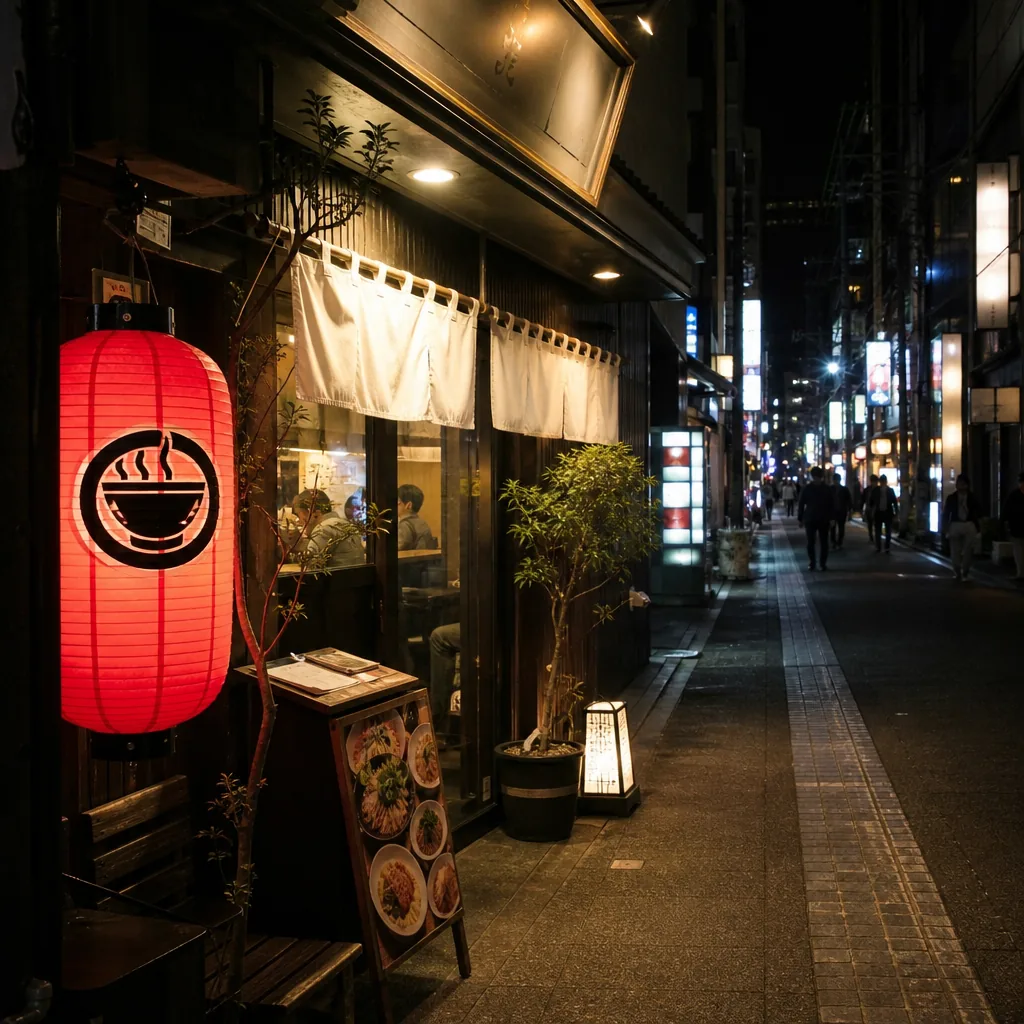
Looking for halal ramen in Kyoto after 10 p.m.? Here’s where to check, which areas are most practical, and how to verify hours and halal status.
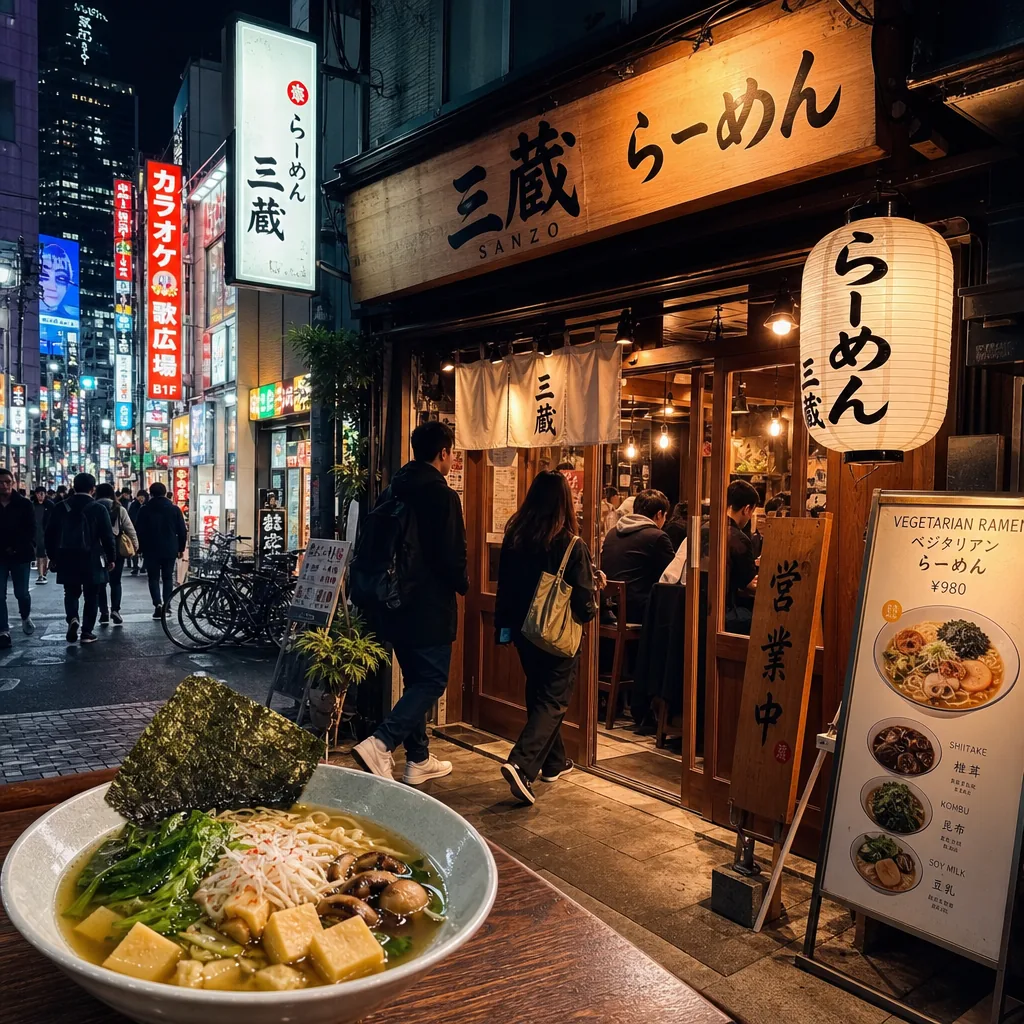
Find late-night vegetarian ramen in Tokyo by focusing on Shibuya, Shinjuku, and Roppongi, then verify broth, hours, and vegan menu details.