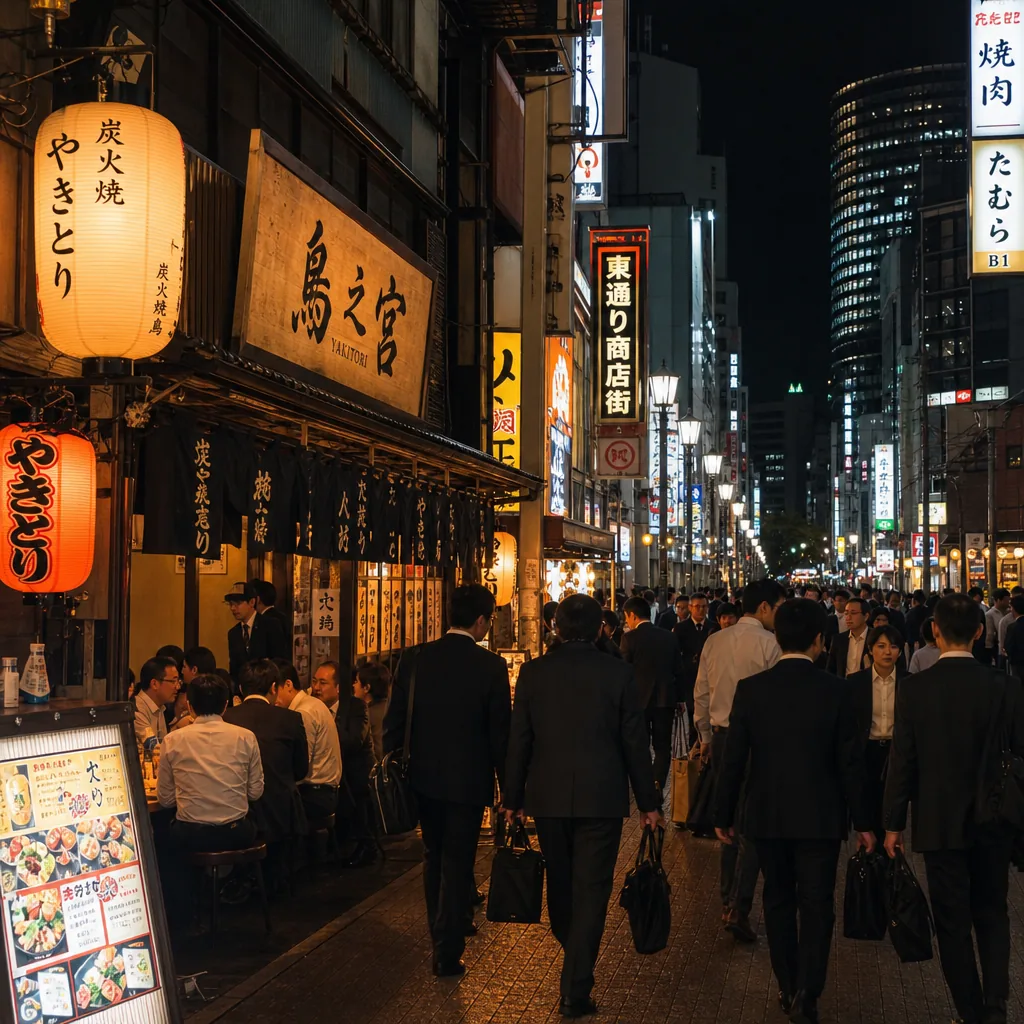
Where can I find english-friendly yakitori in Osaka after work?
Find English-friendly yakitori in Osaka after work by targeting Umeda, Namba, and Honmachi, plus booking sites and multilingual menus.
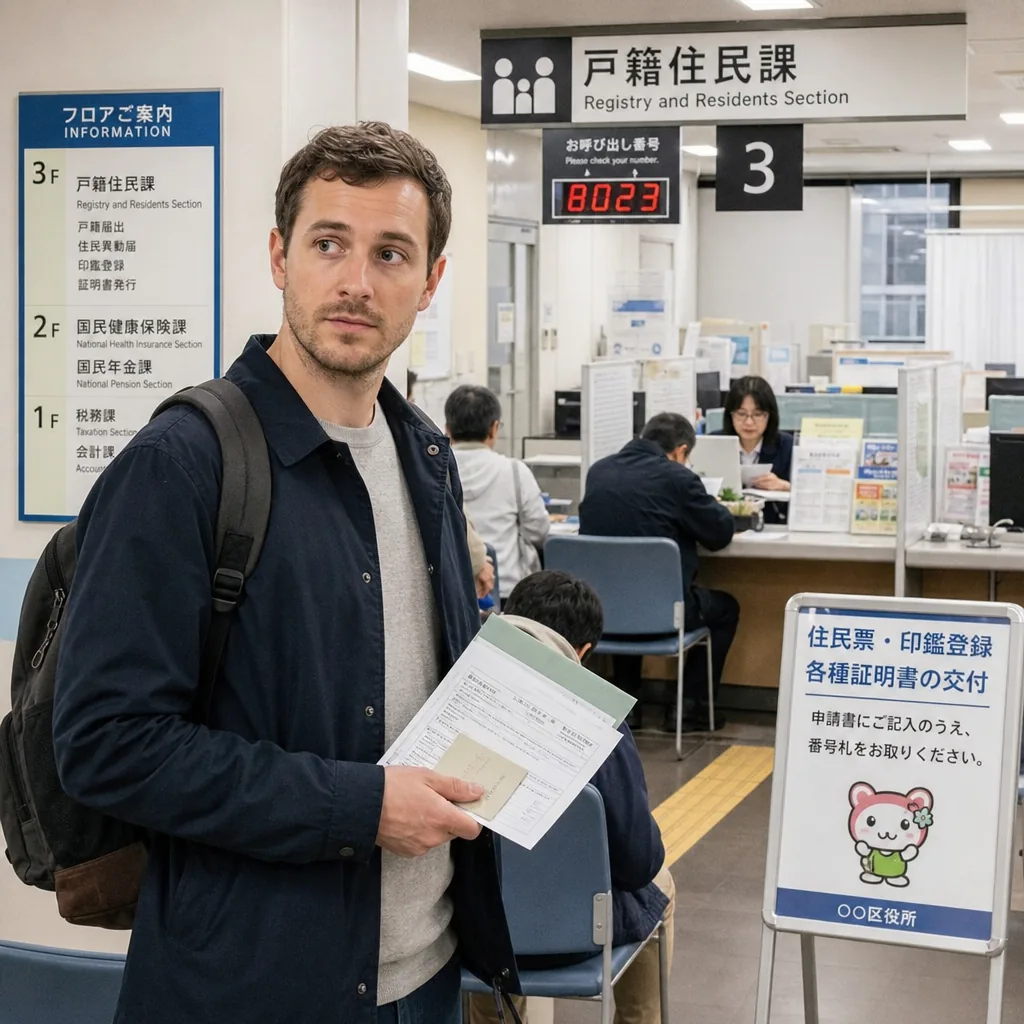
Yes—expats in Tokyo can get a My Number Card once they have completed resident registration and have a My Number assigned at their local ward or city office. The process is not instant: after you move in, you register your address first, wait for the notification materials by post, then apply and later pick up the card in person [1][2][5].
The My Number Card is a Japanese identity card linked to your 12-digit My Number, and it can be used for identity verification and selected online or administrative procedures [1][4]. Foreign residents are generally eligible if they have a valid residence record in Japan and have been assigned a My Number [1][2]. In Tokyo, that means your first essential step is not the card application itself, but completing resident registration at the ward, city, or town office that serves your address [2][5].
When you move into Tokyo, file your moving-in notice at the local municipal office within the required period after settling in, and update your address again if you move within the city later [5]. Tokyo Metropolitan Government explains that resident registration is the foundation for My Number procedures, because the My Number notification and application materials are sent to the address recorded on your resident register [2][5]. If your address is not current, the mailing can be delayed or returned.
This first step matters most for newcomers in large wards such as Shinjuku, Shibuya, and Minato, where service desks handle many foreign residents every day. At Shinjuku City, for example, foreign-language guidance is provided for My Number Card-related procedures, showing that ward offices are the main contact point for the whole process [3].
After your resident record is created, a My Number notification is typically mailed to your registered address [2][4]. In many municipalities, the package includes an application form or QR code that you can use to apply online or by mail [1][3]. Tokyo residents should keep an eye on their mailbox after moving, because the notification materials are sent only after the municipal record is established [2].
If you have just arrived in Tokyo, this is the waiting period that often surprises people. The system depends on the address you registered, so the notification will not come until the office finishes processing your move-in paperwork [2][5].
You can usually apply in one of several ways once the form arrives: online, by mail, or sometimes through a support desk at the ward office depending on the municipality’s service setup [1][3]. The Digital Agency notes that the card application is designed to be accessible after registration, and the Tokyo Metropolitan Government confirms that the post-mailed materials are the usual starting point for the application flow [1][2].
Practical approach for newcomers:
In some Tokyo wards, multilingual support makes the process easier, but the core rule is the same everywhere: your resident registration must be current before you can move forward [2][3][5].
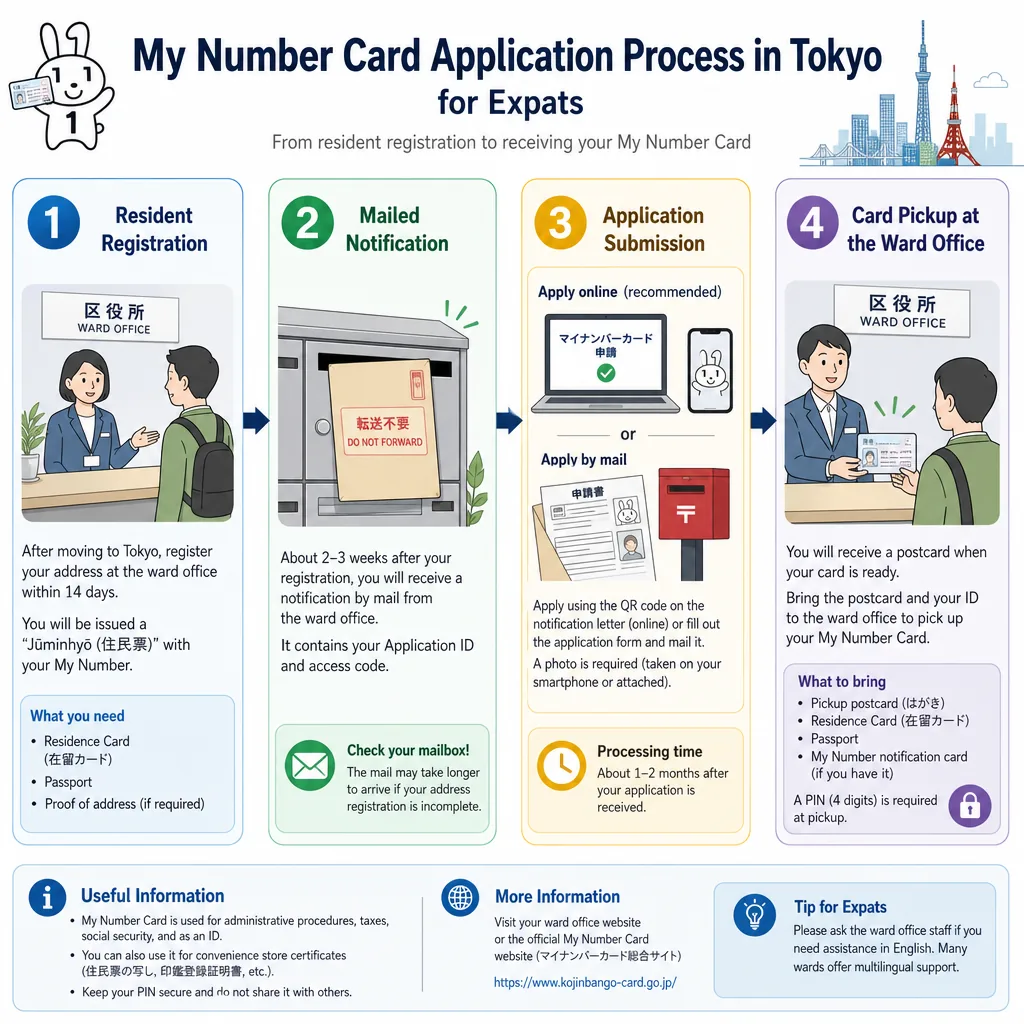
The My Number Card is not issued on the spot. After your application is processed, you receive a notice telling you when and where to pick it up [1][4]. At pickup, you must show identity documents, and you may need to set PINs for the card and for its electronic certificate functions [1][4].
This in-person pickup is an important safeguard, so plan for an office visit after your notice arrives. The Ministry of Internal Affairs and Communications and the Digital Agency both stress that the card’s functions include digital certificate use, which is why PIN setup is part of the handover [1][4].
Tokyo is efficient, but the process still depends on timing and paperwork. These practical points can help you avoid repeat visits and delays:
Useful Tokyo locations to know include your local ward office, Tokyo Metropolitan Government’s information pages, and ward-level foreign resident guidance such as Shinjuku City’s English resources [2][3][5]. These are the most reliable places to confirm office hours, document lists, and pickup instructions for your neighborhood.
The most common delay is a mismatch between your actual address and your registered address. If your move-in notice is late, or if you change wards before the card is issued, the notification can miss you [2][5]. Another issue is assuming the card can be picked up immediately after applying; in reality, you must wait for the issuance notice [1][4].
To stay on track, remember three rules: complete resident registration first, use the mailed application materials second, and wait for the pickup notice third [1][2][5]. If you keep your municipal records current and check your mail regularly, getting a My Number Card in Tokyo is straightforward for most newcomers.
CallButler is a multilingual concierge service that handles research, coordination, and bookings so you do not have to navigate language barriers or unfamiliar systems alone. If you need help related to How do expats get a my number card in Tokyo as a newcomer? or the tasks around it, our team can step in to manage the details and keep things moving smoothly.
Find English-friendly yakitori in Osaka after work by targeting Umeda, Namba, and Honmachi, plus booking sites and multilingual menus.
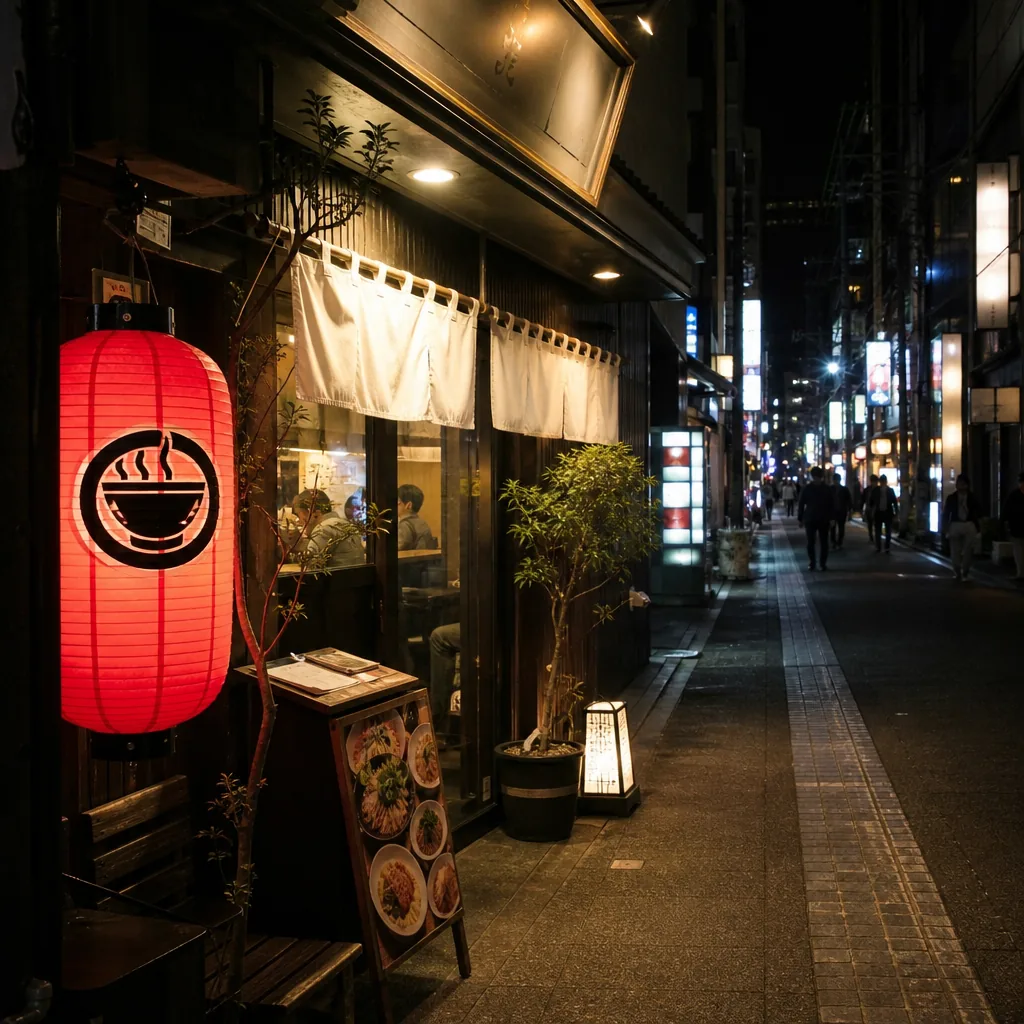
Looking for halal ramen in Kyoto after 10 p.m.? Here’s where to check, which areas are most practical, and how to verify hours and halal status.
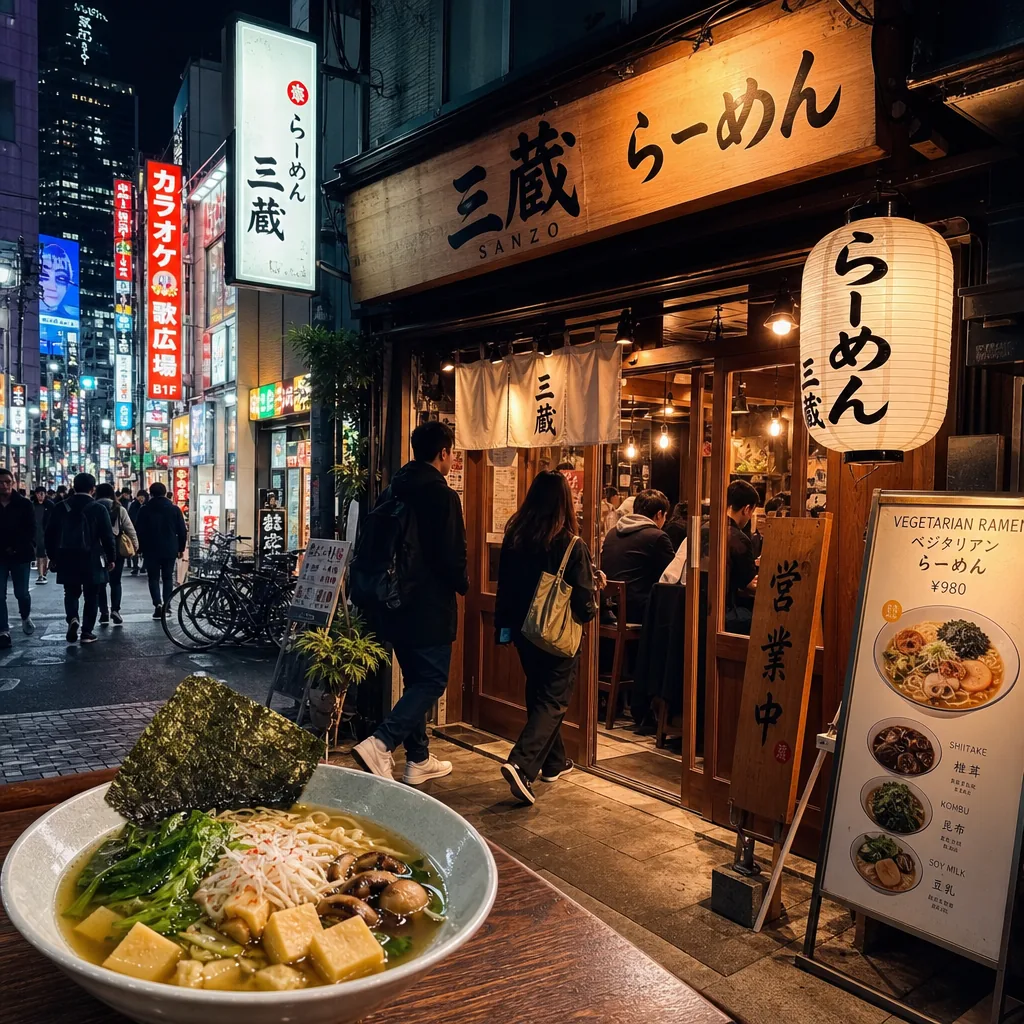
Find late-night vegetarian ramen in Tokyo by focusing on Shibuya, Shinjuku, and Roppongi, then verify broth, hours, and vegan menu details.